




Worst Drivers By State: Analyzing America's Cities and States Compared [Updated Study]
Do you know what the top 10 WORST cities and states are for driving in the U.S.? We have the data to help keep your fleet drivers safe!

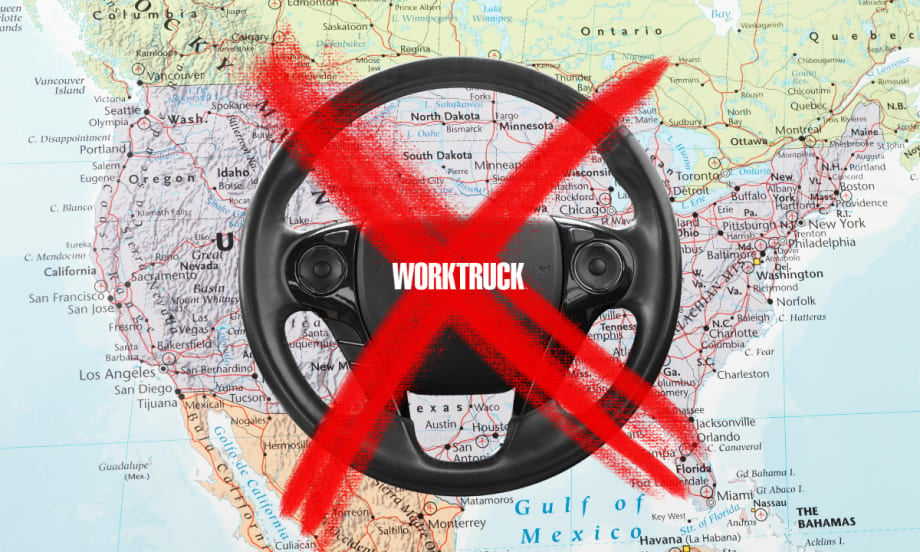
For the second year in a row, Jacksonville has the worst drivers in America, while New York City has the best.
Photo: Work Truck
Understanding where the worst drivers are located can help fleet managers prepare their drivers for the potential dangers they might face on the road. Two recent studies, one by Real Estate Witch and another by Forbes Advisor, shed light on which cities and states have the best and worst drivers in the U.S.
By comparing the findings from both reports, we can better understand the regions where fleet drivers might encounter the most risk.
Real Estate Witch Study: Worst Cities for Drivers in 2024
Real Estate Witch’s study focused on the 50 most populous U.S. metros, analyzing various metrics such as traffic fatalities, alcohol-related deaths, cyclist fatalities, uninsured drivers, and insurance premiums. While the study highlights the cities with the worst drivers, it also provides insights into the cities with the best drivers, showcasing areas with exceptional driving safety. The top ten cities with the worst drivers according to this study are:
Jacksonville, Florida
Tampa, Florida
Memphis, Tennessee
Orlando, Florida
Miami, Florida
Houston, Texas
San Bernardino, California
St. Louis, Missouri
Raleigh, North Carolina
Nashville, Tennessee
Key highlights include:
Jacksonville leads with the highest number of alcohol-related deaths.
Memphis has the highest rate of driving deaths.
Tampa records the most fatal collisions between drivers and cyclists.
Detroit has the highest auto insurance premiums and a high percentage of uninsured drivers.
Forbes Advisor Study: Worst States for Drivers in 2024
The Forbes Advisor study ranked states based on metrics including fatal car crashes, drunk driving incidents, distracted driving, and traffic violations. New Mexico has the highest number of fatal car accidents involving a distracted driver.
The top ten states with the worst drivers are:
New Mexico
Wyoming
Texas
Oklahoma
Montana
Louisiana
Kentucky
Kansas
Mississippi
Missouri
Montana has the highest number of drunk drivers involved in fatal accidents.
Notable findings include:
New Mexico has the highest number of fatal crashes involving distracted drivers.
Wyoming has the highest rate of fatal crashes involving drowsy drivers.
Texas ranks high in fatal crashes involving drunk driving.
Mississippi has the highest total number of fatal car accidents.
Analysis of Fatal Accident Rates by State
The NHTSA data reveals that the top 5 states with the highest rate of fatal car accidents per 100 million vehicle miles traveled are:
Mississippi - 25.65 fatal car accidents per 100 million vehicle miles traveled
South Carolina - 24.69 fatal car accidents per 100 million vehicle miles traveled
Alabama - 23.94 fatal car accidents per 100 million vehicle miles traveled
Louisiana - 23.64 fatal car accidents per 100 million vehicle miles traveled
Arkansas - 23.44 fatal car accidents per 100 million vehicle miles traveled
These states exhibit higher rates of fatal car accidents due to a combination of factors, including aggressive driving, distracted driving, and drunk driving. Understanding these contributing factors can help in developing targeted interventions to improve road safety in these high-risk areas.
Impact of Dangerous Driving Behaviors
Dangerous driving behaviors, such as speeding, distracted driving, and aggressive driving, are major contributors to fatal car accidents. According to the NHTSA, speeding was a contributing factor in 26% of all fatal car accidents in 2023. Additionally, distracted driving accounted for 10% of all fatal car accidents, highlighting the severe impact of these unsafe driving habits.
Speeding not only reduces the driver’s ability to react to sudden changes on the road but also increases the severity of crashes. Similarly, distracted driving, whether due to mobile phone use or other distractions, significantly impairs a driver’s focus and reaction time. Aggressive driving behaviors, such as tailgating and erratic lane changes, further exacerbate the risk of fatal accidents. Addressing these dangerous driving behaviors is essential for reducing the number of fatal car crashes on our roads.
Comparing Worst Drivers by State and City: Analysis
By comparing the two studies, we can identify overlapping trends and unique insights from each:
Florida dominates the list of worst cities, with Jacksonville, Tampa, Orlando, and Miami all in the top five worst cities for drivers. This suggests a statewide issue with driver behavior and traffic safety.
Texas appears in both lists, with Houston ranked among the worst cities and Texas among the worst states. This consistency highlights significant road safety challenges in Texas.
Mississippi stands out with the highest total number of fatal car crashes, making it a critical area of concern for fleet managers operating in the state.
Conclusion: The Worst of the Worst
Taking into account all the data from both reports, the most dangerous areas for drivers are:
City with the Worst Drivers: Jacksonville, Florida. With the highest number of alcohol-related deaths and a top position in the worst drivers ranking, Jacksonville stands out as the city with the most perilous driving conditions.
State with the Worst Drivers: New Mexico. Leading in multiple categories of fatal accidents, particularly those involving distracted driving, New Mexico emerges as the state with the worst drivers.
Implications for Fleet Managers
Fleet managers should be particularly vigilant when operating in these high-risk areas. Providing comprehensive driver training focused on defensive driving techniques and ensuring vehicles are equipped with advanced safety features can mitigate some of these risks. Additionally, understanding local driving conditions and accident trends can help in planning safer routes and schedules.
More Safety & Compliance
Navigating the Effects of Daylight Saving Time on Work Truck Fleets
Discover how daylight saving time impacts work truck fleets and get essential tips for fleet managers and drivers to navigate the "fall back" transition.
Read More →
How Halloween Changes the Job for Work Truck Drivers
Truck traffic doesn’t take the same Halloween break as other drivers. What fleet managers should know about timing, neighborhood stops, and braking data.
Read More →
Tips for Driving Safely on Halloween Night
This video features a reminder from the Connecticut Department of Transportation (DOT) and the Connecticut Police Chiefs Association, urging drivers to prioritize safety this Halloween.
Read More →From Our Partners



Re-rating Gross Vehicle Weight Ratings (GVWR): Why and How it's Done
Sometimes, it is not in a fleet’s best interests to have a vehicle at a given GVWR. Changing the GVWR to a special value can be done, but the process is complicated.
Read More →
When a Work Truck Gets Stolen, the Real Loss Is Time
A stolen work truck can take more than a vehicle off the road. From tools and access cards to crew downtime, here’s how fleets can prepare for theft before it disrupts the entire workday.
Read More →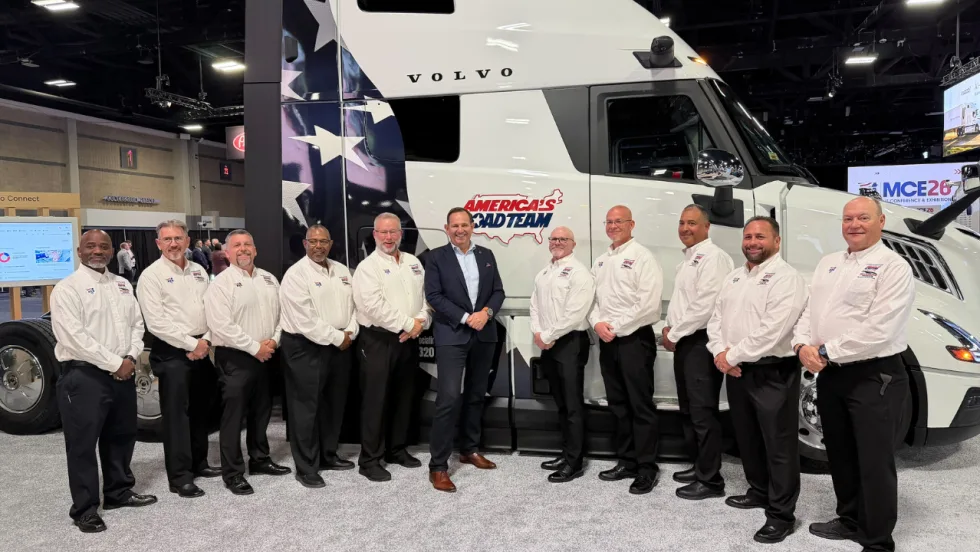
Volvo Trucks Marks 25 Years as Exclusive Sponsor of America's Road Team
Volvo Trucks North America will serve as the exclusive sponsor of the American Trucking Associations' America's Road Team, marking 25 years of Volvo sponsorship. The group of professional drivers promotes safety and the industry as they travel the country.
Read More →
Streamlight’s High-Output Scene Light Recognized with Occupational Safety Award
Streamlight’s Portable Scene Light III (PSL III) won the 2026 Occupational Health & Safety (OH&S) New Product of the Year Award in the Lighting category.
Read More →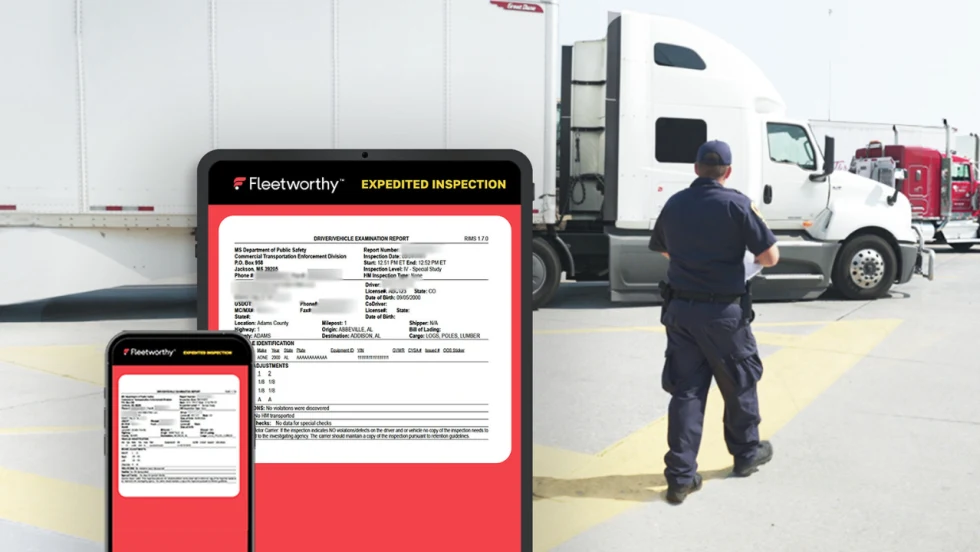
Fleetworthy Expands Expedited Inspection to 5 States
Following its industry-first launch in Nevada, Fleetworthy’s automated inspection technology is now live in California, Michigan, Vermont, and Maine.
Read More →
Crossing State Lines in a Light-Duty Work Truck? Check These Rules First
Crossing state lines in a lighter work truck? J.J. Keller's Kathy Close explains when IRP registration, trip permits, and towing rules come into play.
Read More →
Simple Tire Checks That Help Keep Your Business Fleet Moving
A survey found that nearly one in every 10 passenger vehicles has at least one bald tire. What's more, 27% -- more than one in four -- of vehicles are driven with one or more severely under-inflated tires.
Read More →