




Waymo Sues Uber, Otto, Alleging Stolen Autonomous Technology
Alphabet’s self-driving car unit Waymo is suing Uber and its Otto autonomous trucking subsidiary for stealing the company’s autonomous vehicle sensor technology. Alphabet is also the parent company of Google.

Waymo self-driving car prototype. Photo via Waymo.com
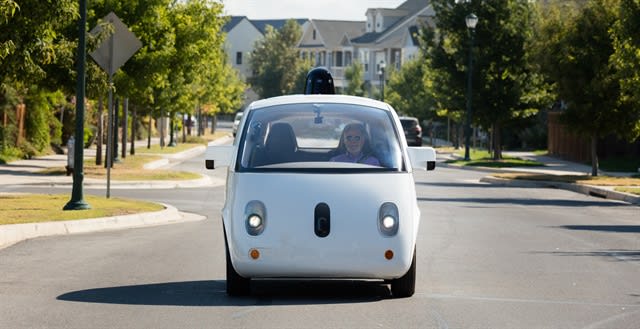
Waymo self-driving car prototype. Photo via Waymo.com
Alphabet’s self-driving car unit Waymo is suing Uber and its Otto autonomous trucking subsidiary for stealing the company’s autonomous vehicle sensor technology. Alphabet is also the parent company of Google.
In court documents, Waymo accuses Otto and Uber of taking the company’s intellectual property in order to avoid the risk, time, and expense of independently developing the technology on its own.
Waymo’s case centers around its custom-built Lidar (light detection and ranging) sensor technology. The sensors allow a vehicle to see a 3D picture of the world around it to detect and measure the shape, speed, and movement of obstacles. Not simply accusing Uber and Otto of copying the technology, Waymo’s was given a tip that Otto’s LIDAR design bore a striking resemblance to its own.
In its own investigation, Waymo found evidence that former employee and current Otto co-founder Anthony Levandowski downloaded over 14,000 confidential and proprietary design files for Waymo’s hardware systems, according to a blog post from the company. These files included blueprints, design files and testing documentation totaling 9.7 GB of data.
Waymo accuses Levandowski of using specialized software installed onto his company laptop to achieve this. The company said that after he transferred the information to an external hard drive, he wiped and reformatted his laptop in an attempt to erase evidence.
“We believe these actions were part of a concerted plan to steal Waymo’s trade secrets and intellectual property,” the company stated in its blog post.
Waymo said that it has devoted seven years to research and development for the technology, building up more than 1.5 million miles of self-driving experience on public roads and even more than that in simulations.
Originally posted on Automotive Fleet
More Safety
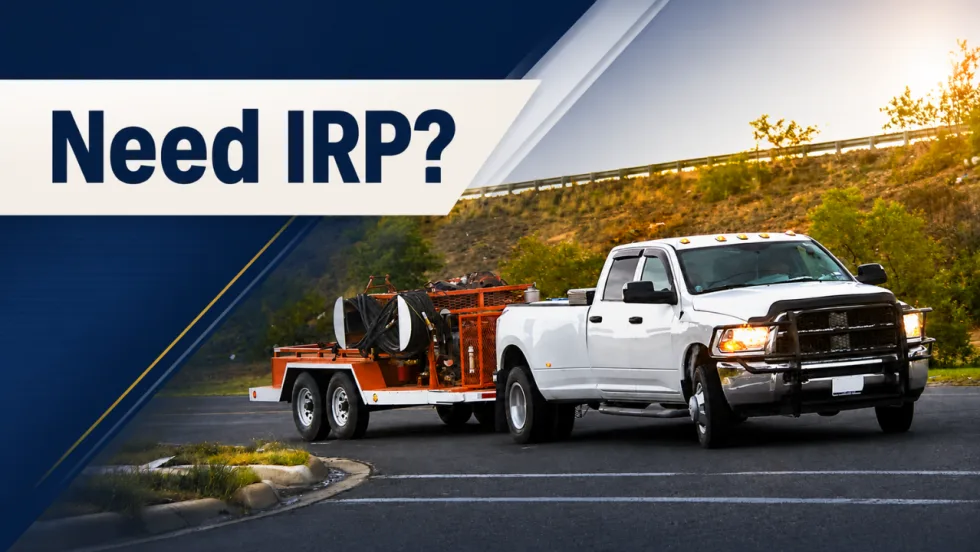
When Work Trucks Under 26,001 Pounds Need IRP Registration
Think trucks under 26,001 pounds are automatically in the clear when it comes to IRP? Not always. Learn where lighter vehicles can still run into trip permit, apportioned registration, and IFTA compliance requirements when crossing state or provincial lines.
Read More →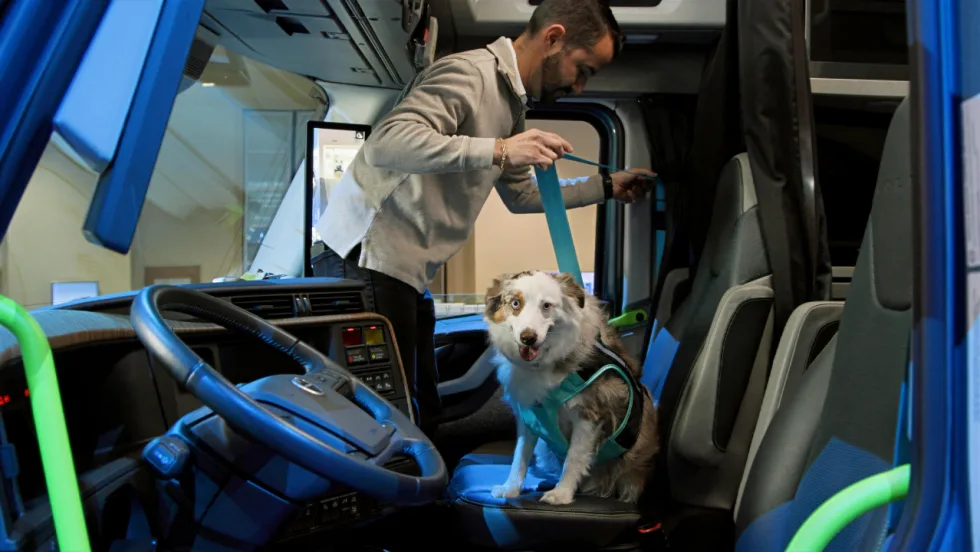
Volvo Trucks Releases New Safety Recommendations for Traveling with Pets
One of the most important recommendations for professional drivers traveling with pets is to ensure pets are properly restrained while the truck is moving. Other tips are available in the new guide from Volvo Trucks North America and Center for Pet Safety.
Read More →
API Issues Refueling Safety Guidelines
The American Petroleum Institute offers a list of safe vehicle refueling guidelines, including ways to avoid potential problems with static electricity discharges in fall, winter, and early spring.
Read More →
Winter Fleet Prep: Expert Tips to Keep Vehicles Running Smoothly
Cold weather can expose weak batteries, tires, fuel systems, and maintenance gaps fast. Use this winter fleet checklist to prepare trucks and drivers before temperatures drop.
Read More →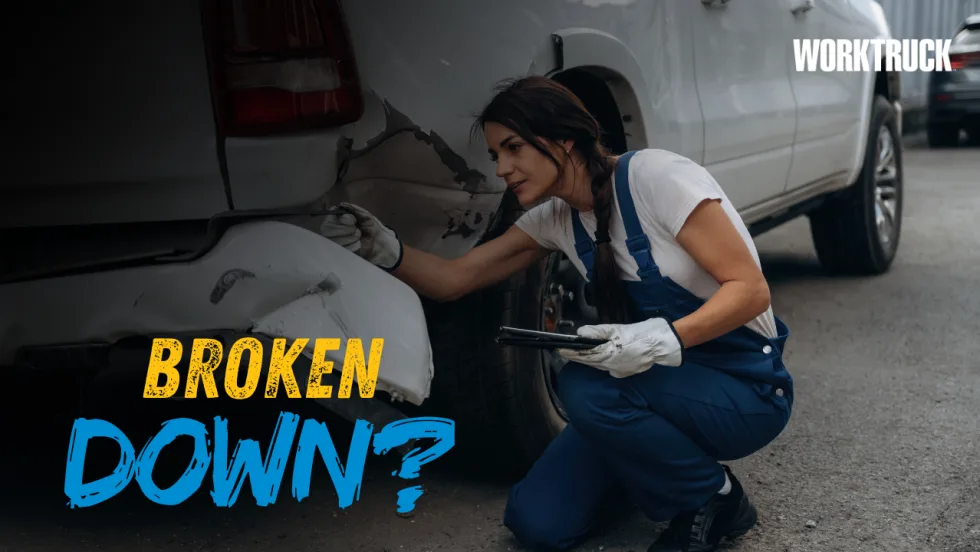
When a Work Truck Breaks Down, the Job Can Stop, Too
A work truck breakdown can stop more than the vehicle. Discover how payloads, jobsites, and specialty equipment change the roadside response.
Read More →
What Stronger Long-Term Fleet Service Partnerships Actually Require
Fleet service partnerships rarely fall apart all at once. Learn the three warning signs that trust is eroding and what fleets and providers can do before downtime, frustration, and lost revenue follow.
Read More →
Applause & TRUCE Software Partner to Improve Driver Safety Through AI-Powered Telematics & Employee Performance Management
Applause has integrated TRUCE driving metrics directly into its employee-first performance and safety platform that transforms mobile devices into AI-powered telematics.
Read More →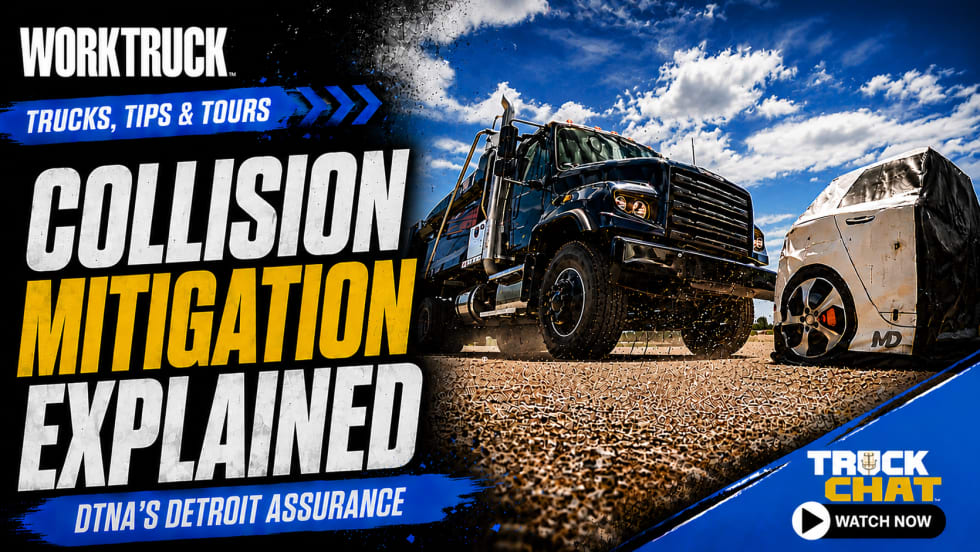
How Detroit Assurance with Active Brake Assist Works
Do you want to see what it is like to experience Detroit Assurance’s Active Brake Assist? In this video, Work Truck will put you in the cab to see how it all works and then hear more details from DTNA’s Mike Young.
Read More →
Get Left of Loss: A 5-Step Workplace Violence Prevention Framework for Fleet Operators
Violence risks do not stop at the driver’s door. Learn five practical steps fleets can take to spot threats early and protect workers before loss occurs.
Read More →
How Better Visibility Cut Speeding Violations by 48%
Fleet leaders don't need more data, they need clearer visibility into what the data is saying. This case study explores how one utility replaced speeding-event counts with a single metric — miles driven in violation — to strengthen safety and significantly reduce speeding violations.
Read More →