




Volvo Begins Selling Trucks That Meet 2010 Emissions Standards
GREENSBORO, NC – The trucks meet the standards using Selective Catalytic Reduction, which also increases fuel efficiency and reduces carbon emissions, according to a statement by the manufacturer.
GREENSBORO, NC – Volvo Trucks North America has begun selling vehicles that meet the new U.S. Environmental Protection Agency (EPA) emissions standards, which come into effect in 2010. The trucks meet the standards using SCR, Selective Catalytic Reduction, which also increases fuel efficiency and reduces carbon emissions. Initial production is scheduled for autumn 2009, according to a statement by the automaker.
By beginning the process this early, the plant in New River Valley, Virginia can commence the production of trucks that meet the new emissions standards already prior to them coming into effect next year. The plant's production processes have been modified in recent months in preparation for 2010 and to enhance the efficiency and quality of manufacturing.
By mid-June, customers had placed orders via distributors for approximately 50 trucks that meet EPA2010 standards.
"Several customers have expressed an interest in placing SCR-equipped vehicles in their fleets ahead of 2010," said Scott Kress, senior vice president sales and marketing at Volvo Trucks North America, in the statement. "This gives early adopters the opportunity to gain familiarity with the technology and the benefits of SCR."
More Leasing & Management

Buyers Products Awarded Sourcewell Cooperative Purchasing Contract for Snow & Ice Equipment
Buyers Products has been awarded a Sourcewell contract for a wide range of winter maintenance equipment and accessories, including snowplows, municipal plow systems, wing plows, spreaders, and more.
Read More →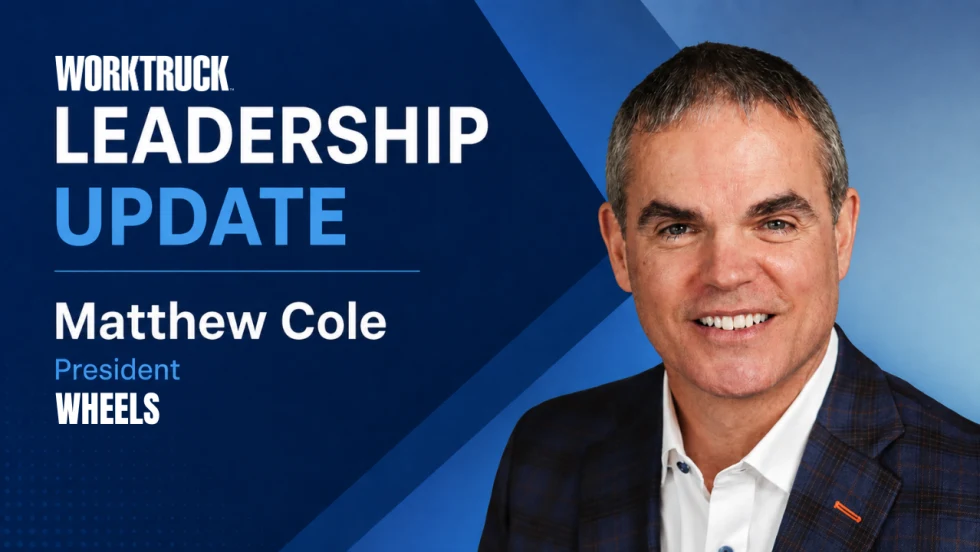
Wheels Names Matthew Cole President to Advance Fleet Technology and Growth
Matthew Cole brings more than 30 years of automotive and technology leadership to Wheels, including experience with connected and software-defined vehicle technologies.
Read More →
What Stronger Long-Term Fleet Service Partnerships Actually Require
Fleet service partnerships rarely fall apart all at once. Learn the three warning signs that trust is eroding and what fleets and providers can do before downtime, frustration, and lost revenue follow.
Read More →

Why Fleets Need More Flexibility in Financing and Asset Strategy
Vehicle costs, resale values, and demand keep shifting. See how fleets can balance leasing, financing, ownership, and rentals without adding unnecessary complexity.
Read More →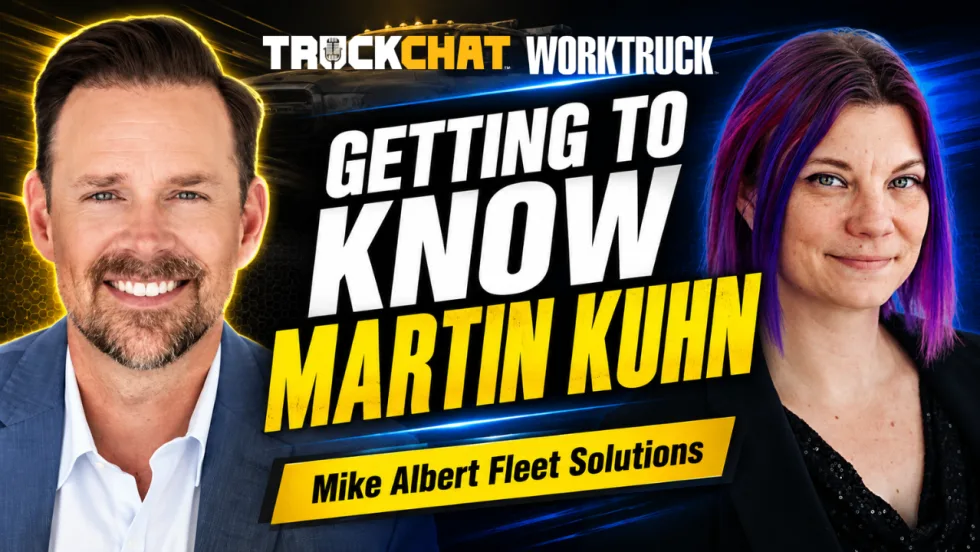
What Mike Albert Fleet Solutions’ New CEO Says Will Change for Fleets
Martin Kuhn explains why investments in technology and people are coming, but access to personal customer service must remain the same for fleets of every size.
Read More →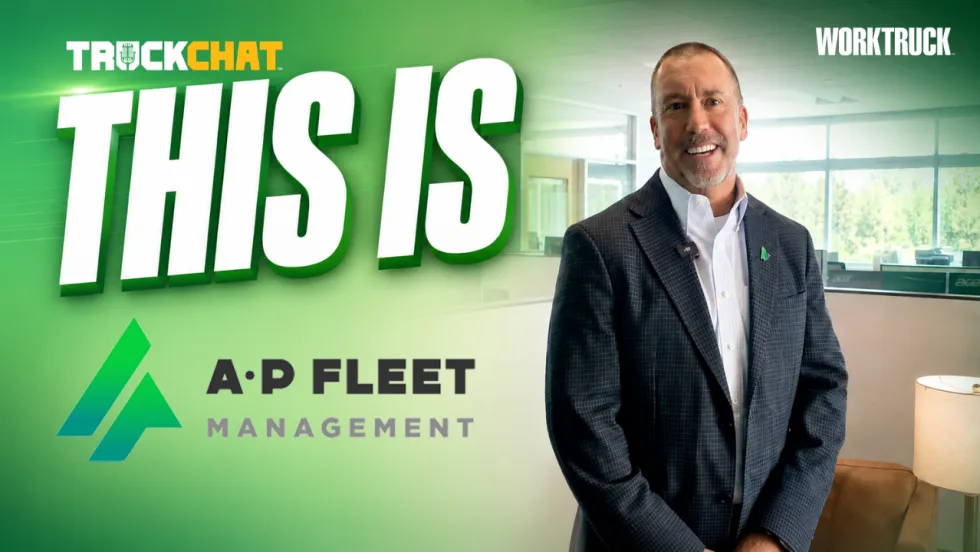
Inside AP Fleet Management’s Move From Financing to Fleet Services
AP Fleet Management President Alex Coveney explains how the company grew from equipment financing into fleet services and what shaped its customer-first approach.
Read More →
Kooner Fleet Management Solutions Named Fleetio Premier Partner
Fleetio has named Kooner Fleet Management Solutions as a Premier Partner within Fleetio’s Maintenance Shop Network. As a Fleetio Premier Partner, Kooner's designation reflects its commitment to delivering reliable maintenance services and supporting fleets through high-quality service.
Read More →
Why Vocational Fleets Need Payment Infrastructure That Scales
Fleet downtime isn't the only cost. Discover why scalable payment and invoicing infrastructure is becoming essential for vocational fleet efficiency and loyalty.
Read More →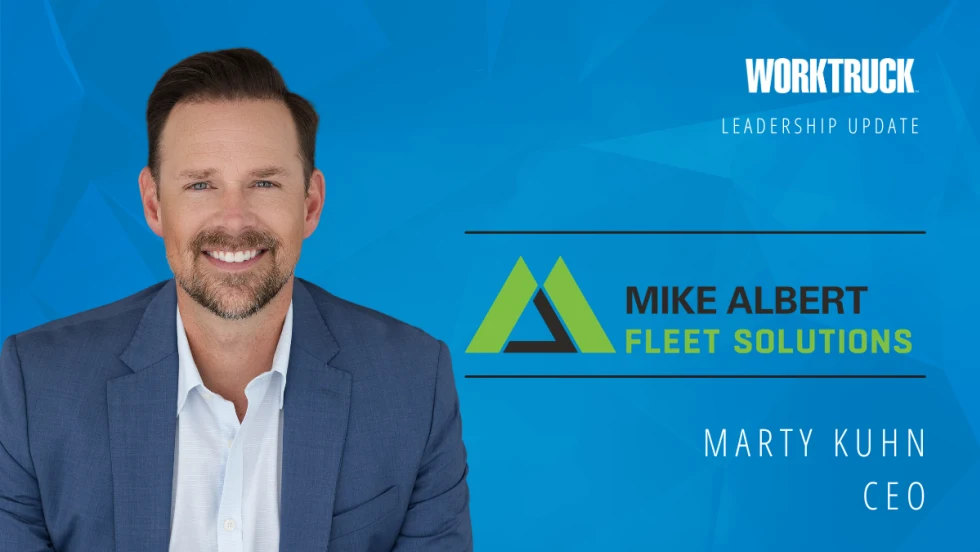
Mike Albert CEO Marty Kuhn Sees Technology and Upfitting Driving Fleet Success
New CEO Marty Kuhn highlights work-ready upfitting, fleet technology, and AI-powered insights as key parts of Mike Albert's strategy.
Read More →
Flexible Standardization: How Modern Fleets Are Rethinking Consistency to Stay Operational
Fleet standardization is evolving. Learn how flexible vehicle specs help large fleets reduce delays, improve uptime, and adapt to disruptions.
Read More →