




Video Tip: Uncontrolled Intersections
Uncontrolled intersections lack any stop or yield signs or traffic lights – and they can be very dangerous places. Here's some advice you can pass along to fleet drivers.
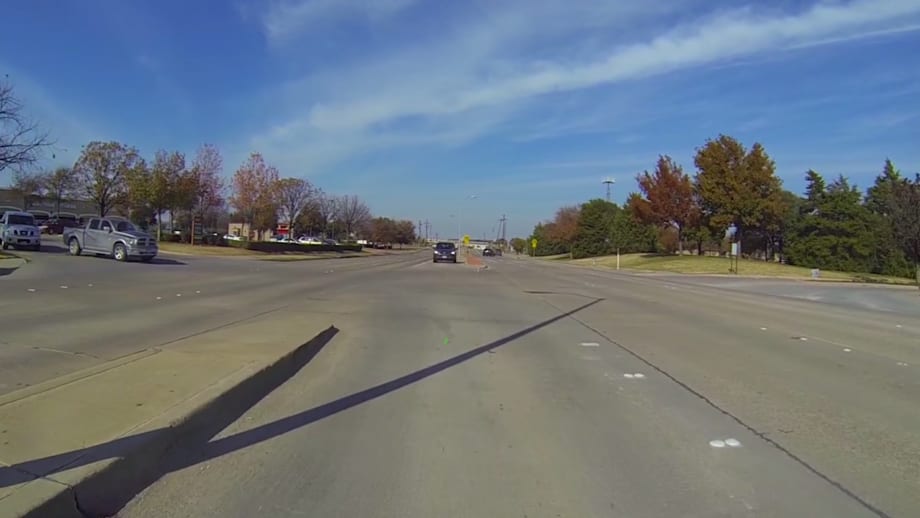
If a fleet driver is accustomed to city driving, a road trip through a rural region may present a welcome respite from urban traffic congestion. On the other hand, he or she is much more likely to encounter uncontrolled intersections, requiring more caution and greater attention to basic right-of-way rules.
Uncontrolled intersections lack any stop or yield signs or traffic lights – and they can be very dangerous places. Why are these intersections unmarked? It’s usually a budget-related decision, as this Iowa TV news report explains. Local government agencies lack the funds to install signage at every intersection.
So fleet drivers traveling straight ahead in a rural residential neighborhood, for example, can’t just assume that vehicles traveling on the cross street they’re approaching have a stop or yield sign. They need to look ahead and identify whether the intersection is controlled or uncontrolled.
Whenever approaching an uncontrolled intersection, drivers need to slow down, check left and right – twice – and then proceed cautiously through the intersection if it’s clear. For a demonstration, click here.
They should never cross an uncontrolled intersection unless they can see that the road is clear in all directions. If they're unsure, then they need to slow down or stop.
After stopping for traffic, the basic intersection right-of-way rules come into play. The first vehicle to stop at the intersection is the first to go. But when two vehicles get to the intersection at the same time, the vehicle on the right goes first – it has the right-of-way. When two vehicles are directly across from each other, and one is turning left, the one going straight goes first.
The truth is, though, not every motorist is going to be courteous and honor the right-of-way rules. Fleet drivers need to be extra cautious at all uncontrolled intersections – and be prepared to surrender their turn if another driver acts aggressively or absentmindedly.
Always remember, your safety comes first. It’s not worth getting upset if someone else takes your turn.
For additional advice about navigating uncontrolled intersections, click on the photo or link below the headline.
Originally posted on Automotive Fleet
More Safety & Compliance
Fleetworthy Expands Expedited Inspection to 5 States
Following its industry-first launch in Nevada, Fleetworthy’s automated inspection technology is now live in California, Michigan, Vermont, and Maine.
Read More →
Crossing State Lines in a Light-Duty Work Truck? Check These Rules First
Crossing state lines in a lighter work truck? J.J. Keller's Kathy Close explains when IRP registration, trip permits, and towing rules come into play.
Read More →
GeoFencing Adds to Your Truck Security Arsenal
Geofencing is a familiar fleet tool today, but its early adoption marked a major shift in vehicle tracking, route monitoring, and the debate over employee privacy.
Read More →From Our Partners
Recalls You Need to Know About in October 2026
In October 2026, what recalls might impact your fleet? Work Truck has the answers in this comprehensive overview of recent NHTSA recalls.
Read More →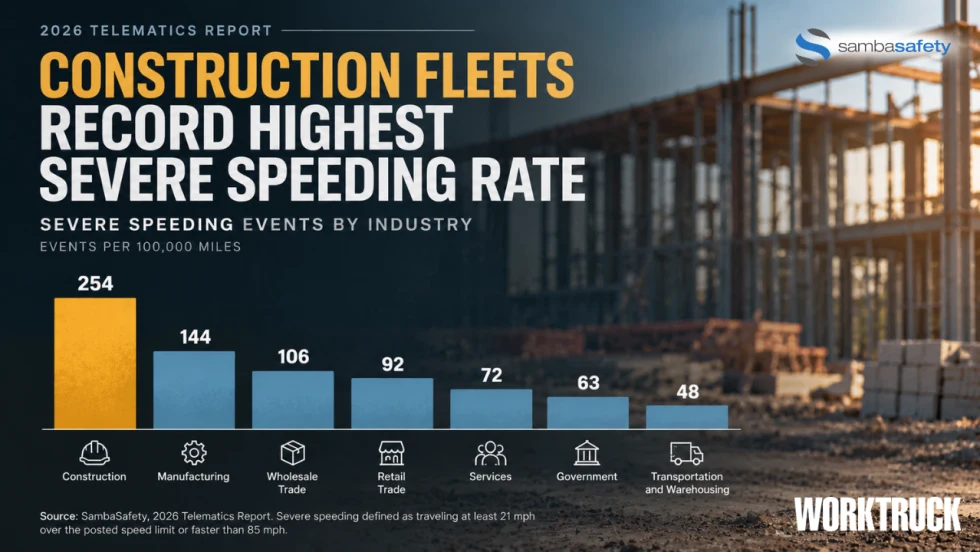
Construction Fleets Show Telematics Adoption Alone May Not Reduce Driving Risk
SambaSafety found construction fleets monitor roughly 92% of their vehicles but recorded the highest severe speeding rate among industries studied.
Read More →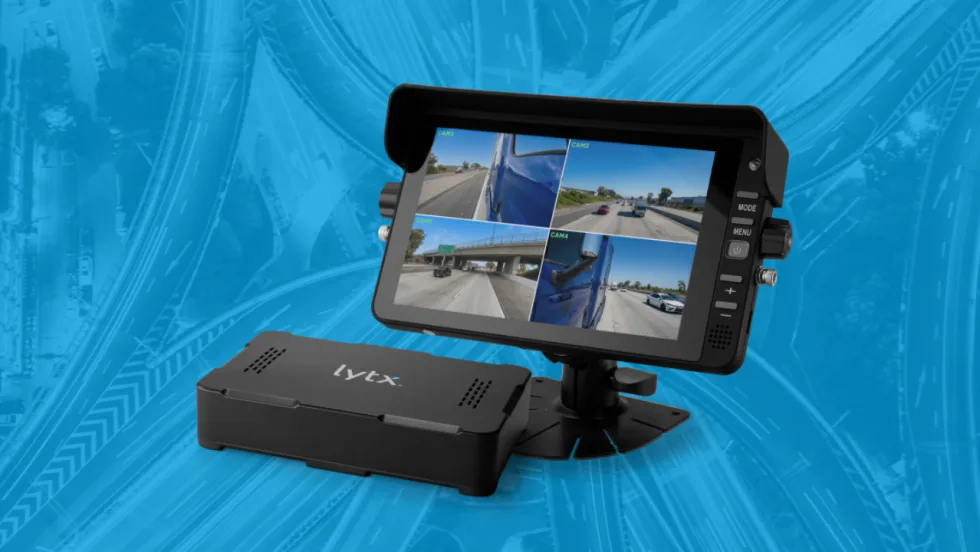
Lytx Launches 360 Hub Kit for Expanded Fleet Camera Visibility
Lytx’s new AI-ready gateway and HD auxiliary camera ecosystem, the Lytx 360 Hub Kit, extends visibility across side, rear, cargo, and blind-zone views to help fleets see more and respond faster.
Read More →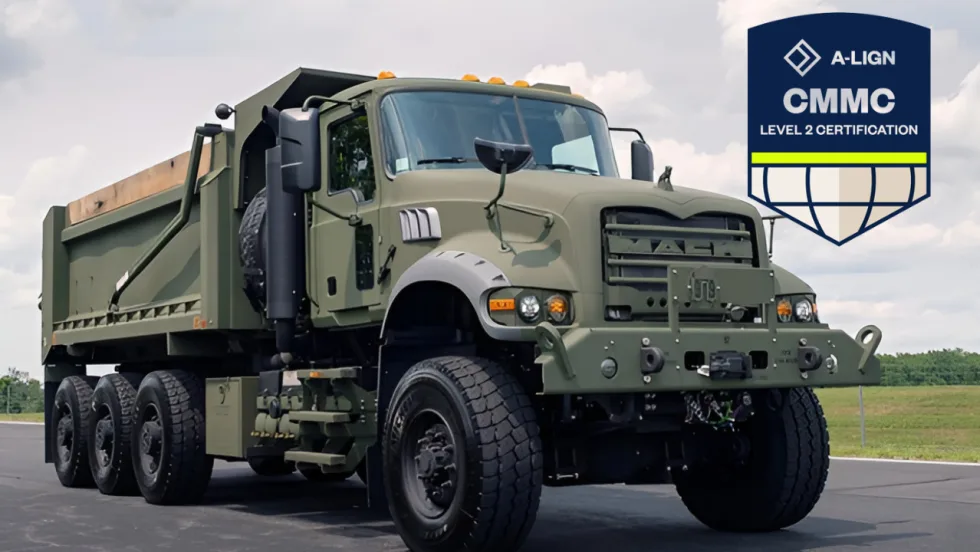
Mack Defense Achieves Cybersecurity Maturity Model Certification Level 2
After an assessment conducted by an authorized Certified Third-Party Assessment Organization (C3PAO), Mack Defense has achieved Cybersecurity Maturity Model Certification (CMMC) Level 2.
Read More →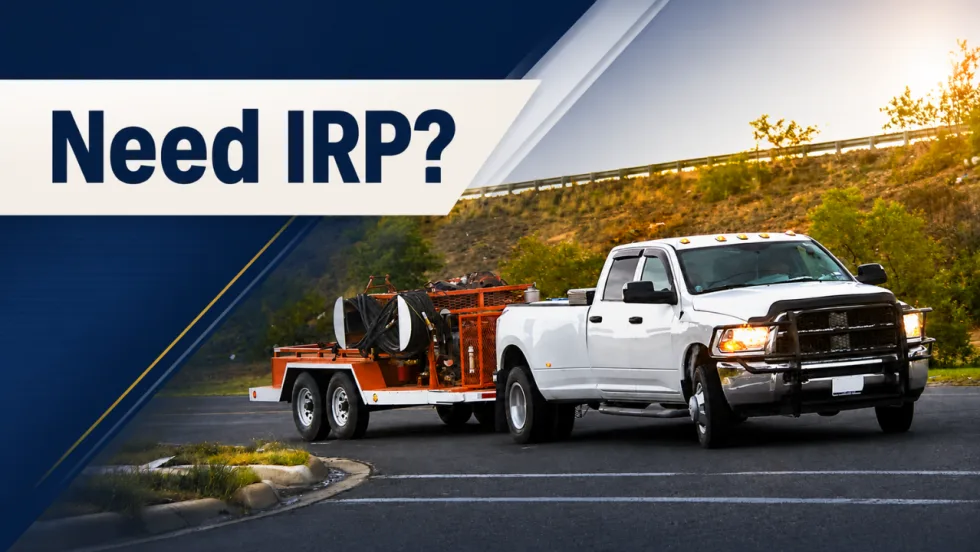
When Work Trucks Under 26,001 Pounds Need IRP Registration
Think trucks under 26,001 pounds are automatically in the clear when it comes to IRP? Not always. Learn where lighter vehicles can still run into trip permit, apportioned registration, and IFTA compliance requirements when crossing state or provincial lines.
Read More →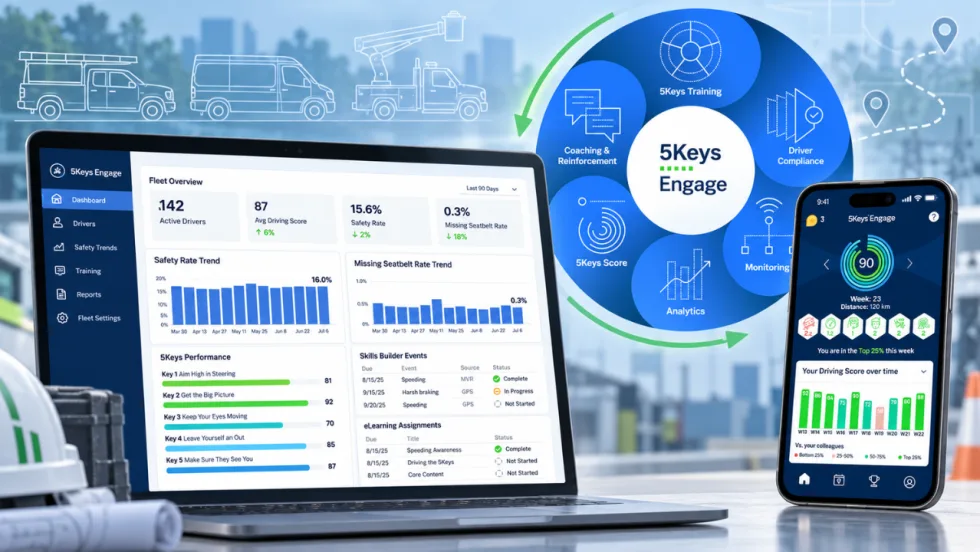
Smith System Wants Work Truck Fleets to Look Beyond the Driver Alert
Smith System’s new Driver Risk Management program is built to help mixed work truck fleets turn telematics alerts and observations into specific behaviors, coaching actions, and measurable follow-up.
Read More →
Volvo Trucks Releases New Safety Recommendations for Traveling with Pets
One of the most important recommendations for professional drivers traveling with pets is to ensure pets are properly restrained while the truck is moving. Other tips are available in the new guide from Volvo Trucks North America and Center for Pet Safety.
Read More →