




Video Tip: Making Safer Turns
The Florida DMV offers advice on how to execute safer right and left turns.
It’s a scenario that often leads to a crash: A preoccupied driver suddenly realizes he or she isn’t in proper position to make a turn and then hastily tries to execute a last-second — and unsafe — maneuver to get in the correct lane for the turn.
Instead of taking such unnecessary risks, the best approach is to continue driving safely and not overreact. Turn at the next intersection and take an alternate route — or simply go around the block to return to the intersection in the proper lane for your turn.
Here are seven tips, provided by the Florida Department of Motor Vehicles, on making safe turns:
Decide early that you’re going to make your turn. Never make a last-second turn. This is a very dangerous move that can easily cause an accident.
Move into the correct lane as you approach the intersection.
Use your turn signal for at least 100 feet before you make your turn. This alerts other drivers that you intend to turn.
Slow down to a speed that’s safe to make your turn.
Before you start your turn, look over your shoulder for pedestrians and bicyclists. Pedestrians and bicyclists always have the right of way and you must yield to them.
If you’re not going a safe speed or aren’t in the proper lane, you should drive to the next intersection to make your turn. And if there are vehicles occupying the turn lane, you shouldn’t block traffic. Continue on to the next intersection.
Finish your turn in the correct lane. A right turn should be made from the right lane into the right lane. A left turn may be completed into any lane lawfully available or safe for the desired direction of travel.
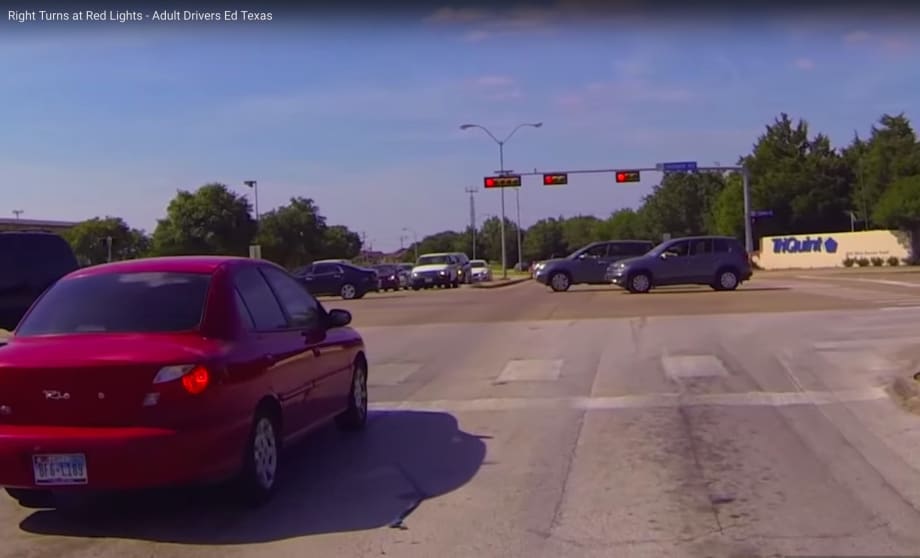
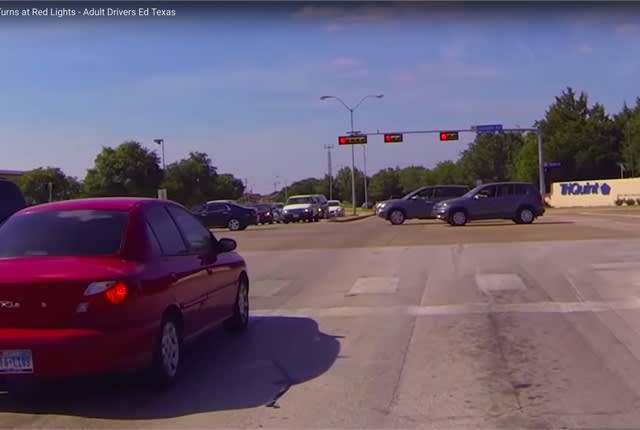
To view a video about turning right safely on a red light, click on the photo or link below the headline.
Originally posted on Automotive Fleet
More Safety
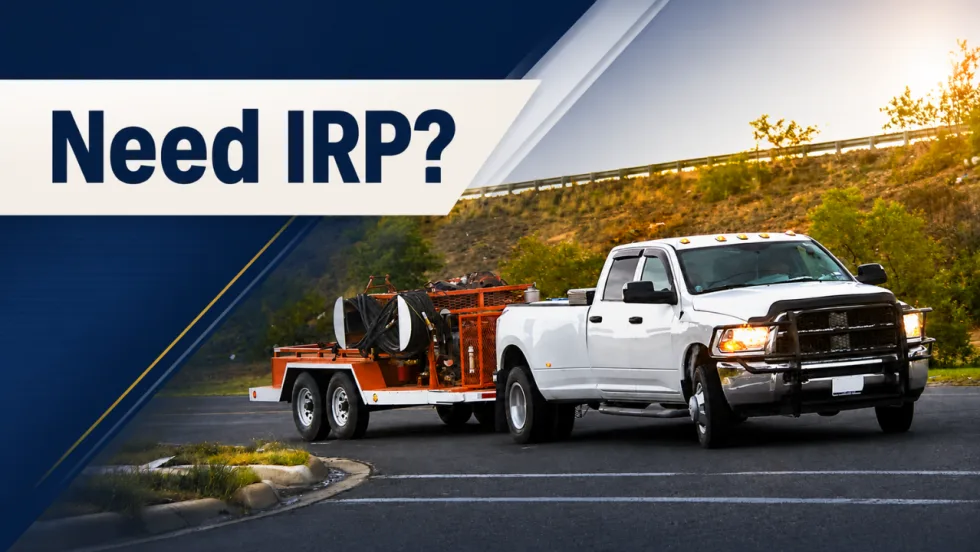
When Work Trucks Under 26,001 Pounds Need IRP Registration
Think trucks under 26,001 pounds are automatically in the clear when it comes to IRP? Not always. Learn where lighter vehicles can still run into trip permit, apportioned registration, and IFTA compliance requirements when crossing state or provincial lines.
Read More →
Volvo Trucks Releases New Safety Recommendations for Traveling with Pets
One of the most important recommendations for professional drivers traveling with pets is to ensure pets are properly restrained while the truck is moving. Other tips are available in the new guide from Volvo Trucks North America and Center for Pet Safety.
Read More →
API Issues Refueling Safety Guidelines
The American Petroleum Institute offers a list of safe vehicle refueling guidelines, including ways to avoid potential problems with static electricity discharges in fall, winter, and early spring.
Read More →
Winter Fleet Prep: Expert Tips to Keep Vehicles Running Smoothly
Cold weather can expose weak batteries, tires, fuel systems, and maintenance gaps fast. Use this winter fleet checklist to prepare trucks and drivers before temperatures drop.
Read More →
When a Work Truck Breaks Down, the Job Can Stop, Too
A work truck breakdown can stop more than the vehicle. Discover how payloads, jobsites, and specialty equipment change the roadside response.
Read More →
What Stronger Long-Term Fleet Service Partnerships Actually Require
Fleet service partnerships rarely fall apart all at once. Learn the three warning signs that trust is eroding and what fleets and providers can do before downtime, frustration, and lost revenue follow.
Read More →
Applause & TRUCE Software Partner to Improve Driver Safety Through AI-Powered Telematics & Employee Performance Management
Applause has integrated TRUCE driving metrics directly into its employee-first performance and safety platform that transforms mobile devices into AI-powered telematics.
Read More →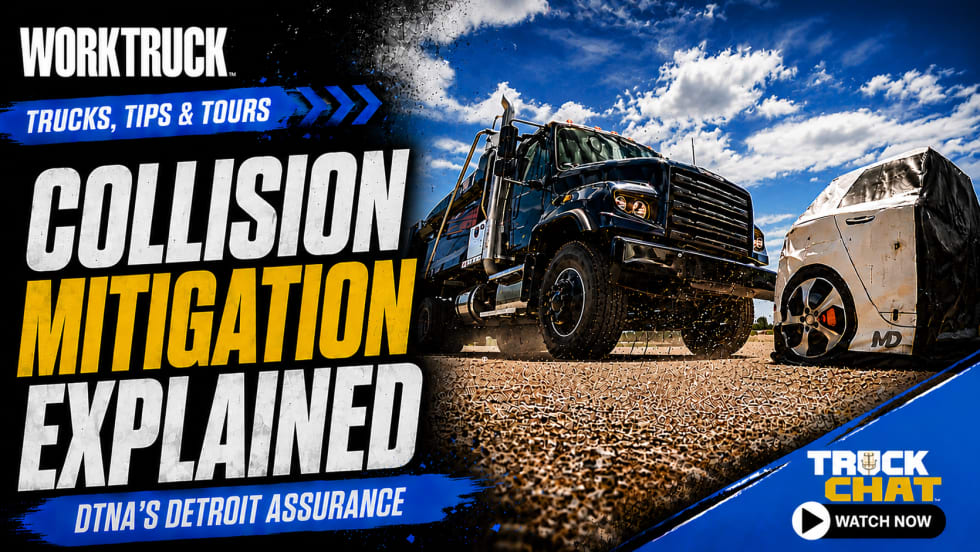
How Detroit Assurance with Active Brake Assist Works
Do you want to see what it is like to experience Detroit Assurance’s Active Brake Assist? In this video, Work Truck will put you in the cab to see how it all works and then hear more details from DTNA’s Mike Young.
Read More →
Get Left of Loss: A 5-Step Workplace Violence Prevention Framework for Fleet Operators
Violence risks do not stop at the driver’s door. Learn five practical steps fleets can take to spot threats early and protect workers before loss occurs.
Read More →
How Better Visibility Cut Speeding Violations by 48%
Fleet leaders don't need more data, they need clearer visibility into what the data is saying. This case study explores how one utility replaced speeding-event counts with a single metric — miles driven in violation — to strengthen safety and significantly reduce speeding violations.
Read More →