




Video Safety Tip: Driving in a Downpour
The California Office of Traffic Safety offers advice on what adjustments drivers need to take during rainy conditions.

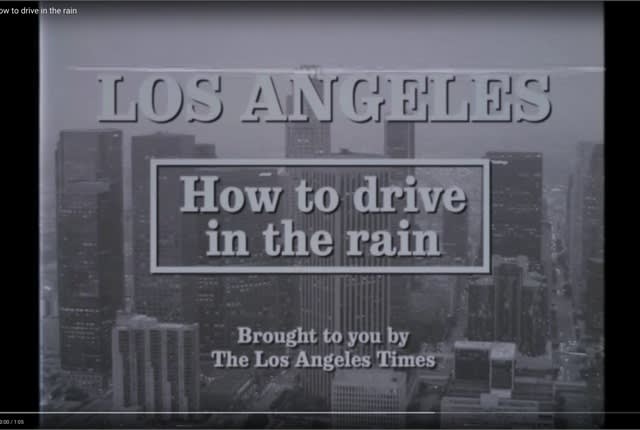
Drivers in drought-plagued California had to deal with heavy rains, flooded roads and even mudslides last week, with downtown Los Angeles recording more than 2.5 inches of rain over a four-day period. Though scattered showers are forecast for California this week, the Pacific Northwest is expected to get the brunt of El Niño-fueled storms. Of course, drivers in that region are much more accustomed to driving in a downpour.
In anticipation of El Niño, The Los Angeles Times produced a video last summer that pokes fun at both California drivers and PSAs — but also shares some practical tips on driving in the rain. To watch the video, click on the photo or link below the headline.
Additionally, here are some common-sense safety tips provided by the California Office of Traffic Safety. You may want to pass these tips along to fleet drivers as a friendly reminder of what adjustments they need to make during rainy conditions.
Before it starts to rain, replace old or brittle wiper blades.
Stay toward the middle lanes – water tends to pool in outside lanes.
Maintain proper following distance (3-second rule). This needs to be increased in wet weather.
Be more alert watching for brake lights in front of you. Avoid using your brakes; if possible, take your foot off the accelerator to slow down.
Turn your headlights on in a light rain and in gloomy, foggy or overcast conditions to help you see the road and help other drivers see you.
Never drive beyond the limits of visibility. The glare of oncoming lights, amplified by the rain on the windshield, can cause temporary loss of visibility while substantially increasing driver fatigue.
Never drive through moving water if you can’t see the ground through it; your vehicle could be swept off the road.
Avoid driving through deep water because it can cause serious damage to a modern vehicle’s electrical system.
When you need to stop or slow, do not brake hard or lock the wheels and risk a skid. Maintain mild pressure on the brake pedal.
Watch out for places where floodwater collects, particularly low-lying roads adjacent to streams as well as dips under rail or highway bridges.
Never use cruise control on wet roads or icy road conditions. Cruise control can cause skidding and loss of tire traction on wet or icy roads.
Don’t drive with your windows frosted or fogged up. Wait until they clear before leaving home. A quick way to de-fog your windows is to open a window to let cool air in.
“Hydroplaning” happens when heavy rain and fast speeds lead to your vehicle riding on top of a thin layer of water, a dangerous situation that can lead to uncontrolled skidding or drifting out of the lane. If you find yourself hydroplaning or skidding:
-- Do not brake or turn suddenly. Ease your foot off the gas until the vehicle slows and you can feel traction on the road again.
-- Turn your steering wheel in the direction of the skid. As you recover control, gently straighten the wheels.
-- If you need to brake, do it gently with light pumping action. If your vehicle has anti-lock brakes, then brake normally because the vehicle’s computer will mimic a pumping action.
Originally posted on Automotive Fleet
More Safety & Compliance
When Work Trucks Under 26,001 Pounds Need IRP Registration
Think trucks under 26,001 pounds are automatically in the clear when it comes to IRP? Not always. Learn where lighter vehicles can still run into trip permit, apportioned registration, and IFTA compliance requirements when crossing state or provincial lines.
Read More →
Volvo Trucks Releases New Safety Recommendations for Traveling with Pets
One of the most important recommendations for professional drivers traveling with pets is to ensure pets are properly restrained while the truck is moving. Other tips are available in the new guide from Volvo Trucks North America and Center for Pet Safety.
Read More →
API Issues Refueling Safety Guidelines
The American Petroleum Institute offers a list of safe vehicle refueling guidelines, including ways to avoid potential problems with static electricity discharges in fall, winter, and early spring.
Read More →


Winter Fleet Prep: Expert Tips to Keep Vehicles Running Smoothly
Cold weather can expose weak batteries, tires, fuel systems, and maintenance gaps fast. Use this winter fleet checklist to prepare trucks and drivers before temperatures drop.
Read More →
When a Work Truck Breaks Down, the Job Can Stop, Too
A work truck breakdown can stop more than the vehicle. Discover how payloads, jobsites, and specialty equipment change the roadside response.
Read More →
What Stronger Long-Term Fleet Service Partnerships Actually Require
Fleet service partnerships rarely fall apart all at once. Learn the three warning signs that trust is eroding and what fleets and providers can do before downtime, frustration, and lost revenue follow.
Read More →
Applause & TRUCE Software Partner to Improve Driver Safety Through AI-Powered Telematics & Employee Performance Management
Applause has integrated TRUCE driving metrics directly into its employee-first performance and safety platform that transforms mobile devices into AI-powered telematics.
Read More →
How Detroit Assurance with Active Brake Assist Works
Do you want to see what it is like to experience Detroit Assurance’s Active Brake Assist? In this video, Work Truck will put you in the cab to see how it all works and then hear more details from DTNA’s Mike Young.
Read More →
Get Left of Loss: A 5-Step Workplace Violence Prevention Framework for Fleet Operators
Violence risks do not stop at the driver’s door. Learn five practical steps fleets can take to spot threats early and protect workers before loss occurs.
Read More →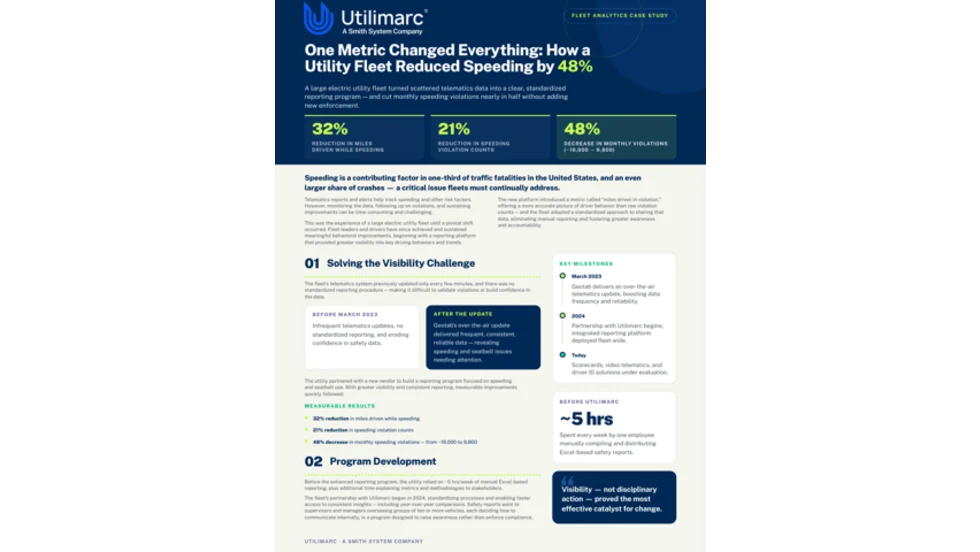
How Better Visibility Cut Speeding Violations by 48%
Fleet leaders don't need more data, they need clearer visibility into what the data is saying. This case study explores how one utility replaced speeding-event counts with a single metric — miles driven in violation — to strengthen safety and significantly reduce speeding violations.
Read More →