




Video: How Drivers Can Deal with Physical Issues
Leg cramps, back pain, and muscle spasms can strike at any time, including when a driver is behind the wheel. When it happens on the road, certain physical issues can be downright dangerous.

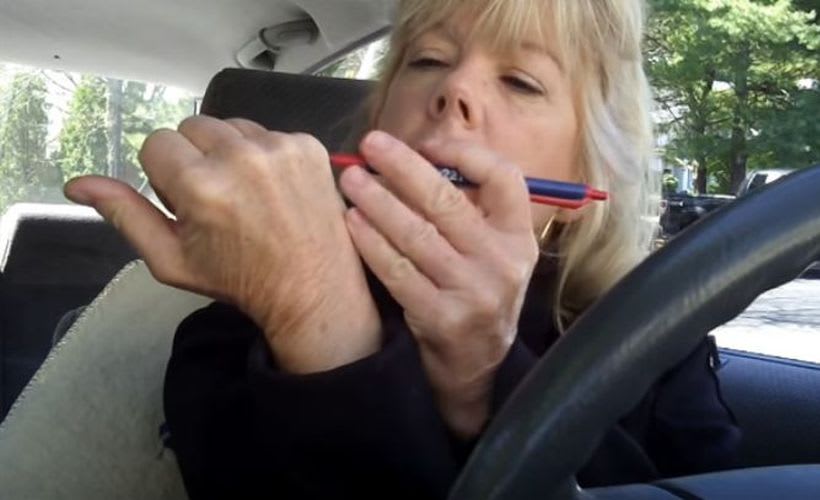
Leg cramps, back pain, and muscle spasms can strike at any time, including when a driver is behind the wheel.
Screenshot via Patricia Gilmore/YouTube.
Leg cramps, back pain, and muscle spasms can strike at any time, including when a driver is behind the wheel. When it happens on the road, certain physical issues can be downright dangerous.
For example, leg cramps can cause a driver to experience temporary paralysis — making it very difficult to brake or accelerate. And muscle spasms — particularly the kind that feel like a stabbing pain in the chest — can be so scary when they occur while driving that the incident could cause a driver to lose control of the vehicle.
Commercial drivers should be reminded about ways to avoid physical issue as well as what to do if they experience a sudden physical problem while driving. A wide range of experts — fitness professionals, physical therapists, chiropractors, and others — have contributed to the following suggestions:
Limit Leg Cramps
Leg cramps are likely to occur when you are sitting too long or driving long distances. The right leg, in particular, is vulnerable because it is in constant use and engaging in a repetitive motion — lifting up and down to hit the gas, then the brake. This can cause a good deal of tension throughout the thigh muscle.
In order to ward off the problem, while off duty, drivers can use a massage tool such as a massage bar to deeply massage the thigh muscles, especially in the right leg, according to a fitness expert from Upright Health. In addition, drivers should always drink plenty of water as dehydration can also cause leg cramps.
Once on the road, experts suggest drivers stop every 30 minutes and do some leg stretches. Step out of the vehicle, put your foot up on the car seat and stretch out the hamstrings. You should hold a stretch for at least one minute. Rub the thighs to get the blood flowing. Take a quick walk around the rest area.
Consider Vehicle Ergonomics
Physical issues can be avoided or at least limited by good ergonomic practices. Experts offer these tips:
Sit upright
Slide all the way to the back of your car seat in order to ensure the best lumbar support. Your whole body should be as far back against the seat as possible. Drivers may also want to use additional support by placing a lumbar back roll behind them in the seat.
Legs at a 90-degree angle
Make sure your driver’s seat is moved relatively close to the steering wheel. Physical therapist Todd Wellman says the goal is to keep your legs at a 90-degree angle rather than stretched out, which puts pressure on the lower back. However, be sure that your seat is not too close to the airbag as that can pose another kind of safety hazard.
Adjust the headrest
The best support for your neck comes from the proper usage of the headrest, according to chiropractor Dr. William Holdsworth from Pain Relief Chiropractic. Make sure there is about one inch of headrest above your head — this ensures that if you have a collision or get jolted around, you are less likely to experience whiplash. Experts also note that if you know you are about to get hit from the rear, the best position for limiting injury is to lean all the way back into your chair and headrest.
Buckle up the right way
Seatbelts can save lives, but they can also save you neck pain — as long as you wear them correctly. Make sure the seatbelt is sitting right over your shoulder — not too low, but also not so high that it is cutting into your neck and causing potential neck strain.
How to Relieve a Muscle Spasm
Perhaps one of the most frightening physical incidents that can occur while driving is a sudden stabbing chest pain. Very often, it is actually just a muscle spasm in the shoulder blade — but you feel it in your chest. It can occur when you twist or turn too quickly — perhaps when you are checking your blind spot, for example. So what can a driver do if this event happens while he is operating the vehicle?
One expert suggests relieving the pain by pressing on an acupuncture point. Specifically, if you make a fist, the point is on located on the side of the hand near the pinky knuckle. A driver can simply make the fist and press that point against the steering wheel and the stabbing chest pain — if it is due to a muscle spasm in the shoulder blade — will instantly ease up.
Watch this video to learn more about releasing a muscle spasm while behind the wheel.
Originally posted on Automotive Fleet
More Safety
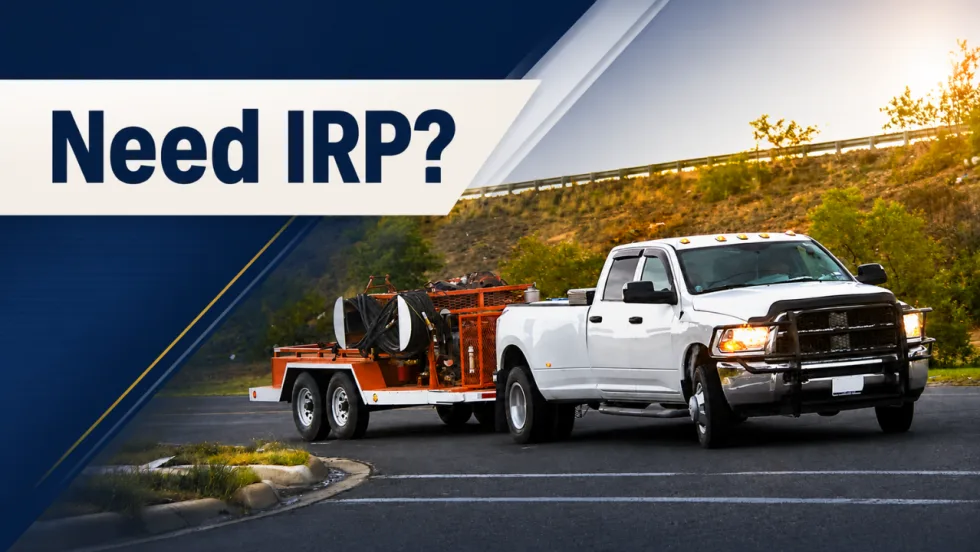
When Work Trucks Under 26,001 Pounds Need IRP Registration
Think trucks under 26,001 pounds are automatically in the clear when it comes to IRP? Not always. Learn where lighter vehicles can still run into trip permit, apportioned registration, and IFTA compliance requirements when crossing state or provincial lines.
Read More →
Volvo Trucks Releases New Safety Recommendations for Traveling with Pets
One of the most important recommendations for professional drivers traveling with pets is to ensure pets are properly restrained while the truck is moving. Other tips are available in the new guide from Volvo Trucks North America and Center for Pet Safety.
Read More →
API Issues Refueling Safety Guidelines
The American Petroleum Institute offers a list of safe vehicle refueling guidelines, including ways to avoid potential problems with static electricity discharges in fall, winter, and early spring.
Read More →
Winter Fleet Prep: Expert Tips to Keep Vehicles Running Smoothly
Cold weather can expose weak batteries, tires, fuel systems, and maintenance gaps fast. Use this winter fleet checklist to prepare trucks and drivers before temperatures drop.
Read More →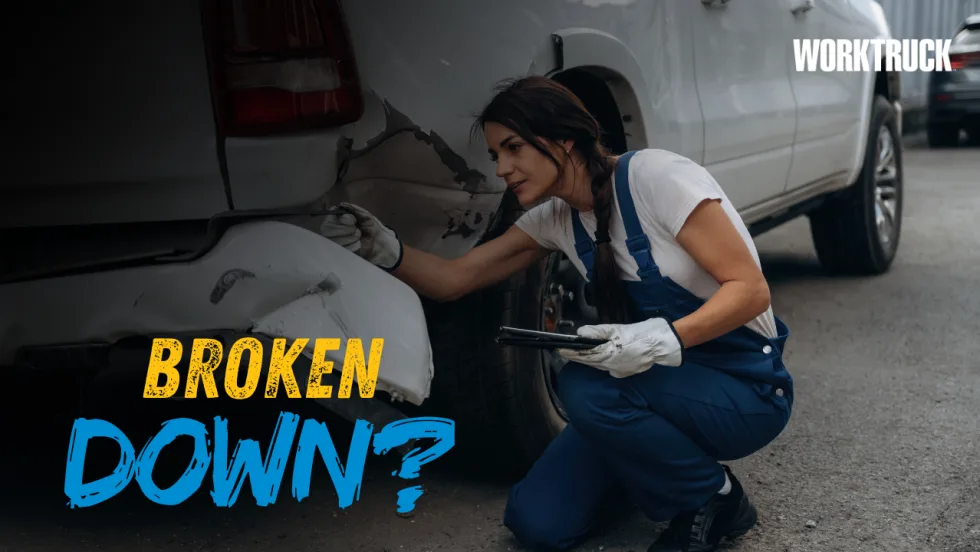
When a Work Truck Breaks Down, the Job Can Stop, Too
A work truck breakdown can stop more than the vehicle. Discover how payloads, jobsites, and specialty equipment change the roadside response.
Read More →
What Stronger Long-Term Fleet Service Partnerships Actually Require
Fleet service partnerships rarely fall apart all at once. Learn the three warning signs that trust is eroding and what fleets and providers can do before downtime, frustration, and lost revenue follow.
Read More →
Applause & TRUCE Software Partner to Improve Driver Safety Through AI-Powered Telematics & Employee Performance Management
Applause has integrated TRUCE driving metrics directly into its employee-first performance and safety platform that transforms mobile devices into AI-powered telematics.
Read More →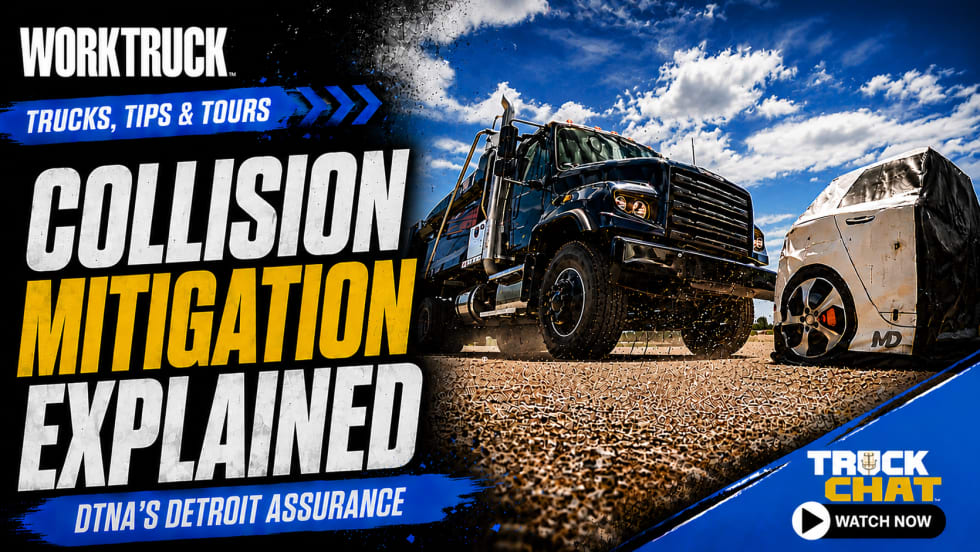
How Detroit Assurance with Active Brake Assist Works
Do you want to see what it is like to experience Detroit Assurance’s Active Brake Assist? In this video, Work Truck will put you in the cab to see how it all works and then hear more details from DTNA’s Mike Young.
Read More →
Get Left of Loss: A 5-Step Workplace Violence Prevention Framework for Fleet Operators
Violence risks do not stop at the driver’s door. Learn five practical steps fleets can take to spot threats early and protect workers before loss occurs.
Read More →
How Better Visibility Cut Speeding Violations by 48%
Fleet leaders don't need more data, they need clearer visibility into what the data is saying. This case study explores how one utility replaced speeding-event counts with a single metric — miles driven in violation — to strengthen safety and significantly reduce speeding violations.
Read More →