




U.S. Gain Brings RNG Development Online
U.S. Gain announced a new renewable natural gas (RNG) development project located in Springfield, Neb., producing clean fuel for the transportation industry, as well as a RNG supply contract for Southern California Gas Company’s (SoCalGas) natural gas fueling station network.

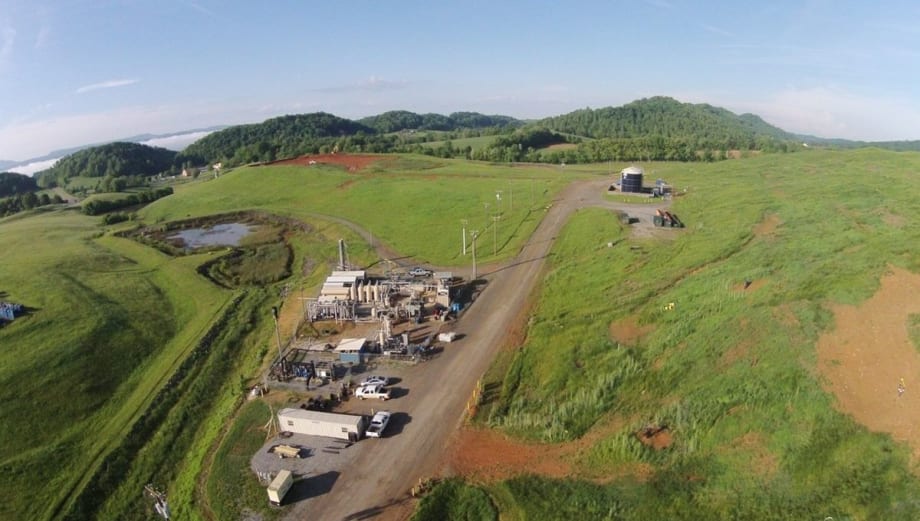
U.S. Gain's RNG development in Nebraska will provide clean fuel for the transportation industry and RNG supply for SoCalGas.
Photo courtesy of U.S. Gain
U.S. Gain announced a new renewable natural gas (RNG) development project located in Springfield, Neb. The facility is producing clean fuel for the transportation industry, as well as a RNG supply contract for Southern California Gas Company’s (SoCalGas) natural gas fueling station network. Both projects will be impactful in the development and supply of RNG across the country.
As a vertically-integrated RNG provider, U.S. Gain is diligently working with producers and developers on a multitude of landfill, agricultural, and wastewater treatment RNG development projects – converting their waste to clean fuel.
One of the most recent projects that U.S. Gain was involved in is the Sarpy County Landfill located in Springfield, Neb. This landfill will produce enough RNG to fuel 117 Class 8 trucks daily, according to the company, or the equivalent of displacing more than 2.3 million gallons of diesel.
“We’re honored to have worked with a team of experienced professionals on development of the Sarpy County Landfill,” said U.S. Gain President Mike Koel. “These projects often take longer to develop than expected, but are completely worth all the effort when the final certification approval is received. The transportation industry needs clean fuel, and we’re committed to meeting the growing demand of RNG. We currently have 20 RNG development projects in process.”
RNG is methane captured from landfill, wastewater treatment plant, and agricultural waste cleaned and conditioned to meet natural gas pipeline quality standards. Once the gas is certified for use, it can be dispensed through natural gas fueling stations as a drop-in fuel, with no changes to fueling equipment or vehicles.
According to U.S. Gain, California is vocal about its plans to address the state’s air quality problem. With looming air quality deadlines, key stakeholders across industry sectors have been collaborating to create feasible options that will reduce their environmental footprint and remain compliant with goals put forth by California lawmakers.
SoCalGas made national headlines recently by pledging to be the cleanest natural gas utility in North America. A household name in California, SoCalGas plans to deploy a variety of tactics to achieve their vision, one of which is to replace compressed natural gas (CNG) with RNG across their fueling station network. RNG offered at these stations is expected to reduce greenhouse gas (GHG) emissions by more than 21,000 metric tons annually—the equivalent of taking 4,500 passenger cars off the road.
“SoCalGas is excited to offer RNG at many of our natural gas vehicle fueling stations from U.S. Gain,” said Jawaad Malik, vice president of Gas Acquisitions. “RNG is an important tool in helping reduce greenhouse gas emissions, that is why SoCalGas has committed to having 20% RNG in our system by 2030.”
More Green Fleet

Fleet Forward Conference Introduces One-Day Passes for 2026
New one-day registration gives fleet professionals the flexibility to attend Tuesday, Wednesday, or Thursday, with passes available for $199 through Sept. 18.
Read More →
CALSTART Rebrands as Catalyst Mobility, Will Combine with Forth in 2027
CALSTART has rebranded as Catalyst Mobility and will combine with Forth at the start of 2027. The new organization said it is poised to become one of the world's largest, strongest, and most impactful clean transportation nonprofits.
Read More →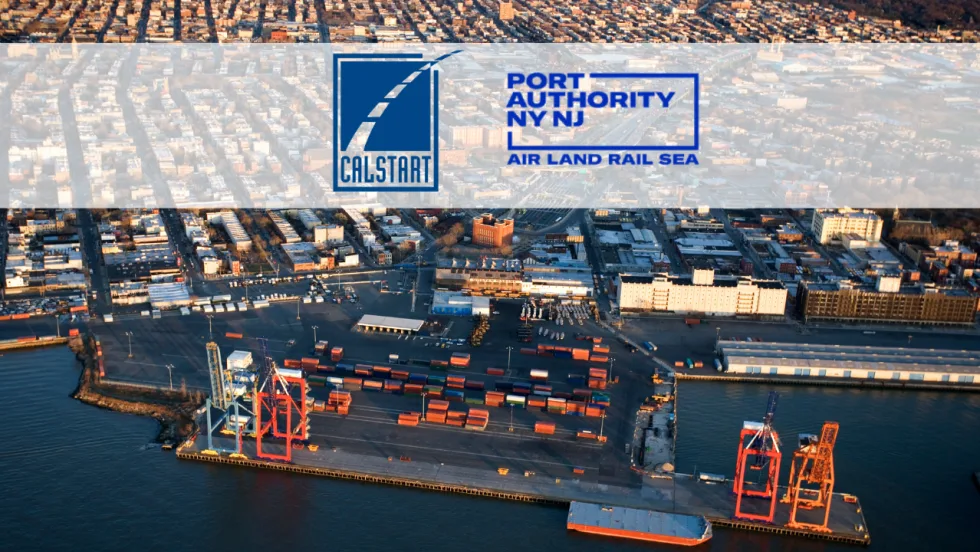
Electric Truck and Charging Programs to Boost Sustainability at NY & NJ Ports
Together, the Port Authority of New York and New Jersey and CALSTART will electrify drayage and terminal operations serving the East Coast’s busiest container port. A pair of incentive programs totaling $45 million has launched to accelerate adoption of zero-emission drayage trucks and terminal tractors.
Read More →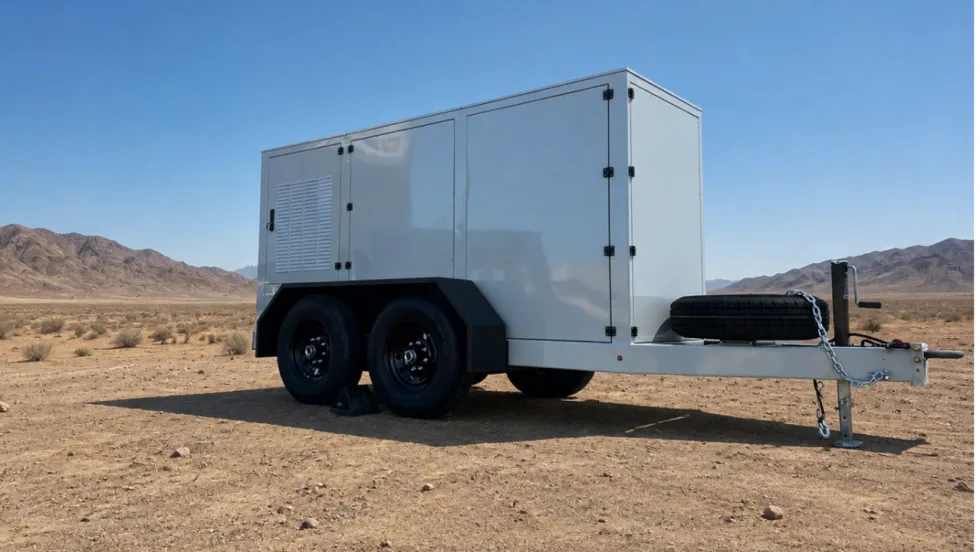
Xos Hub Surpasses One Gigawatt-Hour of Energy Delivered in the Field
A single Xos Hub has surpassed one gigawatt-hour of energy across more than 33,600 charging sessions in the field, demonstrating performance that supports Xos' expansion across new products and markets.
Read More →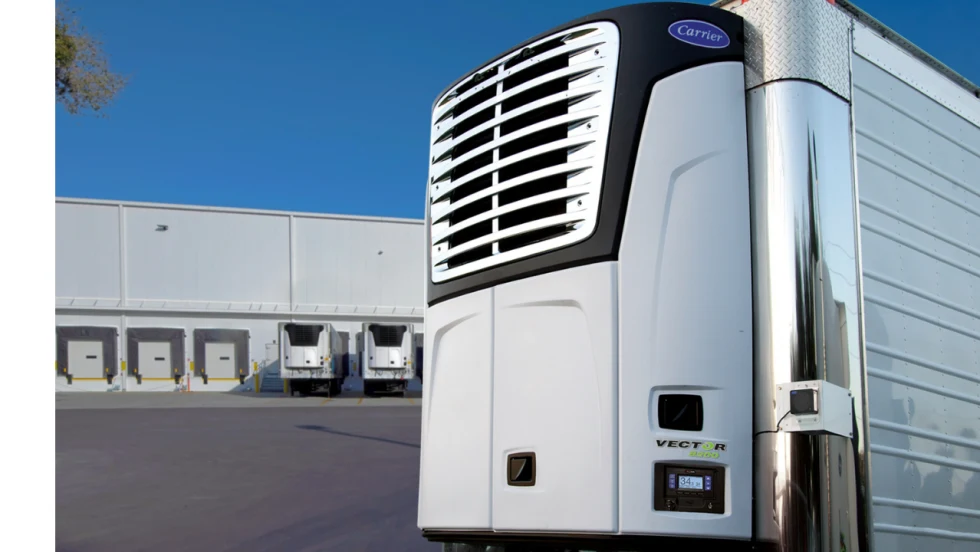
Carrier Transicold Launches All-Electric Vector 8200 TRU for Diesel-Free On-Site Cold Storage
Carrier Transicold’s first engineless multi-temperature TRU helps fresh- and frozen-food fleets add supplemental cold storage capacity during seasonal peaks.
Read More →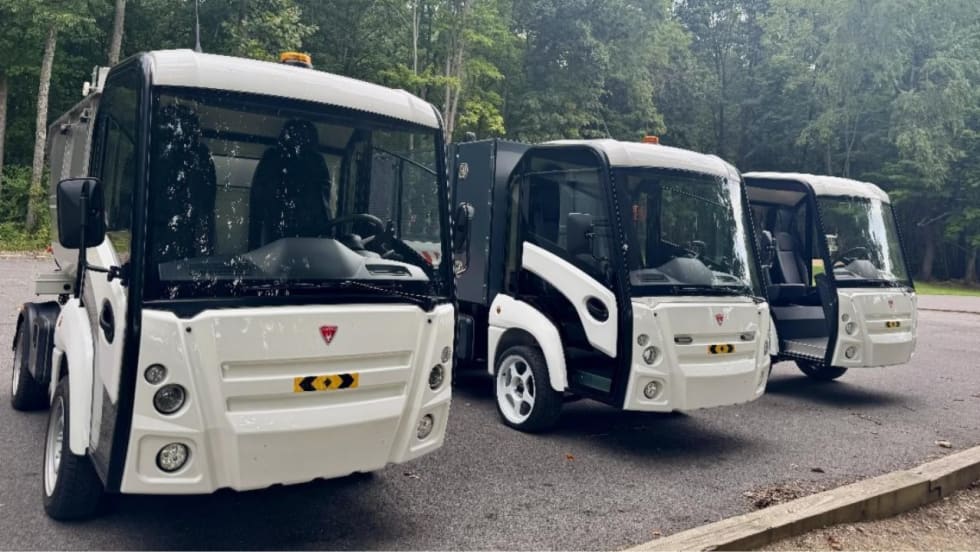
Narro Trucks Introduces Electric Utility Vehicle
Narro Trucks officially launched its operations on Aug. 20 and hosted a ride and drive to showcase its electric truck, which will be produced in Virginia.
Read More →
Samsung SDI Takes Full Control of GM Battery JV as Indiana Plant Pivots to Energy Storage
Samsung SDI is taking full control of its Indiana battery plant with GM, marking a major shift from the EV-focused joint venture Charged Fleet first covered in 2023.
Read More →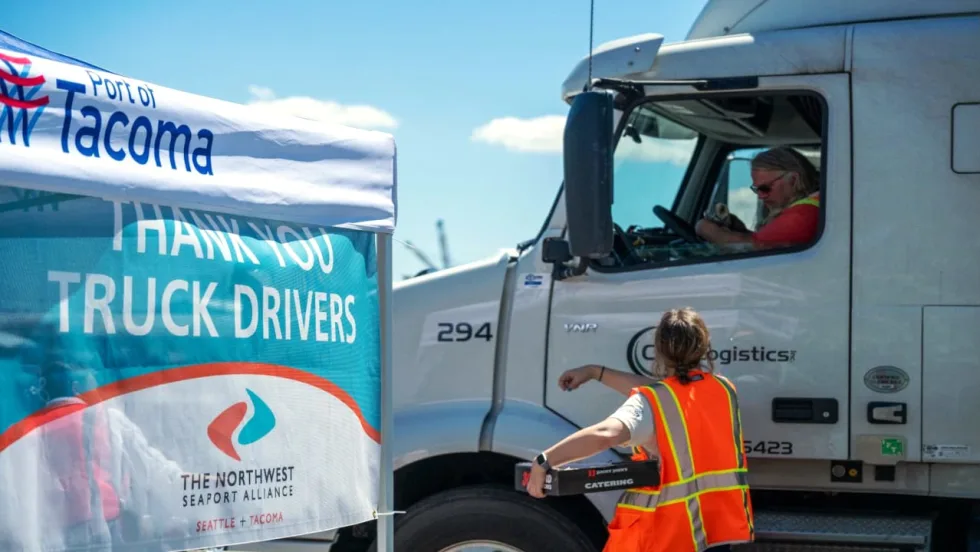
NWSA Taps CALSTART to Administer Zero-Emission Drayage Assistance Program
CALSTART will provide free technical assistance services to drayage fleets serving the Ports of Seattle and Tacoma and looking to transition to cleaner technologies and help decarbonize freight hubs.
Read More →
EV Fleet Reality Check: What Operators Wish They Knew Before Electrifying Their Work Vans
Electric work truck upfits bring new compatibility questions. Learn how parts availability, OEM guidance, power demands, and route planning can affect fleet performance.
Read More →
Peterbilt Expands Sourcewell Partnership with Electric Vehicle Lineup
Peterbilt Motors Company’s cooperative purchasing agreement with Sourcewell and its Canadian partner, Canoe Procurement Group, now includes including Peterbilt's battery-electric vehicle lineup.
Read More →