





5 Things to Know When Selecting Charging Solutions for Work Truck Fleets
U.S. DOT Issues Revised NEVI Guidance to Speed EV Charger Deployment
Updated NEVI guidance streamlines EV charger funding, giving states more flexibility to expand charging access for light-, medium-, and heavy-duty fleets.
August 12, 2025
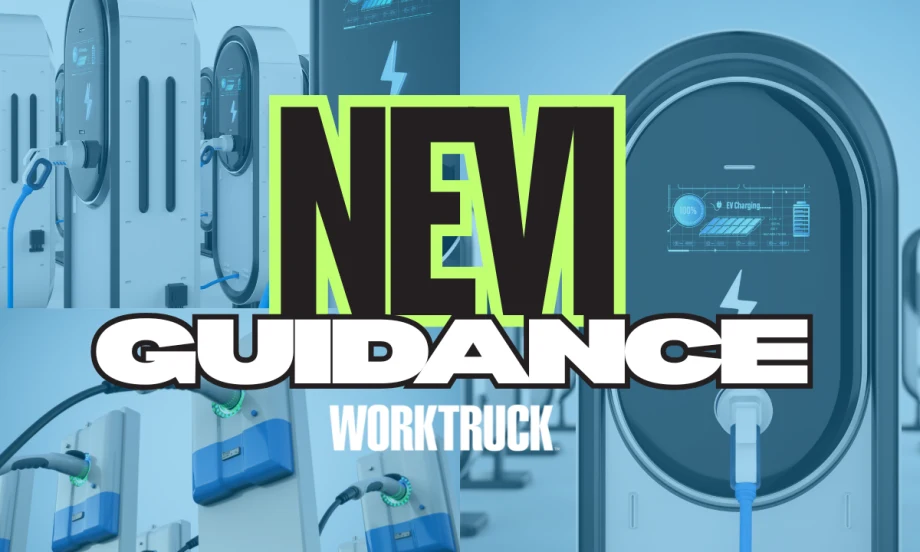
Electric vehicle chargers ready for use, representing new NEVI guidance aimed at speeding charger deployment and expanding access for fleet operations.
Photo: Work Truck
3 min to read
The U.S. Department of Transportation (DOT) has released updated guidance for the National Electric Vehicle Infrastructure (NEVI) Formula Program, aimed at streamlining the process for states to deploy EV charging stations.
The changes are intended to accelerate charger construction, simplify how states access and use federal funds, and expand flexibility in siting and planning. Work Truck dug into the items that matter the most for work truck fleets.
NEVI Formula Program Funding and Cost Share Details
The NEVI program provides significant federal investment to expand EV charging infrastructure nationwide, with clear cost-sharing rules for states and private partners.
The NEVI Formula Program, created under the Infrastructure Investment and Jobs Act (IIJA), provides $5 billion in total funding from fiscal years 2022–2026 to build an interconnected EV charging network.
The federal share for projects is 80%, with the remaining 20% from state or private sources. In-kind contributions can count toward the match.
Funds cannot be transferred to other highway programs and are available until expended.
States may contract with private entities for acquisition, installation, operation, and maintenance of EV chargers; ownership does not have to revert to the state.
Focus on Alternative Fuel Corridors and Expanded EV Charging Access
The updated guidance allows states more flexibility in station placement and opens funding to more locations once key corridors are complete.
Funding initially supports chargers along designated Alternative Fuel Corridors (AFCs).
Once AFCs are certified as “fully built out” by the Federal Highway Administration (FHWA), funds may be used for EV charging infrastructure on any public road or other publicly accessible locations.
States have flexibility to determine charger spacing along corridors based on grid capacity, geography, cost, and other local factors.
States are encouraged to co-locate chargers at retail or service locations with amenities such as restrooms and safe parking.
Eligible EV Charger Projects Under the NEVI Program
NEVI funds can be used for a range of infrastructure projects, from new charger installations to planning and analysis activities.
Acquisition and installation of new chargers for light-, medium-, and heavy-duty vehicles.
Upgrades to existing chargers to meet NEVI standards.
On-site distributed energy resources, such as stationary batteries, that directly support charging.
Operating and maintenance assistance for up to five years for chargers funded through NEVI.
Acquisition or installation of traffic control devices and on-site signage directing drivers to charging locations.
Development-phase activities include planning, permitting, environmental review, feasibility studies, and revenue forecasting.
Mapping and analysis to forecast EV adoption, charging demand, and infrastructure needs.
State EV Infrastructure Plan Requirements and Deadlines
States must meet streamlined planning requirements, focusing only on core statutory and regulatory items.
States must submit updated EV Infrastructure Deployment Plans within 30 days of the guidance release.
Plans are now streamlined to include only:
How funds will be used for each fiscal year (including unobligated funds from FY2022–2026),
A Community Engagement Outcomes Report (per regulation), and
A physical and cybersecurity strategy.
NEVI Minimum Standards and Data Reporting Requirements
All NEVI-funded projects must meet established federal standards and provide consistent performance reporting.
All NEVI-funded projects must meet the minimum standards in 23 CFR part 680.
States must report performance data through the EV-ChART online portal, a standardized platform for data collection and analytics.
Impact of NEVI Updates on Work Truck Fleet Electrification
These updates could lead to a faster buildout of charging stations in more locations, offering additional options for fleets considering electrification.
The inclusion of medium- and heavy-duty vehicle charging in eligible uses, flexibility in site selection, and potential expansion beyond major corridors may improve route planning and operational efficiency for vocational and regional truck fleets.
More Green Fleet

Fleet Forward Conference Introduces One-Day Passes for 2026
New one-day registration gives fleet professionals the flexibility to attend Tuesday, Wednesday, or Thursday, with passes available for $199 through Sept. 18.
Read More →
CALSTART Rebrands as Catalyst Mobility, Will Combine with Forth in 2027
CALSTART has rebranded as Catalyst Mobility and will combine with Forth at the start of 2027. The new organization said it is poised to become one of the world's largest, strongest, and most impactful clean transportation nonprofits.
Read More →
Electric Truck and Charging Programs to Boost Sustainability at NY & NJ Ports
Together, the Port Authority of New York and New Jersey and CALSTART will electrify drayage and terminal operations serving the East Coast’s busiest container port. A pair of incentive programs totaling $45 million has launched to accelerate adoption of zero-emission drayage trucks and terminal tractors.
Read More →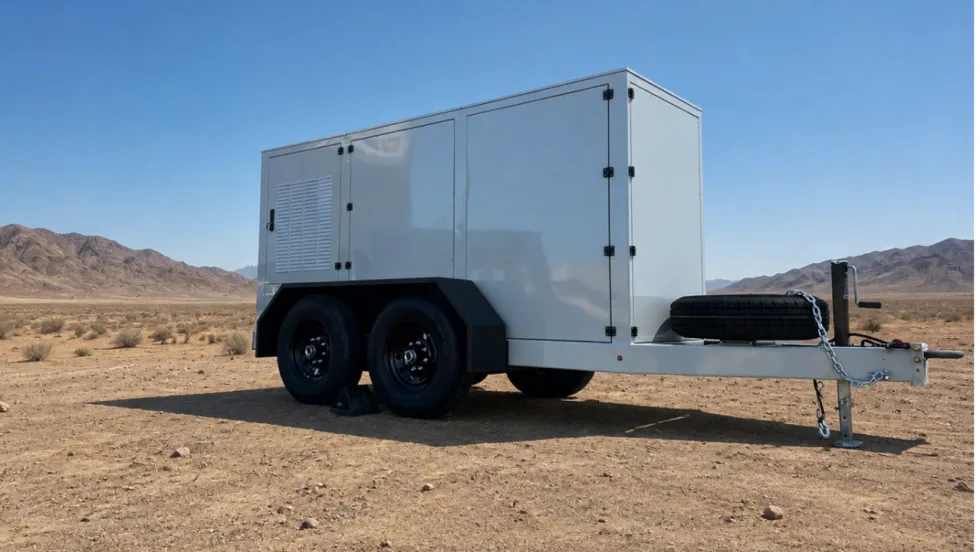
Xos Hub Surpasses One Gigawatt-Hour of Energy Delivered in the Field
A single Xos Hub has surpassed one gigawatt-hour of energy across more than 33,600 charging sessions in the field, demonstrating performance that supports Xos' expansion across new products and markets.
Read More →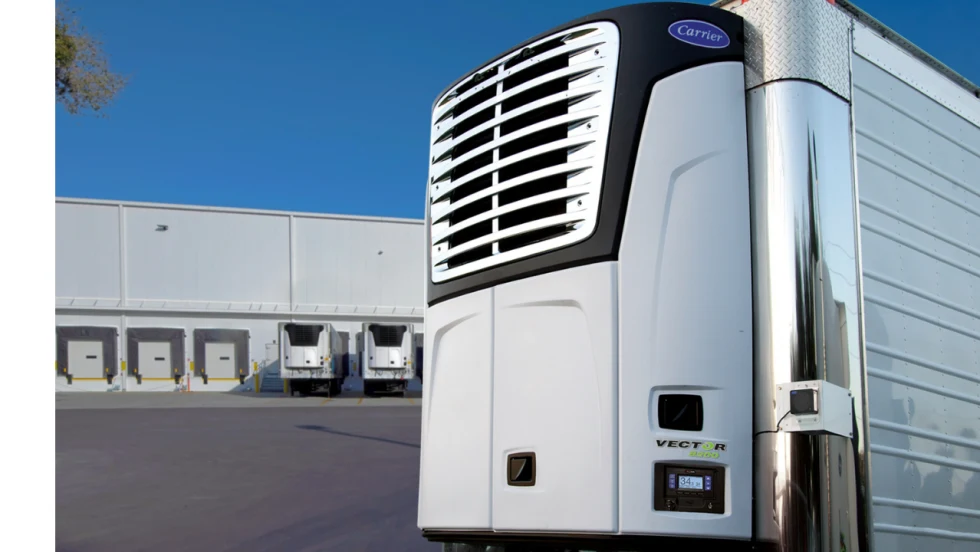
Carrier Transicold Launches All-Electric Vector 8200 TRU for Diesel-Free On-Site Cold Storage
Carrier Transicold’s first engineless multi-temperature TRU helps fresh- and frozen-food fleets add supplemental cold storage capacity during seasonal peaks.
Read More →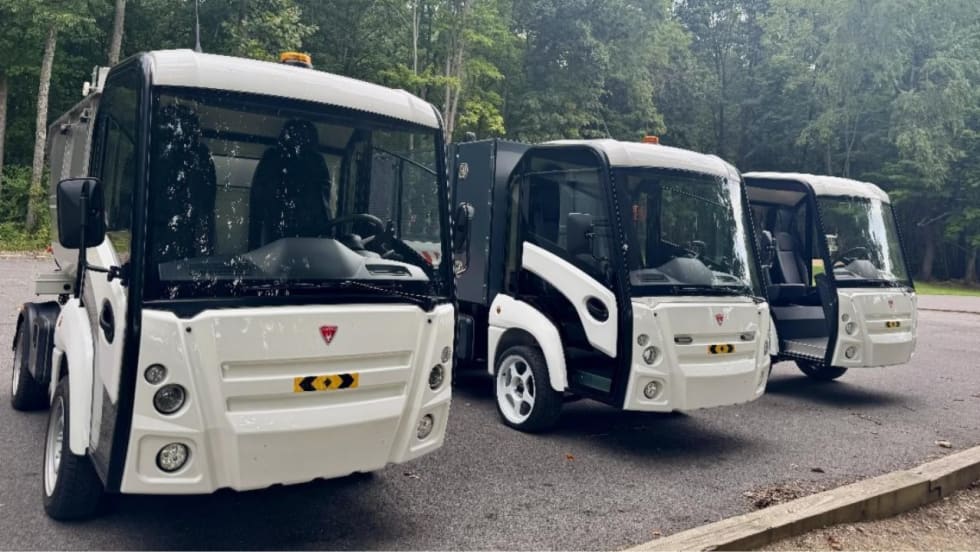
Narro Trucks Introduces Electric Utility Vehicle
Narro Trucks officially launched its operations on Aug. 20 and hosted a ride and drive to showcase its electric truck, which will be produced in Virginia.
Read More →
Samsung SDI Takes Full Control of GM Battery JV as Indiana Plant Pivots to Energy Storage
Samsung SDI is taking full control of its Indiana battery plant with GM, marking a major shift from the EV-focused joint venture Charged Fleet first covered in 2023.
Read More →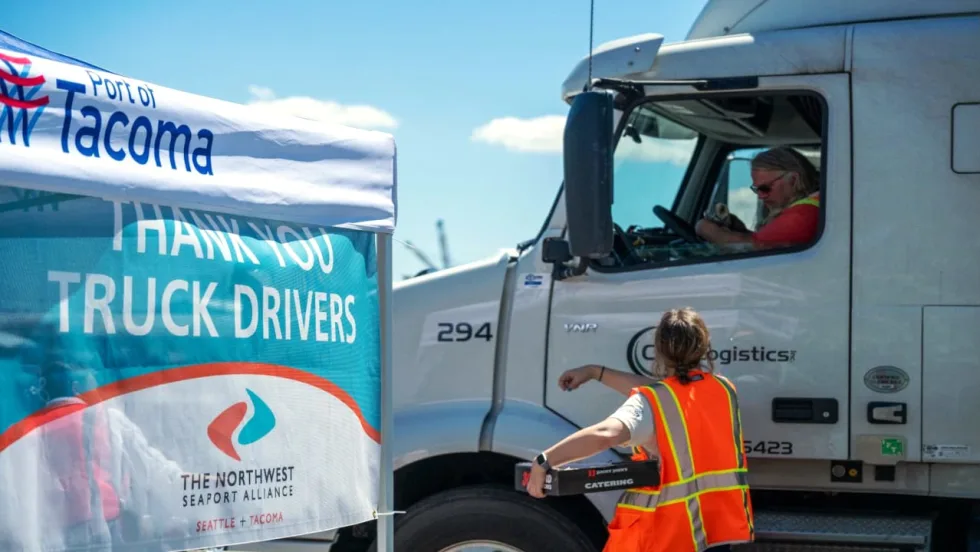
NWSA Taps CALSTART to Administer Zero-Emission Drayage Assistance Program
CALSTART will provide free technical assistance services to drayage fleets serving the Ports of Seattle and Tacoma and looking to transition to cleaner technologies and help decarbonize freight hubs.
Read More →
EV Fleet Reality Check: What Operators Wish They Knew Before Electrifying Their Work Vans
Electric work truck upfits bring new compatibility questions. Learn how parts availability, OEM guidance, power demands, and route planning can affect fleet performance.
Read More →
Peterbilt Expands Sourcewell Partnership with Electric Vehicle Lineup
Peterbilt Motors Company’s cooperative purchasing agreement with Sourcewell and its Canadian partner, Canoe Procurement Group, now includes including Peterbilt's battery-electric vehicle lineup.
Read More →