




UPS Unveiling of New Denver CNG Vehicle Fleet Postponed
DENVER – "Inclement weather" has postponed the media event unveiling of 43 of the company's 300 trucks powered by compressed natural gas in Commerce City, Colo., according to UPS.
DENVER – UPS' newest trucks powered by compressed natural gas (CNG) are scheduled to hit the streets of Denver. Of the 300 new vehicles ordered last year, 43 now are making deliveries in the city. The vehicles were scheduled to be unveiled at a media event today in Commerce City, Colo., however the unveiling was postponed "due to inclement weather."
The vehicles were expected to be unveiled at 8 a.m. MDT Friday in Commerce City, Colo., with the following officials in attendance:
U.S. Rep. Ed Perlmutter.
Commerce City Mayor Paul Natale.
Commerce City Councilwoman Reba Drotar.
Commerce City Councilman Jason McEldowney.
UPS automotive experts.
Part of an order placed last May, the CNG vehicles will allow UPS to further reduce its dependence on gasoline and diesel while lowering its carbon footprint, according to the company. UPS already operates the largest private fleet of alternative fuel vehicles in the delivery industry - 1,819 in total with these additions.
Over the past month, the 300 CNG trucks have been deployed to seven cities in the U.S.:
Denver, Colo. (43).
Atlanta, Ga. (46).
Oklahoma City, Okla. (100).
Sacramento, Calif. (21).
San Ramon, Calif. (63).
Los Angeles, Calif. (9).
Ontario, Calif. (18).
Originally posted on Automotive Fleet
More Leasing & Management

Buyers Products Awarded Sourcewell Cooperative Purchasing Contract for Snow & Ice Equipment
Buyers Products has been awarded a Sourcewell contract for a wide range of winter maintenance equipment and accessories, including snowplows, municipal plow systems, wing plows, spreaders, and more.
Read More →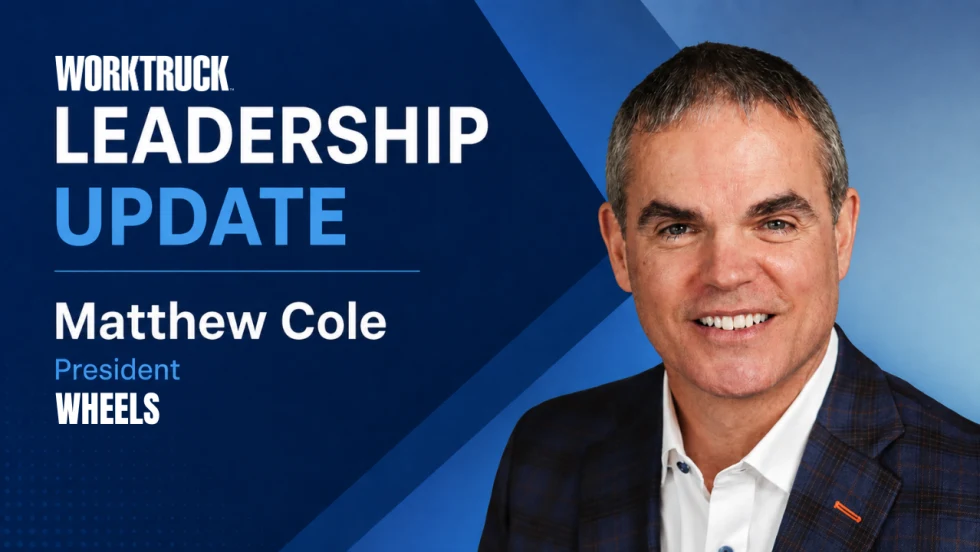
Wheels Names Matthew Cole President to Advance Fleet Technology and Growth
Matthew Cole brings more than 30 years of automotive and technology leadership to Wheels, including experience with connected and software-defined vehicle technologies.
Read More →
What Stronger Long-Term Fleet Service Partnerships Actually Require
Fleet service partnerships rarely fall apart all at once. Learn the three warning signs that trust is eroding and what fleets and providers can do before downtime, frustration, and lost revenue follow.
Read More →
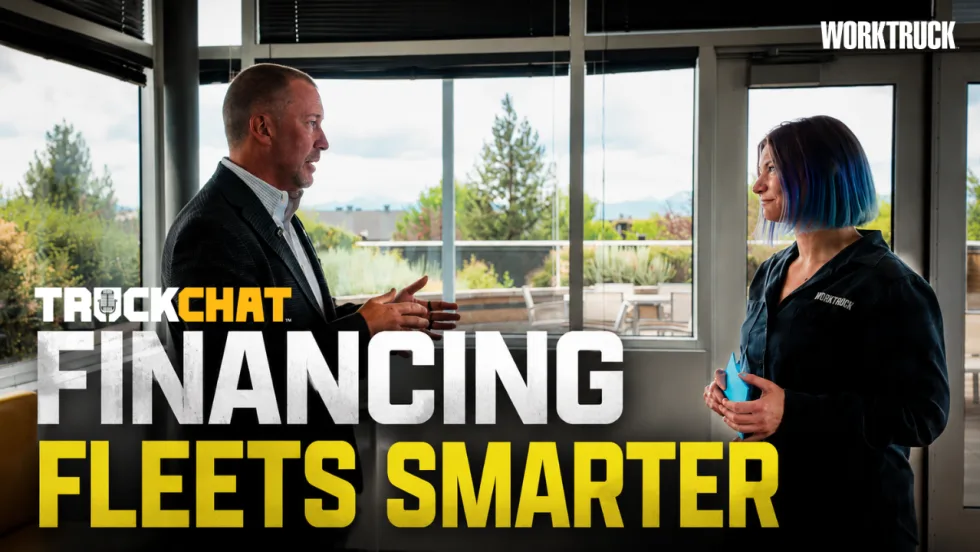
Why Fleets Need More Flexibility in Financing and Asset Strategy
Vehicle costs, resale values, and demand keep shifting. See how fleets can balance leasing, financing, ownership, and rentals without adding unnecessary complexity.
Read More →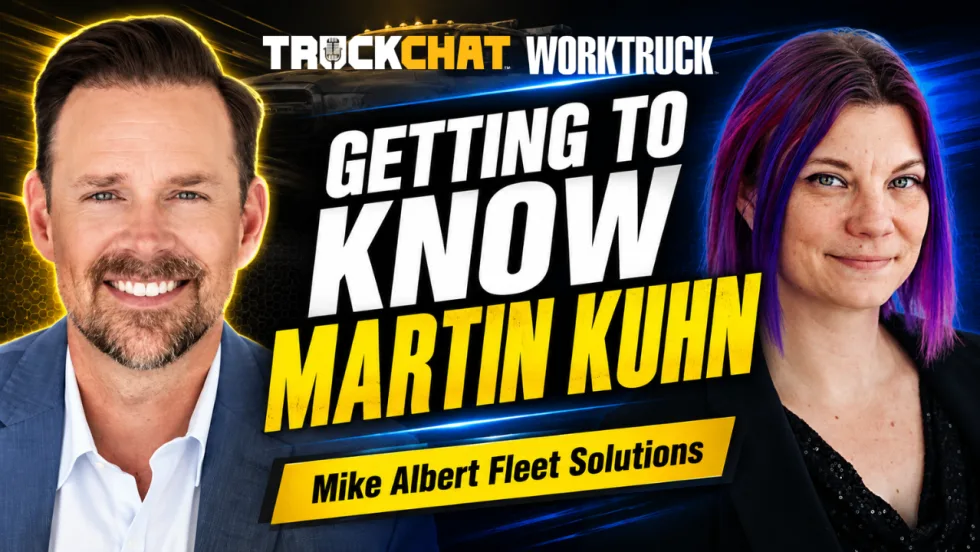
What Mike Albert Fleet Solutions’ New CEO Says Will Change for Fleets
Martin Kuhn explains why investments in technology and people are coming, but access to personal customer service must remain the same for fleets of every size.
Read More →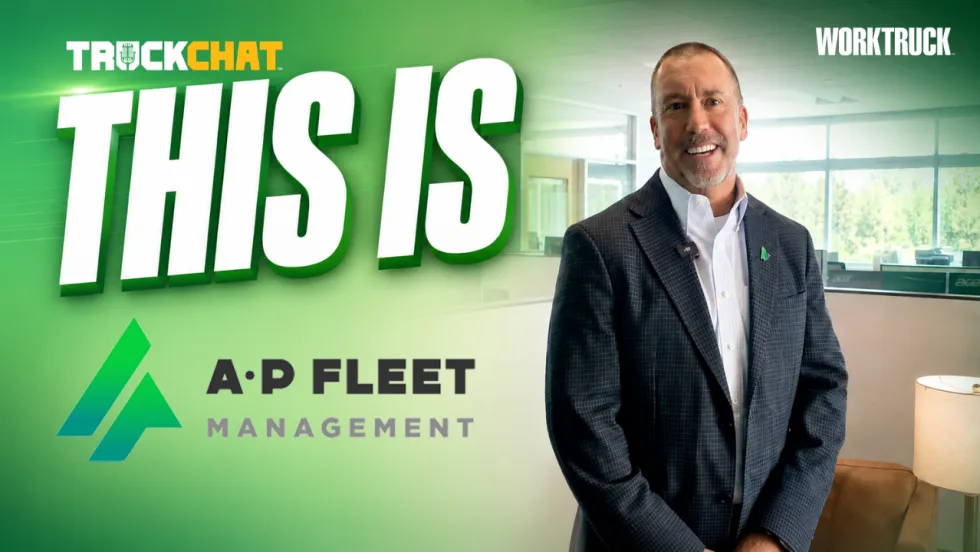
Inside AP Fleet Management’s Move From Financing to Fleet Services
AP Fleet Management President Alex Coveney explains how the company grew from equipment financing into fleet services and what shaped its customer-first approach.
Read More →
Kooner Fleet Management Solutions Named Fleetio Premier Partner
Fleetio has named Kooner Fleet Management Solutions as a Premier Partner within Fleetio’s Maintenance Shop Network. As a Fleetio Premier Partner, Kooner's designation reflects its commitment to delivering reliable maintenance services and supporting fleets through high-quality service.
Read More →
Why Vocational Fleets Need Payment Infrastructure That Scales
Fleet downtime isn't the only cost. Discover why scalable payment and invoicing infrastructure is becoming essential for vocational fleet efficiency and loyalty.
Read More →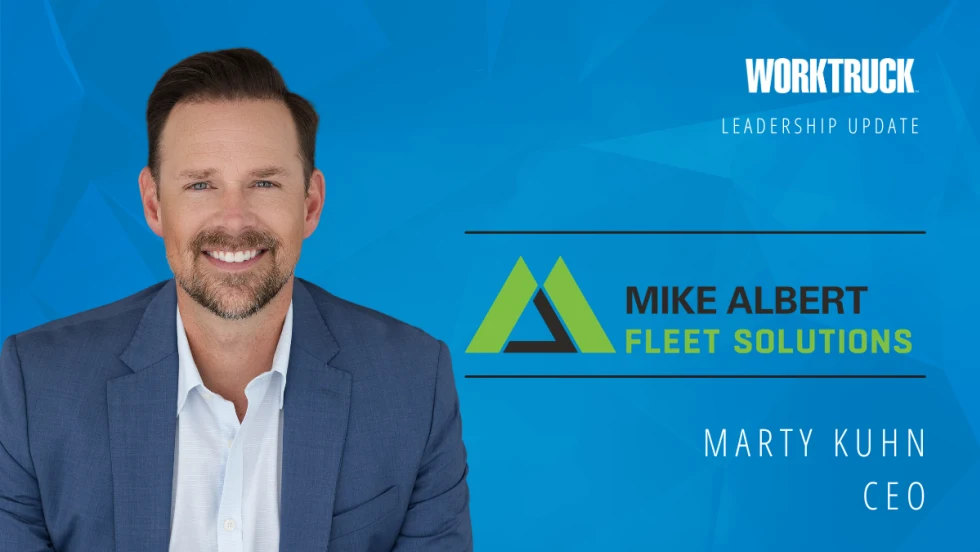
Mike Albert CEO Marty Kuhn Sees Technology and Upfitting Driving Fleet Success
New CEO Marty Kuhn highlights work-ready upfitting, fleet technology, and AI-powered insights as key parts of Mike Albert's strategy.
Read More →
Flexible Standardization: How Modern Fleets Are Rethinking Consistency to Stay Operational
Fleet standardization is evolving. Learn how flexible vehicle specs help large fleets reduce delays, improve uptime, and adapt to disruptions.
Read More →