




UPS Gets A+ For Sustainability
ATLANTA - UPS published its latest annual Sustainability Report, becoming one of only 10 U.S. corporations registered to date this year with the Global Reporting Initiative (GRI) to have achieved A+ status for superior transparency, according to the company.
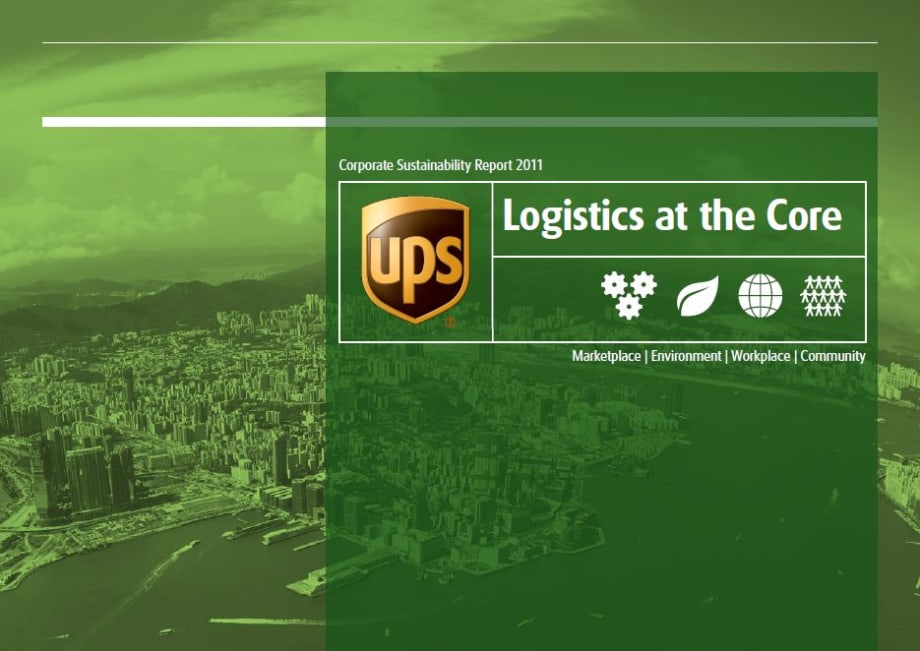
UPS's sustainability report details a number of the company's accomplishments in 2011.
ATLANTA – UPS published its latest annual Sustainability Report, becoming one of only 10 U.S. corporations registered to date this year with the Global Reporting Initiative (GRI) to have achieved A+ status for superior transparency, according to the company.
The new report summarizing UPS's 2011 sustainability efforts received the A+ designation after meeting GRI's reporting standards and then receiving assurance review by Deloitte & Touche LLP.
The report discloses UPS exceeded four of the seven key sustainability goals it established for 2011. The company met its goals for employee safety, auto accident frequency, aircraft emissions and full-time employee retention. The report discloses progress on goals involving efficiency of jet fuel use, employee satisfaction and charitable contributions.
Chief Sustainability Officer Scott Wicker also cited these achievements:
• Using advanced route-planning technology, UPS avoided driving 85 million miles, saving 8.4 million gallons of fuel and 83,000 metric tonnes of CO2 emissions.
• The expanding deployment of telematics technology eliminated more than 98 million minutes of engine idling time, saving 653,000 gallons of fuel.
• UPS achieved a net reduction in U.S. domestic energy use at its facilities.
• UPS earned the highest Carbon Disclosure Project score among all U.S. companies and tied with three others for the top score in the world.
• In 2011, overall emissions declined 3.5% even though package volume grew by 1.8%.
• Employees made 100,000 pledges to act more environmentally responsible
For the first time, UPS also introduced a "materiality matrix" that maps how the company's interests match or differ from those of other stakeholders. The matrix will be used to guide the company as it sets future sustainability priorities, Wicker added.
"Our annual sustainability report encapsulates the performance, ambitions and goals of UPS from economic, social and environmental perspectives," explained Wicker.
You can download the report here.
More Fuel

The Smart Way to Build a Mixed-Energy Fleet Isn’t About Picking a Side
Mixed-energy fleets aren’t about picking a winning fuel. Sarah Booth of WEX explains how vehicle data, duty cycles, charging strategy, and real-world costs can help fleets choose the right energy source for each job.
Read More →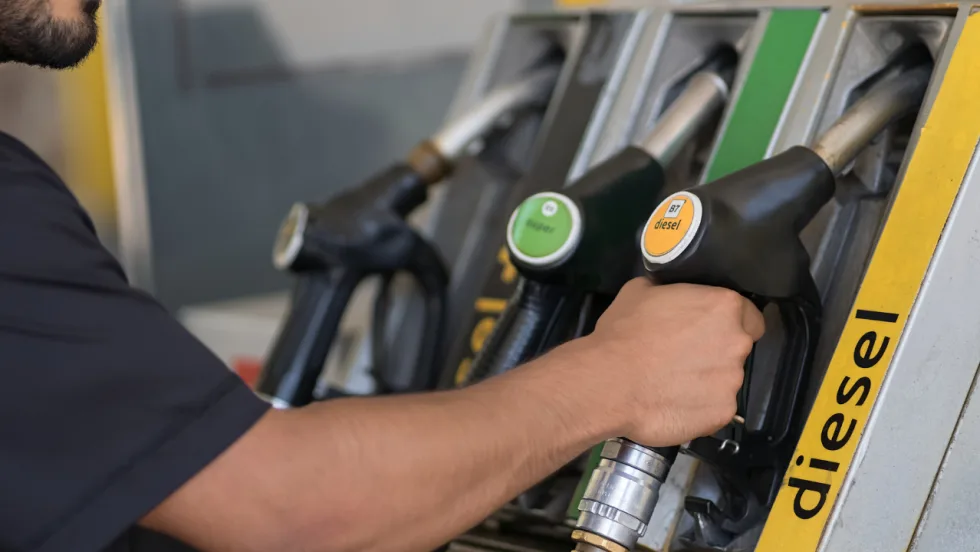
Ignoring This Dashboard Warning Could Cost Your Fleet Thousands in Fuel
New research suggests neglected diesel aftertreatment systems could waste up to $30 in fuel per vehicle each day. Here's why vocational fleets should pay attention.
Read More →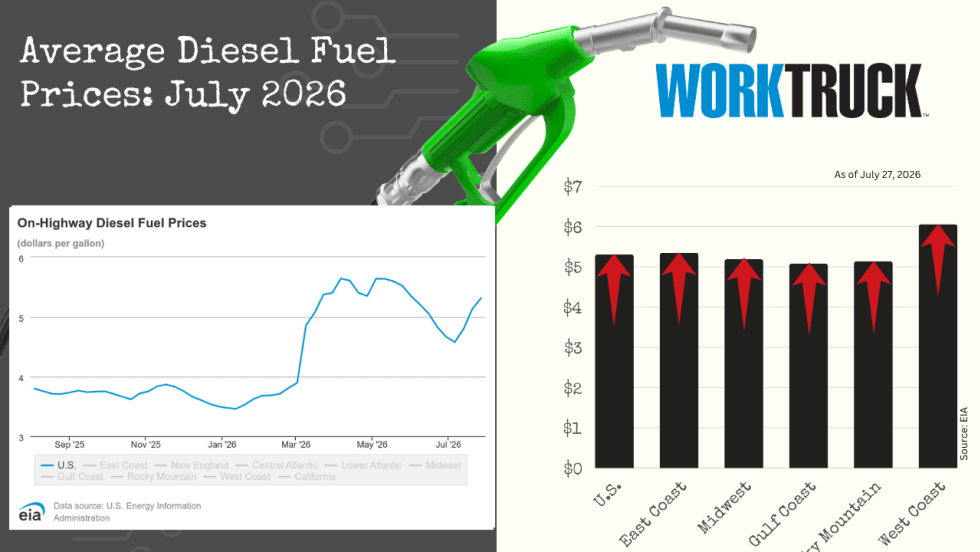
July Diesel Trends Update
The average price of a gallon of diesel increased again this week, and the EIA reported a new national average of $5.31 at the start of the week.
Read More →
WEX Brings Standard Fleet's Connected Vehicle Platform to Fleet Customers
This week’s product launch with Standard Fleet’s connected vehicle platform reflects WEX Venture Capital's strategy of turning startup innovation into customer solutions. Standard Fleet is now available to WEX fleet customers.
Read More →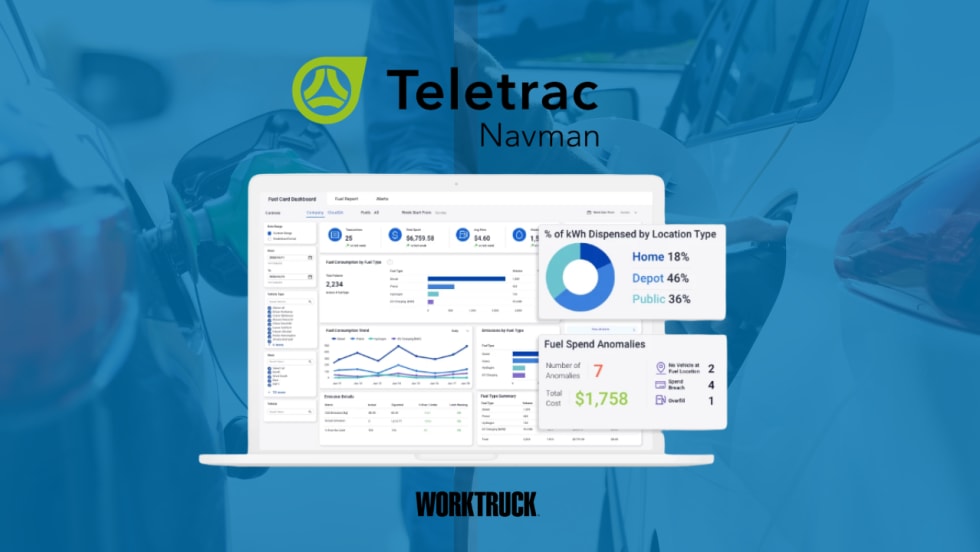
Teletrac Navman Adds Mixed-Energy Fleet Tools to TN360
The new Energy Hub combines fuel transactions, EV charging data, vehicle range, and energy costs in one dashboard for fleets operating multiple vehicle and energy types.
Read More →
WEX DriverDash adds CITGO, Expands Nationwide Access for Fleets
The DriverDash mobile payment app, by WEX, has been integrated into the CITGO merchant network, which means WEX has expanded its U.S. station footprint with the addition of approximately 4,000 CITGO locations.
Read More →
Mixed Energy Fleet Tips for Balancing EVs, Gas and Diesel Vehicles
Mixed energy fleets are becoming the new normal. Learn how fleet managers are balancing EVs, gas and diesel vehicles while controlling costs and planning for the future.
Read More →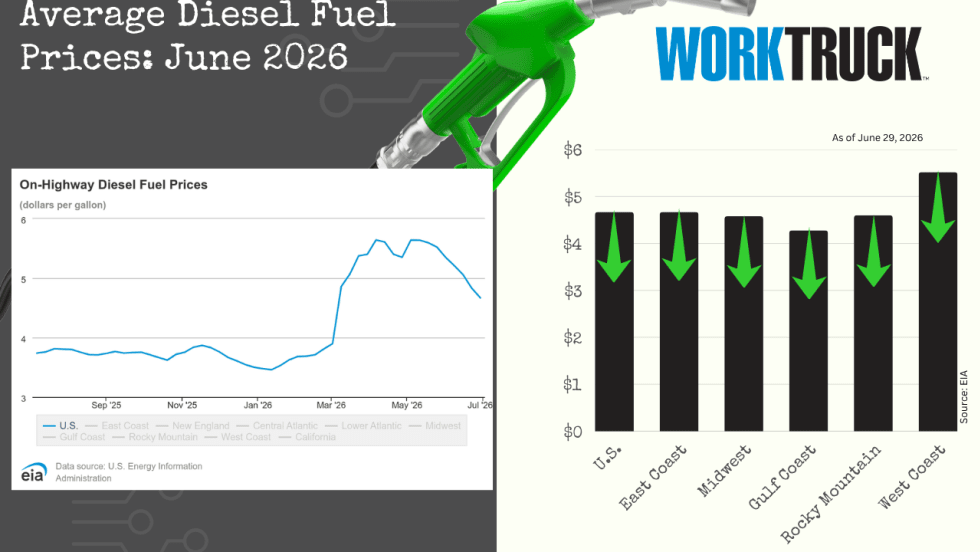
June Diesel Trends Update
The national average price of a gallon of diesel has dropped again, this week by more than 16 cents. All five regions reported lower average prices, ranging from almost 13 cents to more than 28 cents cheaper than a week ago.
Read More →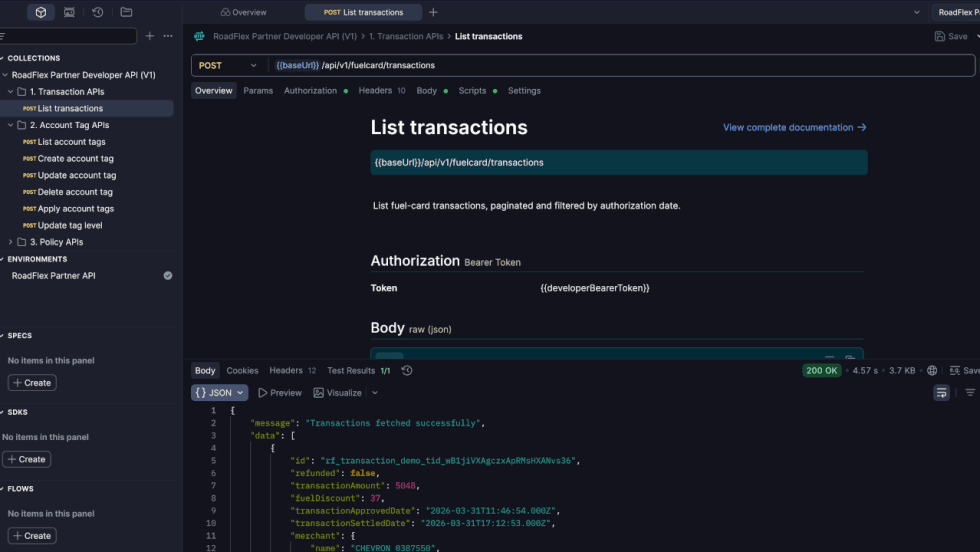
RoadFlex Launches RoadFlex Direct Open API Platform
RoadFlex Direct connects fuel cards, controls, and data to the telematics and fleet management systems fleets already run, from Geotab and Samsara to Fleetio and RTA, with no separate dashboard or double data entry.
Read More →
The Key to Fuel Efficiency Sits in the Cab
Learn how driver behavior, telematics, coaching, and fuel data can help fleets improve fuel efficiency, lower costs, and reduce emissions.
Read More →