




Related: Waymo Sues Uber, Otto, Alleging Stolen Autonomous Technology
Uber Granted Key Win in Self-Driving Lawsuit
A federal judge has ruled that Uber is allowed to continue developing its self-driving technology during a legal battle with Waymo over stolen technology – but Anthony Levandowski, who started up an autonomous truck company later bought by Uber, can't be part of it.
by Staff
May 16, 2017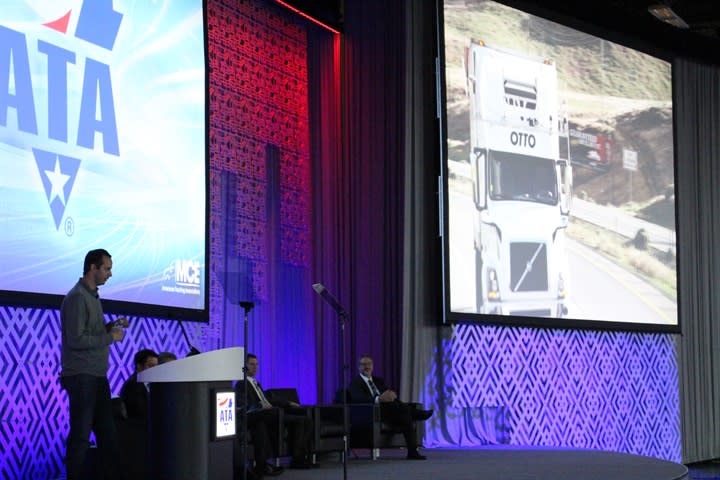
Uber's Anthony Levandowski, co-founder of the autonomous trucking startup Otto, shares video of a truck with no driver. Photo: Evan Lockridge
2 min to read

Uber's Anthony Levandowski, co-founder of the autonomous trucking startup Otto, shares video of a truck with no driver.Photo: Evan Lockridge
A federal judge has ruled that Uber is allowed to continue developing its self-driving technology during a legal battle with Waymo over stolen technology – but Anthony Levandowski, who started up an autonomous truck company later bought by Uber, can't be part of it, according to a New York Times report.
Earlier this year, Waymo accused Levandowski, the former head of Uber’s Advanced Technologies Group, of stealing key information on its proprietary lidar (light detection and ranging) technology. Lidar radar sensors are an important part of an autonomous driving technology that allows a vehicle to “see” the road and objects around it. Waymo is owned by Alphabet, the parent company of Google.
The judge in the case decided against halting Uber’s self-driving development altogether, saying that Waymo was overreaching in its claims that the files it says Levandowski took violated 120 patent claims. However, the judge ruled that Levandowski is prohibited from working on Uber’s lidar technology during the lawsuit proceedings.
Uber anticipated this ruling to a certain degree, and Levandowski recently stepped down from his position at the head Uber’s Advanced Technologies volunteering to recuse himself from all duties related to lidar at Uber. The move was seen as a way to protect Uber’s self-driving technology development by diminishing Levandowski’s role.
Waymo brought this lawsuit against Waymo after it accused former employee Levandowski of stealing technologies related to a custom-built Lidar radar sensors and taking them to his new company, Otto. Otto was later purchased by Uber for $680 million and Levandowski was made the head of Advanced Technologies group. Waymo attempted to depose Levandowski, who was not directly named in the lawsuit. However, he pled the Fifth Amendment, refusing to testify on the ground that his testimony might be self-incriminating.
Originally posted on Automotive Fleet
More Safety
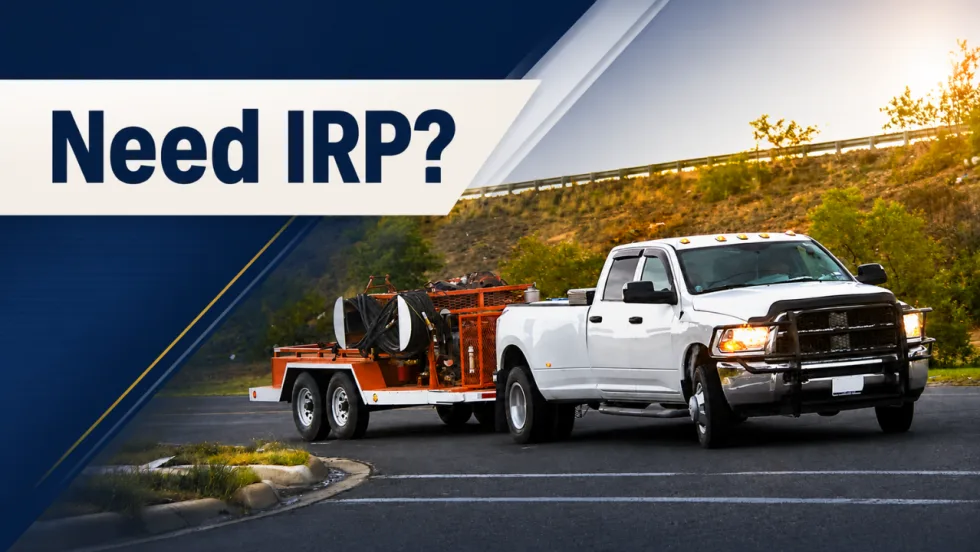
When Work Trucks Under 26,001 Pounds Need IRP Registration
Think trucks under 26,001 pounds are automatically in the clear when it comes to IRP? Not always. Learn where lighter vehicles can still run into trip permit, apportioned registration, and IFTA compliance requirements when crossing state or provincial lines.
Read More →
Volvo Trucks Releases New Safety Recommendations for Traveling with Pets
One of the most important recommendations for professional drivers traveling with pets is to ensure pets are properly restrained while the truck is moving. Other tips are available in the new guide from Volvo Trucks North America and Center for Pet Safety.
Read More →
API Issues Refueling Safety Guidelines
The American Petroleum Institute offers a list of safe vehicle refueling guidelines, including ways to avoid potential problems with static electricity discharges in fall, winter, and early spring.
Read More →
Winter Fleet Prep: Expert Tips to Keep Vehicles Running Smoothly
Cold weather can expose weak batteries, tires, fuel systems, and maintenance gaps fast. Use this winter fleet checklist to prepare trucks and drivers before temperatures drop.
Read More →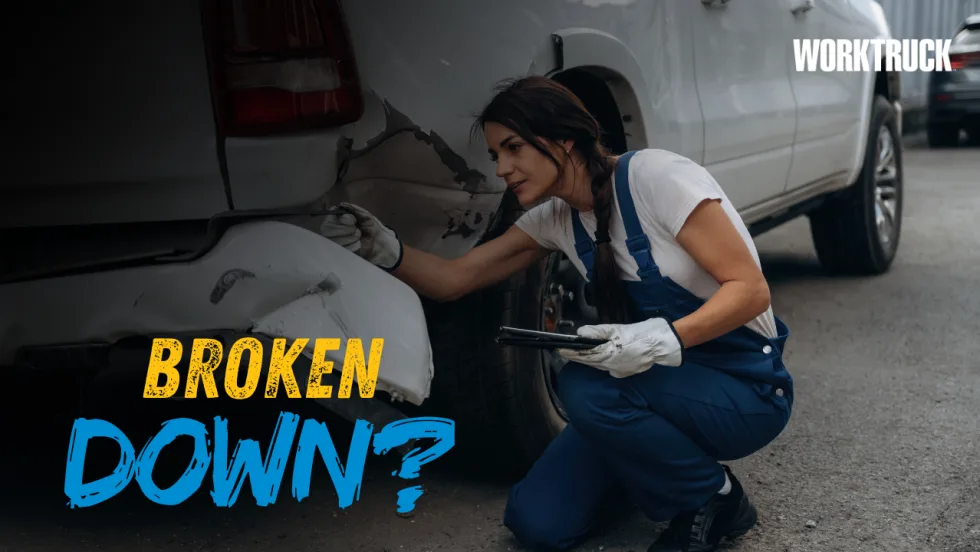
When a Work Truck Breaks Down, the Job Can Stop, Too
A work truck breakdown can stop more than the vehicle. Discover how payloads, jobsites, and specialty equipment change the roadside response.
Read More →
What Stronger Long-Term Fleet Service Partnerships Actually Require
Fleet service partnerships rarely fall apart all at once. Learn the three warning signs that trust is eroding and what fleets and providers can do before downtime, frustration, and lost revenue follow.
Read More →
Applause & TRUCE Software Partner to Improve Driver Safety Through AI-Powered Telematics & Employee Performance Management
Applause has integrated TRUCE driving metrics directly into its employee-first performance and safety platform that transforms mobile devices into AI-powered telematics.
Read More →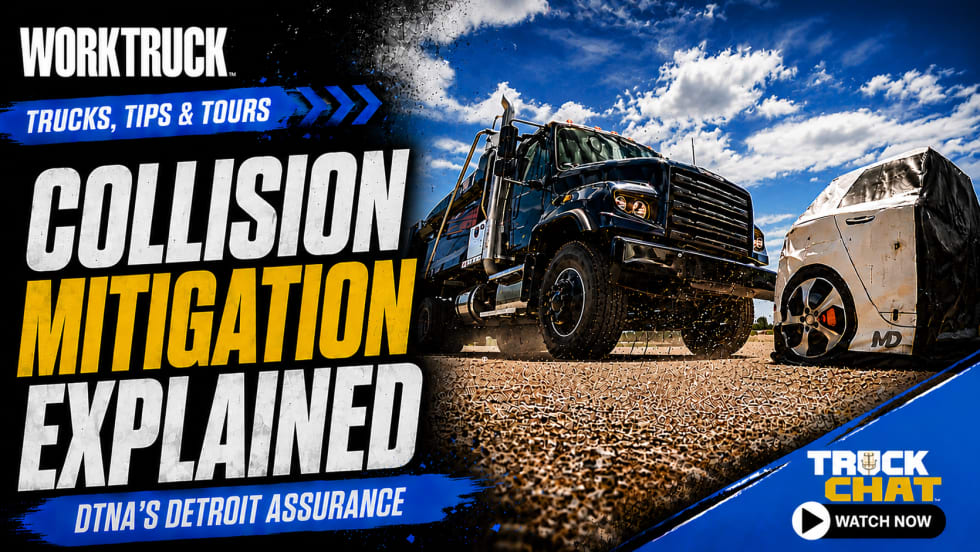
How Detroit Assurance with Active Brake Assist Works
Do you want to see what it is like to experience Detroit Assurance’s Active Brake Assist? In this video, Work Truck will put you in the cab to see how it all works and then hear more details from DTNA’s Mike Young.
Read More →
Get Left of Loss: A 5-Step Workplace Violence Prevention Framework for Fleet Operators
Violence risks do not stop at the driver’s door. Learn five practical steps fleets can take to spot threats early and protect workers before loss occurs.
Read More →
Sponsored•July 17, 2026
How Better Visibility Cut Speeding Violations by 48%
Fleet leaders don't need more data, they need clearer visibility into what the data is saying. This case study explores how one utility replaced speeding-event counts with a single metric — miles driven in violation — to strengthen safety and significantly reduce speeding violations.
Read More →