




SoCalGas to Produce RNG from Wastewater
Southern California Gas Co. (SoCalGas) announced a pilot hydrothermal wastewater processing project has been selected by the U.S. Energy Department (DOE) to receive up to $1.2 million in federal funding.
Southern California Gas Co. (SoCalGas) announced a pilot hydrothermal wastewater processing project has been selected by the U.S. Energy Department (DOE) to receive up to $1.2 million in federal funding. SoCalGas is part of a consortium conducting the pilot, which will be required to share the cost at a minimum of 50 percent in order to receive federal funds. The consortium is being led by the Water Environment & Reuse Foundation.
The project will use hydrothermal processing technology to convert wastewater solids into renewable natural gas as well as liquid fuels. DOE funding is expected to pay for about half of the design and planning of a pilot plant to produce these renewable fuels at a municipal wastewater treatment facility near Oakland, California. SoCalGas will help oversee the project's design and assist in obtaining state and federal regulatory approvals and incentives.
The new technology converts waste solids from a wastewater treatment plant into biocrude and methane gas using water, heat and pressure. The biocrude oil replaces fossil oil, providing green fuels with nearly zero net new carbon emissions. The methane gas can be used in the same ways as fossil natural gas.
"SoCalGas and its partners have demonstrated that this process can very effectively convert wastewater solids into renewable natural gas, using existing infrastructure, to help replace fossil fuels and reduce greenhouse gas emissions," said Jeff Reed, SoCalGas' director of business strategy and advanced technology. "This new technology could have an enormous impact on energy and waste. Converting the wastewater solids produced by treatment plants in the U.S. with hydrothermal processing could produce about 128 billion cubic feet of natural gas per year and save treatment utilities $2.2 billion in solids disposal costs. A city of one million people could produce more than 600 million cubic feet of natural gas per year, save more than $7 million per year in disposal costs, and power nearly 7,000 vehicles per day."
The Central Contra Costa Sanitary District, near Oakland, California, will host the pilot system. The consortium includes the Water Environment & Reuse Foundation, which represents many of the 16,000 wastewater systems in the U.S. The consortium also includes Genifuel Corp. with technology from DOE's Pacific Northwest National Laboratory, Merrick & Co., Tesoro Corp., Metro Vancouver, MicroBio Engineering, Brown and Caldwell, and over a dozen utility partners.
More Utility Fleet
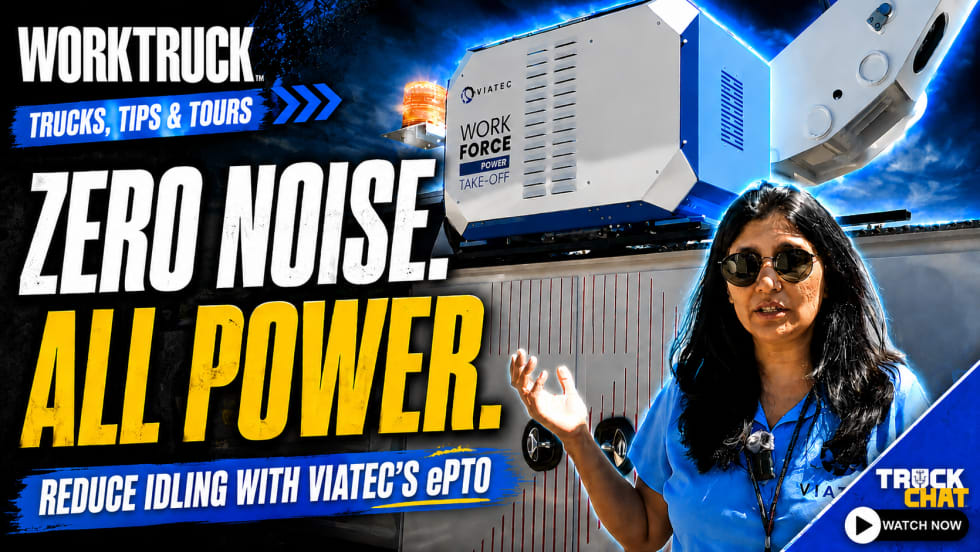
Reduce Noise & Idling with Viatec’s ePTO
Viatec's Workforce ePTO lets utility trucks power booms, outriggers, and auxiliary equipment using battery power instead of idling the engine. Learn how this technology helps reduce fuel use, noise, engine wear, and emissions while improving operator comfort.
Read More →
Why Utility Fleets Choose the Kenworth T380
The Kenworth T380 is engineered for utility fleets with custom chassis layouts, optimized frame rails, 4x4 capability, and improved driver visibility. See how its design helps maximize upfit flexibility and field performance.
Read More →
PALFINGER PB 38 AT P: Purpose-Built for Telecom Fleets
Purpose-built for telecommunications crews, the PALFINGER PB 38 ATP combines a 43-foot working height, flexible basket stowage, integrated cameras, and operator communication systems to improve productivity and safety during fiber and overhead cable installation.
Read More →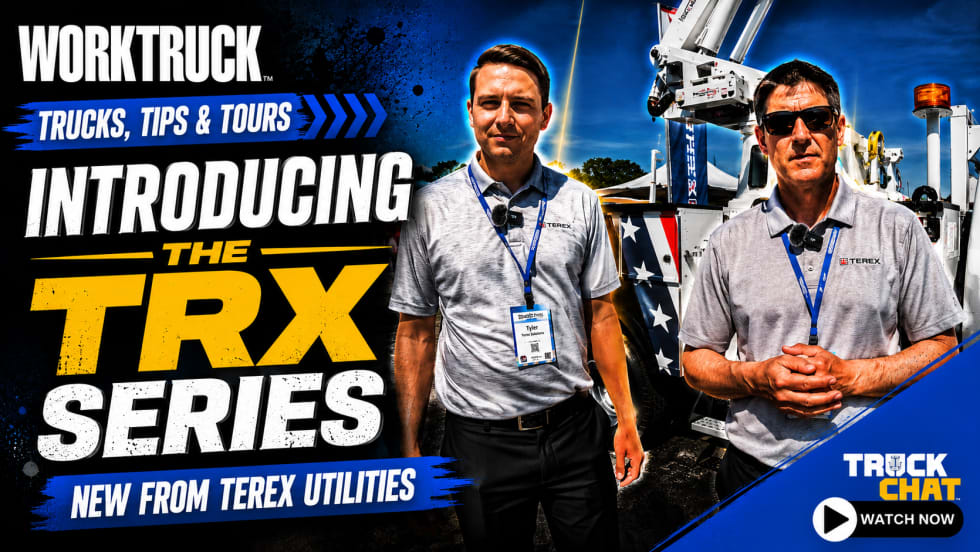
Inside Terex Utilities' Latest Work Truck Innovations
Terex Utilities is advancing utility fleet operations with its new TRX aerial platforms, Flex Pro controls, and AI-powered 3rd Eye safety technology. See how these innovations are helping fleets work safer, smarter, and more productively.
Read More →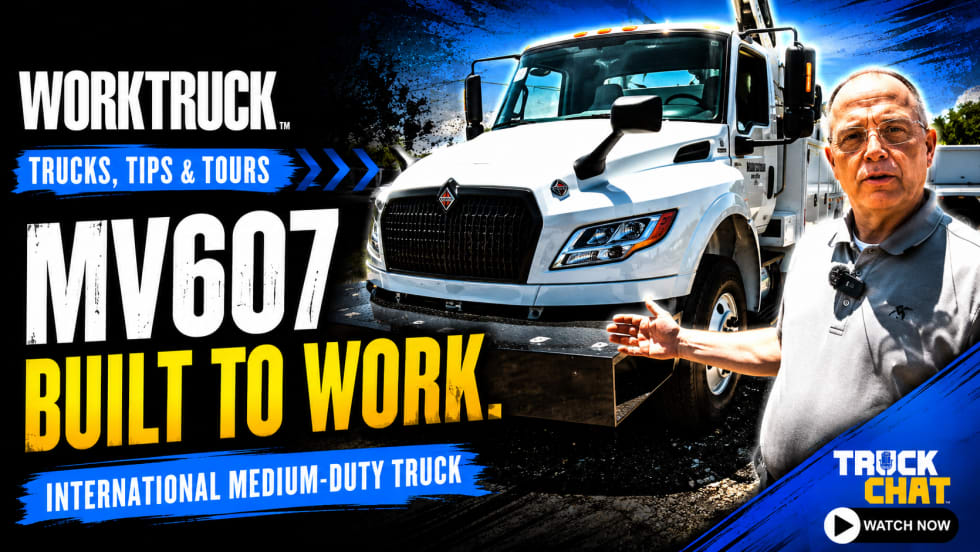
Walkaround of International MV607 Digger Derrick
The International MV607 combines advanced safety technologies, excellent visibility, vocational flexibility, and seamless body integration to create a powerful platform for utility fleet operations. Take a closer look at this Altec digger derrick configuration from EUFMC.
Read More →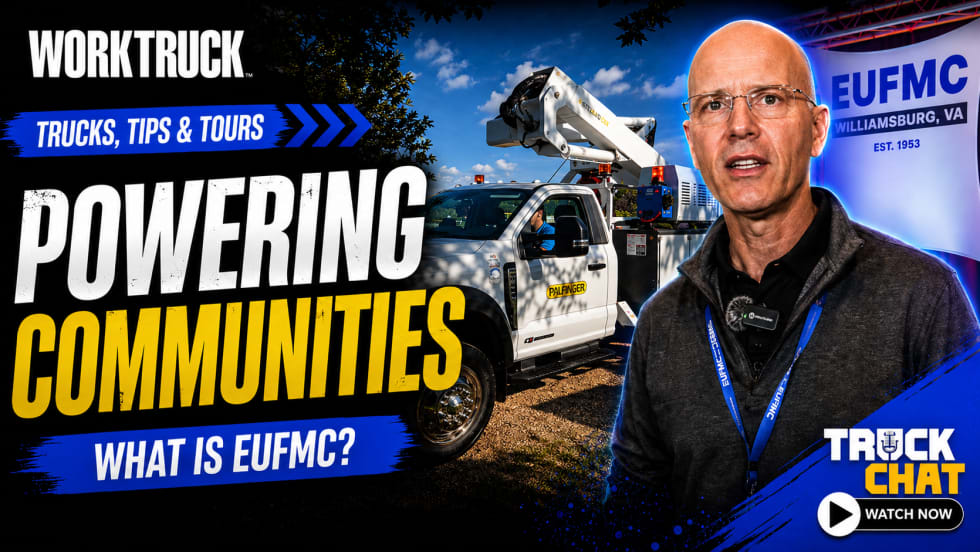
Inside the Electric Utility Fleet Managers Conference
What is EUFMC? For more than seven decades, the Electric Utility Fleet Managers Conference has served as a hub for collaboration, education, and innovation within the utility fleet industry. In this video, Work Truck talks to EUFMC President Greg Loew to learn more.
Read More →
Inside the EUFMC Equipment Expo & Drive-Through
Follow Work Truck as we check out the trucks and other vehicles that were showcased at the Electric Utility Fleet Managers Conference in Williamsburg, Virginia. Whether looking for something on tires or treads, it was there for fleet managers to see.
Read More →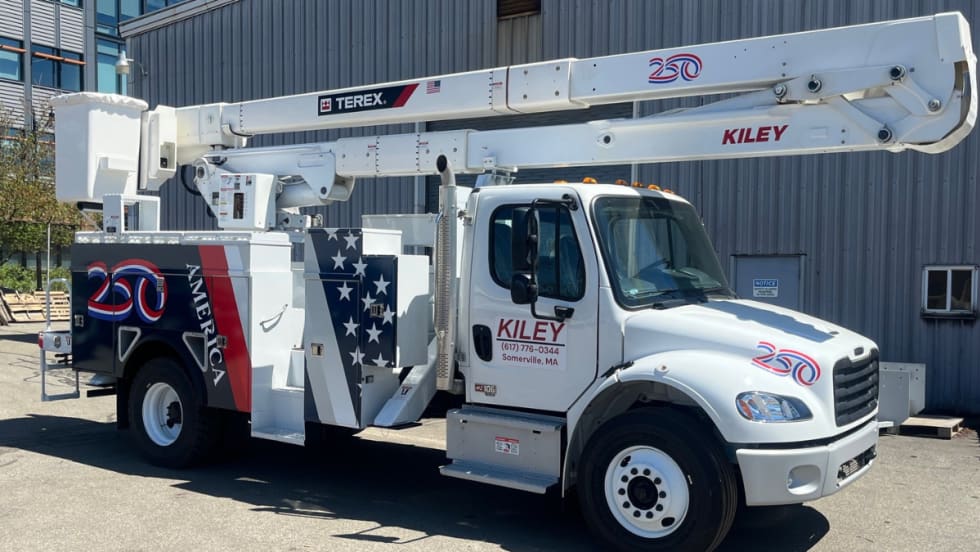
Terex Utilities & Kiley Unveil Custom America 250 Bucket Trucks at EUFMC 2026
Terex Utilities showcased a patriotic spirit in its booth this week during the Electric Utility Fleet Managers Conference in Williamsburg, Virginia, by debuting two custom-wrapped bucket trucks celebrating America’s upcoming 250th anniversary.
Read More →
Panasonic Connect & Anterix Strengthen Connectivity Options for Utilities and Field Workers
The Panasonic Connect Toughbook 56 is the first Toughbook to earn the AnterixActive badge, which means it can connect to and operate on Anterix’s 900 MHz network even in the most remote locations.
Read More →
Streamlight Launches Portable Scene Light III & LiteBox 1Million
Streamlight has launched its Portable Scene Light III (PSL III), which delivers up to 10,000 lumens, and the LiteBox 1Million, a long-range search light that delivers one million candela.
Read More →