





How Shell Fleet Solutions' Listening-First Strategy Supports Fleets Where it Counts
Shell’s Giving Pump Returns with Easy Way for Fleets to Give Back
Fleets can fuel up and give back. Shell’s Giving Pump runs through Oct. 31 at 6,500 stations, donating pump sales to local child and family charities.
September 10, 2025
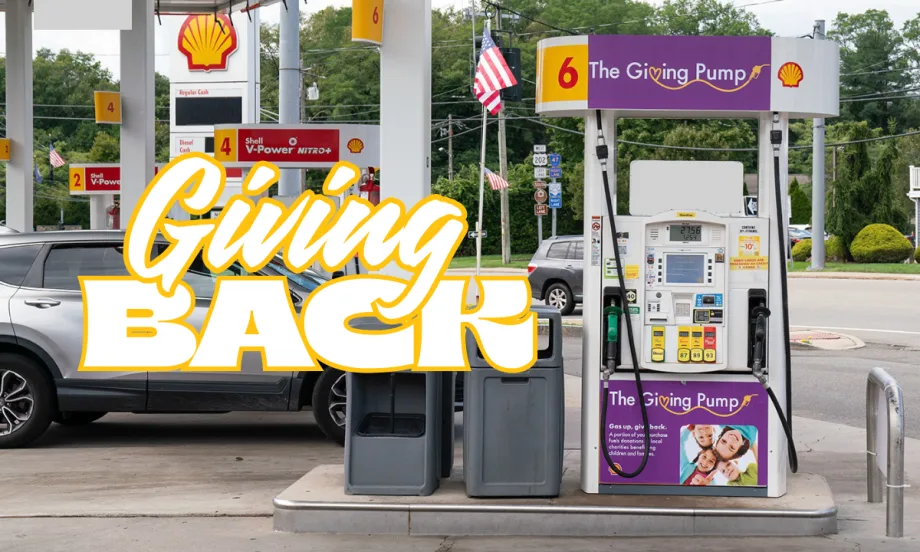
Shell’s Giving Pump makes it easy for fleets to fuel up and give back at more than 6,500 stations nationwide.
Photo: Work Truck | Shell
2 min to read
Shell’s Giving Pump is back for its fifth year, giving fleet operators and drivers a simple way to support local communities while fueling up. Running now through October 31 at more than 6,500 Shell stations across the U.S., the program designates a purple pump at each participating site.
When drivers fill up at these pumps, participating Shell wholesalers and station owners donate a portion of sales to child- and family-focused charities, at no added cost to fleets or drivers.
For fleets, it’s an effortless way to align everyday operations with purpose-driven impact. Fueling is already a daily necessity, so choosing the purple pump allows fleet managers and drivers to support their communities without changing routes, adding costs, or adjusting schedules.
Fleets Can Turn Everyday Fueling Into Community Impact with Shell
Each Giving Pump supports charities selected by local retailers, often chosen based on personal or community ties.
In Carlinville, Illinois, Boente & Sons is supporting The Macoupin Center for the Developmentally Disabled (MCDD) in honor of station owner David Boente’s late sister, Judy, who had Down syndrome. The donation will help provide more students with life skills, friendships, and opportunities through programs such as Special Olympics.

Local charities benefit when drivers and fleets choose the purple pump. “Small choices, like where you fuel up, can add up to meaningful change,” said Barbara Stoyko, Shell.
Photo: Work Truck | Shell
In New Castle, Indiana, G&G Oil Company is backing The Purvis Foundation, which funds field upgrades and covers fees for Little League players.
“Nearly 15% of our players come from families that can’t afford to pay,” said League President Bill Upchurch. “Thanks to The Giving Pump, we include every kid who wants to play.”
Since its launch in 2021 with 2,900 participating stations, the program has expanded to nearly 6,500 sites supporting 400 local and national charities, including St. Jude Children’s Research Hospital, The Macoupin Center for the Developmentally Disabled, and The Purvis Youth Foundation. Millions of fill-ups have already turned into donations during the two-month campaign.
“The Giving Pump goes to show how small choices, like where you fuel up, can add up to meaningful change,” said Barbara Stoyko, Senior Vice President, Mobility and Convenience Americas at Shell. “It’s really a special time of year for Shell, and it makes me grateful that we can collaborate with our retailers and customers to create real, local impacts.”
How Can Fleets Help?
Fleet managers looking to participate can find purple pumps along their routes by visiting shell.us/givingpump
.Choosing the purple pump is a simple way to show customers and employees that a fleet’s miles on the road can fuel more than business, they can also fuel community change.
More Fuel

The Smart Way to Build a Mixed-Energy Fleet Isn’t About Picking a Side
Mixed-energy fleets aren’t about picking a winning fuel. Sarah Booth of WEX explains how vehicle data, duty cycles, charging strategy, and real-world costs can help fleets choose the right energy source for each job.
Read More →
Ignoring This Dashboard Warning Could Cost Your Fleet Thousands in Fuel
New research suggests neglected diesel aftertreatment systems could waste up to $30 in fuel per vehicle each day. Here's why vocational fleets should pay attention.
Read More →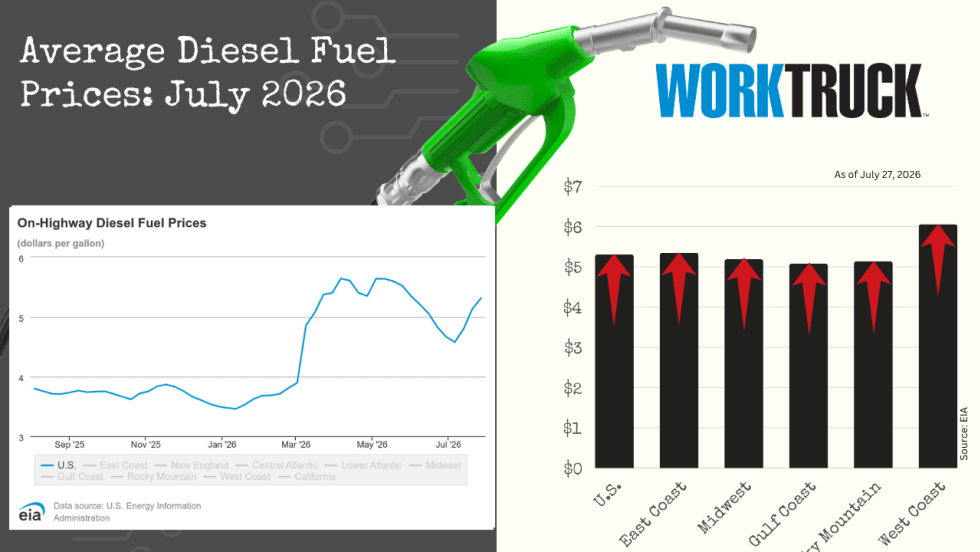
July Diesel Trends Update
The average price of a gallon of diesel increased again this week, and the EIA reported a new national average of $5.31 at the start of the week.
Read More →
WEX Brings Standard Fleet's Connected Vehicle Platform to Fleet Customers
This week’s product launch with Standard Fleet’s connected vehicle platform reflects WEX Venture Capital's strategy of turning startup innovation into customer solutions. Standard Fleet is now available to WEX fleet customers.
Read More →
Teletrac Navman Adds Mixed-Energy Fleet Tools to TN360
The new Energy Hub combines fuel transactions, EV charging data, vehicle range, and energy costs in one dashboard for fleets operating multiple vehicle and energy types.
Read More →
WEX DriverDash adds CITGO, Expands Nationwide Access for Fleets
The DriverDash mobile payment app, by WEX, has been integrated into the CITGO merchant network, which means WEX has expanded its U.S. station footprint with the addition of approximately 4,000 CITGO locations.
Read More →
Mixed Energy Fleet Tips for Balancing EVs, Gas and Diesel Vehicles
Mixed energy fleets are becoming the new normal. Learn how fleet managers are balancing EVs, gas and diesel vehicles while controlling costs and planning for the future.
Read More →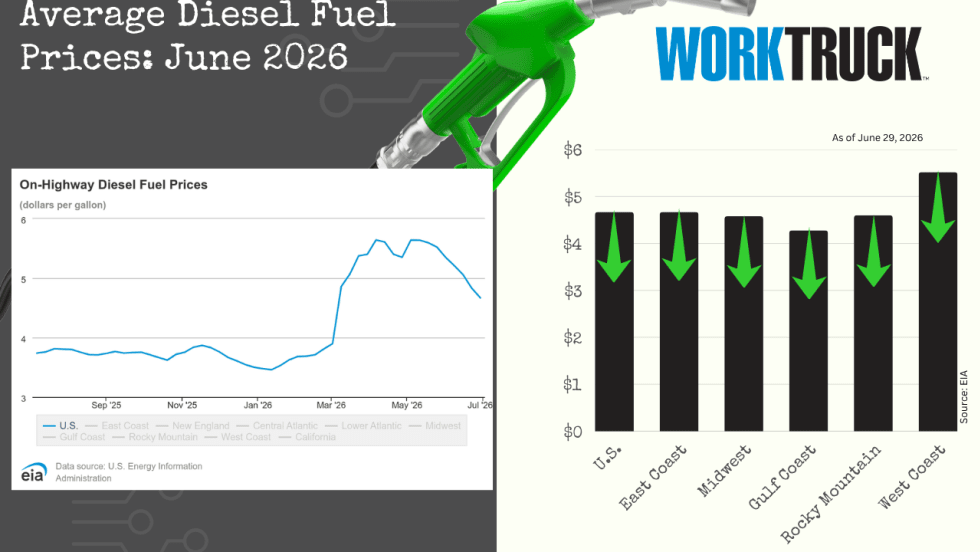
June Diesel Trends Update
The national average price of a gallon of diesel has dropped again, this week by more than 16 cents. All five regions reported lower average prices, ranging from almost 13 cents to more than 28 cents cheaper than a week ago.
Read More →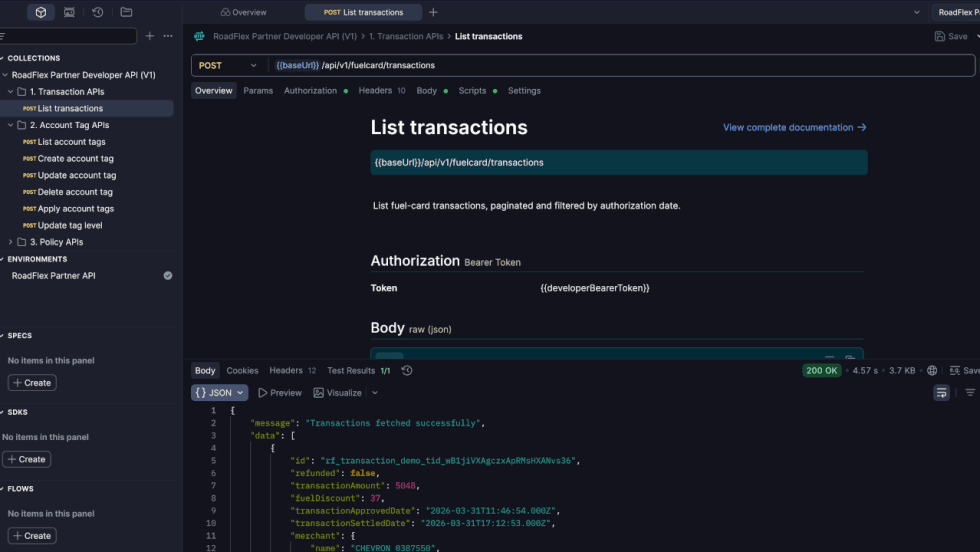
RoadFlex Launches RoadFlex Direct Open API Platform
RoadFlex Direct connects fuel cards, controls, and data to the telematics and fleet management systems fleets already run, from Geotab and Samsara to Fleetio and RTA, with no separate dashboard or double data entry.
Read More →
The Key to Fuel Efficiency Sits in the Cab
Learn how driver behavior, telematics, coaching, and fuel data can help fleets improve fuel efficiency, lower costs, and reduce emissions.
Read More →