




Safety Tip: Driving Near Farm Equipment
It's planting season again, so fleet drivers are encountering more farm equipment on the roads. Here's some timely advice from the Pennsylvania Farm Bureau to help drivers more safely share the road with farm equipment.
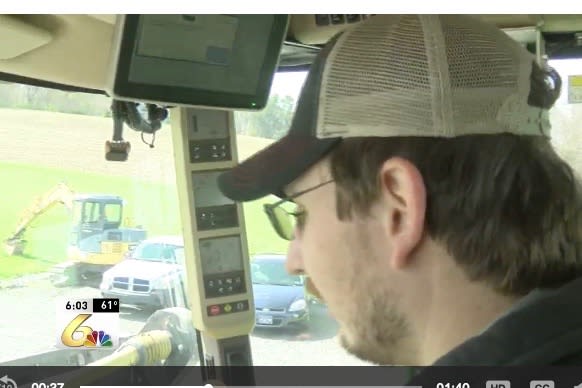
Temperatures are warming and America’s farmers are returning to the fields to plant crops. That means fleet drivers are more likely to encounter slow-moving farm equipment on roads, particularly in rural areas.
“Drivers need to keep their guard up throughout the planting, growing and harvesting seasons by reducing speed and being more aware of other motorists,” said Erie County Farm Bureau President Nick Mobilia, who spoke on behalf of the Pennsylvania Farm Bureau. “We believe accidents can be prevented if farmers and motorists look out for one another on country roads. If motorists hear our messages and follow safe driving tips, costly accidents can be avoided and lives can be saved.”
Here’s some advice from the Pennsylvania Farm Bureau:
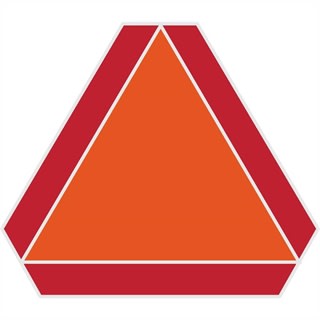
Recognize the slow-moving vehicle emblem and brake immediately. When you see the slow-moving vehicle (SMV) emblem, you should immediately slow down. SMV emblems must be visible at least 500 feet away from the vehicle, but because it may be difficult for you to judge the speed at which you are closing in on a vehicle, you should slow down immediately. Think of the slow-moving vehicle emblem as a warning to adjust your speed.
Be Patient. A farmer understands that your trip is being delayed, so he or she will pull off the road at the first available safe location to allow you to pass. Don’t assume that the farmer can move aside to let you pass. Shoulders may be soft, wet or steep, and this can cause the farm vehicle to tip. Or the shoulders may not be able to support a heavy farm vehicle.
Yield to wide vehicles. Some farm equipment may be wider than the lane of travel. If you approach a piece of wide farm equipment traveling in the opposite direction and you cannot pass safely, stop. Then pull off the road or safely turn around or back up to a location that will allow the equipment to pass you.
Don’t assume that the farmer knows you’re there. Most operators of farm equipment will regularly check to see if there is traffic behind them. However, the farmer must spend most of the time looking ahead to keep the equipment safely on the road, and to watch for oncoming traffic. Also, most farm equipment is very loud, and the farmer will probably not be able to hear your vehicle. Therefore, do not assume that the farmer knows where your vehicle is located. Before you attempt to pass, use your car’s horn to signal to the farmer that you are there.
Pass with caution. If a farmer has pulled off the road to allow you to pass, or if the farmer cannot pull off the road and you feel you must pass, do so with caution.
— Be watchful of vehicles behind you that may also try to pass.
— If you must enter the oncoming lane of traffic, do not pass unless you can see clearly ahead of both you and the vehicle you will pass.
— If there are any curves or hills ahead that may block your view or the view of oncoming vehicles, do not pass.
— Do not pass if you are in a designated “No Passing Zone” or within 100 feet of any intersection, railroad grade crossing, bridge, elevated structure or tunnel.
— Do not assume that a farm vehicle that pulls to the right side of the road is going to turn right or is letting you pass. Due to the size of some farm implements, the farmer must execute wide left-hand turns. If you are unsure, check the operator’s hand signals and check the left side of the road for gates, driveways or any place a farm vehicle might turn.
Originally posted on Automotive Fleet
More Safety & Compliance
When Work Trucks Under 26,001 Pounds Need IRP Registration
Think trucks under 26,001 pounds are automatically in the clear when it comes to IRP? Not always. Learn where lighter vehicles can still run into trip permit, apportioned registration, and IFTA compliance requirements when crossing state or provincial lines.
Read More →
Volvo Trucks Releases New Safety Recommendations for Traveling with Pets
One of the most important recommendations for professional drivers traveling with pets is to ensure pets are properly restrained while the truck is moving. Other tips are available in the new guide from Volvo Trucks North America and Center for Pet Safety.
Read More →
API Issues Refueling Safety Guidelines
The American Petroleum Institute offers a list of safe vehicle refueling guidelines, including ways to avoid potential problems with static electricity discharges in fall, winter, and early spring.
Read More →
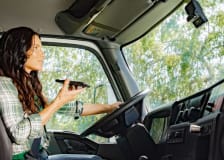

Winter Fleet Prep: Expert Tips to Keep Vehicles Running Smoothly
Cold weather can expose weak batteries, tires, fuel systems, and maintenance gaps fast. Use this winter fleet checklist to prepare trucks and drivers before temperatures drop.
Read More →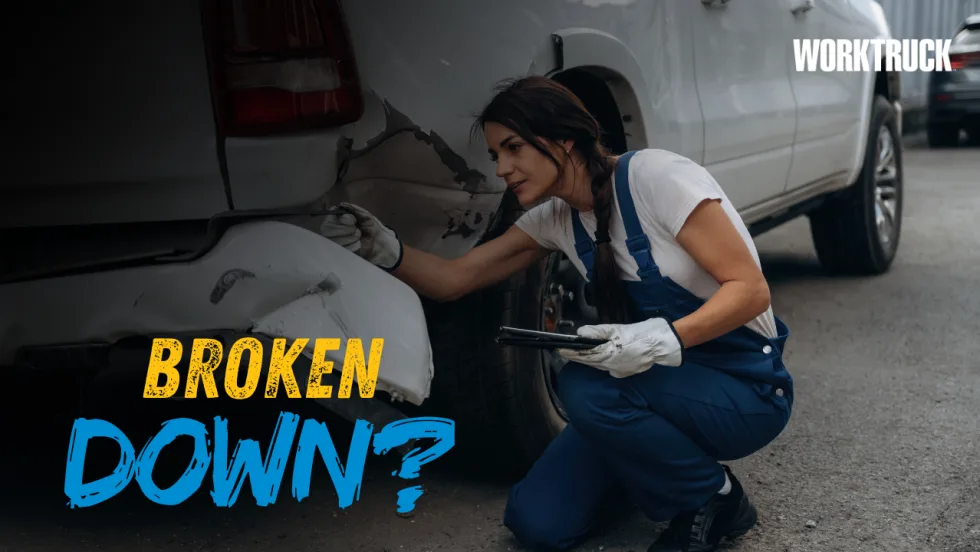
When a Work Truck Breaks Down, the Job Can Stop, Too
A work truck breakdown can stop more than the vehicle. Discover how payloads, jobsites, and specialty equipment change the roadside response.
Read More →
What Stronger Long-Term Fleet Service Partnerships Actually Require
Fleet service partnerships rarely fall apart all at once. Learn the three warning signs that trust is eroding and what fleets and providers can do before downtime, frustration, and lost revenue follow.
Read More →
Applause & TRUCE Software Partner to Improve Driver Safety Through AI-Powered Telematics & Employee Performance Management
Applause has integrated TRUCE driving metrics directly into its employee-first performance and safety platform that transforms mobile devices into AI-powered telematics.
Read More →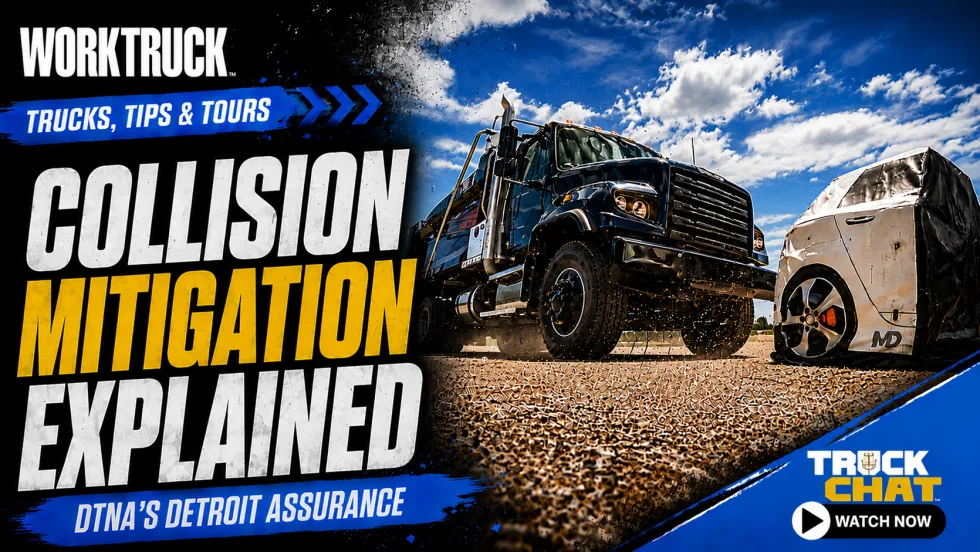
How Detroit Assurance with Active Brake Assist Works
Do you want to see what it is like to experience Detroit Assurance’s Active Brake Assist? In this video, Work Truck will put you in the cab to see how it all works and then hear more details from DTNA’s Mike Young.
Read More →
Get Left of Loss: A 5-Step Workplace Violence Prevention Framework for Fleet Operators
Violence risks do not stop at the driver’s door. Learn five practical steps fleets can take to spot threats early and protect workers before loss occurs.
Read More →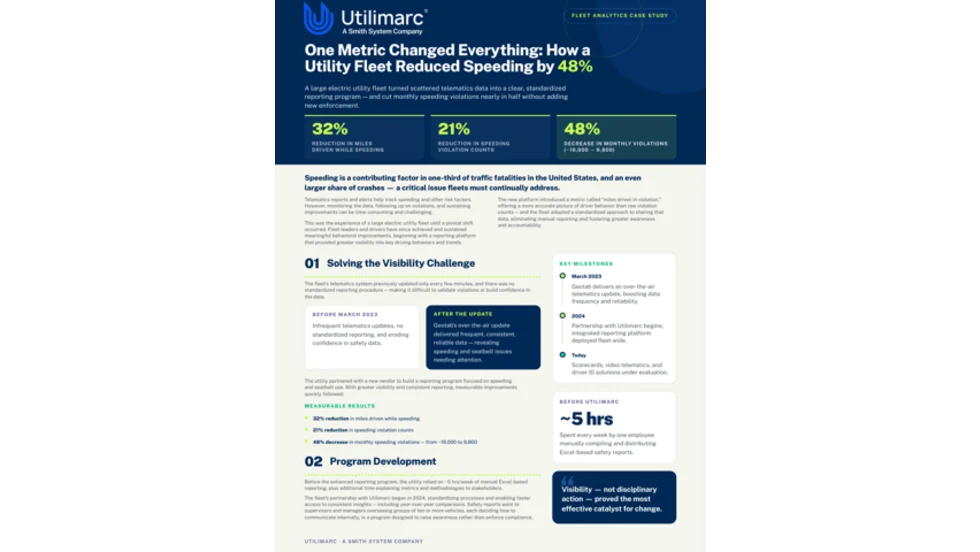
How Better Visibility Cut Speeding Violations by 48%
Fleet leaders don't need more data, they need clearer visibility into what the data is saying. This case study explores how one utility replaced speeding-event counts with a single metric — miles driven in violation — to strengthen safety and significantly reduce speeding violations.
Read More →