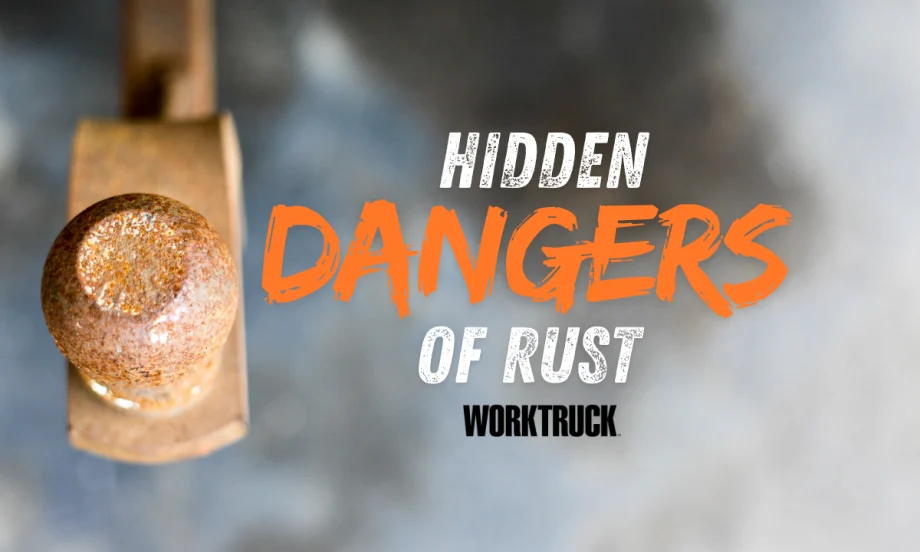
Unchecked rust on a trailer hitch can weaken towing strength and create safety risks for work truck fleets.
Photo: Work Truck
2 min to read
Trailer hitches work hard in fleet operations, whether they’re pulling equipment trailers, hauling materials, or supporting jobsite loads, but they’re often out of sight and out of mind until rust sets in.
Ad Loading...
Corrosion is a common issue, especially in regions where road salt and moisture are part of daily driving. Cortec Corporation shares some practical ways drivers can protect their tow hitches and avoid costly or dangerous surprises.
Ad Loading...
Why Do Trailer Hitches Rust?
Most hitches are made of steel, which makes them strong but also prone to oxidation. Exposure to rain, snow, and deicing salts accelerates corrosion. Over time, that rust doesn’t just look bad, it can compromise the metal’s strength and ability to safely carry a load.
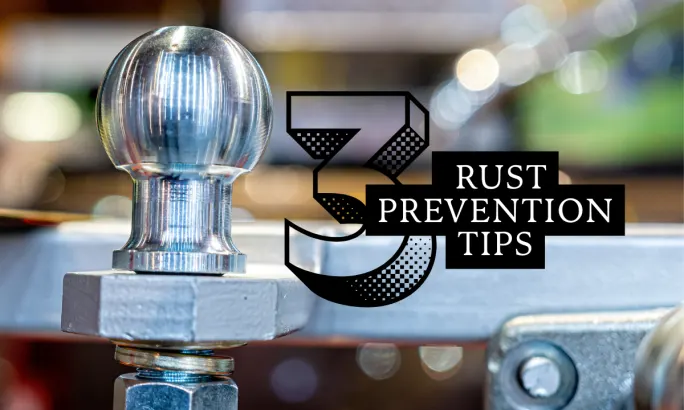
Top Tips to Prevent Hitch Rust:
Wash regularly. Road salt, dirt, and grime speed up corrosion. A simple rinse, especially in winter, helps extend the life of your hitch.
Use the right cleaners. Alkaline cleaners with flash rust protection can provide an extra safeguard during washing.
Apply protective coatings. Drivers can go further by applying a protective barrier:
A waxlike temporary coating such as VpCI-389 water-based coating offers a removable shield against moisture.
A permanent epoxy/urethane system such as VpCI-395 + VpCI-396 provides a tougher, long-term defense against corrosion.
Regular cleaning, protective coatings, and rust converters help keep trailer hitches strong and ready for the load.
Photo: Work Truck
What Should Fleets Do if Rust Has Already Formed?
If you spot rust, inspect the hitch first. If corrosion has eaten too deeply, the hitch may no longer be safe to use. If it’s still structurally sound, Cortec Corp., recommends these solutions:
Remove the rust. Rust removers, such as VpCI-423, can break it down when applied, then rinsed and neutralized with a solution like VpCI-414 to protect against flash rust.
Convert and protect. Rust converters, such as CorrVerter Rust Converter Primer, transform corrosion into a stable, passive layer that turns black as it dries. This leaves the surface ready for a follow-up protective coating.
Ad Loading...
The Long-Term Value A Hitch That Lasts
Rust on a trailer hitch might not seem urgent, until the moment you need it most. For work truck fleets, that moment could mean the difference between getting critical equipment to a jobsite on time or dealing with costly downtime and potential safety hazards. A compromised hitch not only risks the load but also the vehicle, the driver, and everyone else on the road.
With regular care and preventive steps, such as routine washing to remove salt and grime, applying protective coatings, and using rust converters when needed, fleets can extend the service life of their hitches and avoid unexpected failures.
Smart rust management doesn’t just protect equipment; it helps keep operations running smoothly and ensures every hitch is ready to bear the load safely when called into action.
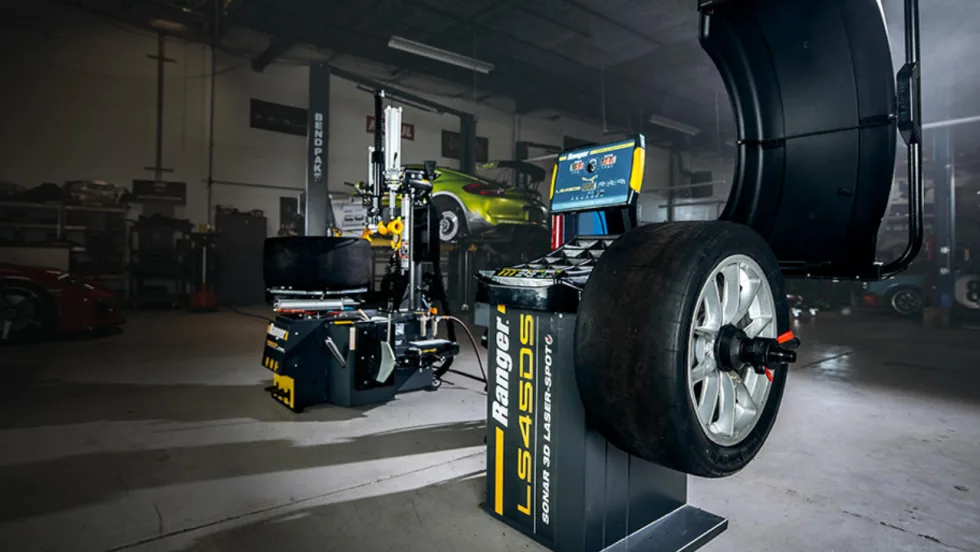
Les Schwab Tires has expanded into Arizona with two commercial tire locations in Phoenix and Tucson, strengthening its fleet service footprint in the Southwest.
Unattended over-the-air software updates are now available in Volvo trucks across the U.S. and Canada. The new capability lets trucks stay current with the latest software without interrupting operations or requiring a dealership visit.
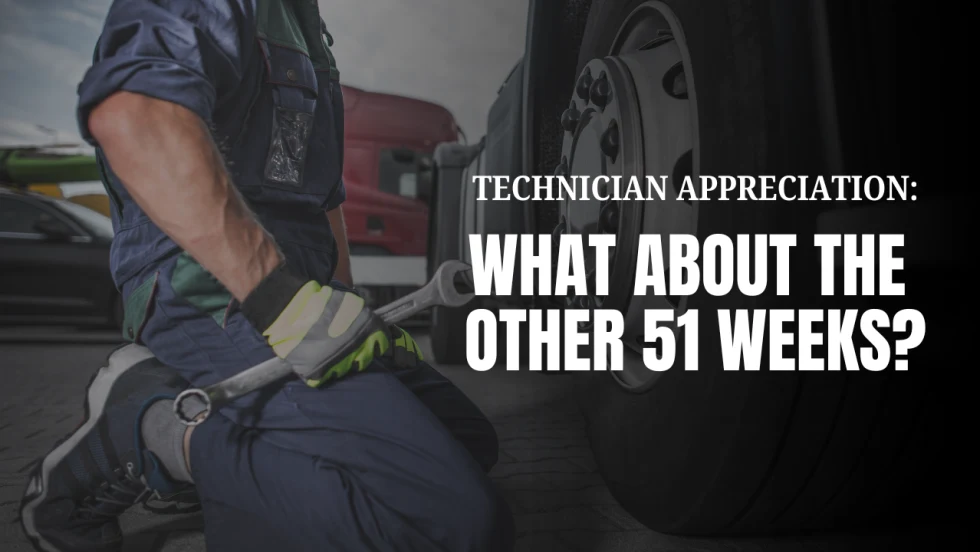
For fleets trying to keep skilled technicians, recognition cannot begin and end with Technician Appreciation Week. Learn what year-round appreciation really looks like and why the everyday technician experience matters just as much as pay when fleets are trying to keep good people.
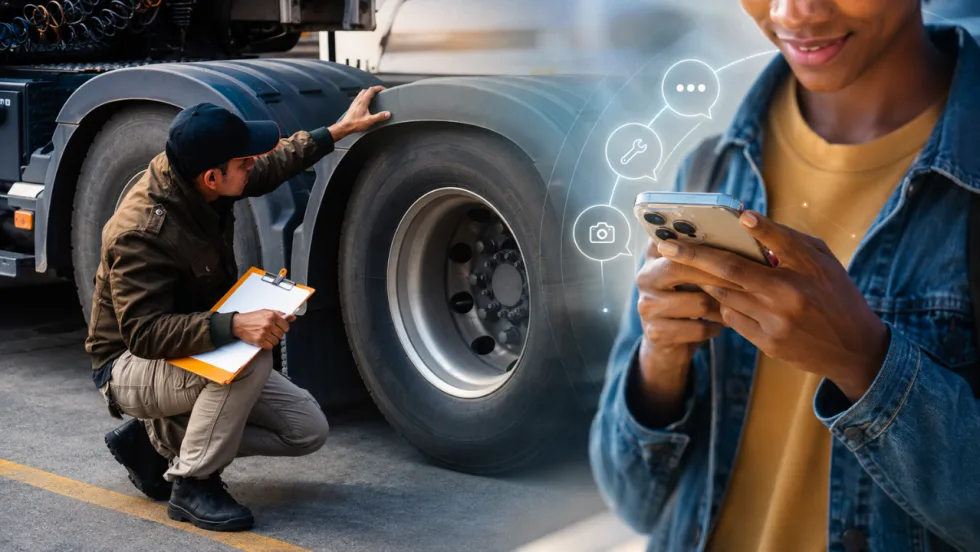
When minor damage, warning lights, or equipment issues are reported late, small problems can quickly become bigger maintenance headaches. Conversational AI can help shorten the path from what a driver notices in the field to the person who can act on it.
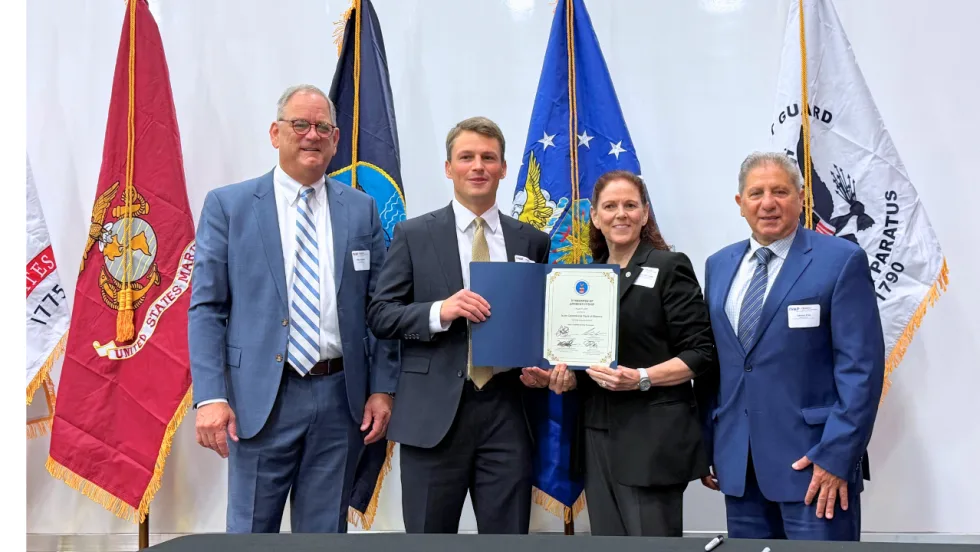
The Isuzu Veterans Apprenticeship Program (IVAP) signing ceremony highlighted Isuzu’s long-term commitment to veterans, Isuzu dealers, and the skilled workforce supporting its customers and the commercial transportation industry.
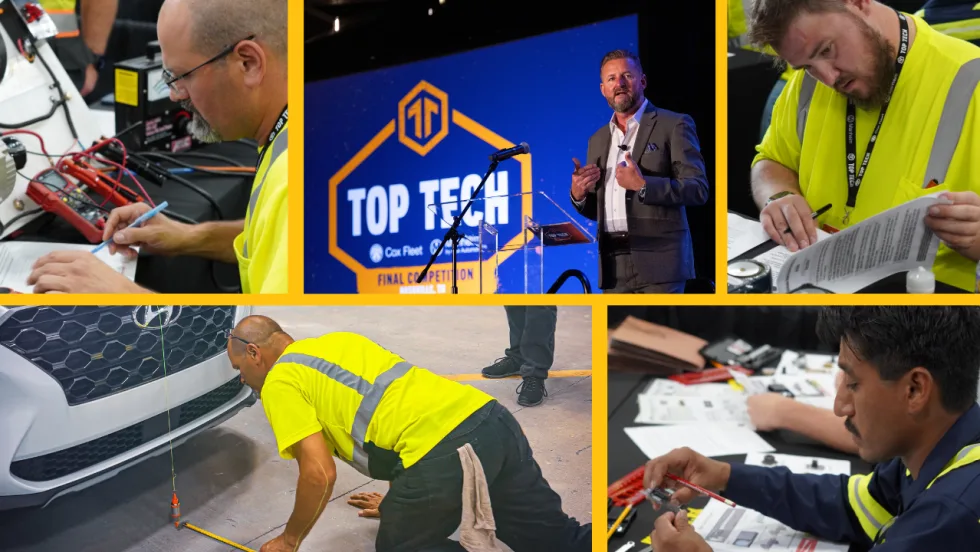
The top technicians from Cox Fleet and Manheim tested their skills in Nashville, Tennessee, at Cox Automotive’s 2026 Top Tech Finals. The overall winners will advance to compete at the American Trucking Association’s TMC SuperTech competition.
Grote Industries has appointed Patrick Smith as vice president of North American operations as it celebrates 125 years of innovation and manufacturing excellence. He has more than 20 years of manufacturing leadership experience.
Cold weather can expose weak batteries, tires, fuel systems, and maintenance gaps fast. Use this winter fleet checklist to prepare trucks and drivers before temperatures drop.