




Regulators Want Truck Drivers to Shape Up
KANSAS CITY, MO - Truckers are more likely than average Americans to be overweight, which can lead to health problems including sleep apnea. Federal regulators have announced plans to step up scrutiny of sleep apnea and other health issues affecting truckers, a move that has put them on notice to get healthy.
KANSAS CITY, MO - Truckers are more likely than average Americans to be overweight, which can lead to health problems including sleep apnea. Federal regulators have announced plans to step up scrutiny of sleep apnea and other health issues affecting truckers, a move that has put them on notice to get healthy, according to KCUR.
Sleep apnea disrupts sleep and causes fatigue — contributing to thousands of crashes a year. No one knows for sure because the government has never required that drivers be tested.
However, doctors writing federal transportation policy believe that up to 40 percent of professional drivers are significantly overweight.
Truck driver Marty Ellis blames the job. "Since I went to work here, I've gained 100 pounds — because you're sedentary," Ellis says. "This is your job — to sit behind this wheel."
Trucker drivers often sit for 10 or 11 hours a day, weeks at a time, many of them, following the work. Ellis says it's hard to arrange a checkup, harder still to park a 70-foot-long truck and trailer at the doctor's office.
"Most of us don't go to the doctor. We just, stay clear of 'em, and we just keep going," Ellis says. "A lot of owner operators out here don't have insurance."
Truckers do have to get a medical exam at least every two years to qualify for their commercial driver's license. But many have been free to choose doctors who might overlook red flags, like obesity, which can trigger sleep apnea. And that can lead to fatigue, which a federal study shows to be a factor in 13 percent of truck crashes. The American Trucking Associations says nearly a third of drivers are likely suffer from sleep apnea, but the government has never required truckers to be tested for it. Ellis says they've always dealt with it on their own.
"I mean, before it didn't really matter. As long as you could drive down the road it really didn't matter. And now the regulations are starting to say, if you don't do this or you don't do that you may not drive anymore — it's something you really, really have to think about," Ellis says.
Trucker Trainers
Dr. Maggie Gunnels, who serves on a panel that's rewriting health regulations for truckers, says the panel's job is to remove high-risk operators from the road. "It's safer for them, and it's safer for the American public who travel," Gunnels says.
The panel published proposed rule changes months ago. The Federal Motor Carrier Safety Administration will begin to formalize them soon, starting by establishing a registered pool of approved health screeners. Soon to follow: systematic screening for sleep apnea.
"So, I would say it's time to invest in your health. Hopefully many of them have started, and there are some great programs out there already for truckers," Gunnels says.
Greg McDermand, who works for a company that sells mobile sleep apnea treatment machines to truckers, encourages them to get a little bit of exercise. "We actually encourage the guys just to walk around your truck twice every day. Just get out and get some kind of exercise," McDermand says.
And the fitness industry's is getting in on it, too. In an exercise video, Bob Perry works out with heavy chains and a big tire, stuff truckers may have on hand.
"It's just now reached the tipping point. Every day we're seeing an increase of drivers who say, 'I need to lose weight,'" Perry says.
Perry is the president of Roadside Medical Clinics, a company opening clinics at truck stops.
And an organization called the St. Christopher Fund is taking health screening on the road.
Jon Osborn roams the country in campers called Medical Resource Vehicles loaded with medical diagnostic equipment. A former trucker, Osborn has lost 100 pounds in the past few years.
Osborn suggests that because truck drivers have limited room in their trucks, they keep an alloy folding bike in their cabs — the kind you might expect to see an elderly person riding — so they can get some exercise. It may be kind of a stretch to imagine that happening in the macho cap-and-cowboy-boot culture of trucking. But it's a step in the direction that more and more truckers will be taking, as they try to improve their health, before the government steps in, reported KCUR.
More Safety
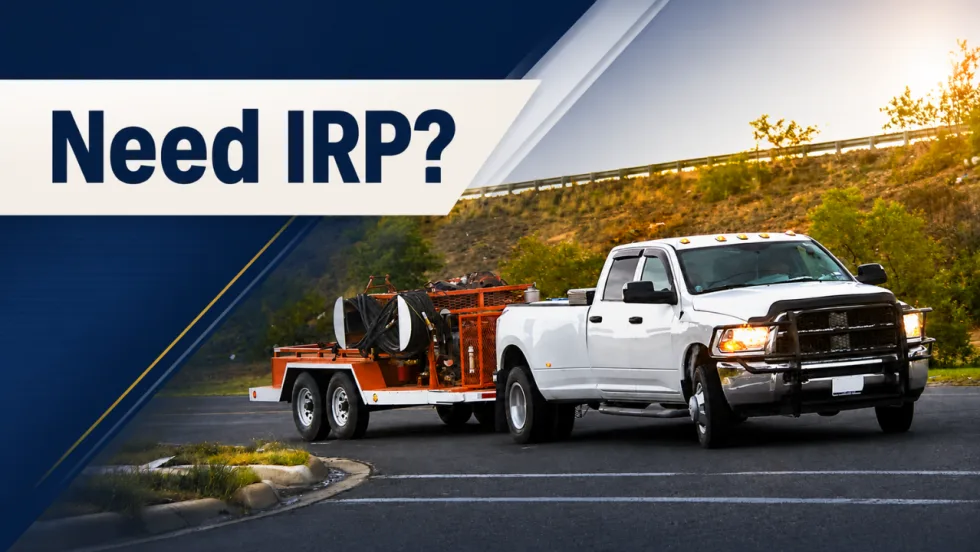
When Work Trucks Under 26,001 Pounds Need IRP Registration
Think trucks under 26,001 pounds are automatically in the clear when it comes to IRP? Not always. Learn where lighter vehicles can still run into trip permit, apportioned registration, and IFTA compliance requirements when crossing state or provincial lines.
Read More →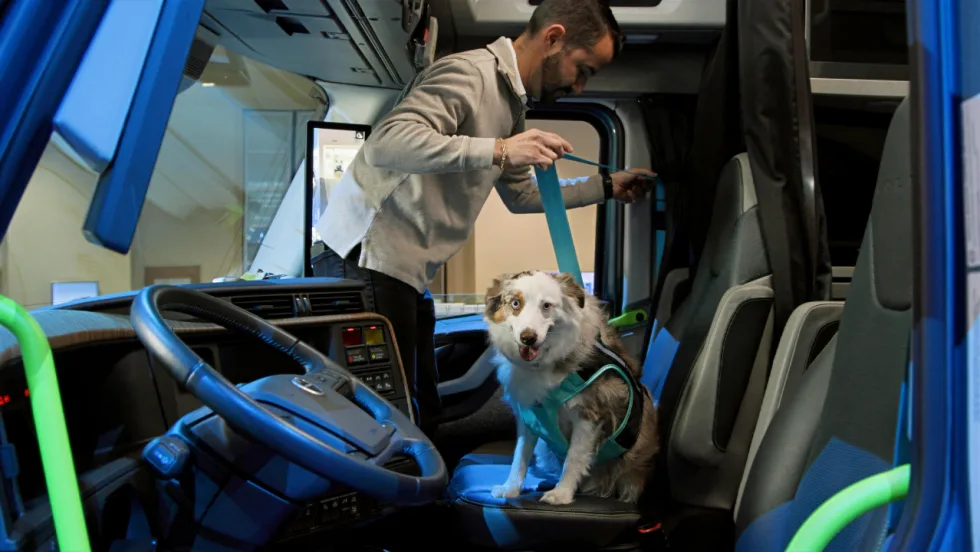
Volvo Trucks Releases New Safety Recommendations for Traveling with Pets
One of the most important recommendations for professional drivers traveling with pets is to ensure pets are properly restrained while the truck is moving. Other tips are available in the new guide from Volvo Trucks North America and Center for Pet Safety.
Read More →
API Issues Refueling Safety Guidelines
The American Petroleum Institute offers a list of safe vehicle refueling guidelines, including ways to avoid potential problems with static electricity discharges in fall, winter, and early spring.
Read More →
Winter Fleet Prep: Expert Tips to Keep Vehicles Running Smoothly
Cold weather can expose weak batteries, tires, fuel systems, and maintenance gaps fast. Use this winter fleet checklist to prepare trucks and drivers before temperatures drop.
Read More →
When a Work Truck Breaks Down, the Job Can Stop, Too
A work truck breakdown can stop more than the vehicle. Discover how payloads, jobsites, and specialty equipment change the roadside response.
Read More →
What Stronger Long-Term Fleet Service Partnerships Actually Require
Fleet service partnerships rarely fall apart all at once. Learn the three warning signs that trust is eroding and what fleets and providers can do before downtime, frustration, and lost revenue follow.
Read More →
Applause & TRUCE Software Partner to Improve Driver Safety Through AI-Powered Telematics & Employee Performance Management
Applause has integrated TRUCE driving metrics directly into its employee-first performance and safety platform that transforms mobile devices into AI-powered telematics.
Read More →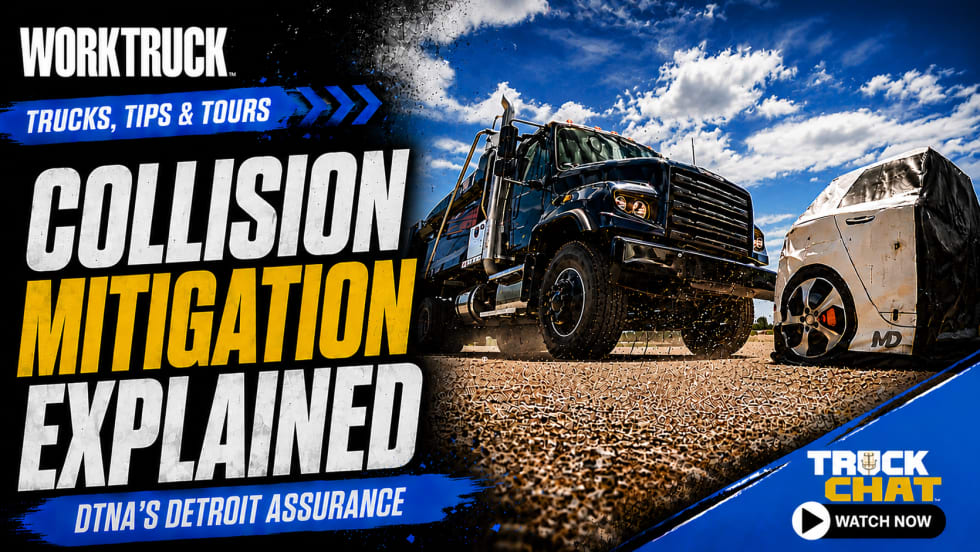
How Detroit Assurance with Active Brake Assist Works
Do you want to see what it is like to experience Detroit Assurance’s Active Brake Assist? In this video, Work Truck will put you in the cab to see how it all works and then hear more details from DTNA’s Mike Young.
Read More →
Get Left of Loss: A 5-Step Workplace Violence Prevention Framework for Fleet Operators
Violence risks do not stop at the driver’s door. Learn five practical steps fleets can take to spot threats early and protect workers before loss occurs.
Read More →
How Better Visibility Cut Speeding Violations by 48%
Fleet leaders don't need more data, they need clearer visibility into what the data is saying. This case study explores how one utility replaced speeding-event counts with a single metric — miles driven in violation — to strengthen safety and significantly reduce speeding violations.
Read More →