





Learn More: Achieving Optimal Tire Performance for Small & Medium Fleets
Recycling of End-of-Life Tires Has Stalled
While tires remain one of the most recycled products in the U.S., end-of-life markets are not keeping pace with the annual generation of scrap tires, reveals a new report released by the U.S. Tire Manufacturers Association (USTMA).
October 14, 2020
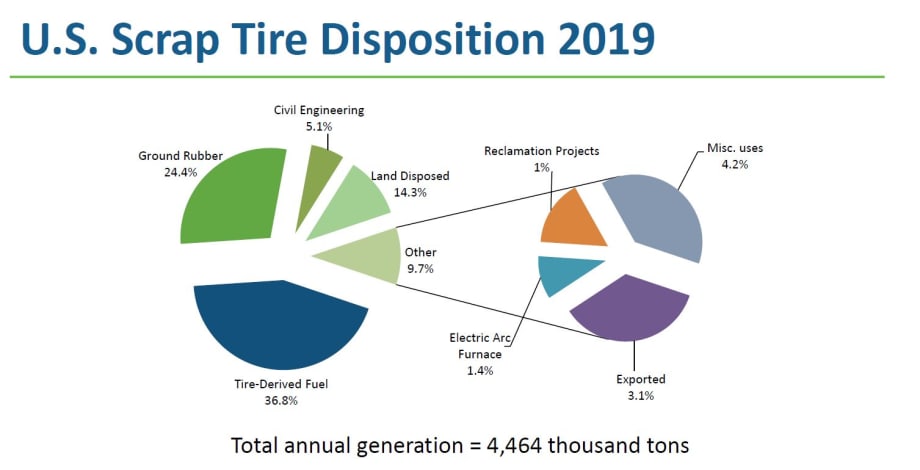
USTMA and its members work closely with state regulators, recyclers, and other stakeholders to manage scrap tires and develop recycle and reuse markets.
Source: USTMA
3 min to read
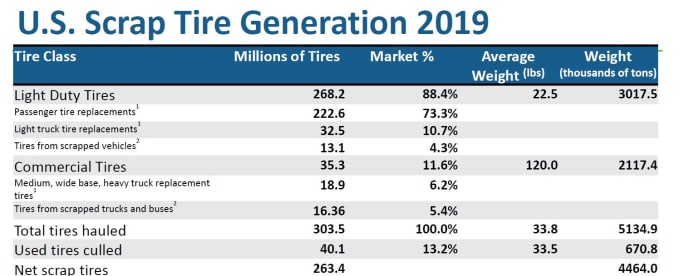
1 Factbook 2020: U.S. Tire Shipment/Activity Report for Statistical Year 2019, U.S. TireManufacturers Association.
2Earlier USTMA Scrap Tire Management Summary reports used Ward's Motor Vehicle Facts and Figures, scrapped vehicle data to calculate the number of scrapped vehicles. Ward's discontinued publishing this data in 2014 creating the need for a new approach. For the 2019 Scrap Tire Management Summary report, USTMA utilized the ratio of vehicles scrapped to vehicles sold for years 2000-2014 and applied that ratio to 2019 vehicle sales to produce the number of scrapped vehicles. USTMA estimated the split between cars and trucks/buses based on the average of split from Wards for 2002 -2012. This data assumes 2 tires scrappedfrom light duty vehicles and 2.5 tires scrapped from trucks and buses. Source of vehicle scrapped data, US DOT Bureau to Automotive Statistics, Table 4-58: Motor Vehicles Scrapped (May 21, 2017) https://www.bts.gov/archive/publications/national_transportation_statistics/table_04_58. Source of vehicle retail sales in the United States from 1978 to 2019 data, Wards Motor Vehicle Facts and Figures .
Source: USTMA
While tires remain one of the most recycled products in the U.S., end-of-life markets are not keeping pace with the annual generation of scrap tires, reveals a new report released by the U.S. Tire Manufacturers Association (USTMA).
The 2019 Scrap Tire Management Report –USTMA’s 14th – reveals that almost 76% of scrap tires were recycled in products such as rubber modified asphalt, the manufacturing of automotive products and mulch for landscaping and other products, and tire-derived fuel in 2019. This is down from 96% in 2013, when scrap tire recycling peaked.
“Three decades after we successfully eliminated 94% of the over 1 billion scrap tires stockpiled around the country, this report reveals that efforts to find and develop new uses for scrap tires have stalled,” said Anne Forristall Luke, president and CEO of USTMA. “We must take immediate steps to grow new and existing markets to recycle 100% of scrap tires. This not only protects our health and the environment - it drives innovation and jobs.”
While the number of scrap tires generated each year grew by almost 7%, the total number of scrap tires recycled or reclaimed has not significantly changed since 2017.
The report found that 56 million scrap tires remain in stockpiles, mostly in Arizona, Colorado, Michigan, New Jersey, New Mexico, Texas, Virginia, and Washington, half of which–New Jersey, New Mexico, Texas, and Virginia — do not have active stockpile cleanup programs.
USTMA and its members work closely with state regulators, recyclers, and other stakeholders to manage scrap tires and develop tire recycle and reuse markets.
Michelin, Bridgestone, and Continental use recycled carbon black (rCB) to produce new tires. Michelin also partnered with Scandanavian Enviro Systems to increase end-of-life tire recycling using a pyrolysis process which converts scrap tires to new raw materials. Bridgestone joined with Delta-Energy Group to bring at-scale use of rCB to the tire market, and Continental works with Pyrolyx to help tire manufacturers scale up the production of rCB from scrap tires for use in products ranging from mobile phones to ink pens.
USTMA urges state regulators and federal law makers as well as recyclers, industry and environmental groups, and academic partners to do more to advance a circular economy. Specifically:
States must resist the urge to shift scrap tire funds away from their intended purpose: to grow scrap tire reuse and recycle markets, clean-up piles and enforce state laws. USTMA supports reasonable fees on the sale of new tires to manage state programs, like those collected in 35 states.
New public and private sector investments are needed to create innovation challenges, research the lifecycle impacts of scrap tires in different end use markets, and create a national portal for states to share data.
State and federal policies should encourage the growth of reuse and recycle markets including investments in sustainable infrastructure like rubber-modified asphalt and stormwater infiltration galleries, changes in state transportation specifications to allow the use of rubber modified asphalt, and consideration of scrap tires in climate policies.
More Maintenance & Uptime
Armor Equipment Strengthens Minnesota Service Capabilities with Acquisition of Dakota Truck
Armor Equipment has acquired Dakota Truck, a medium- and heavy-duty truck and trailer repair business based in Lakeville, Minnesota. The acquisition adds truck and trailer repair expertise, building on Armor’s expansion into the Upper Midwest.
Read More →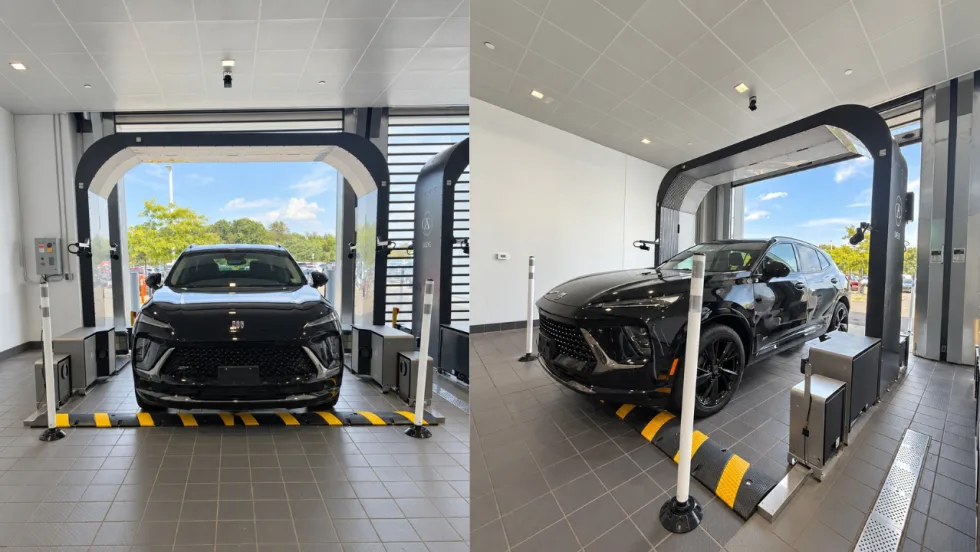
LaFontaine Partners With UVeye to Expand AI Vehicle Inspections in Michigan
LaFontaine is expanding UVeye AI vehicle inspections across Michigan, while UVeye tells Work Truck how the technology can support fleet maintenance and heavy-duty vehicle inspections.
Read More →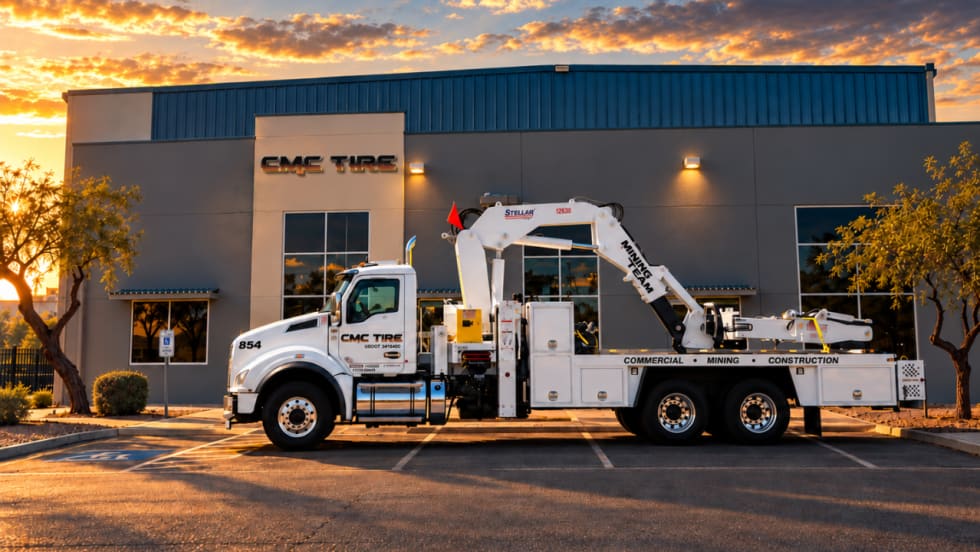
Les Schwab Expands Commercial Tire Footprint Into Arizona
Les Schwab Tires has expanded into Arizona with two commercial tire locations in Phoenix and Tucson, strengthening its fleet service footprint in the Southwest.
Read More →From Our Partners



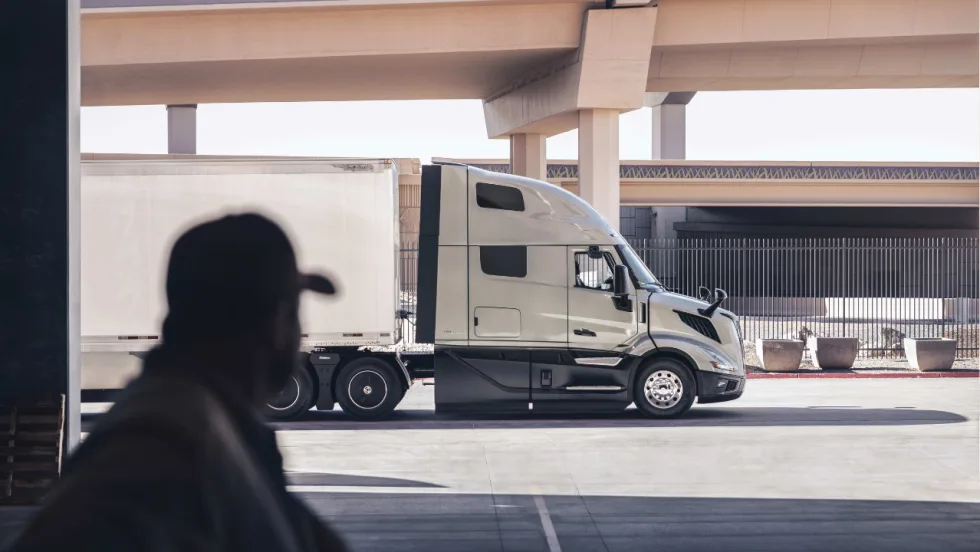
Volvo Trucks’ 'Lock and Leave' Software Updates Go Live Across North America
Unattended over-the-air software updates are now available in Volvo trucks across the U.S. and Canada. The new capability lets trucks stay current with the latest software without interrupting operations or requiring a dealership visit.
Read More →
Why Technician Appreciation Can’t Be a Once-a-Year Thought
For fleets trying to keep skilled technicians, recognition cannot begin and end with Technician Appreciation Week. Learn what year-round appreciation really looks like and why the everyday technician experience matters just as much as pay when fleets are trying to keep good people.
Read More →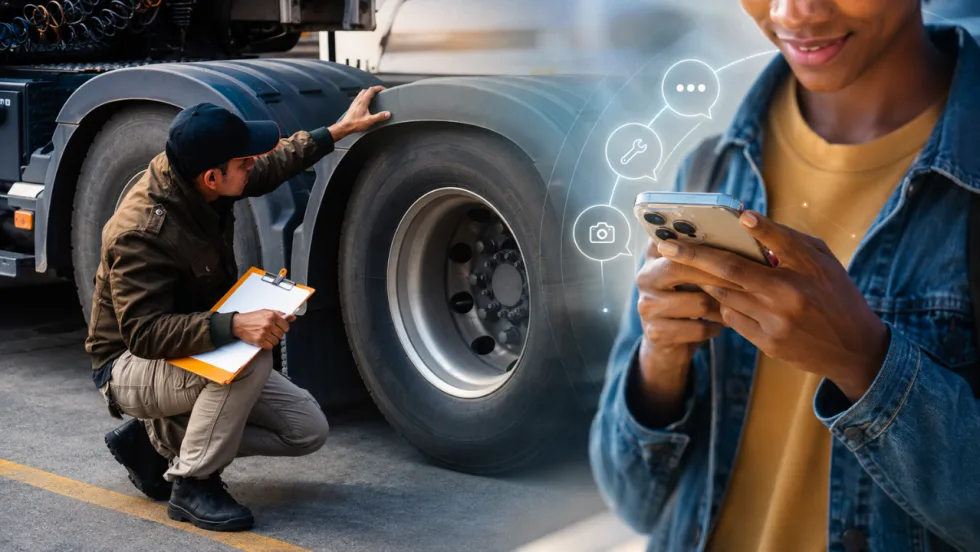
How Faster Driver Reporting Can Keep Small Truck Problems Small
When minor damage, warning lights, or equipment issues are reported late, small problems can quickly become bigger maintenance headaches. Conversational AI can help shorten the path from what a driver notices in the field to the person who can act on it.
Read More →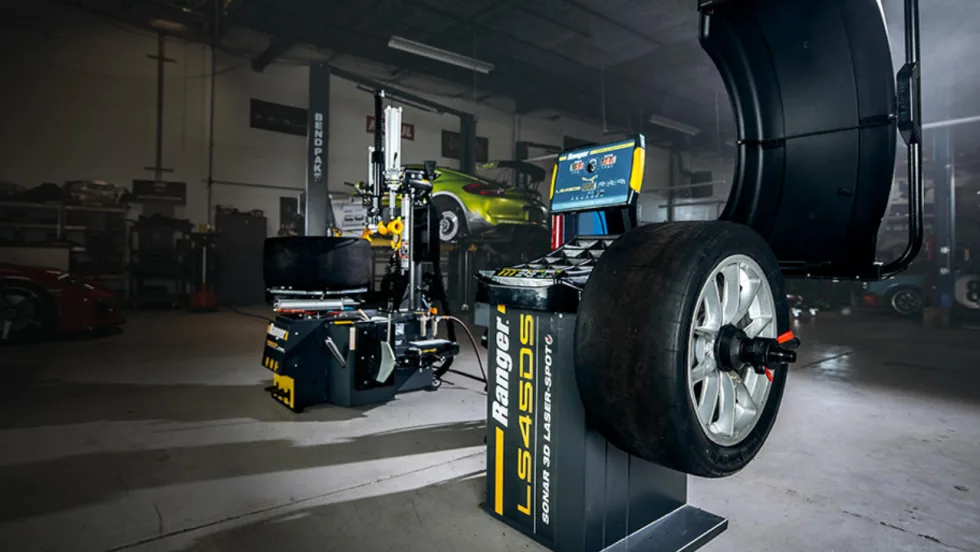
BendPak’s Ranger Wheel Service Equipment Achieves North American Safety Certification
BendPak’s full line of Ranger tire changers and wheel balancers has been ETL certified to UL and CSA standards to improve operator safety.
Read More →
Isuzu & U.S. Department of Labor Celebrate Milestone for Veterans Apprenticeship Program
The Isuzu Veterans Apprenticeship Program (IVAP) signing ceremony highlighted Isuzu’s long-term commitment to veterans, Isuzu dealers, and the skilled workforce supporting its customers and the commercial transportation industry.
Read More →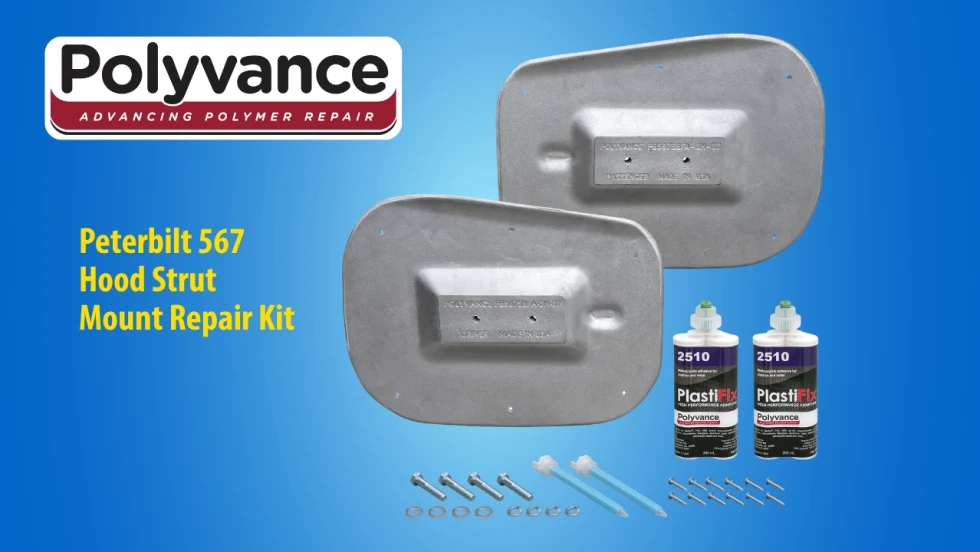
Polyvance Introduces New Peterbilt 567 Hood Strut Mount Repair Kit
Polyvance has launched a repair solution for Peterbilt 567 hood struts, helping truck owners and repair facilities avoid costly hood replacements.
Read More →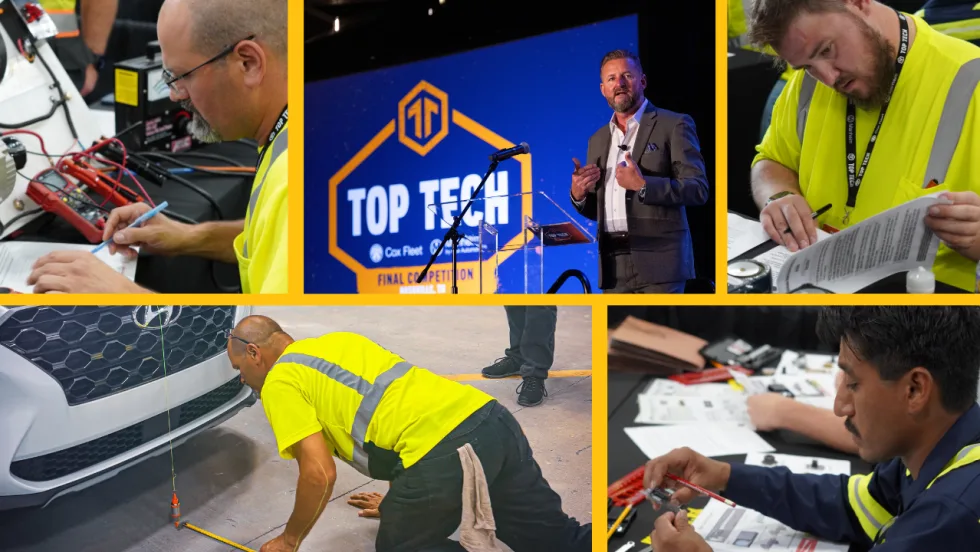
Cox Automotive Celebrates Technical Excellence at 2026 Top Tech Finals
The top technicians from Cox Fleet and Manheim tested their skills in Nashville, Tennessee, at Cox Automotive’s 2026 Top Tech Finals. The overall winners will advance to compete at the American Trucking Association’s TMC SuperTech competition.
Read More →