When considering a tire, factors such as miles to removal, durability, traction, fuel efficiency, and retreadability should be considered.
3 min to read
Fleets are increasingly looking for ways to gain efficiencies and cost savings. As tires can be among the largest expense for a fleet, working to optimize tire performance can provide significant benefits over time.
Ad Loading...
Choose the Right Tire
Selecting the appropriate tire is critical in helping to achieve optimal tire performance. When considering a tire, factors such as miles to removal, durability, traction, fuel efficiency, and retreadability should be considered.
Ad Loading...
Additionally, understanding steer, drive, and trail designs, as well as what tires are intended to do, is important during the selection process.
“Optimal tire performance starts with accurate tire selection for a fleet’s application,” said Dustin Lancy, Goodyear’s commercial product manager for regional and urban.
He recommends that fleets work with their local tire dealers to define what is most important to them regarding tire performance and what their tires will be tasked to do daily.
Dealers also have the expertise and experience to guide fleets to the most appropriate product for their applications.
Maintain Proper Tire Inflation
Maintaining proper tire inflation is also an essential element in achieving optimal tire performance. Conditions such as under- and over-inflation can directly impact a tire’s wear rate, fuel efficiency, and retreadability.
Ad Loading...
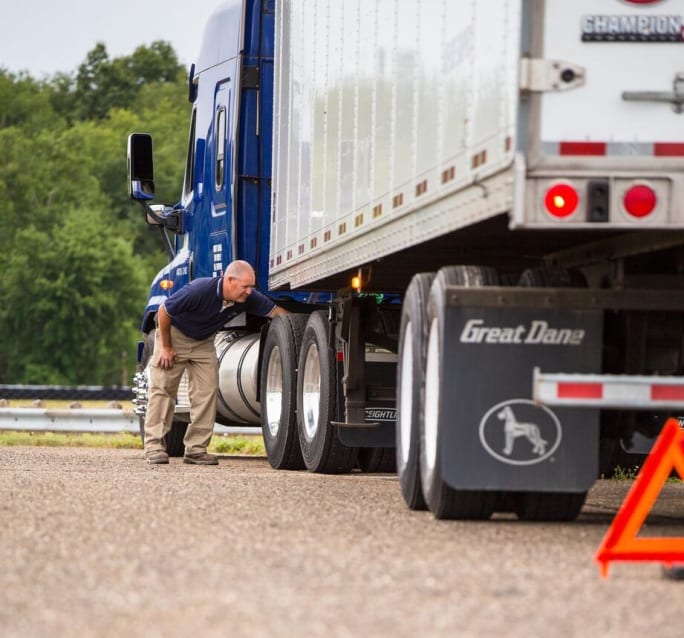
“Low tire pressure is a leading source of tire failure,” Lancy said. “Under-inflation causes the tire casing to flex during use and generate heat, which can lead to complications and roadside downtime. To help avoid this, we recommend using the correct pressure according to load recommendations and monitoring tire pressure often while on the road.”
Goodyear Tire Management for Fleets
Goodyear Tire Management focuses on four primary products to assist fleets:
Goodyear Tire Optix – A digital inspection toolset to help fleets quickly and accurately detect critical tire data, such as tire pressure, tread depth, and tire wear, with real-time alerts.
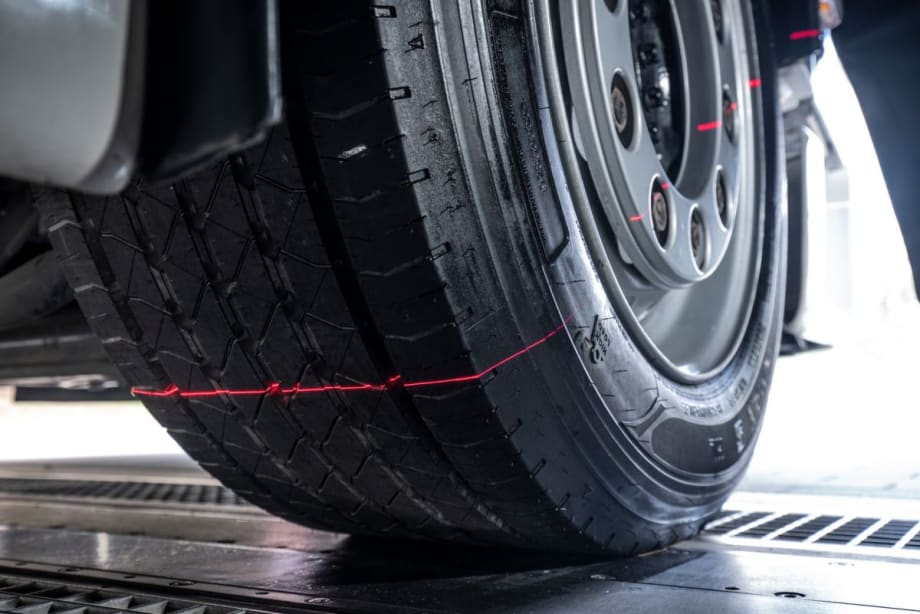
Goodyear CheckPoint – A drive-over reader device that provides automated inspections of tire health, including pressure and tread depth.
Goodyear TPMS Plus – An on-vehicle, active monitoring system that evaluates tire conditions in real-time, helping fleets identify critical issues such as tire air leaks and high temperatures.
Goodyear TireReady – A comprehensive tire management solution that is custom-designed to meet the specific needs of individual fleets. Goodyear and its dealer network will manage and optimize the entire lifecycle of a tire, allowing fleets to focus on their core business.
With the help of a robust tire management program, fleets can work to obtain optimal tire performance.
Utilize Tire Management
Implementing a proper tire management program, which includes regular inflation checks, can greatly assist fleets in achieving increased tire performance and longevity while reducing common pain points.
Establishing a program to routinely check tire conditions and wheel positions can help fleets gain an understanding of how their tires are performing currently and where potential service may be needed. A robust tire management program can help identify potential issues before they turn into costly roadside service emergencies.
“At Goodyear, we aim to arm fleets with products and services that help them to proactively and efficiently manage their daily operations,” Lancy said. “Goodyear’s Complete Tire Management program offers best-in-class tire monitoring, insights, and services to help fleets achieve improved tire life, reduced emergency service costs, and increased overall uptime.”
The program includes Tire Optix, a digital inspection toolset that collects critical tire data, Goodyear CheckPoint, a drive-over reader device; Goodyear TPMS Plus, an on-vehicle monitoring system that tracks tire conditions in real-time; and Goodyear TireReady, a tire management solution.
Ad Loading...
With the help of a robust tire management program, fleets can work to obtain optimal tire performance, according to Lancy.
“Regularly scheduled tire health checks and maintenance can not only help fleets achieve short term benefits, such as increased uptime, but they can also help fleet managers better forecast future tire service and purchase needs, ultimately assisting in cost savings over time.”
Vigilant tire management also will help fleets preserve the integrity of their truck tire casings, which, in turn, will help boost tire retreadability.
A new referral partnership connects on-site fueling and maintenance services, with a focus on reducing off-site trips and making better use of fleet downtime.
Unplanned downtime hurts efficiency and even profitability for work truck fleets, but catching potential problems early can help prevent it. Here is an inspection list that can help potentially prevent that downtime.
Hunter Engineering’s collaboration with Bosch enables ADASLink to connect directly with Bosch diagnostic experts through an integrated remote support platform, allowing shops to service more vehicles.
Mack Trucks introduced four system-specific chassis coverage plans, giving fleets more flexibility to manage repair costs for driveline, HVAC, electronics, safety systems, and other components.
The GM Automotive Service Technicians 30 Under 30 program honors GM service technicians under the age of 30 who demonstrate continuous technical training, exemplary customer service, mentorship, and leadership.
A strategic partnership between Kooner Fleet Management Solutions and Safe Truck Parking brings mobile maintenance and 24/7 repair services directly to Safe Truck Parking locations, beginning in San Diego, California, with nationwide expansion planned.
Meter readings still matter, but engine hours, idle time, maintenance trends, and utilization can help fleets spot costly vehicles before the odometer does.
Every business decision within fleet management ultimately comes down to financial performance. Investing in dependable replacement powertrain components and responsive support can measurably impact the bottom line.
Hosted in Nashville, Ryder’s 25th annual Top Technician Skills Competition honored the best technicians across the U.S. and Canada. Top Tech celebrates technician expertise while promoting growth, recognition, and camaraderie. Here are the winners.