




Pothole Damage a 'Frequent Repair' in Fleets
Pothole damage to fleet vehicles has become a frequent repair item, especially in late winter months when melting snow and thawing pavement opens up new cracks and damage to roadways, fleet management companies told AutomotiveFleet.com.

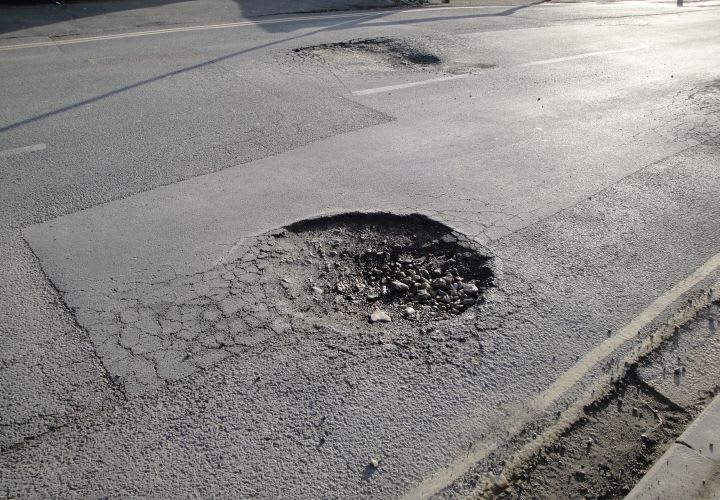
Photo via Wikipedia.
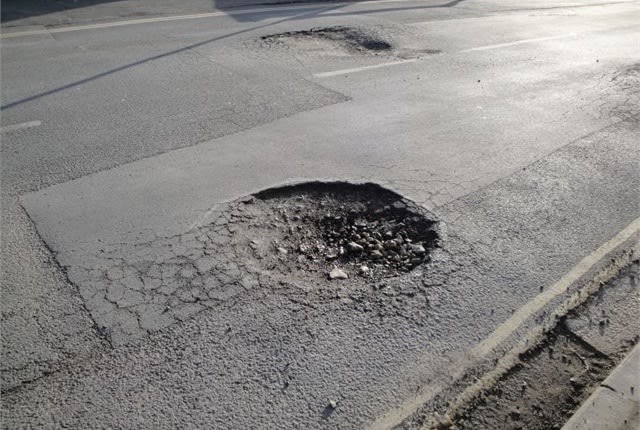
Photo via Wikipedia.
Pothole damage to fleet vehicles has become a frequent repair item, especially in late winter months when melting snow and thawing pavement opens up new cracks and damage to roadways, fleet management companies told AutomotiveFleet.com.
Pothole damage to fleet vehicles likely mirrors pothole damage to non-fleet vehicles. Pothole damage to vehicles is costing drivers an average of $3 billion per year, according to a new AAA study.
"We know anecdotally that pothole damage is a frequent repair in the winter months," said Bill Byrnes, vice president contact center operations with Donlen. "We would suspect that pothole damage for fleets would be the same as the general vehicle population. We do know that pothole damage is usually manifested by wheel replacement."
In January, Donlen processed 200 wheel damage purchase orders, which is relatively low when compared to all of the purchase orders processed in the month, Byrnes said.
Pothole damage is more pervasive in fleets that operate in snowbelt states such as Michigan, New York, Ohio, Wisconsin, northern Illinois, and northern Indiana, said Bill Jones, director of product management for Element Fleet Management.
"It's an issue across the U.S., but we see higher incidents of potholes due to freezing and thawing cycle in the snowbelt," Jones said.
The AAA study found that American drivers report paying an average of $300 to repair pothole-related vehicle damage.
Pothole damage can be costly because damage can extend beyond just the wheel of the vehicle, said Dan Shive, vice president of risk management services for LeasePlan USA.
"Damage caused by potholes is actually collision-related — not mechanical," Shive said. "Even if it involves just a tire or rim, there could always be more undercarriage damage that drivers don't see. This can be an issue for fleet vehicles, as damage is usually considered preventable in nature."
However, fleets can take steps to limit the impact of pothole damage on operating costs, Jones added. Drivers can be coached on how to approach a pothole or other poor road conditions.
"Maintain vehicle condition and proper tire inflation," Jones said. "Safely try to avoid deteriorating road conditions. If you should hit a pothole, when safe, visually inspect the tire, wheel, vehicle for obvious damage. If in doubt, or if there's a new noise/sound/vibration or the vehicle steering 'pulls,' have the vehicle inspected by a qualified technician as soon as possible."
Originally posted on Automotive Fleet
More Maintenance & Uptime
Entegral & GEICO Partner to Enhance Auto Claims Experience
GEICO is deploying Entegral technology to support more efficient claim routing, clearer appointment communications, and more informed repair-provider selection.
Read More →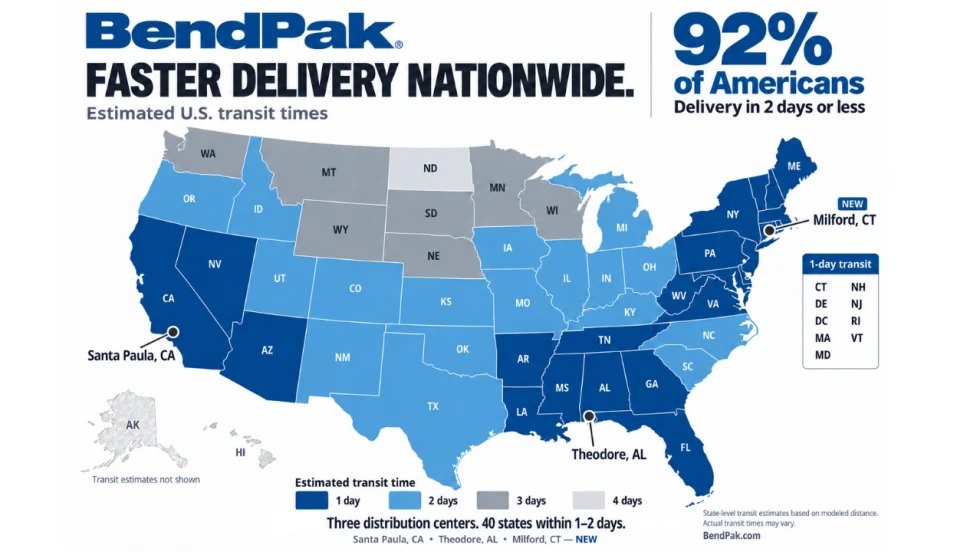
BendPak Opens Third Distribution Center to Accelerate Delivery
With the opening of a new distribution center in Milford, Connecticut, BendPak has expanded its network to deliver to 92% of Americans in two days or less. The company now operates three distribution centers.
Read More →
New STLE Special Report Examines Next-Generation Gear Lubricants for Electric Vehicles
Achieving the right balance of efficiency, durability, and electrical performance is critical in high-speed electric-vehicle drivetrains. The Society of Tribologists and Lubrication Engineers (STLE) released its new special report about EV lubrication.
Read More →From Our Partners
Basic Tracking vs Next Generation Fleet Technology
Sponsored by AT&T Business
5 Facts Every Fleet Manager Should Know About Embedded Telematics
Sponsored by Stellantis/Mobilisights
How AI Video Telematics Boosts Driver Safety and Helps to Avoid Unnecessary Costs
Sponsored by Verizon Connect

Charting the 8 Bottom-Line Benefits of Workforce Optimization
Sponsored by Verizon Connect

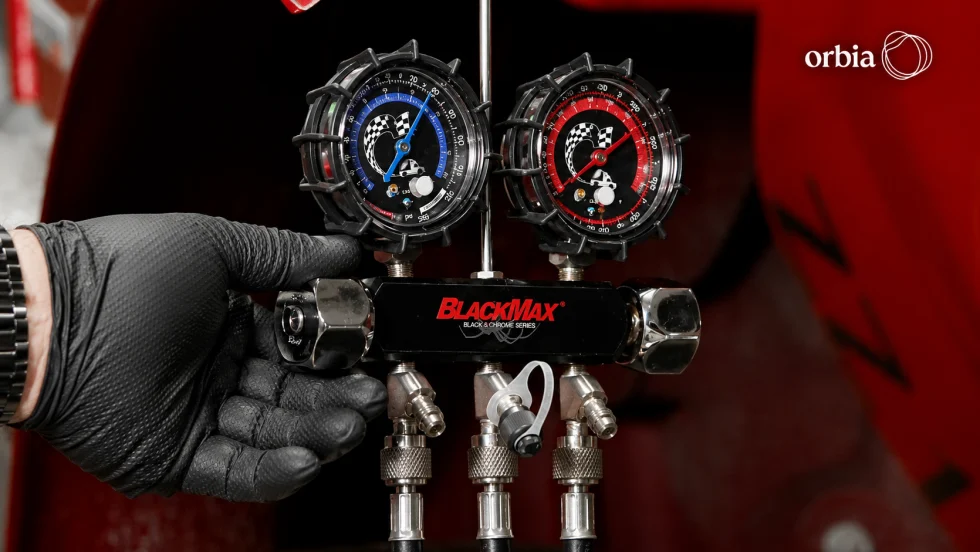
The Lost Art of Refrigerant Recovery
As new A/C refrigerants enter the market, fleet shops may already have many of the tools they need to service them. Here’s why revisiting basic refrigerant service skills could save equipment costs and get trucks back on the road faster.
Read More →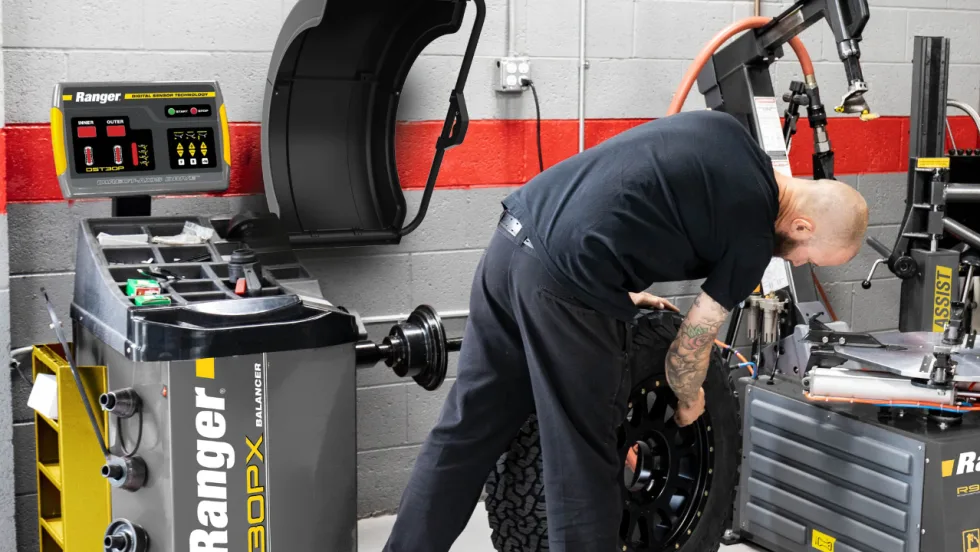
BendPak Launches Ranger DST30PX Balancer for Large Wheel Service
The new DST30PX Professional Wheel Balancer from Ranger Division of BendPak smoothly handles tires up to 43 inches with precision and accuracy.
Read More →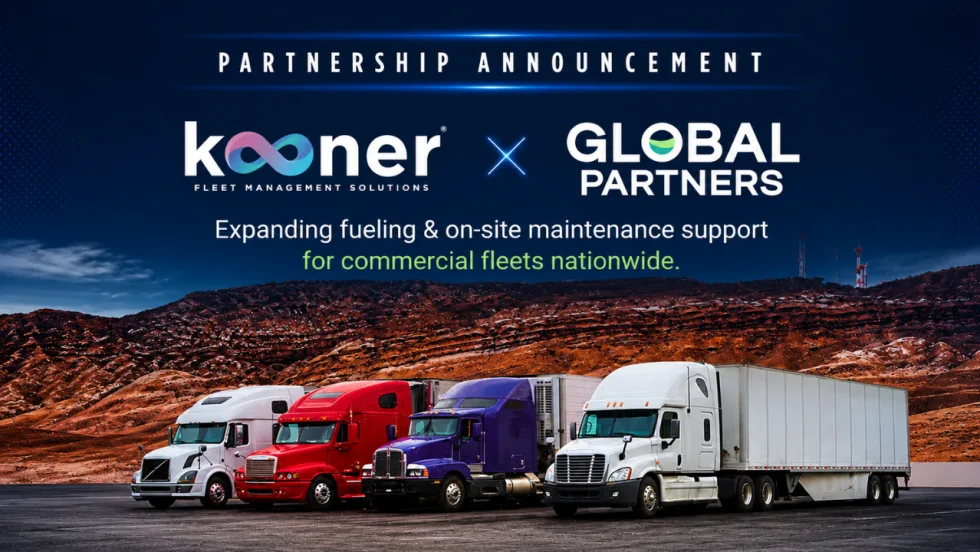
Kooner and Global Partners Connect Mobile Fleet Maintenance and Fueling Services
A new referral partnership connects on-site fueling and maintenance services, with a focus on reducing off-site trips and making better use of fleet downtime.
Read More →
Maintenance Failures That Sideline Work Trucks and the Inspection List That Catches Them Early
Unplanned downtime hurts efficiency and even profitability for work truck fleets, but catching potential problems early can help prevent it. Here is an inspection list that can help potentially prevent that downtime.
Read More →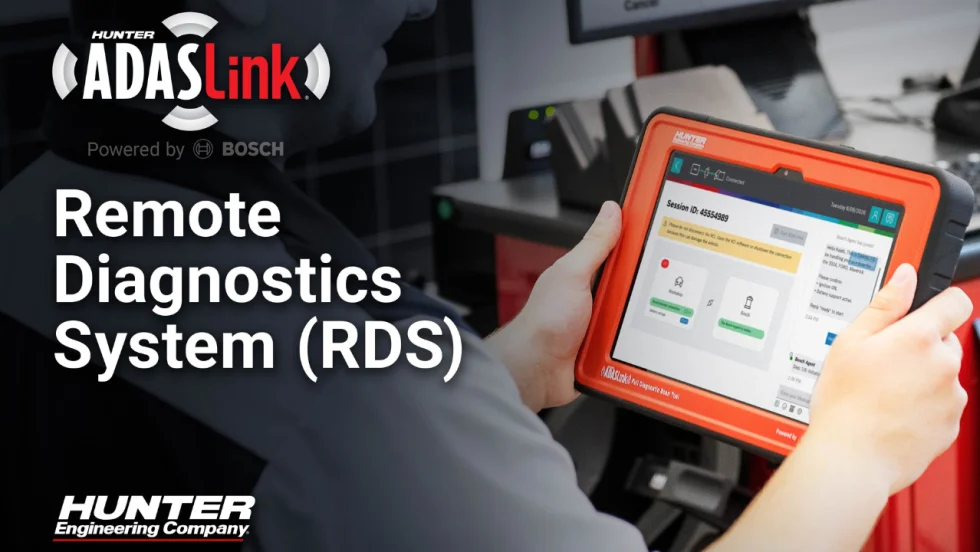
Hunter Engineering Enters Collaborates with Bosch for Remote Diagnostics Service Through ADASLink
Hunter Engineering’s collaboration with Bosch enables ADASLink to connect directly with Bosch diagnostic experts through an integrated remote support platform, allowing shops to service more vehicles.
Read More →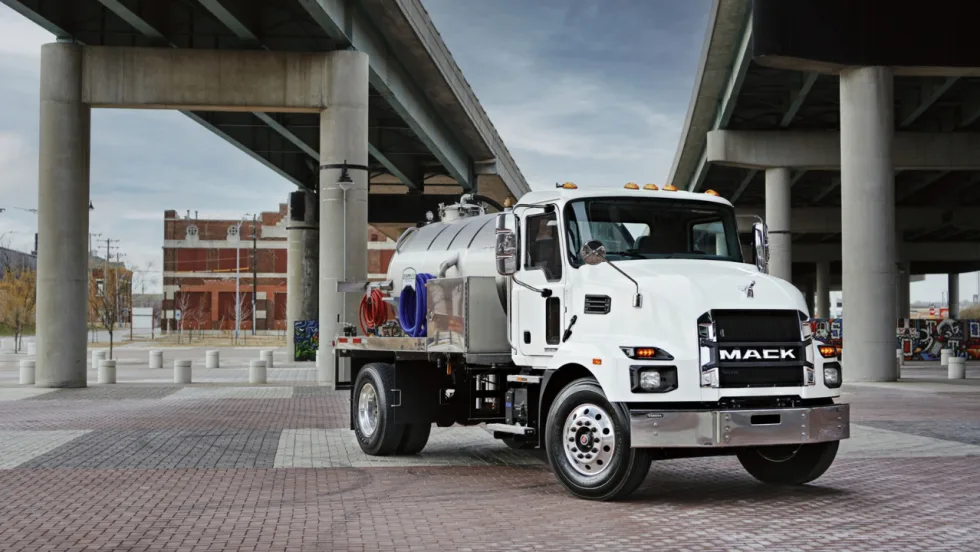
Mack Adds Chassis Coverage Options for Fleet Repair Costs
Mack Trucks introduced four system-specific chassis coverage plans, giving fleets more flexibility to manage repair costs for driveline, HVAC, electronics, safety systems, and other components.
Read More →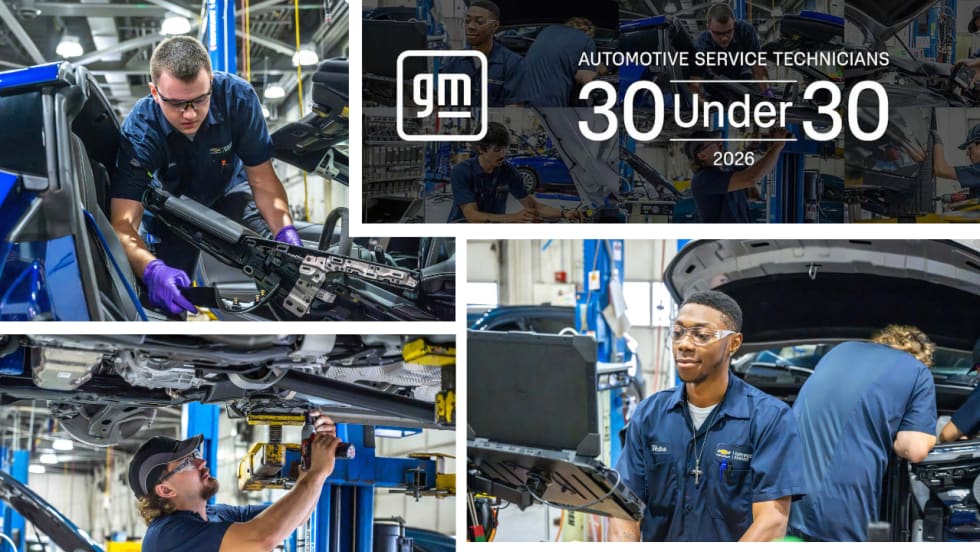
GM Launches ‘30 Under 30’ Program to Elevate Automotive Service Technicians and Inspire the Next Generation
The GM Automotive Service Technicians 30 Under 30 program honors GM service technicians under the age of 30 who demonstrate continuous technical training, exemplary customer service, mentorship, and leadership.
Read More →