





Related: 2019 Collision Investigation Highlights Continued Dangers of Distracted Driving
Post-Accident Strategies for Fleet Drivers
Some 6 million crashes occur on U.S. roadways every year and fleet drivers are at higher risk as they are behind the wheel more often.
January 27, 2022
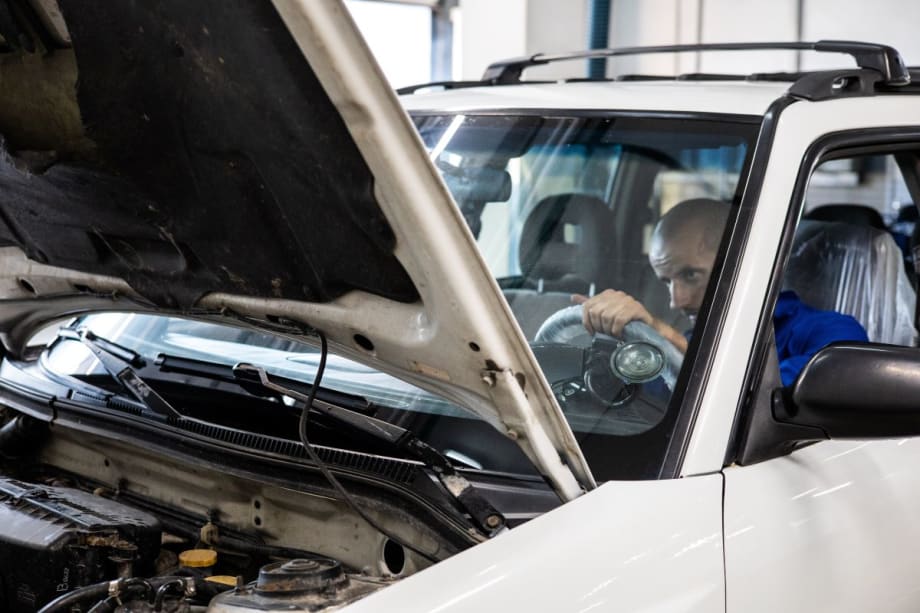
Now is a good time to remind your drivers of best practices following a collision.
Photo via pexels.com/Artem Podrez
2 min to read
Approximately 6 million crashes occur on U.S. highways and byways every year. Moreover, research shows that the average person drives about 15,000 miles every year and has a one in 15 chance of getting into an accident.
Now consider fleet drivers. They’re behind the wheel much more frequently than the average person, so their risk of a collision is higher.
Crashes that occur during parking situations still dominate the fleet industry, according to Automotive Fleet’s 2019 Accident Management Survey. Other top accident descriptions by survey respondents included other vehicles rear-ending fleet vehicles as well as fleet drivers rear-ending other vehicles.
Clearly, accidents happen and when they do, it can rattle the nerves of even the most seasoned drivers. Now is a good time to remind your drivers of best practices following an accident. Experts from LeaseCar.uk offer the following advice.
Check yourself — It’s natural to be concerned about your vehicle and damage, but it’s always wise to check yourself first and make sure you are safe and not injured.
Stop the vehicle — Pull over, make sure your vehicle is stationary, and turn on your hazard lights to alert other drivers from hitting you.
Call 911 — In the event you or anyone involved in the accident is injured, call 911 so that emergency professionals can attend to the problems immediately.
Don't apologize — Be courteous to the other motorist, but do not apologize as it can be used against you later as an admission of guilt and put you at fault for the accident, even if it wasn’t your fault.
Stay calm — It’s normal to be in shock following a collision, but do your best to stay centered and calm, which will help you to handle the situation better.
Get the details — It’s critical to get as many details as possible after an incident. You’ll want to share this information with your fleet manager later so an insurance claim can be properly processed. Note the make, model and license plate of the vehicle involved in the crash as well as names of the other driver and any witnesses. The time, date and location of the crash will also help give insurers a better picture of what happened.
Take photos — Use your cell phone to take photos of the scene, the damage to the vehicles involved, and their positions on the road. You can share these with your fleet manager who can provide them to your insurance company to help assess who was at fault.
Originally posted on Automotive Fleet
More Small Fleet


Developing Budget-Friendly Driver Safety Programs
From driver training and safety meetings to one-on-one coaching and incentive programs, several small fleets share how they have developed a safety culture with their drivers using low- to no-cost resources.
Read More →
Sponsored•March 9, 2026
Boosting Last-Mile Fleet Uptime, Safety, and Value with AI Vehicle Inspections
AI-powered inspections are transforming last-mile fleets by replacing manual checks with highly accurate automated scans that detect defects in seconds. By giving fleet operations visibility into the daily condition of their vehicles, you can identify trends over the vehicle’s lifecycle that enable improved procurement decisions, route management, driver training and accountability.
Read More →
Five Ways Seat Belts Help Prevent Injuries
There are five ways seat belts protect occupants from injuries, according to the Tennessee Department of Safety and Homeland Security.
Read More →
Sponsored•January 14, 2026
It’s here: The 2026 Fleet Technology Trends Report
What does AI mean for fleets? Get the answer — and learn other top tech trends.
Read More →
Small Fleets, Big Impact: How Independent Drivers Power Wreaths Across America
Check out how small fleets and independent drivers power Wreaths Across America each December and why their impact matters more than ever.
Read More →
VMS Survey Finds 65% of Small Fleet Managers Run Operations Alone
A new VMS survey shows small fleet managers are stretched thin, with most handling operations solo and eager to adopt digital tools for relief.
Read More →
Tips for Driving Safely on Halloween Night
This video features a reminder from the Connecticut Department of Transportation (DOT) and the Connecticut Police Chiefs Association, urging drivers to prioritize safety this Halloween.
Read More →
AI, Access, and Uptime: VMS’s Next Chapter with David Prusinski
VMS’s new Co-CEO, David Prusinski, shares how an AI-first approach will give small fleets and repair shops the tools to compete like big players.
Read More →
Fleet Managers Share Winter Prep Tips: It's Never Too Early!
Three fleets share best practices to prep vehicles for winter and prevent downtime when the cold sets in.
Read More →