




NTSB Updates 'Most Wanted List' of Safety Improvements
The National Transportation Safety Board’s latest “Most Wanted List” of safety improvements contains no big surprises compared to the one issued last year.

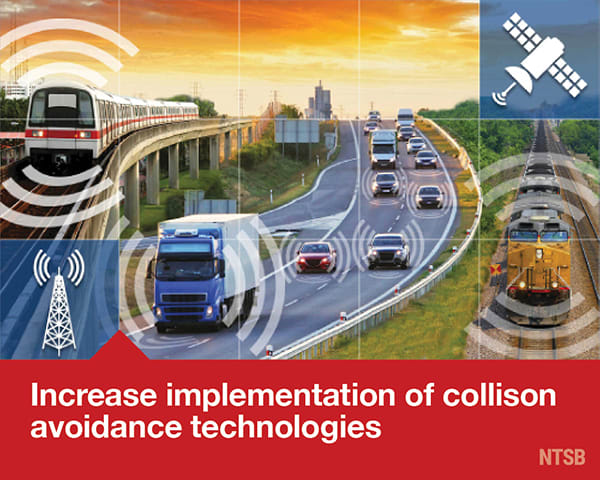
Image: NTSB

Image: NTSB
The National Transportation Safety Board’s latest “Most Wanted List” of safety improvements contains no big surprises compared to the one issued last year. NTSB also announced it has transitioned to issuing the list every two years; thus this new one is the 2017-18 edition
There are two notable changes from the 2016 list. The first is that “Promote the Completion of Rail Safety Initiatives,” which last year chiefly referred to implementing Positive Train Control, does not appear again this year. But the 2017-18 list changed from “promote” to “increase” the NTSB’s stance on the implementation of collision-avoidance technologies. Under that new heading, the board states that “Technologies such as collision warning and autonomous emergency braking in highway vehicles and positive train control in trains will result in fewer accidents, fewer injuries, and fewer lives lost.”
Added to this year’s list is “Ensure the Safe Shipment of Hazardous Materials.” NTSB noted that increased volumes of hazardous materials, especially flammable liquids, are moving by rail and that expanded lithium battery use "poses a threat" to airplanes.
NTSB Chairman Christopher Hart said at the National Press Club on Nov. 14 that the list's new two-year cycle will “help to focus our advocacy efforts (and your coverage) on sustained progress. We will take stock at the one-year mark, note what progress has been made, and decide what additional improvements are needed.”
Here is NTSB’s 2017-18 Most Wanted List of transportation safety improvements:
Eliminate Distractions
Reduce Fatigue-Related Accidents
Prevent Loss of Control in Flight in General Aviatio
Improve Rail Transit Safety Oversight
End Alcohol and Other Drug Impairment in Transportation
Increase Implementation of Collision Avoidance Technologies
Expand Recorder Use to Enhance Safety
Require Medical Fitness
Strengthen Occupant Protection
Ensure the Safe Shipment of Hazardous Materials
Hart pointed out that the National Highway Traffic Safety Administration has found that highway fatalities rose by over 7% from 2014-2015 and that “worse yet, early estimates show a 10.4% increase in motor vehicle deaths for the first half of 2016 vs. the first half of 2015. Tragically, for the first time since 2008, more than 35,000 people died on our roads.”
He called this trend “a reminder that safety is not a destination, but a continuing journey, and our efforts to improve safety must never stop.” It takes a concerted and continuing effort by industry, government, and private citizens to save lives.
According to Hart, in areas in which progress is being made, NTSB is “pushing to continue the progress” and where the board has seen setbacks, it is “pushing for improvements that, if implemented, have the potential to move the needle once again in the correct direction.”
Originally posted on Automotive Fleet
More Safety
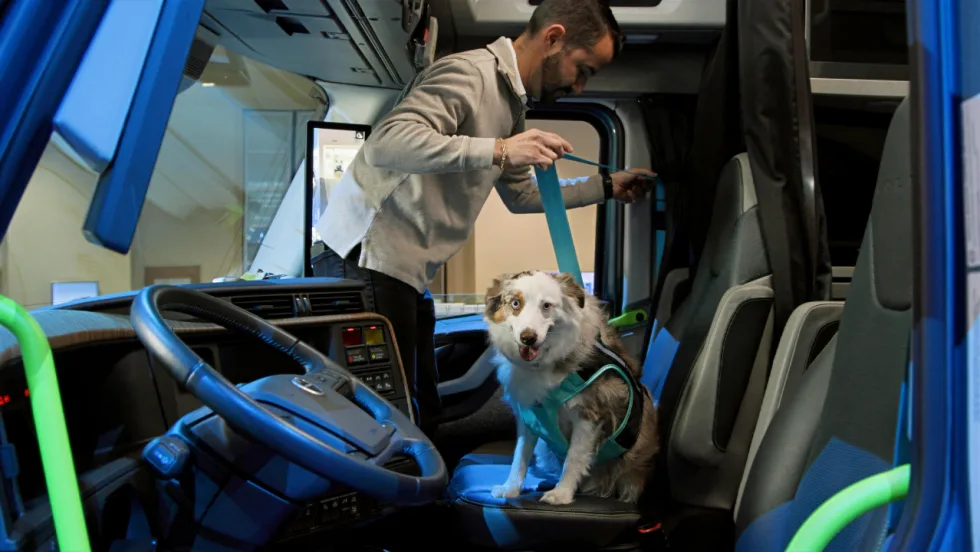
Volvo Trucks Releases New Safety Recommendations for Traveling with Pets
One of the most important recommendations for professional drivers traveling with pets is to ensure pets are properly restrained while the truck is moving. Other tips are available in the new guide from Volvo Trucks North America and Center for Pet Safety.
Read More →
API Issues Refueling Safety Guidelines
The American Petroleum Institute offers a list of safe vehicle refueling guidelines, including ways to avoid potential problems with static electricity discharges in fall, winter, and early spring.
Read More →
Winter Fleet Prep: Expert Tips to Keep Vehicles Running Smoothly
Cold weather can expose weak batteries, tires, fuel systems, and maintenance gaps fast. Use this winter fleet checklist to prepare trucks and drivers before temperatures drop.
Read More →
When a Work Truck Breaks Down, the Job Can Stop, Too
A work truck breakdown can stop more than the vehicle. Discover how payloads, jobsites, and specialty equipment change the roadside response.
Read More →
What Stronger Long-Term Fleet Service Partnerships Actually Require
Fleet service partnerships rarely fall apart all at once. Learn the three warning signs that trust is eroding and what fleets and providers can do before downtime, frustration, and lost revenue follow.
Read More →
Applause & TRUCE Software Partner to Improve Driver Safety Through AI-Powered Telematics & Employee Performance Management
Applause has integrated TRUCE driving metrics directly into its employee-first performance and safety platform that transforms mobile devices into AI-powered telematics.
Read More →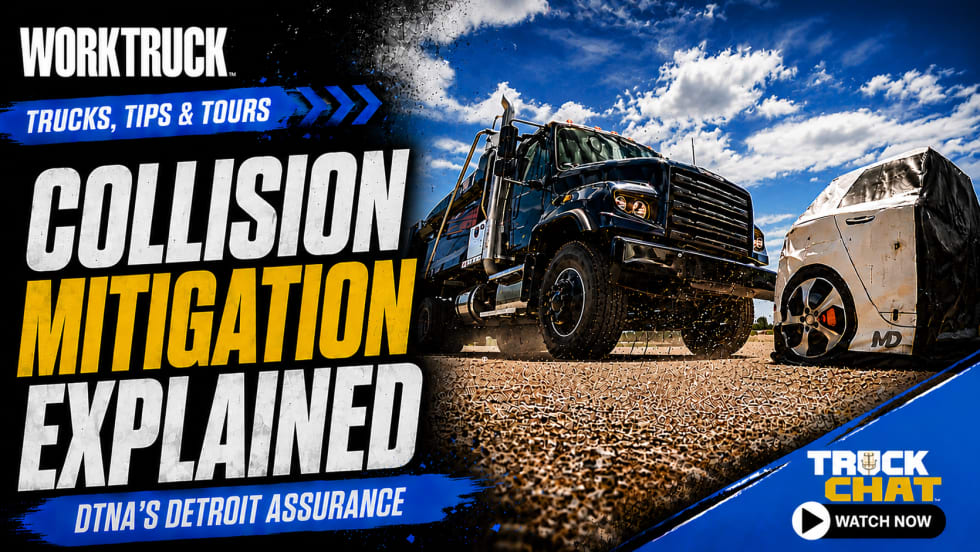
How Detroit Assurance with Active Brake Assist Works
Do you want to see what it is like to experience Detroit Assurance’s Active Brake Assist? In this video, Work Truck will put you in the cab to see how it all works and then hear more details from DTNA’s Mike Young.
Read More →
Get Left of Loss: A 5-Step Workplace Violence Prevention Framework for Fleet Operators
Violence risks do not stop at the driver’s door. Learn five practical steps fleets can take to spot threats early and protect workers before loss occurs.
Read More →
How Better Visibility Cut Speeding Violations by 48%
Fleet leaders don't need more data, they need clearer visibility into what the data is saying. This case study explores how one utility replaced speeding-event counts with a single metric — miles driven in violation — to strengthen safety and significantly reduce speeding violations.
Read More →
13 Safe Driving Tips for Commercial Vehicle Drivers
Make sure you are spending time on the road safely with these important tips.
Read More →