




Related: Safe Winter Driving Tips
New Colorado Laws to Reduce Winter Wrecks
The Colorado DOT is implementing a Traction Law and Passenger Vehicle Chain Law to reduce the amount of congestion and wrecks on the Interstate 70 Mountain Corridor.
by Staff
November 10, 2015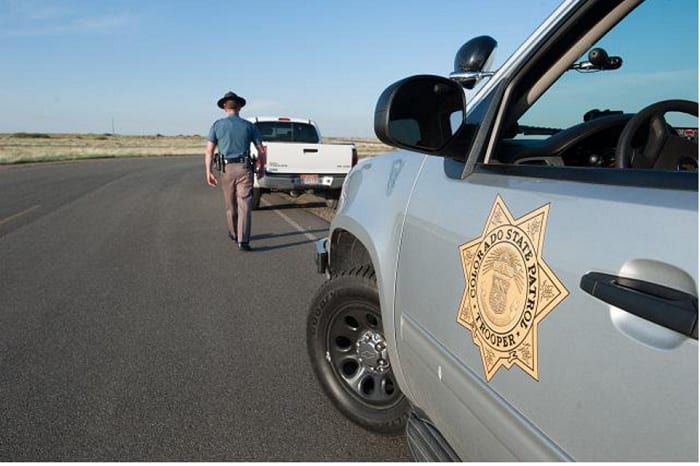
Photo via CDOT
2 min to read
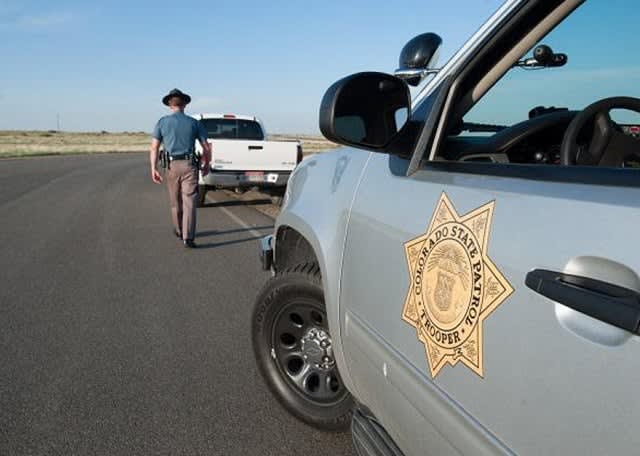
Photo via CDOT
The Colorado Department of Transportation is implementing a Traction Law and Passenger Vehicle Chain Law to reduce the amount of congestion and wrecks on the Interstate 70 Mountain Corridor.
Under the new rules, when weather conditions require it the CDOT will implement the new laws requiring passenger vehicles to either have appropriate tires for the weather situation, 4-wheel drive and chains or alternative traction devices during severe winter storms.
The rules are a continuation of campaigns by CDOT, the Colorado State Patrol, the I-70 Coalition and the Colorado Motor Carriers Association from last year that were able to reduce accidents with fatalities or injuries by 35% and decreased weather related accidents overall by 46%.
When either of the laws is in effect, motorists can be fined more than $130 for not having proper equipment or more than $650 if they block the roadway. The Colorado State Patrol will not be proactively checking for proper equipment but have the option of issuing a ticket when they respond to an incident.
“We spent last year educating the public about the need for good tires and they listened, with more than 70% saying they checked their tires before traveling in the I-70 corridor,” said Amy Ford, CDOT director of communications. “Drivers should expect in general when they see a chain law required for truckers that the traction law will likely be required for passenger vehicles.”
To help ensure that motorists comply, CDOT is partnering with tire companies across the state to provide discounts on winter tires. They will also lead tire checks at resorts and major events to let motorists know if their tires meet the requirements of the Traction Law.
For more information, click here.
Originally posted on Automotive Fleet
More Safety
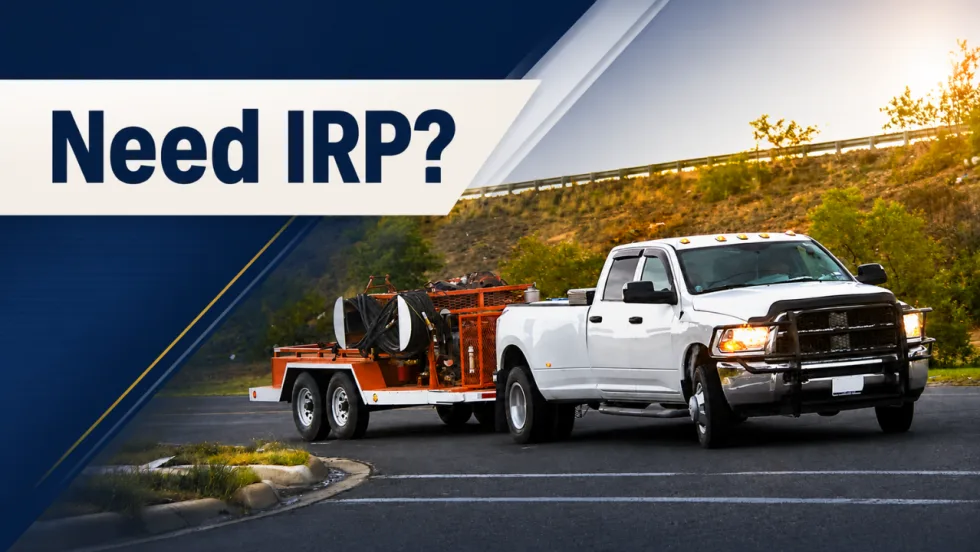
When Work Trucks Under 26,001 Pounds Need IRP Registration
Think trucks under 26,001 pounds are automatically in the clear when it comes to IRP? Not always. Learn where lighter vehicles can still run into trip permit, apportioned registration, and IFTA compliance requirements when crossing state or provincial lines.
Read More →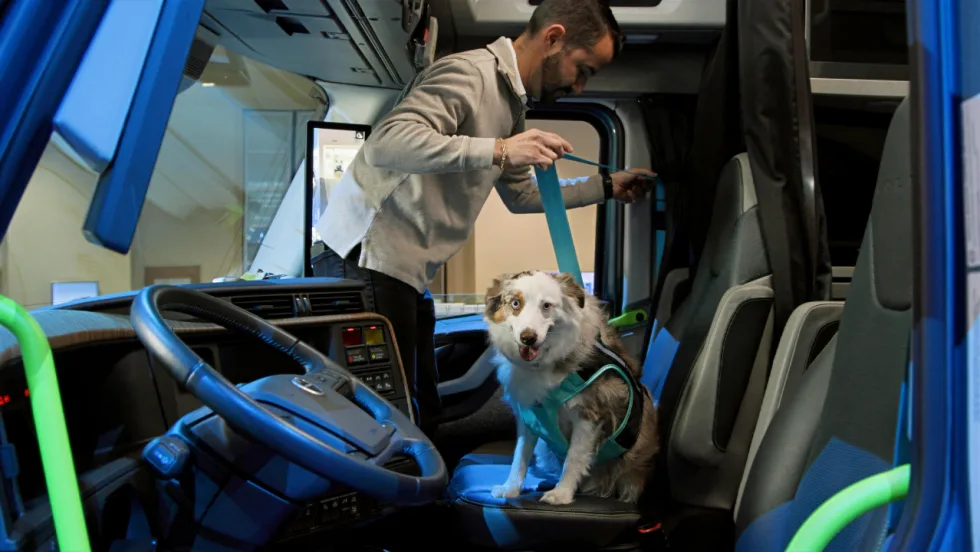
Volvo Trucks Releases New Safety Recommendations for Traveling with Pets
One of the most important recommendations for professional drivers traveling with pets is to ensure pets are properly restrained while the truck is moving. Other tips are available in the new guide from Volvo Trucks North America and Center for Pet Safety.
Read More →
API Issues Refueling Safety Guidelines
The American Petroleum Institute offers a list of safe vehicle refueling guidelines, including ways to avoid potential problems with static electricity discharges in fall, winter, and early spring.
Read More →
Winter Fleet Prep: Expert Tips to Keep Vehicles Running Smoothly
Cold weather can expose weak batteries, tires, fuel systems, and maintenance gaps fast. Use this winter fleet checklist to prepare trucks and drivers before temperatures drop.
Read More →
When a Work Truck Breaks Down, the Job Can Stop, Too
A work truck breakdown can stop more than the vehicle. Discover how payloads, jobsites, and specialty equipment change the roadside response.
Read More →
What Stronger Long-Term Fleet Service Partnerships Actually Require
Fleet service partnerships rarely fall apart all at once. Learn the three warning signs that trust is eroding and what fleets and providers can do before downtime, frustration, and lost revenue follow.
Read More →
Applause & TRUCE Software Partner to Improve Driver Safety Through AI-Powered Telematics & Employee Performance Management
Applause has integrated TRUCE driving metrics directly into its employee-first performance and safety platform that transforms mobile devices into AI-powered telematics.
Read More →
How Detroit Assurance with Active Brake Assist Works
Do you want to see what it is like to experience Detroit Assurance’s Active Brake Assist? In this video, Work Truck will put you in the cab to see how it all works and then hear more details from DTNA’s Mike Young.
Read More →
Get Left of Loss: A 5-Step Workplace Violence Prevention Framework for Fleet Operators
Violence risks do not stop at the driver’s door. Learn five practical steps fleets can take to spot threats early and protect workers before loss occurs.
Read More →
Sponsored•July 17, 2026
How Better Visibility Cut Speeding Violations by 48%
Fleet leaders don't need more data, they need clearer visibility into what the data is saying. This case study explores how one utility replaced speeding-event counts with a single metric — miles driven in violation — to strengthen safety and significantly reduce speeding violations.
Read More →