




New Battery-Electric Autonomous Freightliner eCascadia Technology Demonstrator
Daimler Truck has set out to lead the transformation to sustainable transportation with the autonomous eCascadia technology demonstrator.

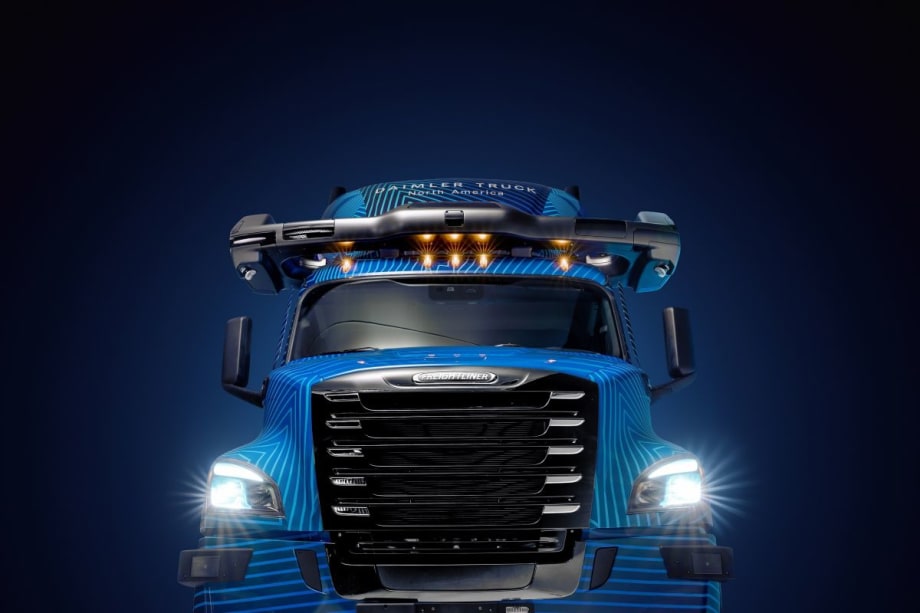
Daimler Truck has set out to lead the transformation to sustainable transportation, combining battery-electric drive and integrated autonomous driving technology to deliver on that vision.
Photo: Daimler Truck
Transportation is a critical component of our daily lives, and the logistics industry plays a vital role in delivering goods worldwide. However, traditional transportation methods significantly impact the environment, and companies are now exploring sustainable alternatives.
Daimler Truck has set out to lead the transformation to sustainable transportation with the autonomous eCascadia technology demonstrator.
Advantages of the Autonomous eCascadia Demonstrator
The autonomous eCascadia technology demonstrator is environment-friendly and safer than traditional trucks, according to the manufacturer. With the integration of autonomous driving technology, the truck can detect and respond to potential hazards on the road, making it safer for the driver and other road users.
Daimler Truck has set out to lead the transformation to sustainable transportation, combining battery-electric drive and integrated autonomous driving technology to deliver on that vision.
The eCascadia is equipped with the proprietary Detroit ePowertrain and a range of battery and drive axle options, providing a typical range of 155, 220, or 230 miles, depending on the specific configuration.
The Role of Autonomous Trucks in the Future of Logistics
The autonomous eCascadia demonstrator is a game-changer for logistics professionals, promising increased efficiency and sustainability. Autonomous trucks can optimize routes, reduce fuel consumption and carbon emissions, and most importantly, increase productivity. This makes them a highly promising option for many logistics companies.
The battery-electric Freightliner eCascadia has now reached 6 million real-world miles in more than 55 fleets in the United States. Moreover, the eCascadia technology demonstrator is based on a production battery electric Freightliner eCascadia, equipped with Torc's autonomous driving software and the latest Level 4 sensor and compute technology.
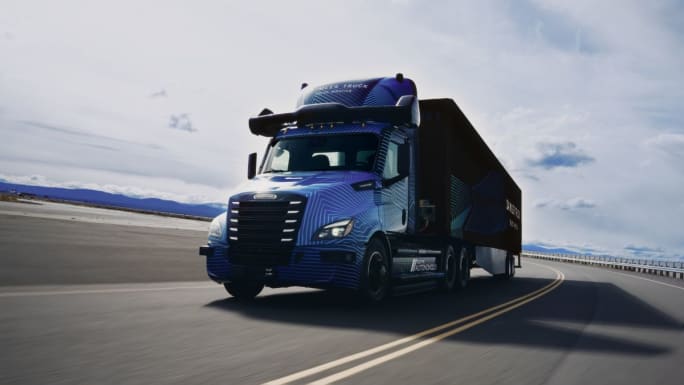
The autonomous eCascadia demonstrator provides a glimpse of future autonomous use cases, including shorter, repeatable routes using zero-emissions infrastructure.
Photo: Daimler Truck
Challenges and Opportunities of Autonomous Trucks
While autonomous trucks present many opportunities for the logistics industry, they also come with challenges, such as regulatory hurdles, public perception, and potential job displacement. However, with proper planning and collaboration between industry and government stakeholders, the challenges can be addressed, and commercial fleets can realize the benefits of autonomous trucks.
The autonomous eCascadia demonstrator provides a glimpse of future autonomous use cases, including shorter, repeatable routes using zero-emissions infrastructure. Daimler Truck aims to provide fleets with optimal vehicle solutions, utilizing various propulsion technologies to enable the most suitable and efficient transportation of their goods.
By developing a propulsion-agnostic autonomous truck platform, Daimler Truck is leveraging its collective strength to make a positive impact on the future of transportation.
More Vehicle Research
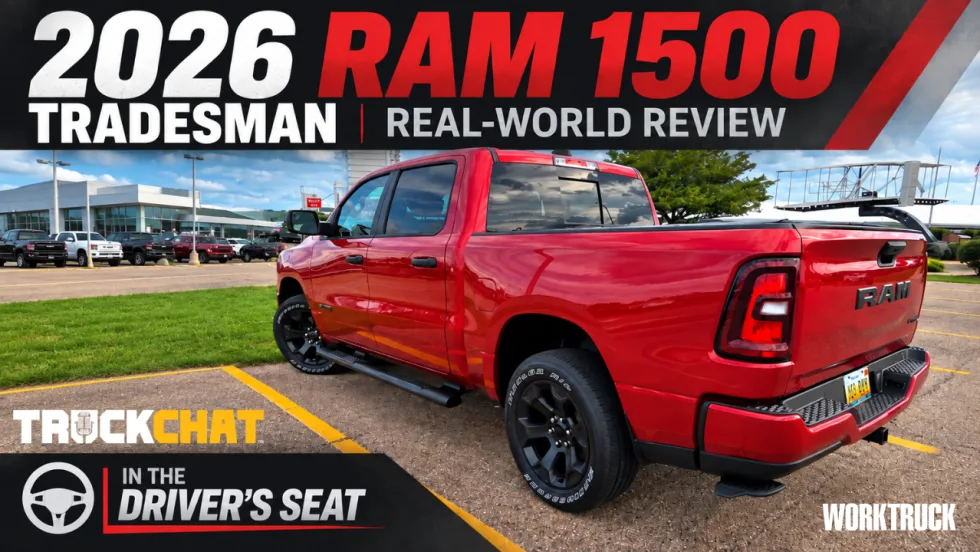
2026 Ram 1500 Tradesman Put to a Real-World Fleet Test
A few days behind the wheel of a 2026 Ram 1500 Tradesman turned into a test of visibility, parking, work-ready features, and even severe-weather driving.
Read More →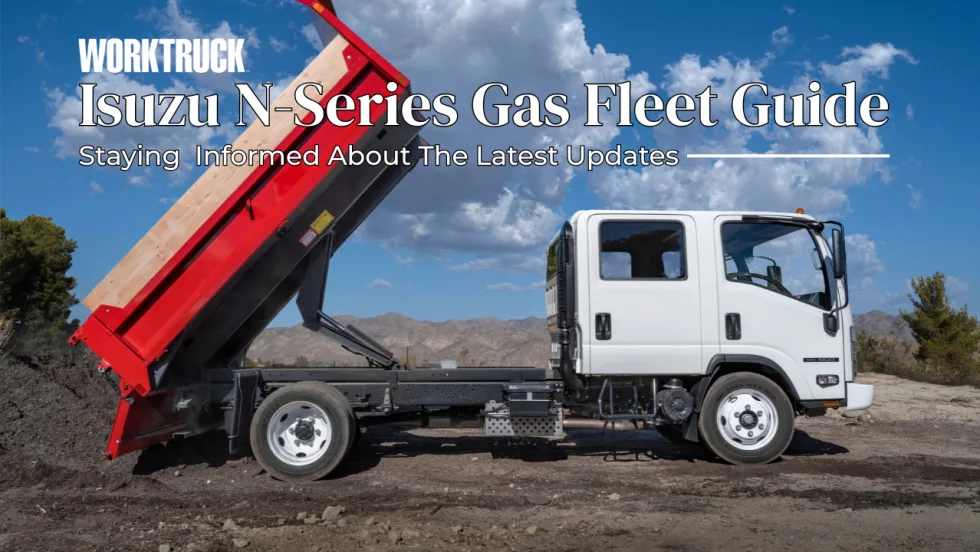
Isuzu N-Series Gas Fleet Guide: Specs, Capability and 2027 Model-Year Updates
Explore Isuzu Truck North America’s N-Series Gas fleet specs, engine performance, GVWR and payload capability, configurations, chassis dimensions, work-focused features, and 2027 model-year information.
Read More →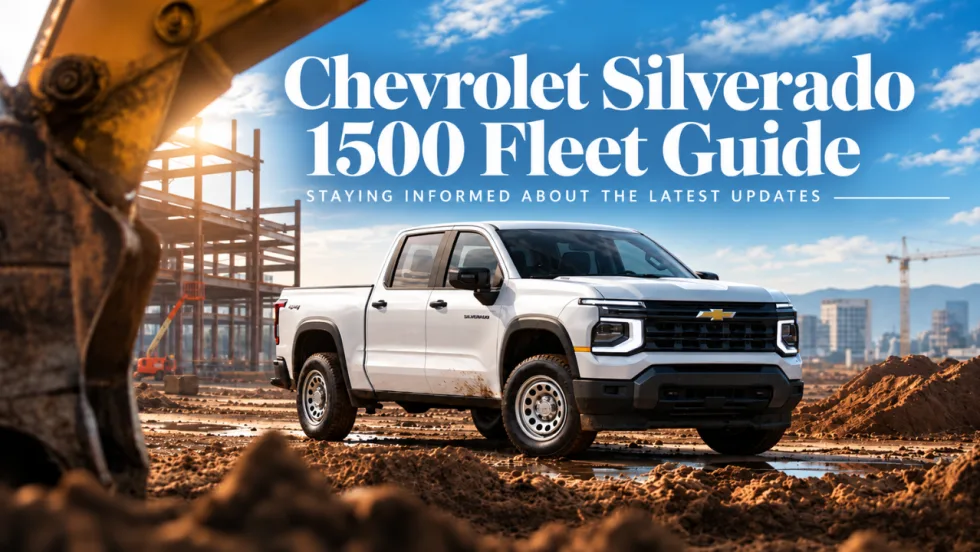
Chevrolet Silverado 1500 Fleet Guide Specs Capability and 2027 Model-Year Updates
The next-generation 2027 Chevrolet Silverado 1500 brings new V-8 engines, updated technology, expanded safety features, and a fleet-focused Work Truck. Here’s what commercial fleets need to know so far.
Read More →
Ram ProMaster City Fleet Guide Specs Cargo Capacity and 2027 Updates
Work Truck’s Ram ProMaster City Fleet Guide tracks the latest specifications, cargo capability, configurations, fleet technology, pricing, and model-year updates for Ram’s mid-size commercial van.
Read More →
Ford F-150 Fleet Guide Specs Capability and 2026 Model-Year Updates
Explore 2026 Ford F-150 fleet specs, engines, towing and payload capability, configurations, work features, technology, and model-year updates.
Read More →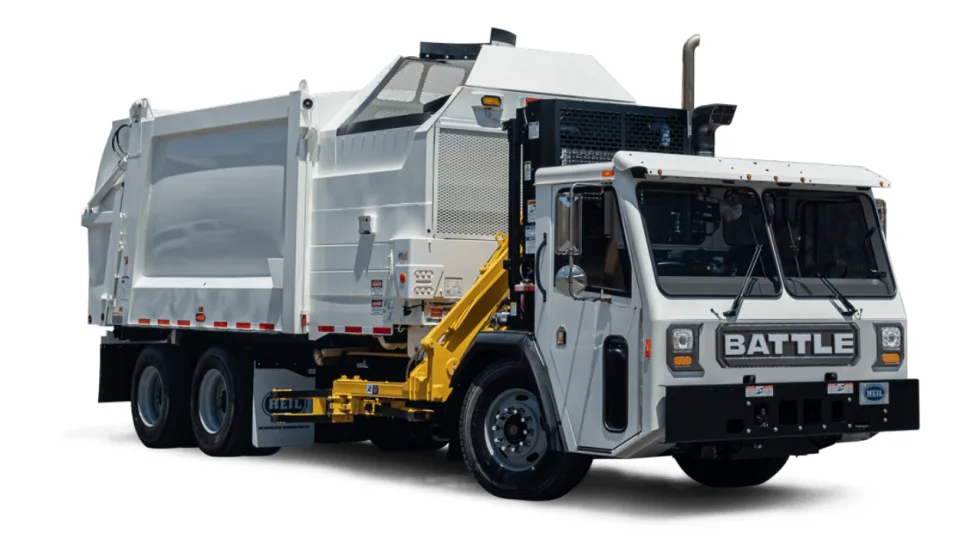
TCI Now Sells & Supports Battle Motors’ Vocational Trucks
Midwest truck dealer Truck Centers, Inc. (TCI) has expanded its transportation solutions with sales and service support for Battle Motors’ heavy-duty vocational trucks at locations in locations in Indiana, Illinois, and Missouri
Read More →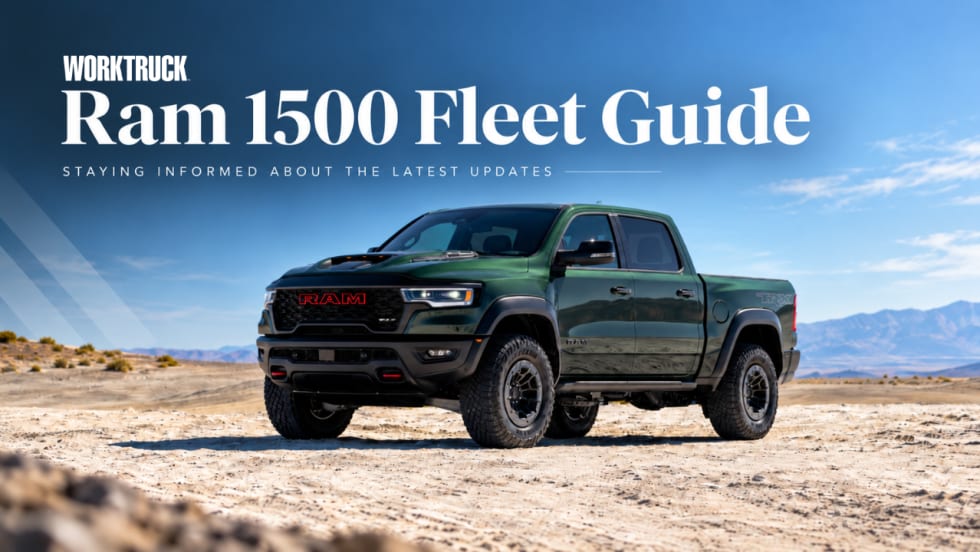
Ram 1500 Fleet Guide Specs, Capability and 2027 Model-Year Updates
Explore always up-to-date Ram 1500 fleet specs, engines, towing and payload capability, configurations, technology, pricing updates, and model-year changes.
Read More →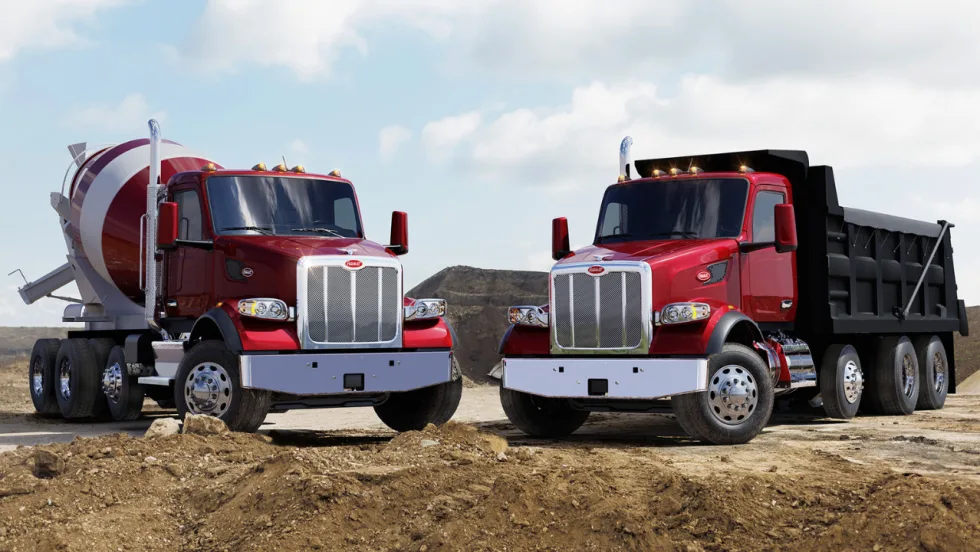
Peterbilt Trucks Equipped with Paccar TX-18 Pro Boost Efficiency for Maryland Fleet
Patuxent Companies is replacing aging trucks with the Peterbilt Model 567 and Model 589, specified with the Paccar TX-18 Pro 18-speed automated transmissions, and is reporting an 8% to 10% improvement in fuel economy.
Read More →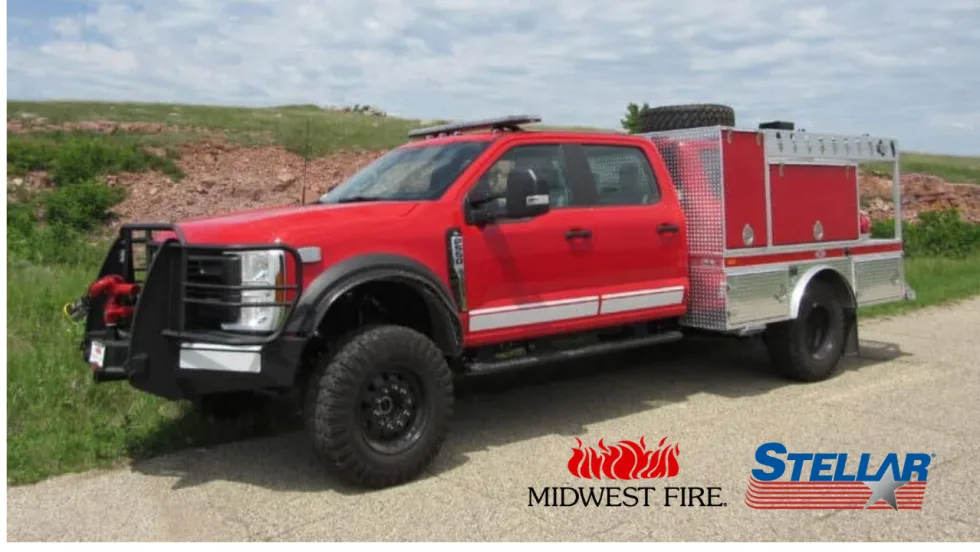
Stellar Expands into Fire Apparatus Market with Acquisition of Midwest Fire
Stellar Industries has acquired Midwest Fire, a custom fire apparatus manufacturer headquartered in Luverne, Minnesota, with nearly four decades of specialized apparatus experience.
Read More →
Recalls You Need to Know About in August 2026
If you have Altec, Chrysler, Ford, Heil, General Motors, International, Mack Trucks, Paccar, Rivian, Royal Truck, Toyota, US Truck Body, or Volvo Trucks vehicles in your fleet, you should check these important recalls issued by the National Highway Safety Administration.
Read More →