




How COVID-19 Impacted Fueling Trends
The pandemic has greatly influenced how fleets are running their operations, and for some could mean fewer assets being utilized, or perhaps a halt in operations altogether if your business was closed for being considered non-essential.

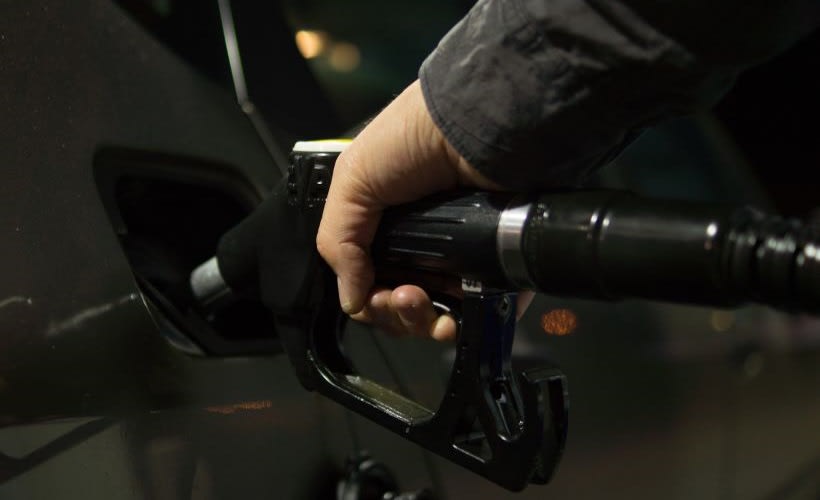
Photo: Skitterphoto
The COVID-19 pandemic has played a part in fuel prices trending lower than previous years and continued social distancing and shelter-in-place mandates are intensifying it further.
“Typically gas prices start to trend more expensive at the beginning of spring, especially as motorists get out to enjoy the warmer weather and travel for spring break. That is not the case this year,” said Jeanette Casselano, AAA spokesperson. “With Americans urged to stay at home and practice social distancing to slow the spread of coronavirus, we are seeing less traffic on the roadways which will ultimately drive down demand, increase gasoline supply and push pump prices less expensive for the foreseeable future.”
The coronavirus pandemic has seen influence even prior to price war on crude oil between Saudi Arabia and Russia
“COVID-19 had impact on crude oil prices prior to the price wars,” said Casselano. “Crude prices started to drop toward the end of January. At that time we were at $58/barrel. By the time OPEC met in March, crude was already down to $45/barrel.”
Most recently, crude oil prices dropped to $20/barrel – a low not seen since 2002, according to AAA. The national average of regular unleaded gasolines landed most recently at $1.99, the cheapest average seen in four years.
AAA speculates that due to COVID-19 and the ongoing crude oil price war could lower prices to $1.75 per gallon in April.
Casselano offered suggestions in how fleets can safely fuel their vehicle and protect themselves without spreading or catching the virus:
At the beginning and end of the shift, wash your hands thoroughly at the sink for 20 seconds with soap and water.
Disinfect your hands and wipe down the vehicle prior to and after shifts. Wipe down the inside of the vehicle (door, dashboard, seat, door handle, and any exposed surfaces) after anyone gets inside the vehicle. (Use spray disinfectant and spray or disinfectant wipes).
Remember that money and credit cards could hold the virus, wear gloves when handling these items.
Fleets Who Aren’t Fueling Up
The pandemic has greatly influenced how fleets are running their operations, and for some could mean fewer assets being utilized, or perhaps a halt in operations altogether if your business is considered non-essential.
Because of this Casselano said fleets who have idle assets should take consideration of fuel that is going unused, especially since the duration of the pandemic remains an known.
“Gasoline can go bad, especially if it is not stored in a sealed container,” she said. “If gasoline is going to sit in the tank of the vehicle for more than a few months, particularly gasoline that contains ethanol, we would recommend using a treatment that is designed for fuel stabilization. If storing gasoline, it is best to keep the storage tank, whether in the vehicle or in an DOT approved can, full. Gas cans and fuel tanks can produce condensation with temperature changes, placing water droplets into the fuel. If you keep the tank or can full, there is less space for air and therefore it will minimize the possibility of condensation.”
Other best practices for stagnant assets according to AAA include:
Using a Battery Tender or other maintenance-type battery charger to keep the battery at a full state of charge and prevent deterioration.
Add 10 psi of pressure to each tire to help prevent flat spots from forming on the tires.
Prop up windshield wiper arms so the blades are off the windshield and won’t get stuck to the glass.
And don’t use the parking brake when storing the vehicle, as the brake could become frozen, and the brake pads could rust to the rotors, or brake shoes could distort the drums.
Originally posted on Automotive Fleet
More Fuel

The Smart Way to Build a Mixed-Energy Fleet Isn’t About Picking a Side
Mixed-energy fleets aren’t about picking a winning fuel. Sarah Booth of WEX explains how vehicle data, duty cycles, charging strategy, and real-world costs can help fleets choose the right energy source for each job.
Read More →
Ignoring This Dashboard Warning Could Cost Your Fleet Thousands in Fuel
New research suggests neglected diesel aftertreatment systems could waste up to $30 in fuel per vehicle each day. Here's why vocational fleets should pay attention.
Read More →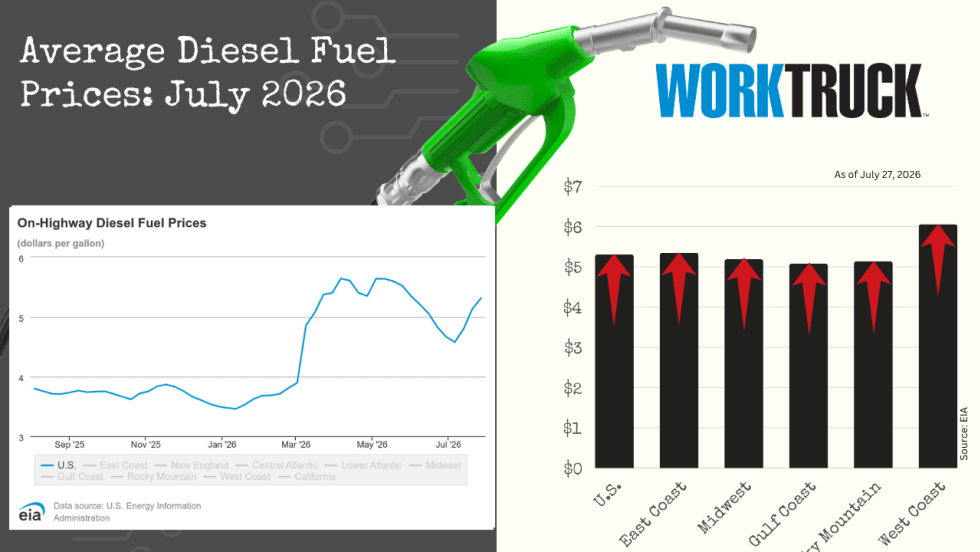
July Diesel Trends Update
The average price of a gallon of diesel increased again this week, and the EIA reported a new national average of $5.31 at the start of the week.
Read More →
WEX Brings Standard Fleet's Connected Vehicle Platform to Fleet Customers
This week’s product launch with Standard Fleet’s connected vehicle platform reflects WEX Venture Capital's strategy of turning startup innovation into customer solutions. Standard Fleet is now available to WEX fleet customers.
Read More →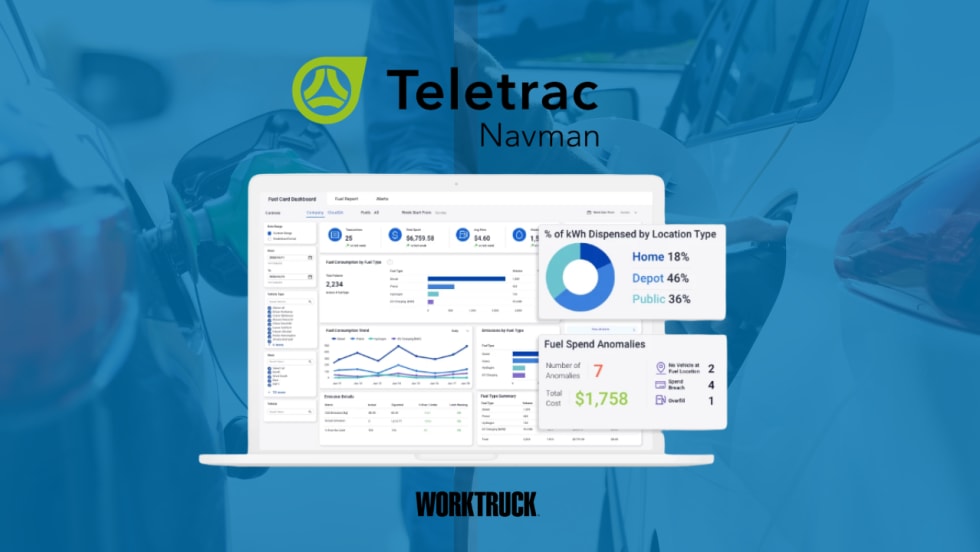
Teletrac Navman Adds Mixed-Energy Fleet Tools to TN360
The new Energy Hub combines fuel transactions, EV charging data, vehicle range, and energy costs in one dashboard for fleets operating multiple vehicle and energy types.
Read More →
WEX DriverDash adds CITGO, Expands Nationwide Access for Fleets
The DriverDash mobile payment app, by WEX, has been integrated into the CITGO merchant network, which means WEX has expanded its U.S. station footprint with the addition of approximately 4,000 CITGO locations.
Read More →
Mixed Energy Fleet Tips for Balancing EVs, Gas and Diesel Vehicles
Mixed energy fleets are becoming the new normal. Learn how fleet managers are balancing EVs, gas and diesel vehicles while controlling costs and planning for the future.
Read More →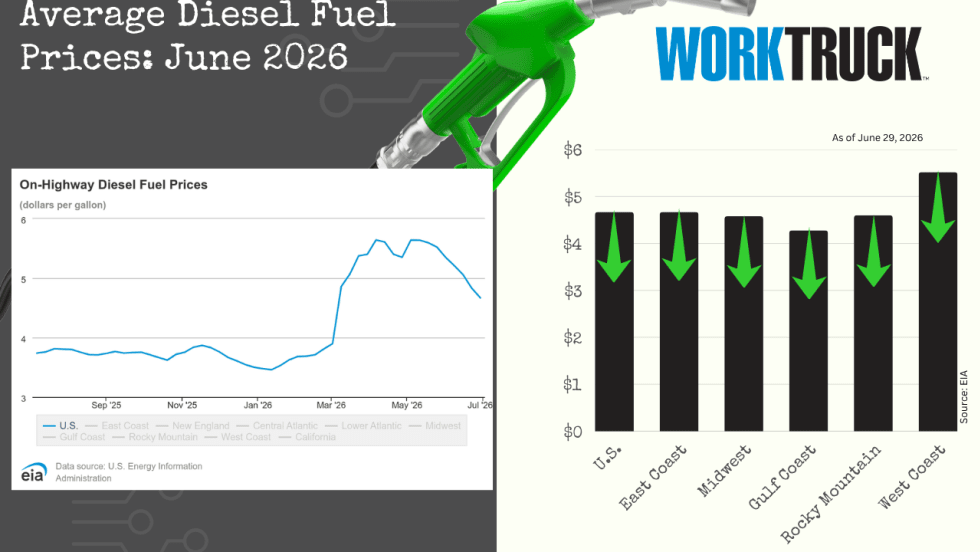
June Diesel Trends Update
The national average price of a gallon of diesel has dropped again, this week by more than 16 cents. All five regions reported lower average prices, ranging from almost 13 cents to more than 28 cents cheaper than a week ago.
Read More →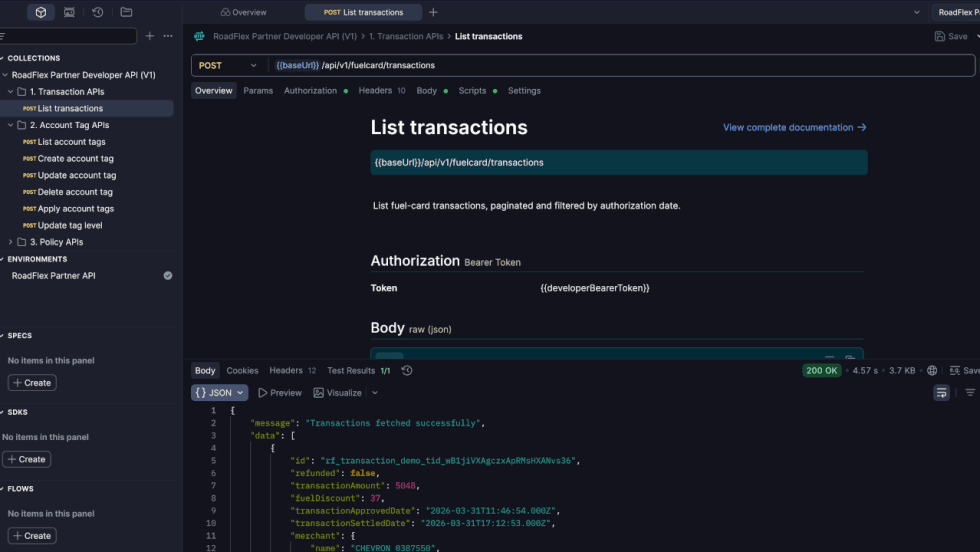
RoadFlex Launches RoadFlex Direct Open API Platform
RoadFlex Direct connects fuel cards, controls, and data to the telematics and fleet management systems fleets already run, from Geotab and Samsara to Fleetio and RTA, with no separate dashboard or double data entry.
Read More →
The Key to Fuel Efficiency Sits in the Cab
Learn how driver behavior, telematics, coaching, and fuel data can help fleets improve fuel efficiency, lower costs, and reduce emissions.
Read More →