





Fleets Select Ford F-650/F-750 as 2022 Top Medium-Duty Truck
How Biden’s Proposed Pollution Standards Will Impact Light- & Medium-Duty Trucks
The U.S. Environmental Protection Agency (EPA) announced new proposed federal vehicle emissions standards including passenger cars, light- and medium-duty vehicles, as well as heavy-duty trucks.
April 12, 2023
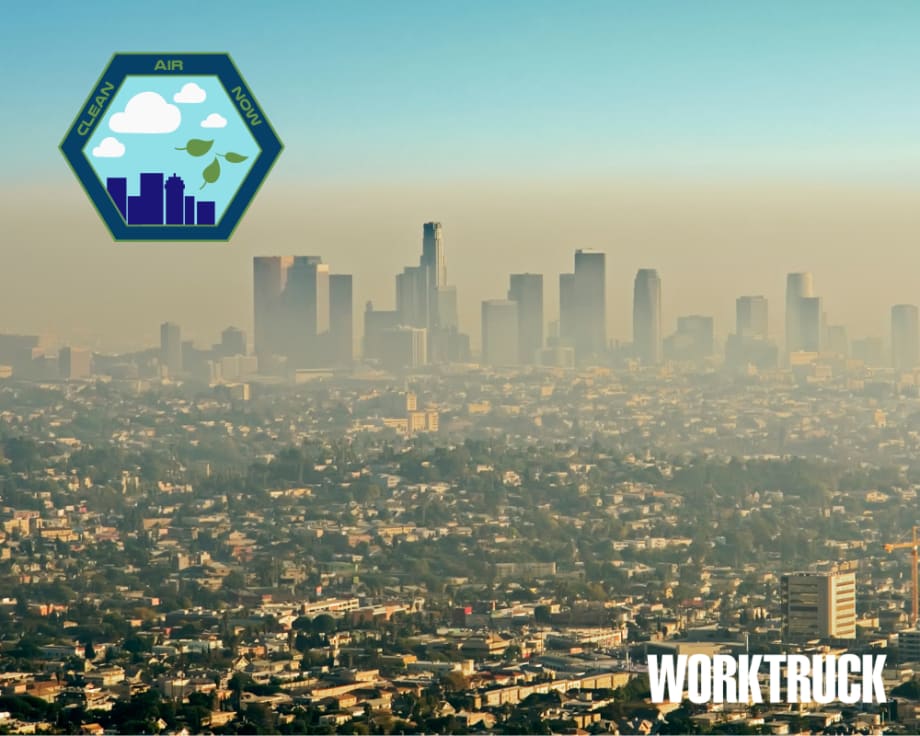
Between 2027 and 2055, the total projected net benefits of the light- and medium-duty proposal range from $850 billion to $1.6 trillion.
Photo: Work Truck
5 min to read
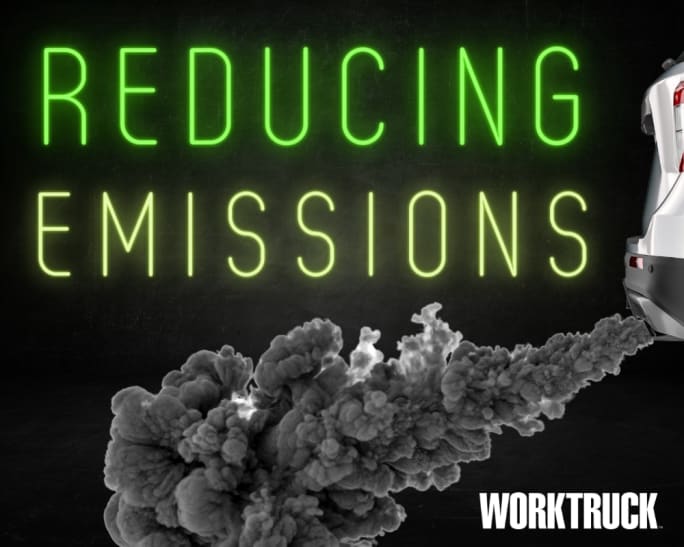
EPA’s Proposal considers a broad suite of available emission control technologies, and the standards are designed to allow manufacturers to meet the performance-based standards however works best for their vehicle fleets.
Photo: Work Truck
The U.S. Environmental Protection Agency (EPA) announced on April 12 new proposed federal vehicle emissions standards that will accelerate the ongoing transition to a clean vehicle future and tackle the climate crisis.
The proposed standards aim to improve air quality for communities nationwide. Together, these proposals could:
Avoid nearly 10 billion tons of CO2 emissions, equivalent to more than twice the total U.S. CO2 emissions in 2022,
Save thousands of dollars over the lives of the vehicles meeting these new standards.
Reduce America’s reliance on approximately 20 billion barrels of oil imports.
“By proposing the most ambitious pollution standards ever for cars and trucks, we are delivering on the Biden-Harris Administration’s promise to protect people and the planet, securing critical reductions in dangerous air and climate pollution and ensuring significant economic benefits like lower fuel and maintenance costs for families,” said EPA Administrator Michael S. Regan. “These ambitious standards are achievable thanks to President Biden’s Investing in America agenda, which is already driving historic progress to build more American-made electric cars and secure America’s global competitiveness.”
The proposed standards also have also gotten stricter for heavy-duty vehicles, as reported in further detail by Heavy Duty Trucking. Passenger vehicles were also included.
What are the Proposed Standards: Light- and Medium-Duty Vehicles
The first set of proposed standards announced on April 12, the “Multi-Pollutant Emissions Standards for Model Years 2027 and Later Light-Duty and Medium Duty Vehicles,” builds on EPA’s existing emissions standards for passenger cars and light trucks for model years 2023 through 2026.
The Proposal from the Environmental Protection Agency (EPA) notes:
New, more stringent emissions standards for criteria pollutants and greenhouse gases (GHG) for light-duty vehicles and Class 2b and 3 (medium-duty) vehicles that would phase-in over model years 2027 through 2032.
GHG program revisions in several areas, including off-cycle and air conditioning credits, the treatment of upstream emissions associated with zero-emission vehicles and plug-in hybrid electric vehicles in compliance calculations, medium-duty vehicle incentive multipliers, and vehicle certification and compliance.
New standards to control refueling emissions from incomplete medium-duty vehicles and battery durability and warranty requirements for light- and medium-duty plug-in vehicles.
Minor amendments to update program requirements related to aftermarket fuel conversions, importing vehicles and engines, evaporative emission test procedures, and test fuel specifications for measuring fuel economy.
A Quick Look at Heavy-Duty Vehicle Emissions Updates
The second set of proposed standards announced was the “Greenhouse Gas Standards for Heavy-Duty Vehicles - Phase 3.”
This set would apply to heavy-duty vocational vehicles (such as delivery trucks, refuse haulers, garbage trucks, dump trucks, public utility trucks, transit, shuttle, and school buses), as well as trucks typically used to haul freight.
According to the EPA, these standards would complement the criteria pollutant standards for MY 2027 and beyond heavy-duty vehicles that EPA finalized in December 2022 and represent the third phase of EPA’s Clean Trucks Plan.
Why is the EPA Requesting these Updates?
The Proposal retains the proven regulatory design of previous EPA standards for light-duty vehicles but leverages advances in clean car technology to further reduce both climate pollution and smog- and soot-forming emissions.
“Despite the significant emissions reductions achieved by these and other rulemakings, air pollution from motor vehicles continues to impact public health, welfare, and the environment,” the Proposal stated.
Between 2027 and 2055, the total projected net benefits of the light- and medium-duty proposal range from $850 billion to $1.6 trillion.
The Proposal is expected to avoid 7.3 billion tons of CO2 emissions through 2055, equivalent to eliminating all greenhouse gas emissions from the entire current U.S. transportation sector for four years, and would also deliver significant health benefits by reducing fine particulate matter that can cause premature death, heart attacks, respiratory, and cardiovascular illnesses, aggravated asthma, and decreased lung function, according to the EPA.
EPA’s Proposal considers a broad suite of available emission control technologies, and the standards are designed to allow manufacturers to meet the performance-based standards however works best for their vehicle fleets.
EPA projects that for the industry as a whole, the standards are expected to drive widespread use of filters to reduce gasoline particulate matter emissions and spur greater deployment of CO2-reducing technologies for gasoline-powered vehicles.
Paving the Path for Commercial EVs
The proposed standards are also projected to accelerate the transition to electric vehicles. Depending on the compliance pathways manufacturers select to meet the standards, EPA projects that EVs could account for 67% of new light-duty vehicle sales and 46% of new medium-duty vehicle sales in MY 2032.
The proposed MY 2032 light-duty vehicle standards are projected to result in a 56% reduction in projected fleet average greenhouse gas emissions target levels compared to the existing MY 2026 standards.
The proposed MY 2032 medium-duty vehicle standards would result in a 44% reduction compared to MY 2026 standards.
The proposed standards align with commitments made by automakers and U.S. states as they plan to accelerate clean vehicle technologies in the light- and medium-duty fleets in the next 10 to 15 years.
Car and truck companies are moving to include electric vehicles as an integral and growing part of current and future product lines, leading to an increasing diversity of clean vehicles for consumers.
How to Comment & Public Hearing Info
To view documents supporting this proposed rulemaking process as well as comments submitted, visit regulations.gov and access the rule under Docket ID No. EPA-HQ-OAR-2022-0829.
EPA plans to hold a virtual public hearing for this proposed rule, Multi-Pollutant Emissions Standards for Model Years 2027 and Later Light-Duty and Medium-Duty Vehicles.
The hearing is scheduled to occur on May 9 and 10, 2023. An additional session may be held on May 11, 2023, if necessary, to accommodate the number of testifiers that sign up to testify. Please check this web page for updates about the dates and times of the hearings.
More Green Fleet

Fleet Forward Conference Introduces One-Day Passes for 2026
New one-day registration gives fleet professionals the flexibility to attend Tuesday, Wednesday, or Thursday, with passes available for $199 through Sept. 18.
Read More →
CALSTART Rebrands as Catalyst Mobility, Will Combine with Forth in 2027
CALSTART has rebranded as Catalyst Mobility and will combine with Forth at the start of 2027. The new organization said it is poised to become one of the world's largest, strongest, and most impactful clean transportation nonprofits.
Read More →
Electric Truck and Charging Programs to Boost Sustainability at NY & NJ Ports
Together, the Port Authority of New York and New Jersey and CALSTART will electrify drayage and terminal operations serving the East Coast’s busiest container port. A pair of incentive programs totaling $45 million has launched to accelerate adoption of zero-emission drayage trucks and terminal tractors.
Read More →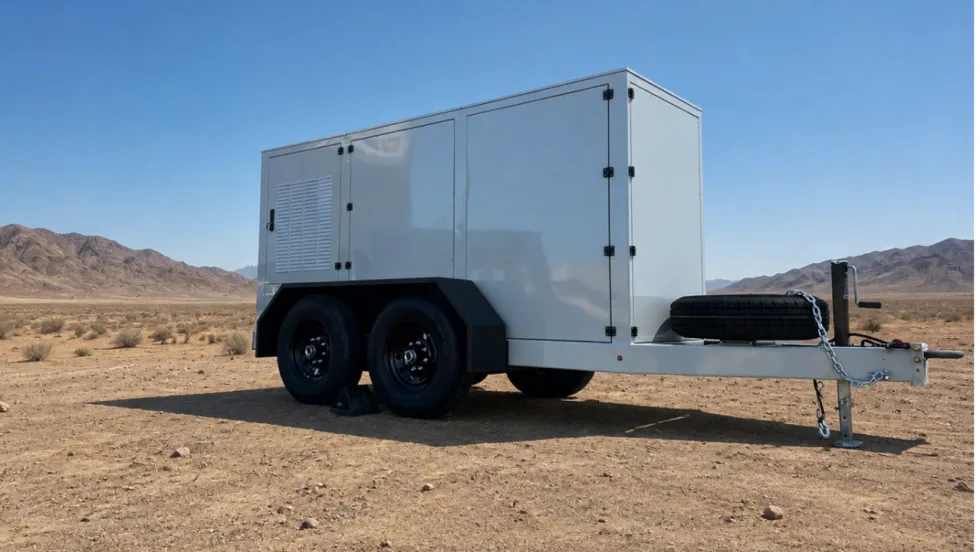
Xos Hub Surpasses One Gigawatt-Hour of Energy Delivered in the Field
A single Xos Hub has surpassed one gigawatt-hour of energy across more than 33,600 charging sessions in the field, demonstrating performance that supports Xos' expansion across new products and markets.
Read More →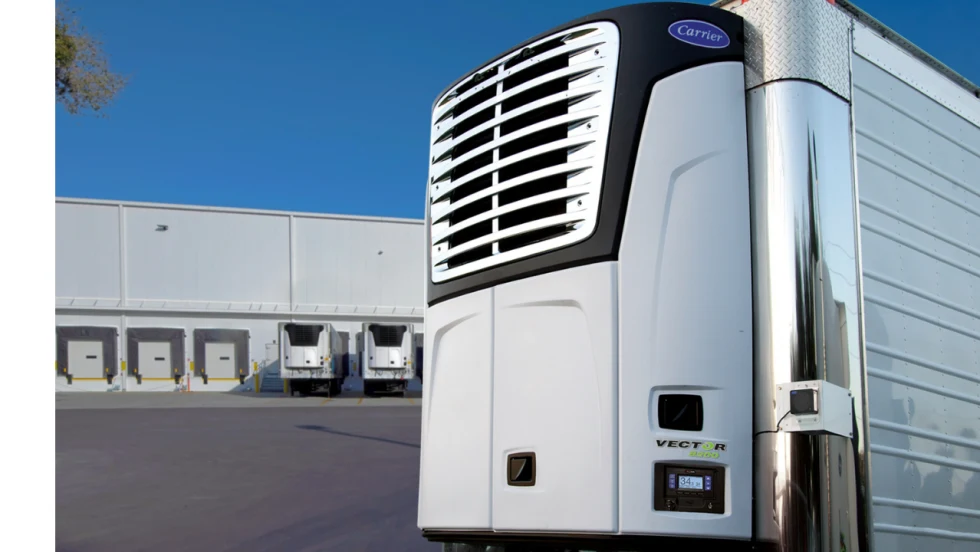
Carrier Transicold Launches All-Electric Vector 8200 TRU for Diesel-Free On-Site Cold Storage
Carrier Transicold’s first engineless multi-temperature TRU helps fresh- and frozen-food fleets add supplemental cold storage capacity during seasonal peaks.
Read More →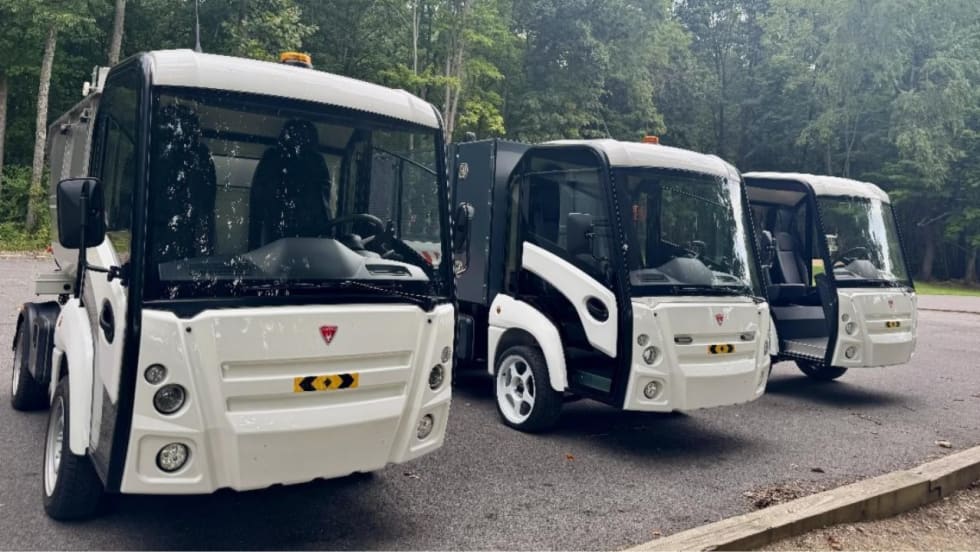
Narro Trucks Introduces Electric Utility Vehicle
Narro Trucks officially launched its operations on Aug. 20 and hosted a ride and drive to showcase its electric truck, which will be produced in Virginia.
Read More →
Samsung SDI Takes Full Control of GM Battery JV as Indiana Plant Pivots to Energy Storage
Samsung SDI is taking full control of its Indiana battery plant with GM, marking a major shift from the EV-focused joint venture Charged Fleet first covered in 2023.
Read More →
NWSA Taps CALSTART to Administer Zero-Emission Drayage Assistance Program
CALSTART will provide free technical assistance services to drayage fleets serving the Ports of Seattle and Tacoma and looking to transition to cleaner technologies and help decarbonize freight hubs.
Read More →
EV Fleet Reality Check: What Operators Wish They Knew Before Electrifying Their Work Vans
Electric work truck upfits bring new compatibility questions. Learn how parts availability, OEM guidance, power demands, and route planning can affect fleet performance.
Read More →
Peterbilt Expands Sourcewell Partnership with Electric Vehicle Lineup
Peterbilt Motors Company’s cooperative purchasing agreement with Sourcewell and its Canadian partner, Canoe Procurement Group, now includes including Peterbilt's battery-electric vehicle lineup.
Read More →