




House Committee OKs Bill Aimed at Making Vehi
WASHINGTON, D.C. --- A House committee this week approved a bill requiring the government to address a number of vehicle safety issues posing a threat to children.
WASHINGTON, D.C. --- A House committee this week approved a bill requiring the government to address a number of vehicle safety issues posing a threat to children. The House Energy and Commerce Committee passed the bill to require federal regulators to search for ways to diminish blind spots in large SUVs and pickups, to prevent vehicles from rolling away and to make power windows safer, BusinessWeek reported. Committee Chairman John Dingell (D-Mich.) said the bill would "help protect these young victims by instituting common-sense safety provisions in the design of cars," BusinessWeek reported. A committee in the Senate gave its OK to similar legislation in May. According to estimates, about four children die each week in backovers, strangulation from power windows, or from being left alone in hot cars without enough ventilation. The bill also includes a voluntary agreement that 19 automakers approved in 2006. The agreement calls for brake interlock systems in all new vehicles by September 2010. These systems ensure that the vehicle can shift out of park only when the brake pedal is depressed. An earlier version of this bill mandated the inclusion of backup cameras in new vehicles. But after automakers objected, arguing this would be too expensive, auto industry representatives and legislators reached a compromise. They agreed that visibility problems could be alleviated through the use of additional mirrors, sensors, cameras or other technologies. If the bill passes, the National Highway Traffic Safety Administration would need to issue a final rule within three years of the legislation's enactment. In particular, the NHTSA would need to develop new rules requiring automakers to ensure that windows automatically reverse direction if there's an obstruction in the way. If the agency decided against issuing a final rule, it would need to explain its decision to Congress.
Originally posted on Automotive Fleet
More Safety & Compliance
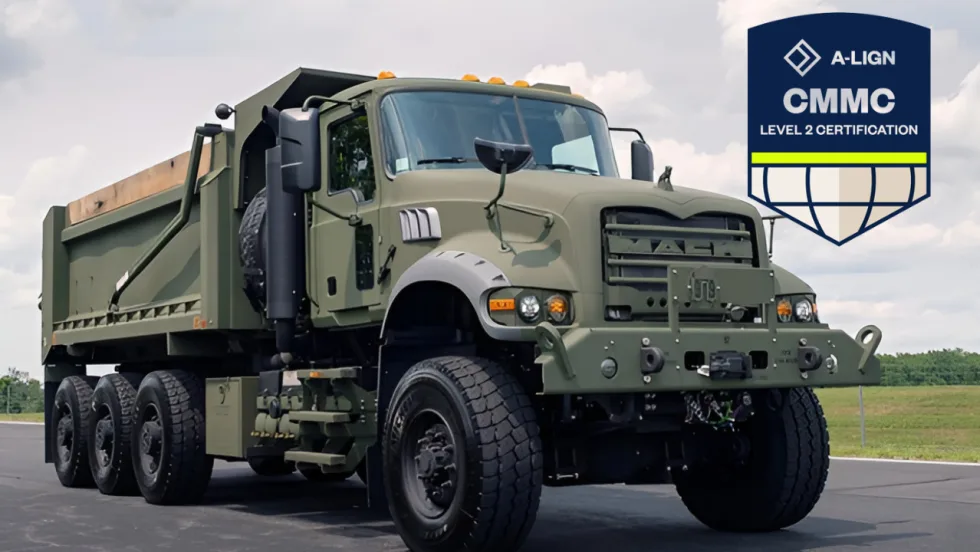
Mack Defense Achieves Cybersecurity Maturity Model Certification Level 2
After an assessment conducted by an authorized Certified Third-Party Assessment Organization (C3PAO), Mack Defense has achieved Cybersecurity Maturity Model Certification (CMMC) Level 2.
Read More →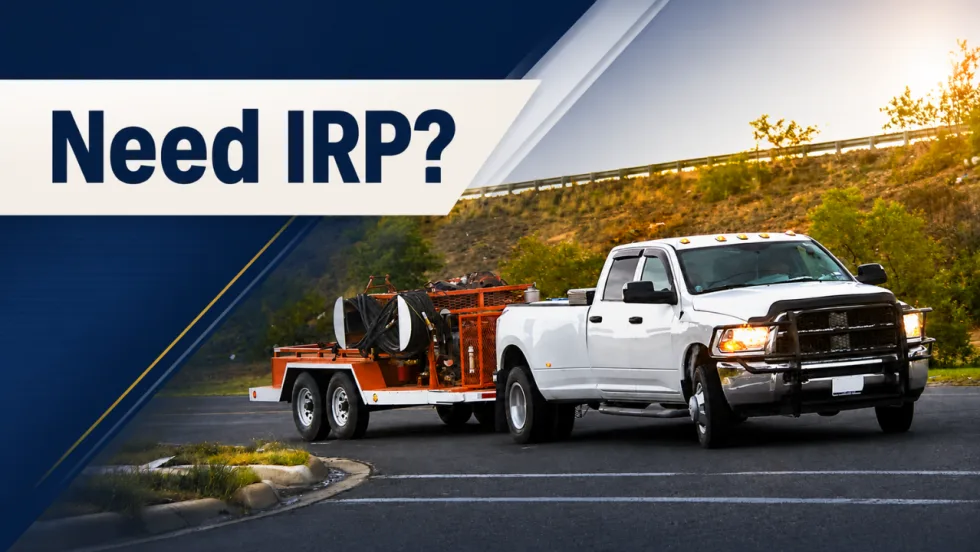
When Work Trucks Under 26,001 Pounds Need IRP Registration
Think trucks under 26,001 pounds are automatically in the clear when it comes to IRP? Not always. Learn where lighter vehicles can still run into trip permit, apportioned registration, and IFTA compliance requirements when crossing state or provincial lines.
Read More →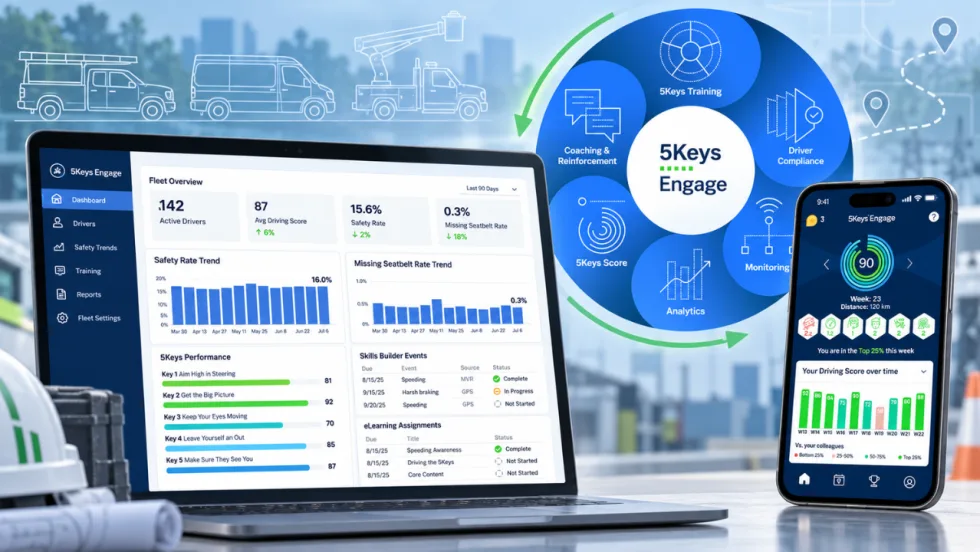
Smith System Wants Work Truck Fleets to Look Beyond the Driver Alert
Smith System’s new Driver Risk Management program is built to help mixed work truck fleets turn telematics alerts and observations into specific behaviors, coaching actions, and measurable follow-up.
Read More →


Volvo Trucks Releases New Safety Recommendations for Traveling with Pets
One of the most important recommendations for professional drivers traveling with pets is to ensure pets are properly restrained while the truck is moving. Other tips are available in the new guide from Volvo Trucks North America and Center for Pet Safety.
Read More →
Are Work Truck Drivers Warming Up to Dash Cams and GPS Tracking?
A new survey finds field-service drivers may be more comfortable with dash cams and GPS tracking than fleet managers think, especially when the technology helps protect them after a crash.
Read More →
Recalls You Need to Know About in August 2026
If you have Altec, Chrysler, Ford, Heil, General Motors, International, Mack Trucks, Paccar, Rivian, Royal Truck, Toyota, US Truck Body, or Volvo Trucks vehicles in your fleet, you should check these important recalls issued by the National Highway Safety Administration.
Read More →
API Issues Refueling Safety Guidelines
The American Petroleum Institute offers a list of safe vehicle refueling guidelines, including ways to avoid potential problems with static electricity discharges in fall, winter, and early spring.
Read More →
Winter Fleet Prep: Expert Tips to Keep Vehicles Running Smoothly
Cold weather can expose weak batteries, tires, fuel systems, and maintenance gaps fast. Use this winter fleet checklist to prepare trucks and drivers before temperatures drop.
Read More →
When a Work Truck Breaks Down, the Job Can Stop, Too
A work truck breakdown can stop more than the vehicle. Discover how payloads, jobsites, and specialty equipment change the roadside response.
Read More →
What Stronger Long-Term Fleet Service Partnerships Actually Require
Fleet service partnerships rarely fall apart all at once. Learn the three warning signs that trust is eroding and what fleets and providers can do before downtime, frustration, and lost revenue follow.
Read More →