




Home-Tech Fleet Transitions to Electronic Accounts Payable Solution
Seeking a better way to handle its fuel purchases, Home-Tech's fleet made the switch from a traditional plastic credit card to an electronic accounts payable solution.
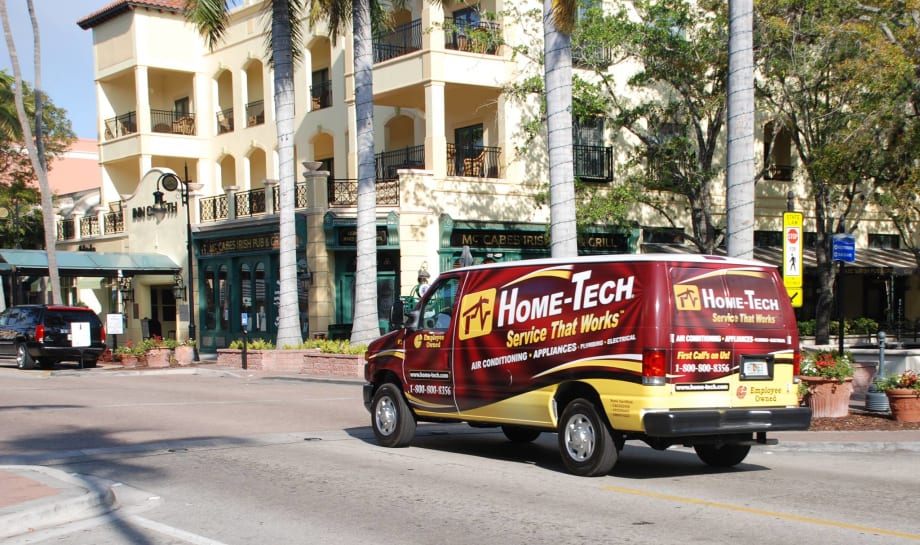
Photo: Home-Tech/CSI
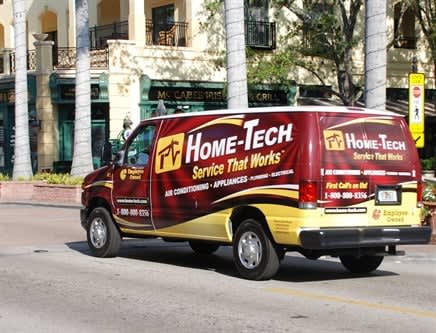
Photo: Home-Tech/CSI
Seeking a better way to handle its fuel purchases, Home-Tech's fleet made the switch from a traditional plastic credit card to an electronic accounts payable solution.
Home-Tech, a regional service company with a fleet of 75+ service vehicles, initially sought a fuel card solution to better manage its fuel spend. Upon analyzing the options in the market, the fleet chose to adopt CSI's full suite of no-cost payment solutions and launched global-fleet, globalVCard for accounts payable, and CSI’s traditional P-card.
Home-Tech was using American Express plastic cards before adopting CSI’s electronic accounts payable solution. “These cards work well for us and allow us to earn gift card rewards, which are useful to give as employee rewards or other ‘thank you’ gifts,” said Sonya Sawyer, CFO for Home-Tech. “But when paying vendors through the plastic cards, it’s a manual process where we provide the card number over the phone.”
Home-Tech initially moved 50 percent of its payables over to CSI’s virtual program,gaining efficiencies through automation and reducing costs by eliminating paper checks. “Writing checks is archaic. This is a new way to make payments that’s easy and allows us to earn 1 percent cash back,” Sawyer said.
Home-Tech reduced the number of checks written by 40 percent within the first six month. The company plans to continue expanding its use of virtual card payments throughout its business, including its corporate giving program, according to CSI. For those vendors that continue to require manual payment at the time of purchase, Home-Tech relies on CSI’s plastic credit card which provides the same opportunity to earn cash back rewards based onspend volume.
CSI’s fuel cards enable the company to save on fuel costs, one of the biggest cost centers for fleets of any size. “Before CSI, I had no idea how much more expensive fuel was in certain areas around us and how big of a difference in price five miles could make,” said Chelsea Skaff, who oversees the fuel program for Home-Tech.
Skaff said the real-time reporting available has helped the company better manage fuel usage,and the free Smart Buy application provides the ability to locate the lowest priced fuel options in the fleet's operational area. One of the transitions that required a shift in thinking on Home-Tech’s part was the need to fund payments immediately. “With the virtual card program, we didn’t have the ability to wait 30-40 days to cover the payments like we had been accustomed to,” Sawyer recalled. “Once we became familiar with the program, we adapted and the cash flow difference has been more than compensated by the rebate we receive through the program. The 1 percent back is a no brainer.”
Originally posted on Automotive Fleet
More Fuel
Peterbilt Trucks Equipped with Paccar TX-18 Pro Boost Efficiency for Maryland Fleet
Patuxent Companies is replacing aging trucks with the Peterbilt Model 567 and Model 589, specified with the Paccar TX-18 Pro 18-speed automated transmissions, and is reporting an 8% to 10% improvement in fuel economy.
Read More →
The Smart Way to Build a Mixed-Energy Fleet Isn’t About Picking a Side
Mixed-energy fleets aren’t about picking a winning fuel. Sarah Booth of WEX explains how vehicle data, duty cycles, charging strategy, and real-world costs can help fleets choose the right energy source for each job.
Read More →
Ignoring This Dashboard Warning Could Cost Your Fleet Thousands in Fuel
New research suggests neglected diesel aftertreatment systems could waste up to $30 in fuel per vehicle each day. Here's why vocational fleets should pay attention.
Read More →


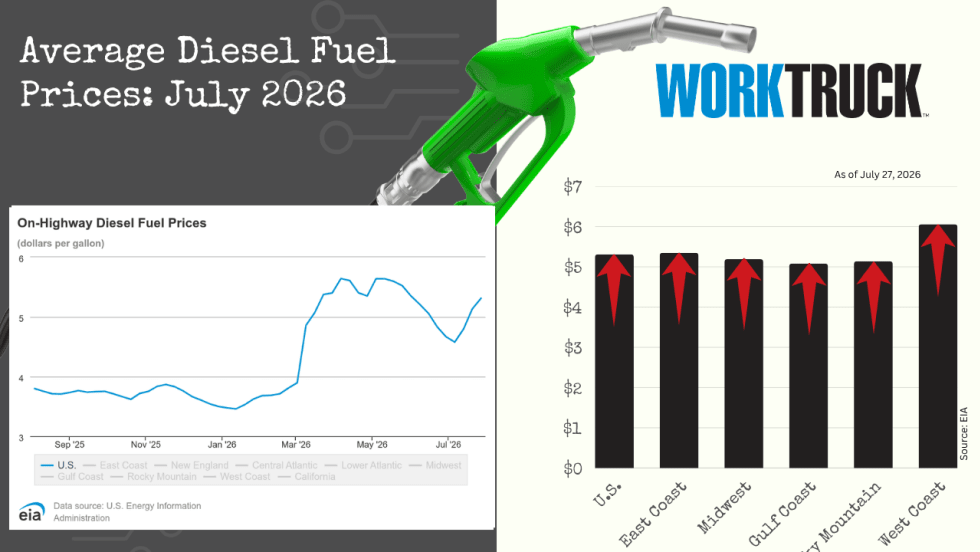
July Diesel Trends Update
The average price of a gallon of diesel increased again this week, and the EIA reported a new national average of $5.31 at the start of the week.
Read More →
WEX Brings Standard Fleet's Connected Vehicle Platform to Fleet Customers
This week’s product launch with Standard Fleet’s connected vehicle platform reflects WEX Venture Capital's strategy of turning startup innovation into customer solutions. Standard Fleet is now available to WEX fleet customers.
Read More →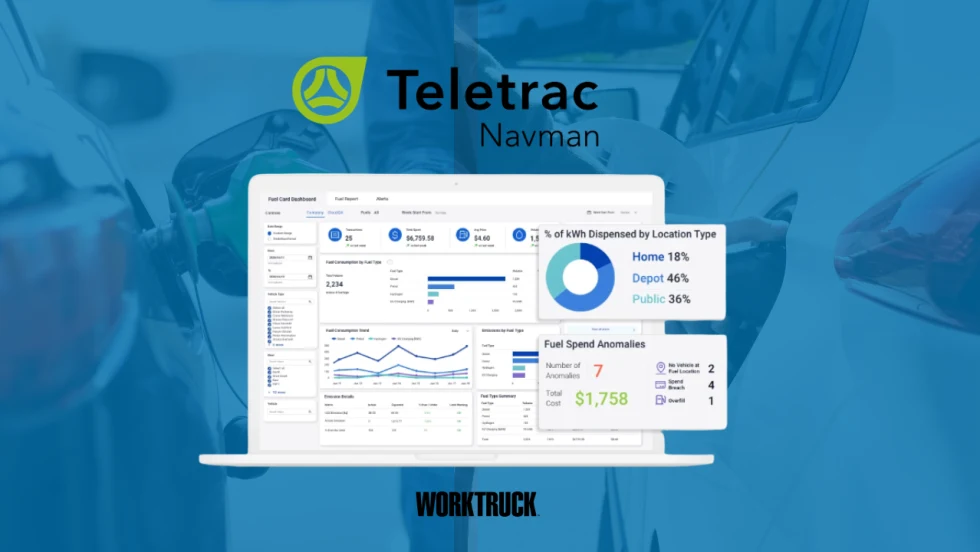
Teletrac Navman Adds Mixed-Energy Fleet Tools to TN360
The new Energy Hub combines fuel transactions, EV charging data, vehicle range, and energy costs in one dashboard for fleets operating multiple vehicle and energy types.
Read More →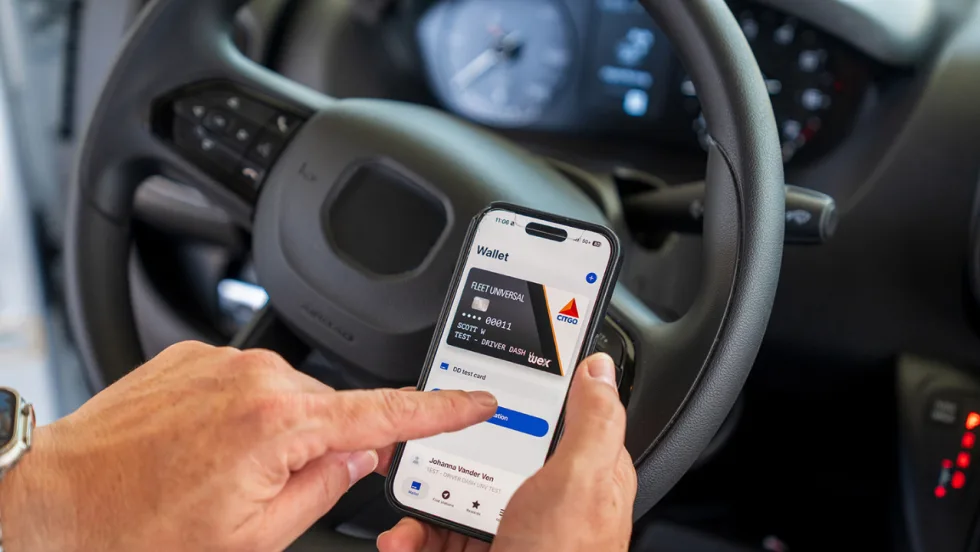
WEX DriverDash adds CITGO, Expands Nationwide Access for Fleets
The DriverDash mobile payment app, by WEX, has been integrated into the CITGO merchant network, which means WEX has expanded its U.S. station footprint with the addition of approximately 4,000 CITGO locations.
Read More →
Mixed Energy Fleet Tips for Balancing EVs, Gas and Diesel Vehicles
Mixed energy fleets are becoming the new normal. Learn how fleet managers are balancing EVs, gas and diesel vehicles while controlling costs and planning for the future.
Read More →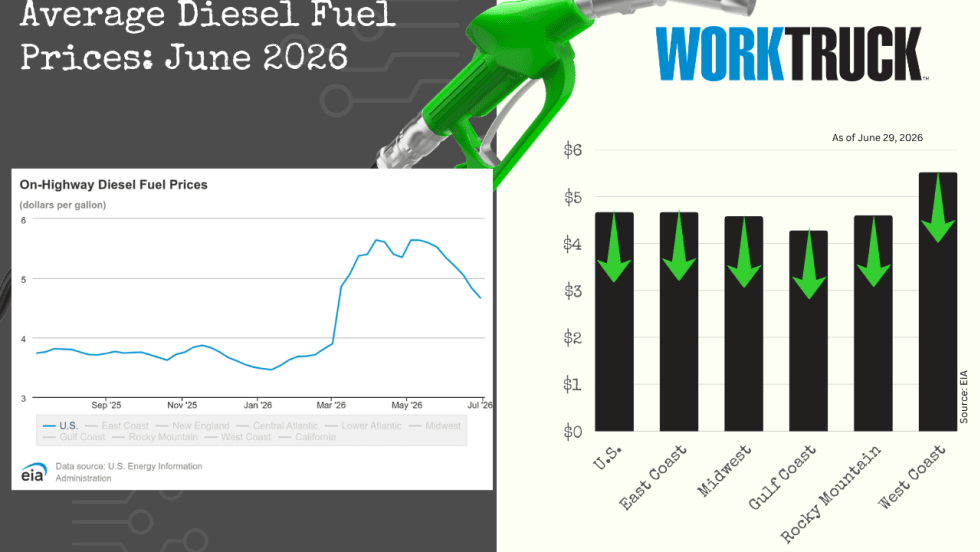
June Diesel Trends Update
The national average price of a gallon of diesel has dropped again, this week by more than 16 cents. All five regions reported lower average prices, ranging from almost 13 cents to more than 28 cents cheaper than a week ago.
Read More →
RoadFlex Launches RoadFlex Direct Open API Platform
RoadFlex Direct connects fuel cards, controls, and data to the telematics and fleet management systems fleets already run, from Geotab and Samsara to Fleetio and RTA, with no separate dashboard or double data entry.
Read More →