




GHSA Arms States with Recommendations for Racial Equity in Traffic Safety
Ten action steps are intended to advance equity in safety programs.


Black people and Hispanics are more than twice as likely to experience the threat of, or physical force during, their most recent police-initiated contact, and are also more likely to have their vehicles searched during a traffic stop.
Photo: unsplash.com/Kelly Sikkema.
With the goal of eliminating racial disparities in traffic enforcement and making the nation’s highway safety programs more just and equitable for all road users, the Governor’s Highway Safety Association (GHSA) has released a new set of recommended actions for states and safety partners, as well as for GHSA itself.
The 10 action steps were developed by consulting firm Kimley-Horn and are based on national best practices as well as a thorough analysis of data that confirms the prevalence of racial disparities in traffic safety engagement and enforcement.
For example, the report notes that racial disparities exist both in the frequency of traffic stops and in the outcome of those encounters. A number of studies, including an analysis of nearly 100 million traffic stops by the Stanford Open Policing Project, have found that Black drivers were stopped more frequently than white drivers in some communities during some enforcement activities.
Moreover, Black people and Hispanics are more than twice as likely to experience the threat of, or physical force during, their most recent police-initiated contact, and are also more likely to have their vehicles searched during a traffic stop.
As it concerns roadway safety and engagement, the report notes that more than 36,000 people died in 2020, an increase of more than 7% over 2019. But the fact is, BIPOC (Black, Indigenous, and People of Color) communities are disproportionately affected by traffic crashes and more likely to die in these crashes.
With this as the backdrop, GHSA is calling on State Highway Safety Offices (SHSOs) and the traffic safety community to adopt the following 10 recommendations along with GHSA who is leading the charge.
Promote the collection and analysis of racial data for every traffic stop to better understand potential disparities and allocate funding toward more effective enforcement.
Support increased funding for racial profiling data collection to allow more states to collect and analyze data that can be used to identify and implement solutions to address disparities.
Support increased use of automated enforcement, which studies confirm can substantially reduce risky driving behaviors and can be applied equitably with community engagement.
Establish a promising practices guide for SHSOs that identifies opportunities in greater detail to increase BIPOC participation in highway safety programs.
Encourage broader community involvement in the highway safety planning process so diverse communities have a voice in shaping enforcement and other strategies that can help reduce racial inequities.
Develop a communications toolkit for SHSOs that identifies key strategies for mitigating disparities and reinforces the message that everyone has a role to play in ensuring traffic enforcement and safety programs are equitable.
Refocus traffic enforcement efforts on traffic safety and prioritize the most dangerous and unlawful driving behaviors, such as speeding and driving under the influence, that put all road users at risk.
Encourage modernized police recruitment and training standards to achieve more equitable enforcement outcomes and so that law enforcement agency demographics more closely align with the communities they serve.
Continue to cultivate partnerships with Vision Zero, Road to Zero and Safe System communities to promote a holistic and collaborative approach to highway safety that leverages all available safety tools.
Support driver licensing policies that improve equitable outcomes such as ensuring that license sanctions are limited to moving violations and exploring more flexible fee and payment structures for traffic citations, driver license fees and vehicle registration.
Originally posted on Automotive Fleet
More Safety & Compliance
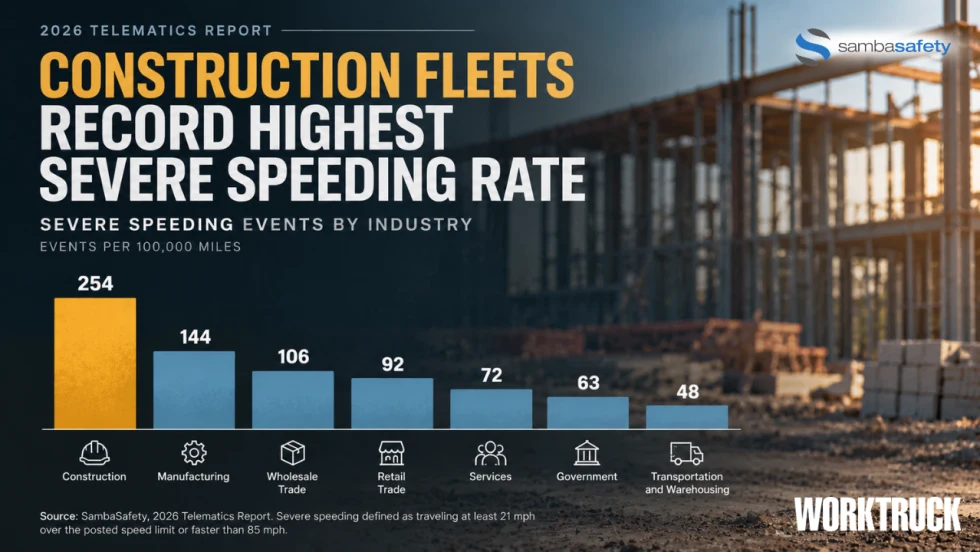
Construction Fleets Show Telematics Adoption Alone May Not Reduce Driving Risk
SambaSafety found construction fleets monitor roughly 92% of their vehicles but recorded the highest severe speeding rate among industries studied.
Read More →
Lytx Launches 360 Hub Kit for Expanded Fleet Camera Visibility
Lytx’s new AI-ready gateway and HD auxiliary camera ecosystem, the Lytx 360 Hub Kit, extends visibility across side, rear, cargo, and blind-zone views to help fleets see more and respond faster.
Read More →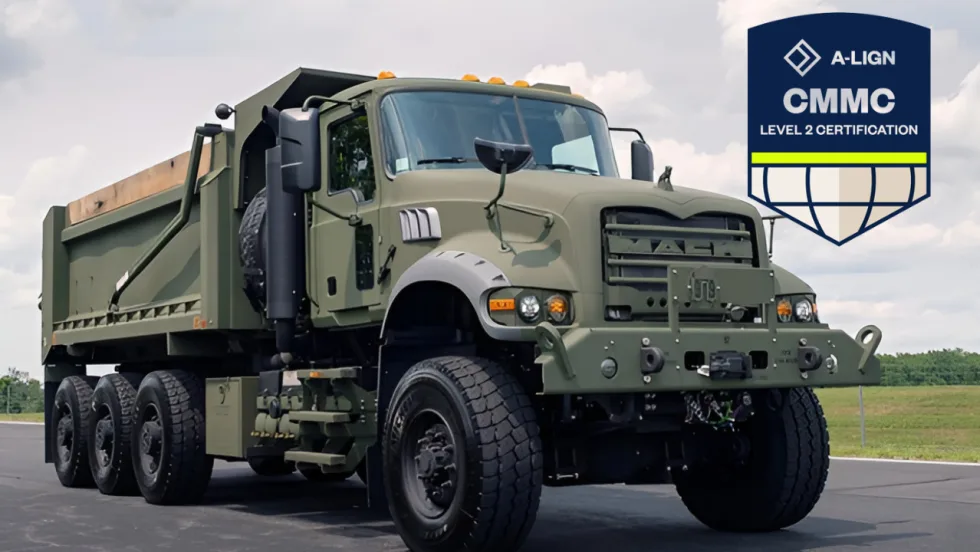
Mack Defense Achieves Cybersecurity Maturity Model Certification Level 2
After an assessment conducted by an authorized Certified Third-Party Assessment Organization (C3PAO), Mack Defense has achieved Cybersecurity Maturity Model Certification (CMMC) Level 2.
Read More →From Our Partners


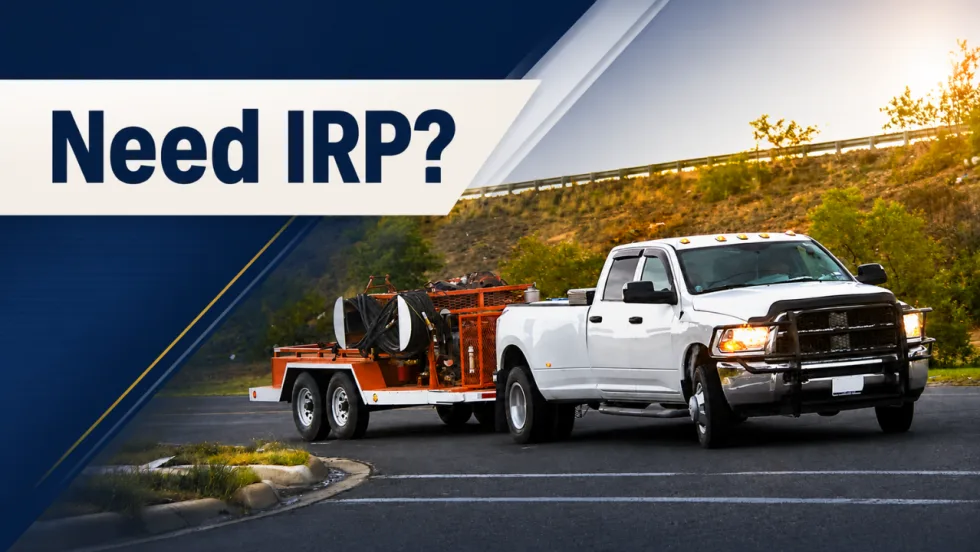
When Work Trucks Under 26,001 Pounds Need IRP Registration
Think trucks under 26,001 pounds are automatically in the clear when it comes to IRP? Not always. Learn where lighter vehicles can still run into trip permit, apportioned registration, and IFTA compliance requirements when crossing state or provincial lines.
Read More →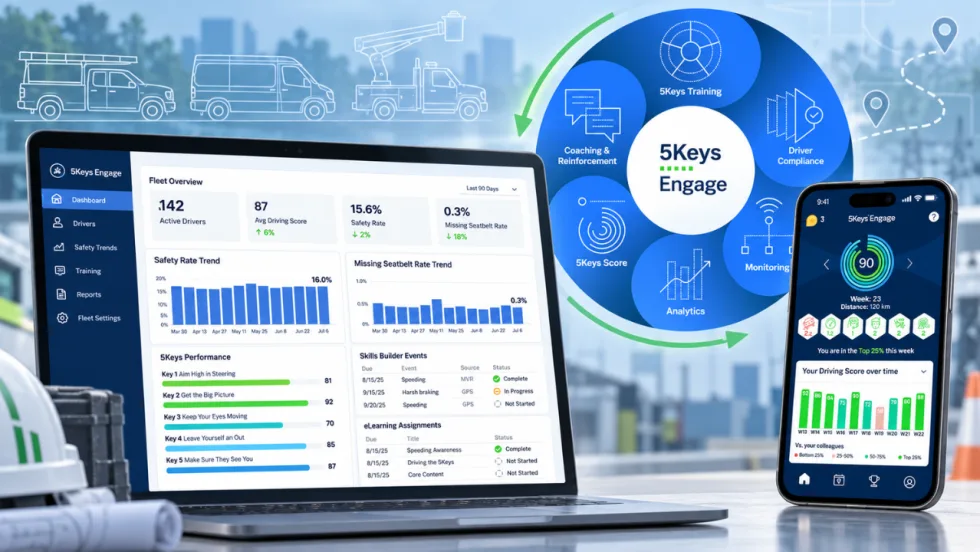
Smith System Wants Work Truck Fleets to Look Beyond the Driver Alert
Smith System’s new Driver Risk Management program is built to help mixed work truck fleets turn telematics alerts and observations into specific behaviors, coaching actions, and measurable follow-up.
Read More →
Volvo Trucks Releases New Safety Recommendations for Traveling with Pets
One of the most important recommendations for professional drivers traveling with pets is to ensure pets are properly restrained while the truck is moving. Other tips are available in the new guide from Volvo Trucks North America and Center for Pet Safety.
Read More →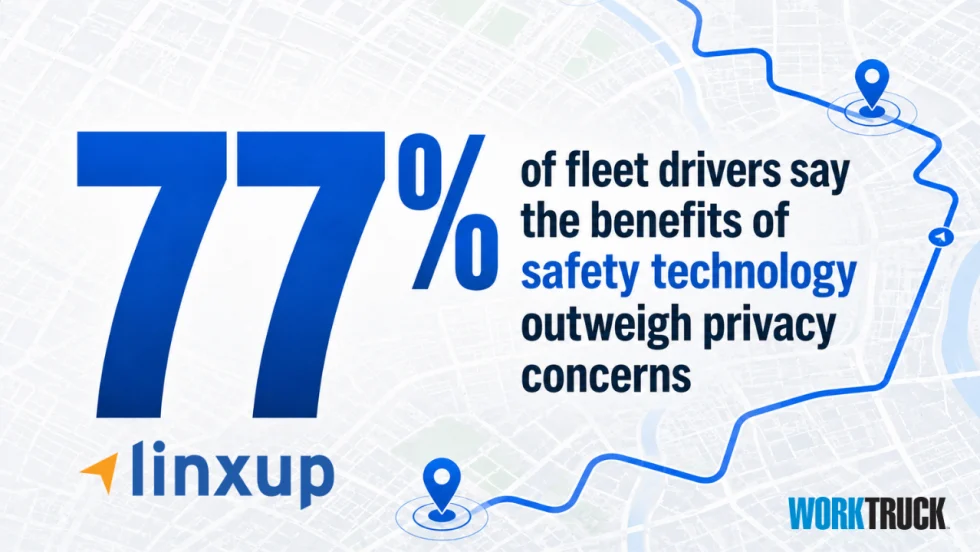
Are Work Truck Drivers Warming Up to Dash Cams and GPS Tracking?
A new survey finds field-service drivers may be more comfortable with dash cams and GPS tracking than fleet managers think, especially when the technology helps protect them after a crash.
Read More →
Recalls You Need to Know About in August 2026
If you have Altec, Chrysler, Ford, Heil, General Motors, International, Mack Trucks, Paccar, Rivian, Royal Truck, Toyota, US Truck Body, or Volvo Trucks vehicles in your fleet, you should check these important recalls issued by the National Highway Safety Administration.
Read More →
API Issues Refueling Safety Guidelines
The American Petroleum Institute offers a list of safe vehicle refueling guidelines, including ways to avoid potential problems with static electricity discharges in fall, winter, and early spring.
Read More →
Winter Fleet Prep: Expert Tips to Keep Vehicles Running Smoothly
Cold weather can expose weak batteries, tires, fuel systems, and maintenance gaps fast. Use this winter fleet checklist to prepare trucks and drivers before temperatures drop.
Read More →