





Dig Deeper: Peterbilt Delivers First Electric Cabover Truck to Frito-Lay
Frito-Lay Debuts Pilot for Upcoming Electric Fleet
Frito-Lay announced a new electric fleet that will serve the Dallas Fort Worth area, and the first pilot Ford eTransit arrived just in time for Earth Day.
April 26, 2022
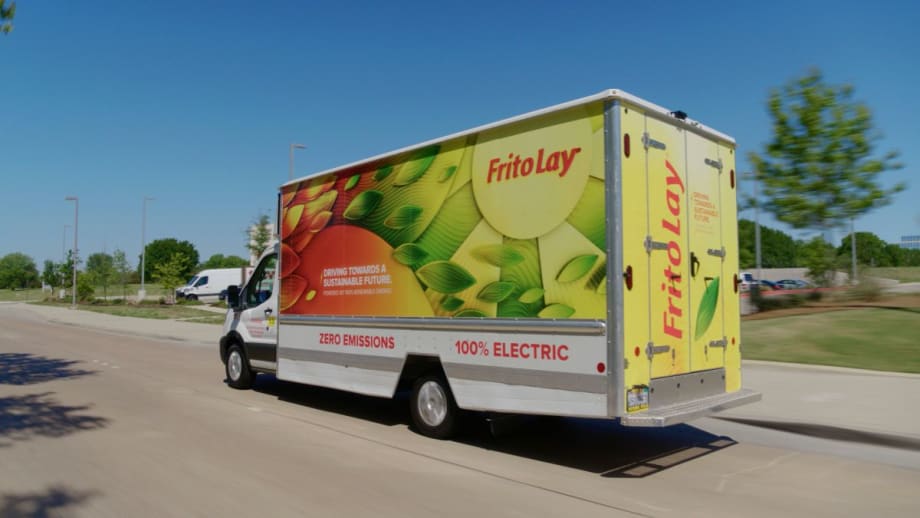
The Ford eTransit trucks will deliver locally and reduce Frito-Lay’s annual greenhouse gas (GHG) emissions as part of its broad commitment to create a positive value chain.
Photo: Ford
3 min to read
Frito-Lay announced a new electric fleet that will serve the Dallas Fort Worth area, specifically Carrollton. The first pilot Ford eTransit truck arrived just in time for Earth Day, with 40 arriving later this summer. The trucks will deliver locally and reduce Frito-Lay’s annual greenhouse gas (GHG) emissions as part of its broad commitment to create a positive value chain.
Frito-Lay is committed to having an impactful, growing footprint in the communities where our employees live and work,” said Laura Maxwell, senior vice president, supply chain, PepsiCo Foods North America, “The Dallas Fort-Worth community is very important to Frito-Lay: it is where we are headquartered, and where we employ 6,500 employees, many of whom live in Carrollton.”
With the addition of the Ford eTransit trucks in Carrollton, Frito-Lay expects a reduction of approximately 390 metric tons of greenhouse gas emissions annually through the implementation of this electrification project. Additionally, Frito-Lay is further decarbonizing its fleet through the nationwide use of renewable compressed natural gas and other new zero- and near-zero emission vehicles.
“We are excited to welcome the first Frito-Lay electric fleet in the City of Carrollton,” said Carrollton City Manager Erin Rinehart. “Carrollton's vision is to be the community that families and businesses want to call home and we love to learn about businesses supporting the City of Carrollton.”
Frito-Lay has already achieved 100% renewable electricity for all of its U.S. plants, offices, and distribution centers. In addition, all Frito-Lay U.S. manufacturing sites use LED lighting with expected GHG emissions savings equivalent to 21,200 metric tons of CO2 annually.
"Frito-Lay recognizes our opportunity to utilize our size and scale to advance technology throughout our supply chain while reducing environmental impacts as we move our products more sustainably with a goal to achieve Net-Zero emissions by 2040,” said David Allen, vice president of sustainability, PepsiCo Foods North America. "The implementation of these 40 100% electric, zero-emissions route trucks is one of the many ways we’re supporting our local community and committed to improving air quality and reducing Frito-Lay’s absolute greenhouse gas emissions in the Dallas Fort Worth area.”
Frito-Lay operates under a broader commitment to people and the environment which includes creating a sustainable food system from sourcing ingredients to making, moving and selling products in a more sustainable way. Frito-Lay is making significant advancements toward this goal, not just through fleet enhancements, but commercially compostable packaging initiatives and sharing sustainable farming practices with farmers.
Frito-Lay’s efforts build on its parent company’s broader sustainability goals, known as PepsiCo Positive (pep+). Pep+ drives action and progress across key pillars, bringing together a number of industry-leading 2030 goals under a comprehensive framework. pep+ is an end-to-end transformation that puts sustainability at the center of how the company will create growth and value by operating within planetary boundaries and inspiring positive change for the planet and people. pep+ will guide how PepsiCo transforms its business operations, leveraging its more than one billion connections with consumers each day to take sustainability mainstream and engage people to make choices that are better for themselves and the planet.
More Green Fleet

Fleet Forward Conference Introduces One-Day Passes for 2026
New one-day registration gives fleet professionals the flexibility to attend Tuesday, Wednesday, or Thursday, with passes available for $199 through Sept. 18.
Read More →
CALSTART Rebrands as Catalyst Mobility, Will Combine with Forth in 2027
CALSTART has rebranded as Catalyst Mobility and will combine with Forth at the start of 2027. The new organization said it is poised to become one of the world's largest, strongest, and most impactful clean transportation nonprofits.
Read More →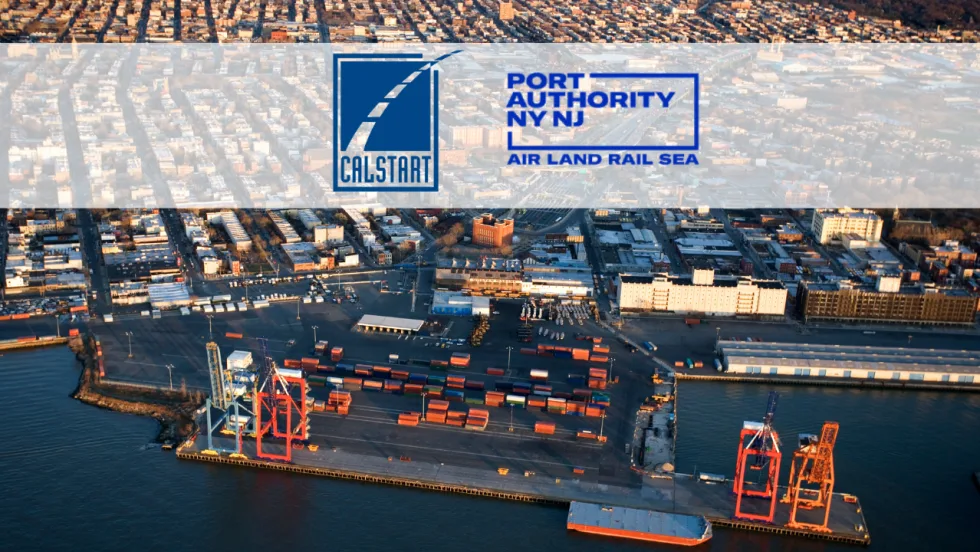
Electric Truck and Charging Programs to Boost Sustainability at NY & NJ Ports
Together, the Port Authority of New York and New Jersey and CALSTART will electrify drayage and terminal operations serving the East Coast’s busiest container port. A pair of incentive programs totaling $45 million has launched to accelerate adoption of zero-emission drayage trucks and terminal tractors.
Read More →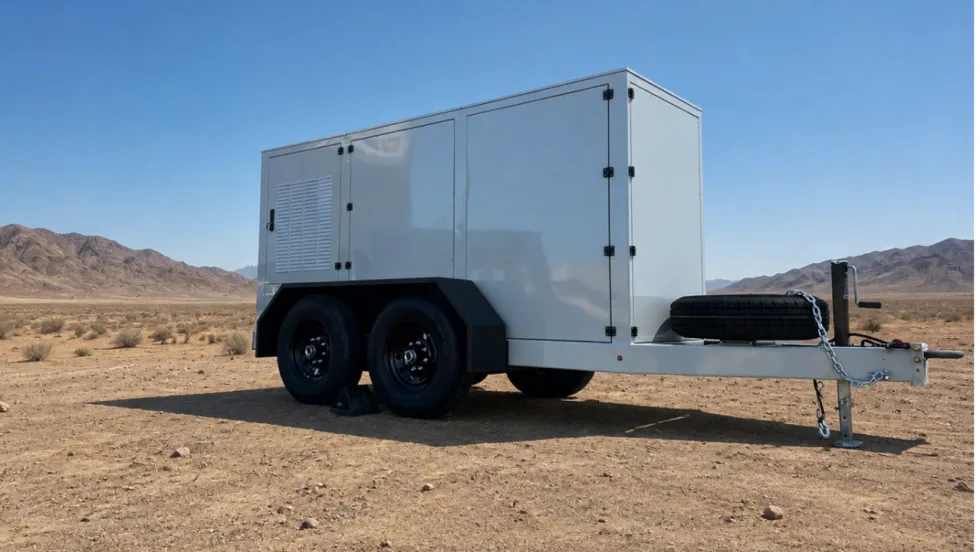
Xos Hub Surpasses One Gigawatt-Hour of Energy Delivered in the Field
A single Xos Hub has surpassed one gigawatt-hour of energy across more than 33,600 charging sessions in the field, demonstrating performance that supports Xos' expansion across new products and markets.
Read More →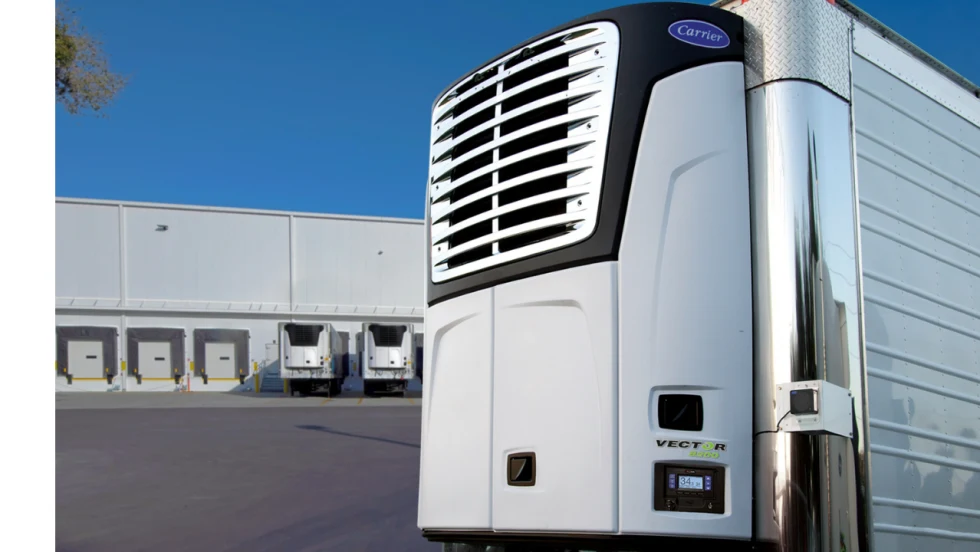
Carrier Transicold Launches All-Electric Vector 8200 TRU for Diesel-Free On-Site Cold Storage
Carrier Transicold’s first engineless multi-temperature TRU helps fresh- and frozen-food fleets add supplemental cold storage capacity during seasonal peaks.
Read More →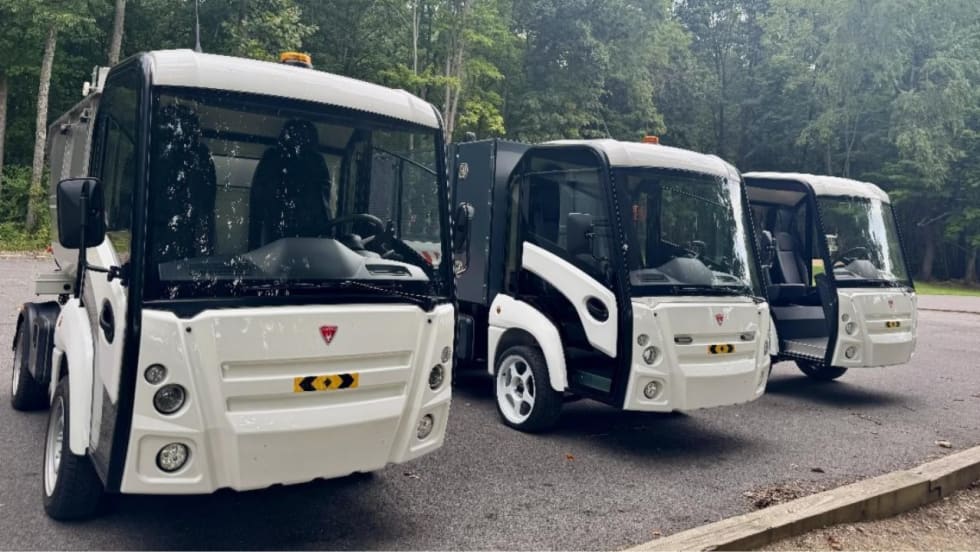
Narro Trucks Introduces Electric Utility Vehicle
Narro Trucks officially launched its operations on Aug. 20 and hosted a ride and drive to showcase its electric truck, which will be produced in Virginia.
Read More →
Samsung SDI Takes Full Control of GM Battery JV as Indiana Plant Pivots to Energy Storage
Samsung SDI is taking full control of its Indiana battery plant with GM, marking a major shift from the EV-focused joint venture Charged Fleet first covered in 2023.
Read More →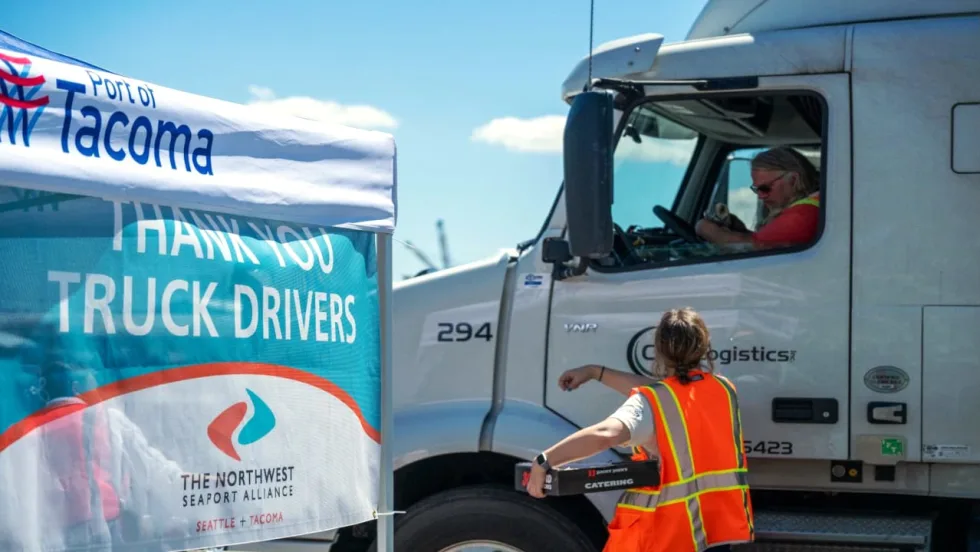
NWSA Taps CALSTART to Administer Zero-Emission Drayage Assistance Program
CALSTART will provide free technical assistance services to drayage fleets serving the Ports of Seattle and Tacoma and looking to transition to cleaner technologies and help decarbonize freight hubs.
Read More →
EV Fleet Reality Check: What Operators Wish They Knew Before Electrifying Their Work Vans
Electric work truck upfits bring new compatibility questions. Learn how parts availability, OEM guidance, power demands, and route planning can affect fleet performance.
Read More →
Peterbilt Expands Sourcewell Partnership with Electric Vehicle Lineup
Peterbilt Motors Company’s cooperative purchasing agreement with Sourcewell and its Canadian partner, Canoe Procurement Group, now includes including Peterbilt's battery-electric vehicle lineup.
Read More →