




Freightliner Custom Chassis Corporation's All-Electric Walk-In Van Spotlighted
GAFFNEY, SC - A trucking industry leader in sustainability, Freightliner Custom Chassis Corporation (FCCC) recently presented the new body styling of its plug-in MT-EV all-electric walk-in van (WIV) during the culmination event at National Odyssey Day.
GAFFNEY, SC - A trucking industry leader in sustainability, Freightliner Custom Chassis Corporation (FCCC) recently presented the new body styling of its plug-in MT-EV all-electric walk-in van (WIV) during the culmination event at National Odyssey Day.
National Odyssey Day was the final event of the National Alternative Fuels Training Consortium's (NAFTC) Odyssey Week. The 2010 Odyssey was the program's fifth installment and focused on bringing national attention to cleaner, more energy-efficient and smarter choices in alternative transportation technologies.
Held at Clemson University's International Center for Automotive Research on Oct. 15, 2010, Odyssey Day is an alternative fuels seminar sponsored by NAFTC, West Virginia University, and the Palmetto State Clean Fuels Coalition. Its purpose is to educate the general public, community and business leaders about alternative fuels and infrastructure that are present in the marketplace today.
"FCCC was honored to present our groundbreaking all-electric chassis at the National Alternative Fuels Training Consortium's highly regarded Odyssey Day Alternative Fuels Seminar," Bob Harbin, president of FCCC said. "At FCCC, we are committed to manufacturing sustainable products that help reduce harmful emissions and promote environmental responsibility. We're pleased to have participated in Odyssey Day with esteemed companies that share in our sustainable values."
FCCC launched the new generation all-electric WIV with an enhanced body style by Morgan Olson in September at the Hybrid Truck Users Forum in Dearborn, Mich. FCCC was the first to develop and introduce an all-electric WIV chassis to the commercial vehicle industry. The FCCC all-electric WIV chassis is the only chassis domestically engineered and the first in the North American industry to be completely all-electric, including its HVAC system. The vehicle's cab interior is built of lightweight, durable composites that are completely recyclable.
"FCCC's all-electric WIV announcement was a perfect complement to the Odyssey Week 2010 Alternative Fuels Seminar," said Andrew Epting, Clean Cities Grants Coordinator at the South Carolina Energy Office. "The FCCC chassis is representative of what companies can do to really reduce the amount of emissions in our communities."
In addition to the all-electric chassis, FCCC manufactures compressed natural gas WIV chassis, hybrid-electric vehicle (HEV) chassis, and will offer full production of the hydraulic hybrid vehicle chassis in Q1 2011 for the walk-in van market segment. These alternative-power vehicles have proven to offer significant emission reduction benefits.
FCCC also designs and manufactures alternative-fuel chassis for the commercial bus and motorhome market segments. In 2008, FCCC introduced ecoFREDTM, the motorhome industry's first hybrid-electric chassis, and the FCCC MB-HEV hybrid-electric commercial bus chassis in response to a growing customer demand for alternative-fuel power that provides the same excellent performance and durability as FCCC's premium diesel-powered chassis.
FCCC's commitment to the environment extends beyond developing sustainable products. FCCC was the first chassis manufacturer and first company within the trucking industry to reach Zero Waste to Landfill status in the United States, achieving its goal three months ahead of schedule.
FCCC's Zero Waste to Landfill program and comprehensive recycling efforts resulted in elimination of solid waste disposal throughout its entire facility. Joining an elite group of solid waste-free manufacturing facilities in the United States, FCCC went from disposing 250,000 pounds per month of solid waste in January 2007 to disposing zero pounds by October 2009.
The FCCC facility recycles materials such as plastic, paper, aluminum, cardboard, metals, wood and nylon. The company's commitment to clean air technologies is in line with its parent company, Daimler AG's, global initiative called "Shaping Future Transportation." Launched by Daimler in November 2007 in Stuttgart, Germany, the initiative is focused on reducing category emissions pollutants, carbon dioxide and fuel consumption.
Freightliner Custom Chassis Corporation manufactures premium chassis for the motor-home, delivery walk-in van, and school bus, and shuttle bus markets. Freightliner Custom Chassis Corporation is a subsidiary of Daimler Trucks North America LLC, a Daimler company.
More Green Fleet

Fleet Forward Conference Introduces One-Day Passes for 2026
New one-day registration gives fleet professionals the flexibility to attend Tuesday, Wednesday, or Thursday, with passes available for $199 through Sept. 18.
Read More →
CALSTART Rebrands as Catalyst Mobility, Will Combine with Forth in 2027
CALSTART has rebranded as Catalyst Mobility and will combine with Forth at the start of 2027. The new organization said it is poised to become one of the world's largest, strongest, and most impactful clean transportation nonprofits.
Read More →
Electric Truck and Charging Programs to Boost Sustainability at NY & NJ Ports
Together, the Port Authority of New York and New Jersey and CALSTART will electrify drayage and terminal operations serving the East Coast’s busiest container port. A pair of incentive programs totaling $45 million has launched to accelerate adoption of zero-emission drayage trucks and terminal tractors.
Read More →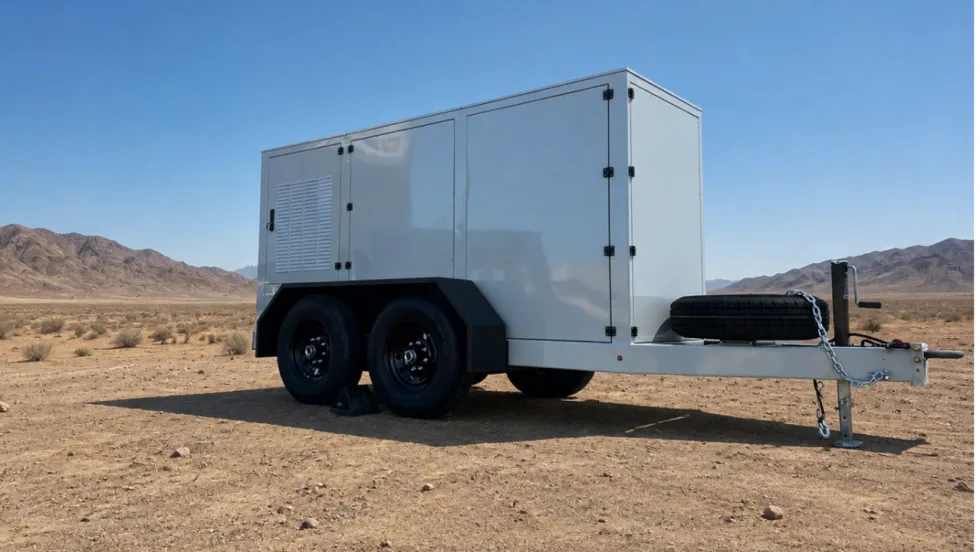
Xos Hub Surpasses One Gigawatt-Hour of Energy Delivered in the Field
A single Xos Hub has surpassed one gigawatt-hour of energy across more than 33,600 charging sessions in the field, demonstrating performance that supports Xos' expansion across new products and markets.
Read More →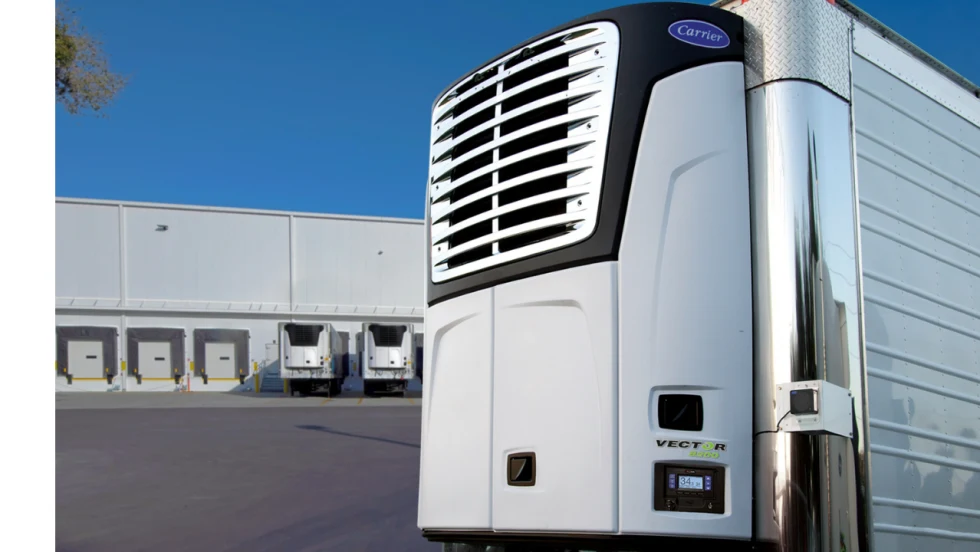
Carrier Transicold Launches All-Electric Vector 8200 TRU for Diesel-Free On-Site Cold Storage
Carrier Transicold’s first engineless multi-temperature TRU helps fresh- and frozen-food fleets add supplemental cold storage capacity during seasonal peaks.
Read More →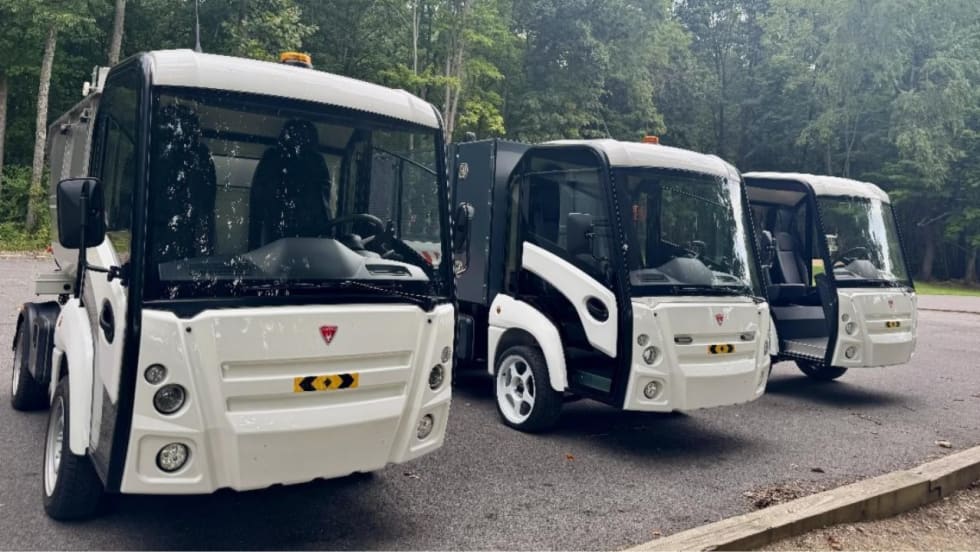
Narro Trucks Introduces Electric Utility Vehicle
Narro Trucks officially launched its operations on Aug. 20 and hosted a ride and drive to showcase its electric truck, which will be produced in Virginia.
Read More →
Samsung SDI Takes Full Control of GM Battery JV as Indiana Plant Pivots to Energy Storage
Samsung SDI is taking full control of its Indiana battery plant with GM, marking a major shift from the EV-focused joint venture Charged Fleet first covered in 2023.
Read More →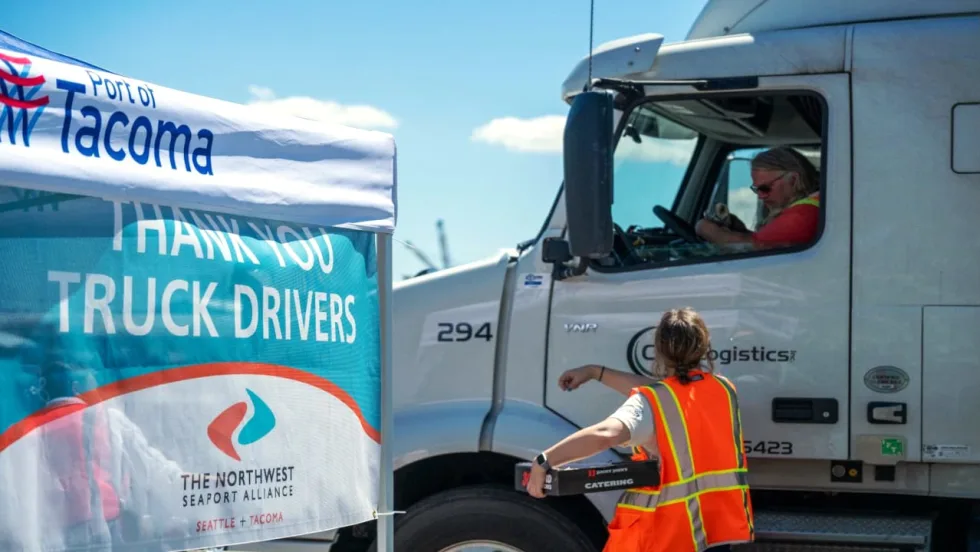
NWSA Taps CALSTART to Administer Zero-Emission Drayage Assistance Program
CALSTART will provide free technical assistance services to drayage fleets serving the Ports of Seattle and Tacoma and looking to transition to cleaner technologies and help decarbonize freight hubs.
Read More →
EV Fleet Reality Check: What Operators Wish They Knew Before Electrifying Their Work Vans
Electric work truck upfits bring new compatibility questions. Learn how parts availability, OEM guidance, power demands, and route planning can affect fleet performance.
Read More →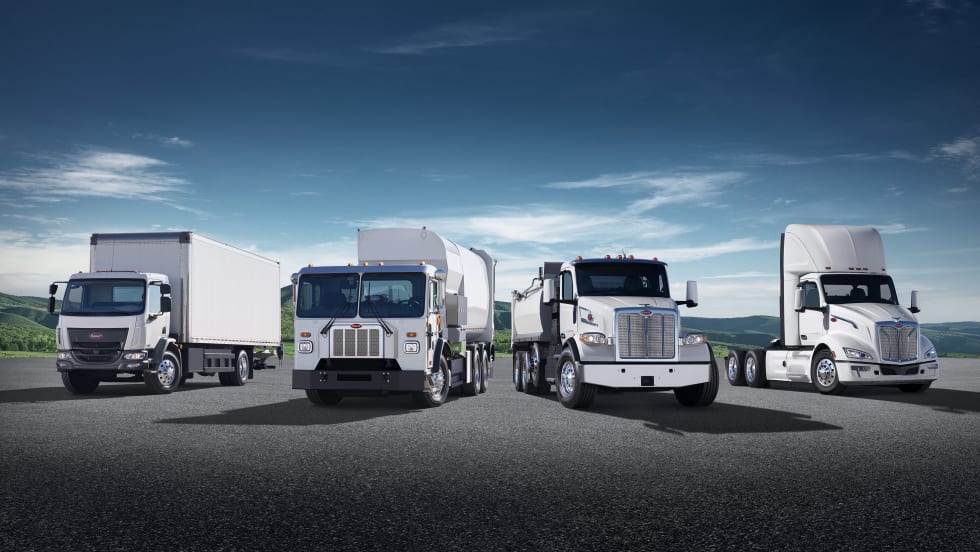
Peterbilt Expands Sourcewell Partnership with Electric Vehicle Lineup
Peterbilt Motors Company’s cooperative purchasing agreement with Sourcewell and its Canadian partner, Canoe Procurement Group, now includes including Peterbilt's battery-electric vehicle lineup.
Read More →