




FMCSA Unveils Chassis Rule
The Federal Motor Carrier Safety Administration (FMCSA) published an intermodal equipment rule that should boost truckers’ productivity by speeding up operations and ensuring chassis are safer.

The Federal Motor Carrier Safety Administration (FMCSA) published an intermodal equipment rule that should boost truckers’ productivity by speeding up operations and ensuring chassis are safer, according to Transport Topics.
In addition, FMCSA stiffened review procedures for new trucking companies by requiring a safety audit within 18 months after operations begin.
When the rule becomes effective in March, chassis providers will be required to maintain equipment in roadworthy, or “roadable” condition that meets federal motor carrier safety standards. Truck drivers who have been penalized for defects in chassis that weren’t theirs will now be able to insist that they receive equipment with safe tires, brakes, and lights before hitting the highway.
Prior efforts by ATA and others to address roadability went nowhere until Congress made chassis owners responsible for safety and maintenance in the 2005 transportation law. FMCSA’s rule implements that law.
FMCSA said drivers waste three hours each time a defect forces them to wait for repairs or find a roadable alternative, pegging delay costs at $140.
The rule lacks a cumulative savings estimate. Based on the estimated $140 cost per incident, fleets would save $3 million annually if the rule eliminated all out-of-service incidents, which totaled 21,154 in 2006, according to Transport Topics.
Casey said IANA was disappointed that the rules ignored existing intermodal inspection standards and rejected an industry proposal to create an electronic equipment registry, eliminating the need to physically mark each piece of equipment.
FMCSA will instead require chassis marking with a six-digit U.S. Department of Transportation number. It will be displayed on a sticker, kept in a weatherproof packet, permanently marked on the chassis or listed on drivers’ paperwork that travels with the shipment.
FMCSA’s rule requires chassis providers to:
File information forms about themselves.
Create or maintain files that document what equipment is under their control.
Identify equipment with a DOT number.
Have a system for reporting and correcting equipment defects.
Providers will have 12 months to register and create recordkeeping systems and 12 additional months to mark all chassis.
The rule requires drivers to do a pre-trip inspection before hitting the road and creates a process for reporting and rectifying defects. However, the agency acknowledged the potential for inspection difficulties because drivers may not be able to see defects if there’s a container on the chassis.
FMCSA said equipment providers’ compliance costs could reach $333.4 million over 10 years, with added startup costs of up to $33.8 million.
FMCSA said the rule could trim the current percentage of intermodal equipment placed out of service during roadside inspections to 13 percent — the same rate as trailers — from the current 19 percent.
More Safety & Compliance

Tips for Driving Safely on Halloween Night
This video features a reminder from the Connecticut Department of Transportation (DOT) and the Connecticut Police Chiefs Association, urging drivers to prioritize safety this Halloween.
Read More →
Re-rating Gross Vehicle Weight Ratings (GVWR): Why and How it's Done
Sometimes, it is not in a fleet’s best interests to have a vehicle at a given GVWR. Changing the GVWR to a special value can be done, but the process is complicated.
Read More →
When a Work Truck Gets Stolen, the Real Loss Is Time
A stolen work truck can take more than a vehicle off the road. From tools and access cards to crew downtime, here’s how fleets can prepare for theft before it disrupts the entire workday.
Read More →From Our Partners



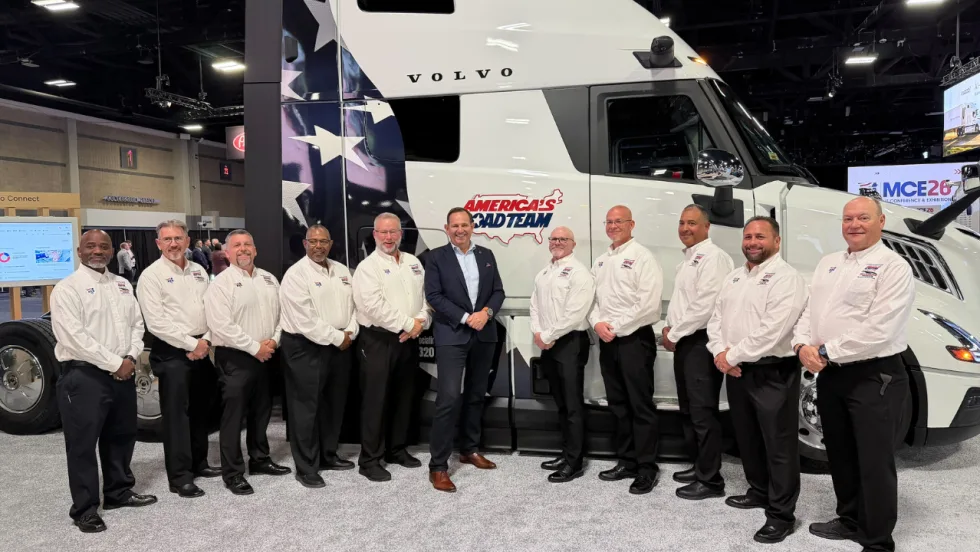
Volvo Trucks Marks 25 Years as Exclusive Sponsor of America's Road Team
Volvo Trucks North America will serve as the exclusive sponsor of the American Trucking Associations' America's Road Team, marking 25 years of Volvo sponsorship. The group of professional drivers promotes safety and the industry as they travel the country.
Read More →
Streamlight’s High-Output Scene Light Recognized with Occupational Safety Award
Streamlight’s Portable Scene Light III (PSL III) won the 2026 Occupational Health & Safety (OH&S) New Product of the Year Award in the Lighting category.
Read More →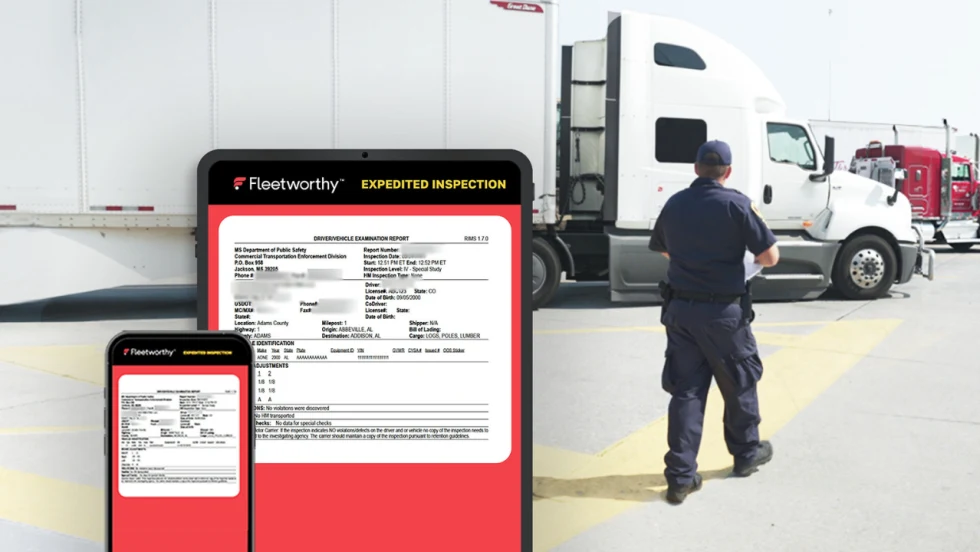
Fleetworthy Expands Expedited Inspection to 5 States
Following its industry-first launch in Nevada, Fleetworthy’s automated inspection technology is now live in California, Michigan, Vermont, and Maine.
Read More →
Crossing State Lines in a Light-Duty Work Truck? Check These Rules First
Crossing state lines in a lighter work truck? J.J. Keller's Kathy Close explains when IRP registration, trip permits, and towing rules come into play.
Read More →
GeoFencing Adds to Your Truck Security Arsenal
Geofencing is a familiar fleet tool today, but its early adoption marked a major shift in vehicle tracking, route monitoring, and the debate over employee privacy.
Read More →
Recalls You Need to Know About in October 2026
In October 2026, what recalls might impact your fleet? Work Truck has the answers in this comprehensive overview of recent NHTSA recalls.
Read More →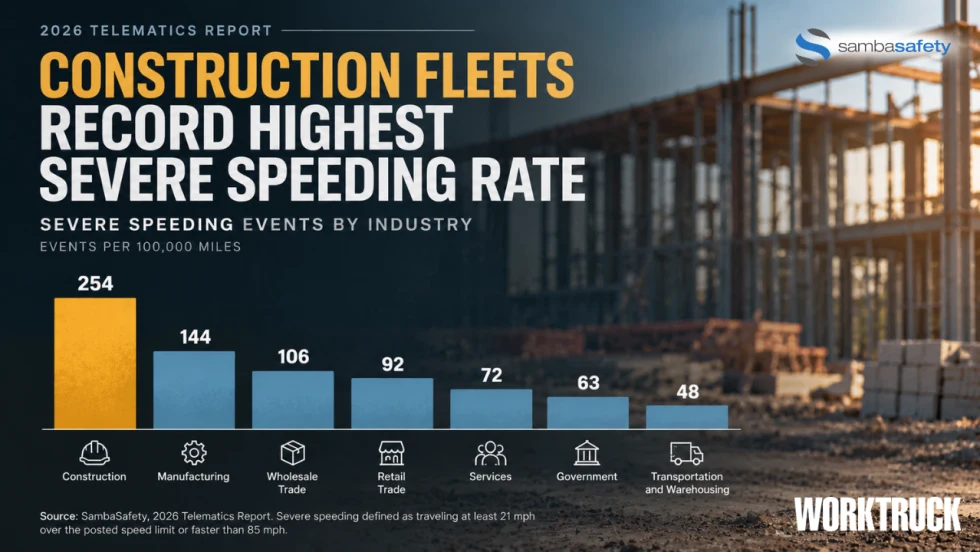
Construction Fleets Show Telematics Adoption Alone May Not Reduce Driving Risk
SambaSafety found construction fleets monitor roughly 92% of their vehicles but recorded the highest severe speeding rate among industries studied.
Read More →