




Related: Trucking Ready for Harvey Recovery, Spot Market Data Suggests
FMCSA Suspends Rules in 26 States to Help Fuel, Supplies Flow after Harvey
To aid in the effort to bring supplies and fuel to areas affected by Hurricane Harvey, the Federal Motor Carrier Safety Administration and the State of Texas have lifted several trucking regulations to cut down on red tape and smooth the flow of goods.
by Staff
September 1, 2017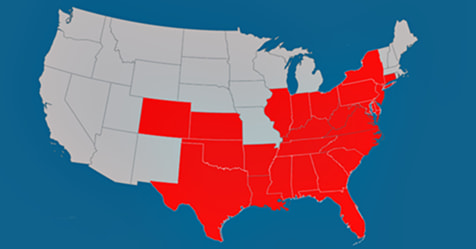
FMCSA is suspending certain trucking regulations in 26 states and the District of Columbia to aide in the recovery effort from Hurricane Harvey. Image: FMCSA
2 min to read
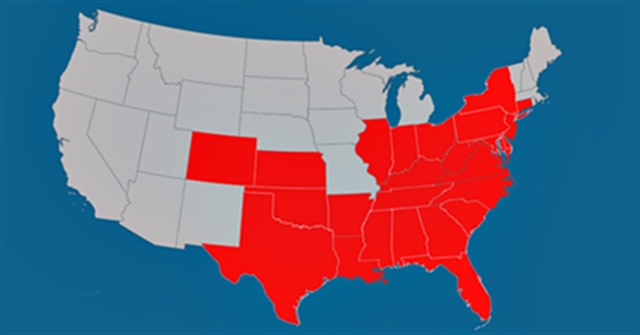
FMCSA is suspending certain trucking regulations in 26 states and the District of Columbia to aide in the recovery effort from Hurricane Harvey.Image: FMCSA
To aid in the effort to bring supplies and fuel to the areas affected by Hurricane Harvey, the Federal Motor Carrier Safety Administration and the State of Texas have temporarily suspended several trucking regulations.
FMCSA announced on Sept. 1 that due to an expected shortage of fuel products, including gasoline, diesel, aviation fuel, propane and home heating oil, "due to refinery delays and interruption of delivery through pipelines as a result of damage from Tropical Storm Harvey," it has declared a regional emergency declaration for 26 States and the District of Columbia. "Motor carriers and drivers providing direct assistance to the emergency transporting fuel products into and from these States and jurisdictions are granted emergency relief from Title 49 CFR Parts 390 through 399," the agency stated.
The suspended regulations include those concerned with driver hours of service, inspection, repair, and maintenance, hazardous materials transportation, driving, and parking, and other health and safety standards.
Texas Governor Greg Abbot (R) has issued a temporary waiver of the International Fuel Tax Agreement, suspending requirements that trucking firms track and pay tax on the amount of fuel used in Texas when delivering relief supplies and fuel into the state. The suspension is aimed at speeding up the movement of needed relief supplies and fuel into the state and immediately reducing the cost and administrative burden.
"As Texas begins the recovery process in the wake of Hurricane Harvey, it is important that Texans have access to much-needed resources, including gasoline and fuel." said Gov. Abbott. "Texans should rest assured that their state government is doing every possible to ensure the accessibility and affordability of the necessities allowing us to focus on the process of rebuilding together after this storm."
In other news, the Port of Houston, an important economic driver in the region, is already being reopened after having been mostly spared flood damage, according to a report in Quartz. The port is the top U.S. port for fuel exports. With it reopened, ships that have been anchored offshore will be able to offload goods and take on new freight.
Originally posted on Automotive Fleet
More Fuel

The Smart Way to Build a Mixed-Energy Fleet Isn’t About Picking a Side
Mixed-energy fleets aren’t about picking a winning fuel. Sarah Booth of WEX explains how vehicle data, duty cycles, charging strategy, and real-world costs can help fleets choose the right energy source for each job.
Read More →
Ignoring This Dashboard Warning Could Cost Your Fleet Thousands in Fuel
New research suggests neglected diesel aftertreatment systems could waste up to $30 in fuel per vehicle each day. Here's why vocational fleets should pay attention.
Read More →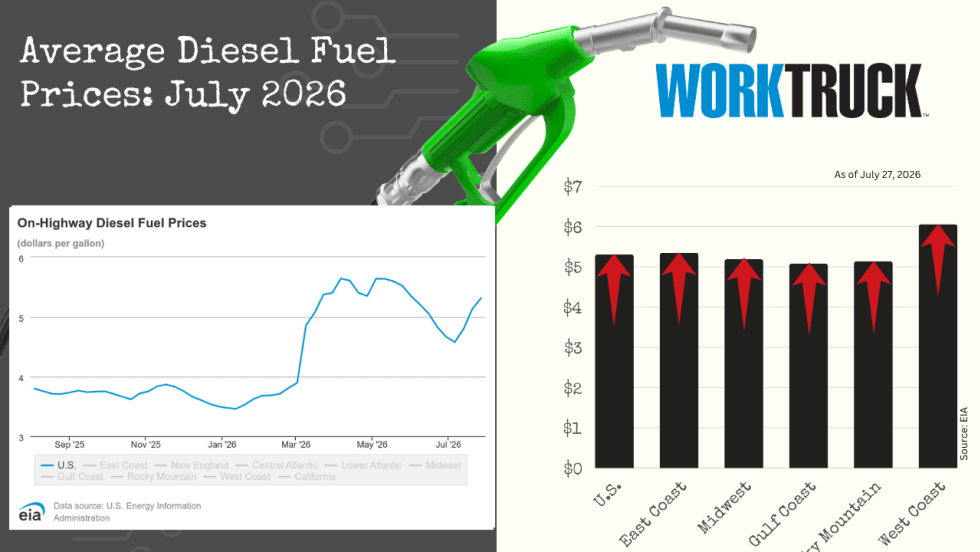
July Diesel Trends Update
The average price of a gallon of diesel increased again this week, and the EIA reported a new national average of $5.31 at the start of the week.
Read More →
WEX Brings Standard Fleet's Connected Vehicle Platform to Fleet Customers
This week’s product launch with Standard Fleet’s connected vehicle platform reflects WEX Venture Capital's strategy of turning startup innovation into customer solutions. Standard Fleet is now available to WEX fleet customers.
Read More →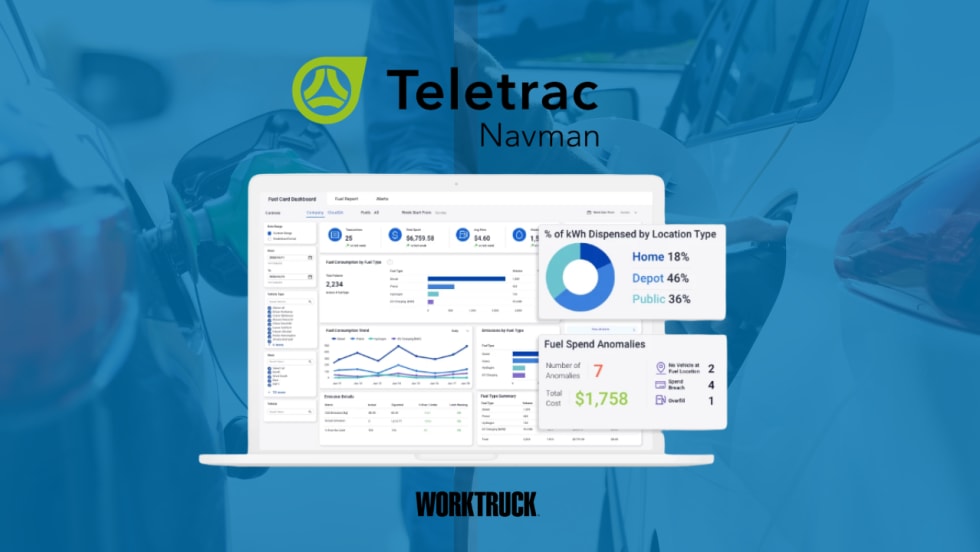
Teletrac Navman Adds Mixed-Energy Fleet Tools to TN360
The new Energy Hub combines fuel transactions, EV charging data, vehicle range, and energy costs in one dashboard for fleets operating multiple vehicle and energy types.
Read More →
WEX DriverDash adds CITGO, Expands Nationwide Access for Fleets
The DriverDash mobile payment app, by WEX, has been integrated into the CITGO merchant network, which means WEX has expanded its U.S. station footprint with the addition of approximately 4,000 CITGO locations.
Read More →
Mixed Energy Fleet Tips for Balancing EVs, Gas and Diesel Vehicles
Mixed energy fleets are becoming the new normal. Learn how fleet managers are balancing EVs, gas and diesel vehicles while controlling costs and planning for the future.
Read More →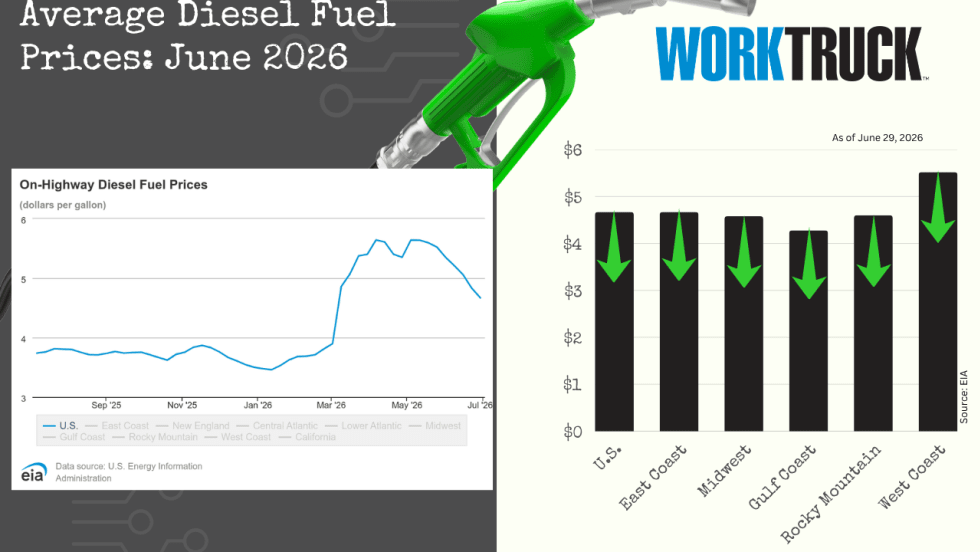
June Diesel Trends Update
The national average price of a gallon of diesel has dropped again, this week by more than 16 cents. All five regions reported lower average prices, ranging from almost 13 cents to more than 28 cents cheaper than a week ago.
Read More →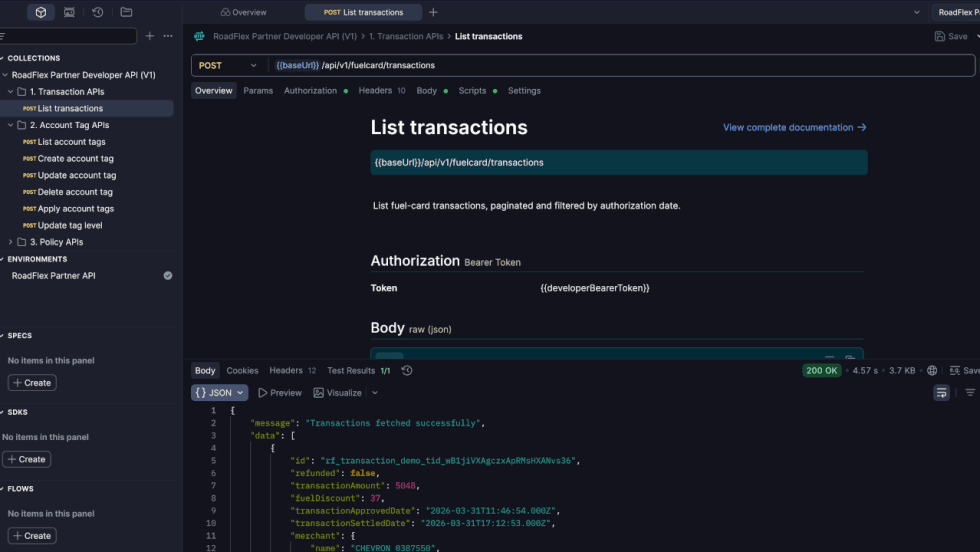
RoadFlex Launches RoadFlex Direct Open API Platform
RoadFlex Direct connects fuel cards, controls, and data to the telematics and fleet management systems fleets already run, from Geotab and Samsara to Fleetio and RTA, with no separate dashboard or double data entry.
Read More →
The Key to Fuel Efficiency Sits in the Cab
Learn how driver behavior, telematics, coaching, and fuel data can help fleets improve fuel efficiency, lower costs, and reduce emissions.
Read More →