




Fleet Safety Video Tip: Wet Weather Driving
With rain forecast this week for many areas, this is a good time for fleet drivers to review safety measures for wet weather driving.
With showers forecast for the coming week in many areas, now is a good time to remind your fleet drivers of what safety measures they should take during wet weather. Here are 10 tips, culled from AAA materials, which you can pass along.
Make sure your vehicle is ready for the rigors of the rainy season, including good tire tread, firm brakes and streak-free wipers.
Consider practicing reduced-traction driving skills in a safe, secluded area. Remember, conditions are most dangerous during the first 10 minutes of a heavy downpour because oil and debris on the pavement first rise up and then wash away.
Keep windshield, windows and headlights clean to maintain optimal visibility.
To reduce the chances of hydroplaning, you need to slow down, avoid hard braking or turning sharply, and drive in the tracks of the vehicle ahead of you when possible.
Allow ample stopping distance between your vehicle and the vehicles ahead. Increase your following distance and also begin slowing down to stop for intersections, turns and other traffic early.
When turning, make an effort to do these things one at a time: brake, then turn, then accelerate.
If you feel your vehicle beginning to skid, don’t panic. Continue to look and steer in the direction in which you want the vehicle to go. Avoid slamming on the brakes – that will upset the vehicle’s balance further and make it more difficult to control.
Don’t use cruise control in rainy conditions – it can increase your chances of losing control of the vehicle. To prevent loss of traction in wet weather, you may need to reduce the car’s speed by lifting off the accelerator.
If you’re driving in a storm and visibility is so limited you can’t see the edges of the road or other vehicles at a safe distance, it’s time to pull off and wait for the rain to ease up. Try to stop at a rest area or exit the freeway and go to a protected area. If the roadside is your only option, pull off the road as far as you can.
If your vehicle gets stuck in the mud or a soft shoulder, apply power slowly and keep the wheels pointed straight ahead so the vehicle can move in a straight line. If the vehicle can’t move forward, try backing out and steering in the vehicle’s tracks. If that doesn’t work, try rocking your way out. Move forward until the vehicle stops, then shift into reverse and move backwards until momentum stops. Repeat this process, moving ahead a little more each time. Use minimum power to keep the wheels from spinning and digging in deeper. But if rocking doesn’t work and the wheels just spin, find a way to create traction. Try mats, gravel, kitty litter, branches, etc. Shovel a space in front of the drive wheels and spread your materials there. Apply power slowly, using second or low gear.
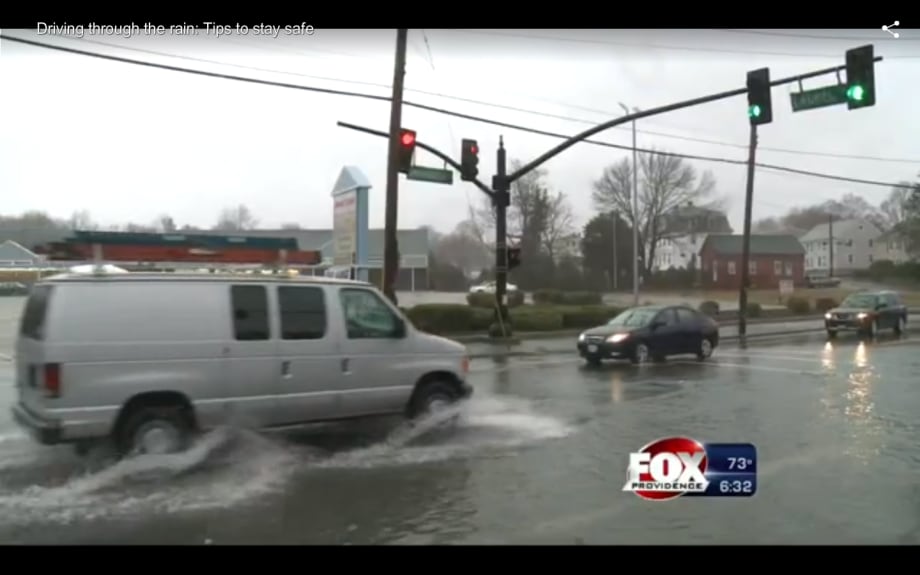
To watch a video offering wet weather driving tips, click on the photo or link above. Fox Providence Eyewitness News speaks with Anthony Ricci, president of Advanced Driving & Security in Rhode Island, for advice.
Originally posted on Automotive Fleet
More Safety & Compliance
Fleetworthy Expands Expedited Inspection to 5 States
Following its industry-first launch in Nevada, Fleetworthy’s automated inspection technology is now live in California, Michigan, Vermont, and Maine.
Read More →
Crossing State Lines in a Light-Duty Work Truck? Check These Rules First
Crossing state lines in a lighter work truck? J.J. Keller's Kathy Close explains when IRP registration, trip permits, and towing rules come into play.
Read More →
GeoFencing Adds to Your Truck Security Arsenal
Geofencing is a familiar fleet tool today, but its early adoption marked a major shift in vehicle tracking, route monitoring, and the debate over employee privacy.
Read More →From Our Partners


Recalls You Need to Know About in October 2026
In October 2026, what recalls might impact your fleet? Work Truck has the answers in this comprehensive overview of recent NHTSA recalls.
Read More →
Construction Fleets Show Telematics Adoption Alone May Not Reduce Driving Risk
SambaSafety found construction fleets monitor roughly 92% of their vehicles but recorded the highest severe speeding rate among industries studied.
Read More →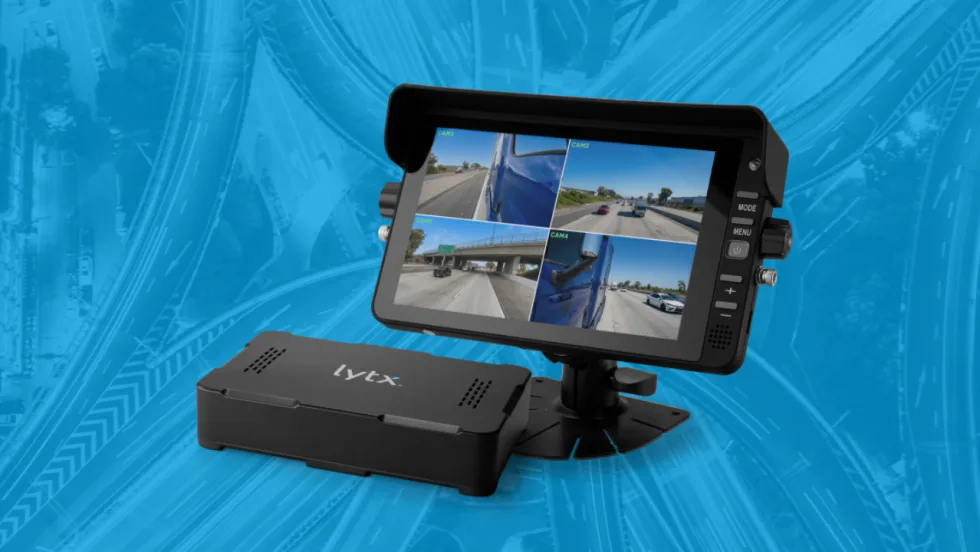
Lytx Launches 360 Hub Kit for Expanded Fleet Camera Visibility
Lytx’s new AI-ready gateway and HD auxiliary camera ecosystem, the Lytx 360 Hub Kit, extends visibility across side, rear, cargo, and blind-zone views to help fleets see more and respond faster.
Read More →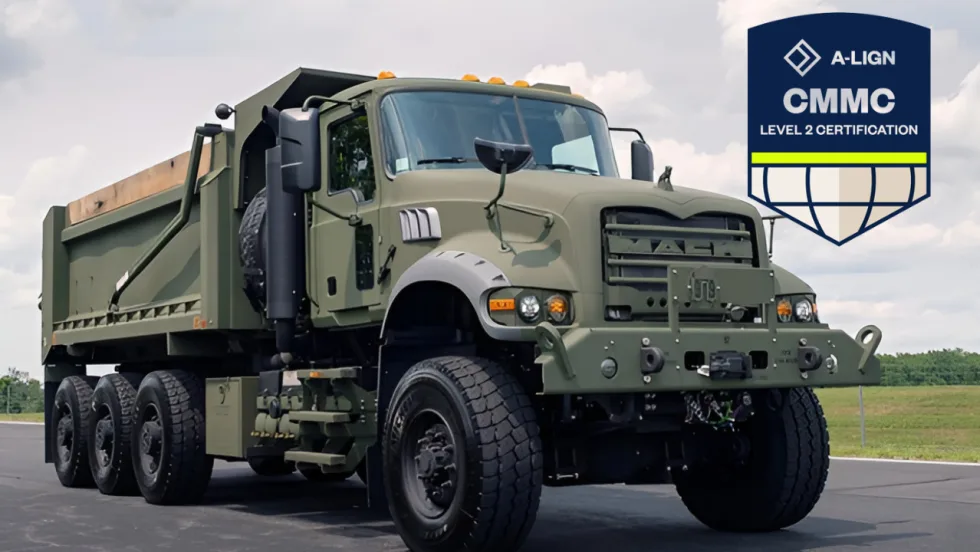
Mack Defense Achieves Cybersecurity Maturity Model Certification Level 2
After an assessment conducted by an authorized Certified Third-Party Assessment Organization (C3PAO), Mack Defense has achieved Cybersecurity Maturity Model Certification (CMMC) Level 2.
Read More →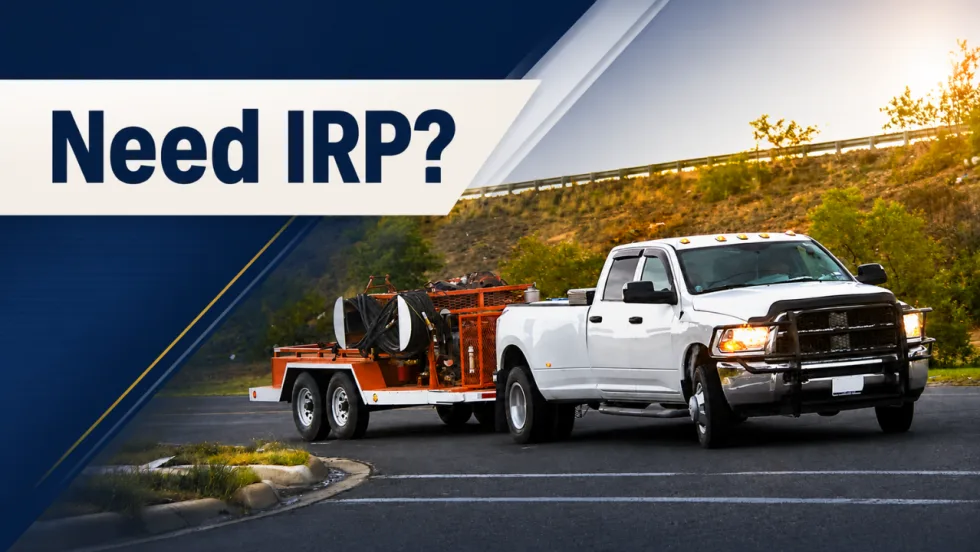
When Work Trucks Under 26,001 Pounds Need IRP Registration
Think trucks under 26,001 pounds are automatically in the clear when it comes to IRP? Not always. Learn where lighter vehicles can still run into trip permit, apportioned registration, and IFTA compliance requirements when crossing state or provincial lines.
Read More →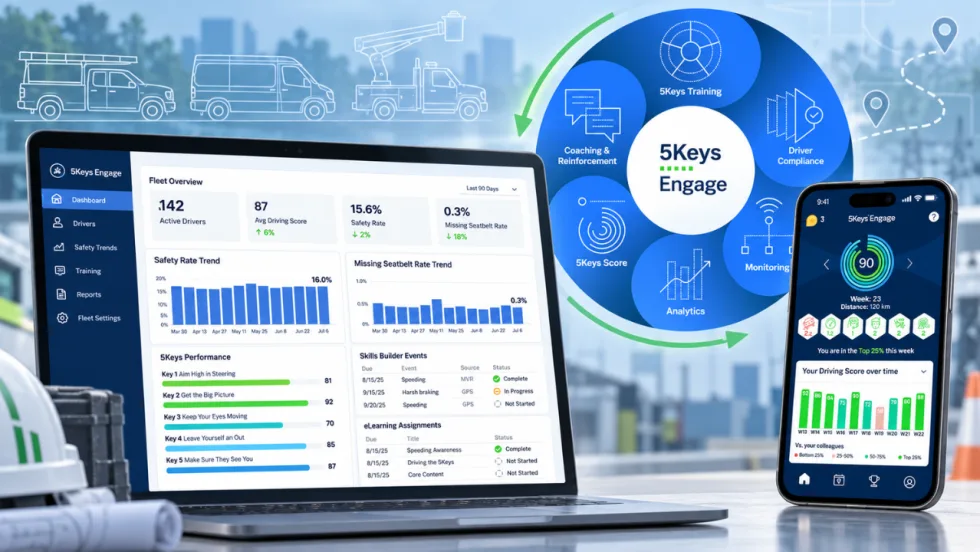
Smith System Wants Work Truck Fleets to Look Beyond the Driver Alert
Smith System’s new Driver Risk Management program is built to help mixed work truck fleets turn telematics alerts and observations into specific behaviors, coaching actions, and measurable follow-up.
Read More →
Volvo Trucks Releases New Safety Recommendations for Traveling with Pets
One of the most important recommendations for professional drivers traveling with pets is to ensure pets are properly restrained while the truck is moving. Other tips are available in the new guide from Volvo Trucks North America and Center for Pet Safety.
Read More →