




Fleet Safety Video Tip: Rural Driving
Rural roads can pose a variety of hazards. Here's some advice, from the Ohio Department of Public Safety, you can pass along to fleet drivers.
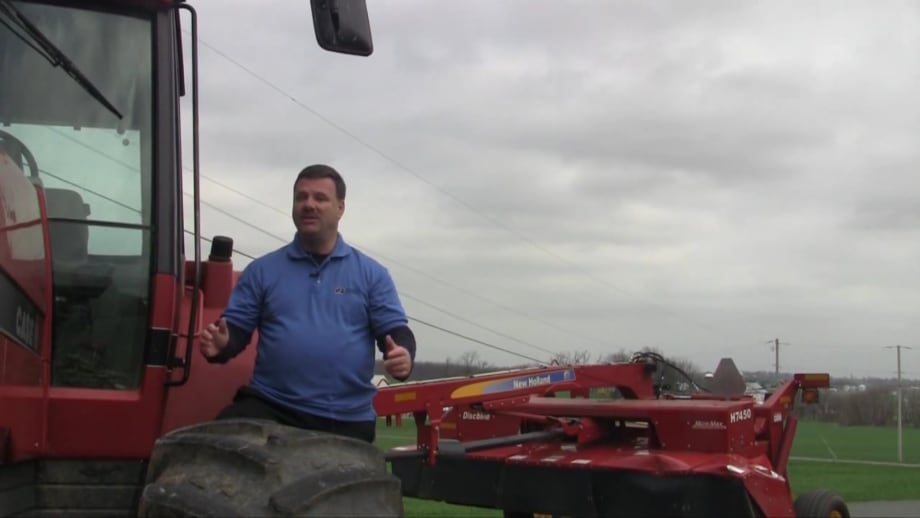
For many urban dwellers, the promise of a drive through a bucolic farming region – far away from urban congestion – seems inviting, even relaxing. But that doesn’t mean fleet drivers should let down their guard while traveling through rural areas.
Rural roads can pose a variety of dangers. Animals darting across the road, slow-moving farm vehicles just over the crest of a hill, low spots covered in rainwater – these are just a few examples.
A study released last year by the National Highway Traffic Safety Administration examined fatal crashes that occurred in 2012. Although 19 percent of the U.S. population lived in rural areas, rural fatalities represented 54 percent of all traffic fatalities in 2012. The study also found that the fatality rate per 100 million vehicle miles traveled was 2.4 times higher in rural areas than in urban areas (1.86 and 0.77, respectively).
Thirty-one percent (5,660) of the rural road fatalities were related to speeding. Alcohol-impaired driving and lower seat belt use were also major factors contributing to the higher rate of fatal crashes on rural roads.
According to the Ohio Department of Public Safety, these are some of the hazards that drivers should keep in mind:
Rural roads aren’t always designed for fast and efficient travel. You may encounter unpaved roads, gravel surfaces or roads without regular maintenance.
Expect blind spots, steep hills and sharp curves.
A narrow road width doesn’t allow for safe passing.
Rural roads often lack signage and night lighting.
Rural roads often lack shoulders or guardrails, even with the presence of deep ditches.
Common obstacles include slow-moving vehicles (see video), livestock and wild animals, fallen trees and landslide debris.
Railroad crossings might lack gates or lights to warn of an oncoming train, so always stop and look both ways carefully before proceeding.
Tall crops and weeds may limit sight distance.
Trees, mailboxes and utility poles may be very close to the road.
The conditions above may require driving below the posted speed limit and using extra caution, the Ohio Department of Public Safety advises. Remember, in the event of a crash, it may take longer for emergency services to arrive. Here are some additional tips and warnings you can pass along to fleet drivers:
Always wear your seatbelt.
Pay attention to, and be aware of, changing road conditions.
Gravel roads have less traction, so applying the brakes hard or turning sharply may cause your vehicle to skid.
Slow down and be patient behind slow-moving vehicles. Only pass them when it’s legal and safe.
To view a video about the hazards posed by slow-moving farm vehicles, click on the photo or link below the headline. The Pennsylvania Farm Bureau produced the video.
Originally posted on Automotive Fleet
More Safety & Compliance
Fleetworthy Expands Expedited Inspection to 5 States
Following its industry-first launch in Nevada, Fleetworthy’s automated inspection technology is now live in California, Michigan, Vermont, and Maine.
Read More →
Crossing State Lines in a Light-Duty Work Truck? Check These Rules First
Crossing state lines in a lighter work truck? J.J. Keller's Kathy Close explains when IRP registration, trip permits, and towing rules come into play.
Read More →
GeoFencing Adds to Your Truck Security Arsenal
Geofencing is a familiar fleet tool today, but its early adoption marked a major shift in vehicle tracking, route monitoring, and the debate over employee privacy.
Read More →From Our Partners

Recalls You Need to Know About in October 2026
In October 2026, what recalls might impact your fleet? Work Truck has the answers in this comprehensive overview of recent NHTSA recalls.
Read More →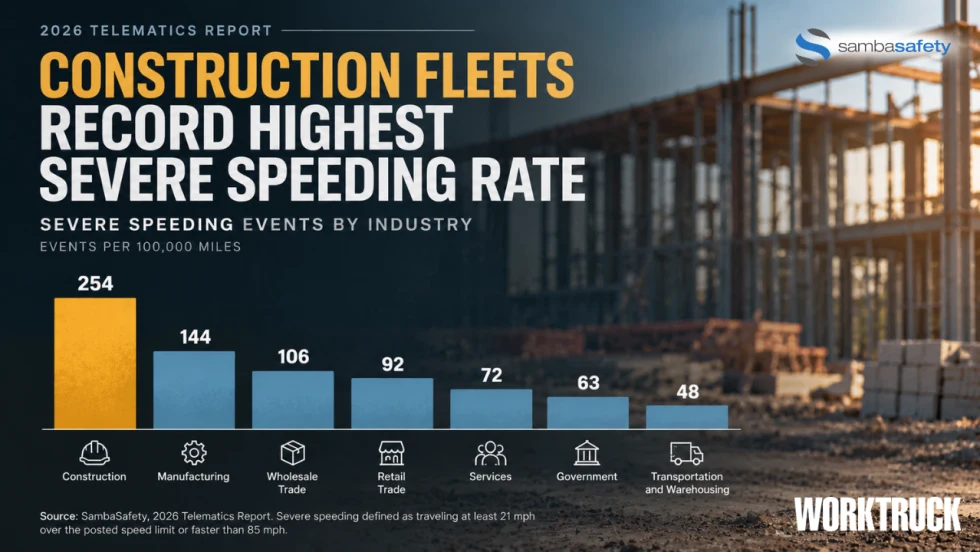
Construction Fleets Show Telematics Adoption Alone May Not Reduce Driving Risk
SambaSafety found construction fleets monitor roughly 92% of their vehicles but recorded the highest severe speeding rate among industries studied.
Read More →
Lytx Launches 360 Hub Kit for Expanded Fleet Camera Visibility
Lytx’s new AI-ready gateway and HD auxiliary camera ecosystem, the Lytx 360 Hub Kit, extends visibility across side, rear, cargo, and blind-zone views to help fleets see more and respond faster.
Read More →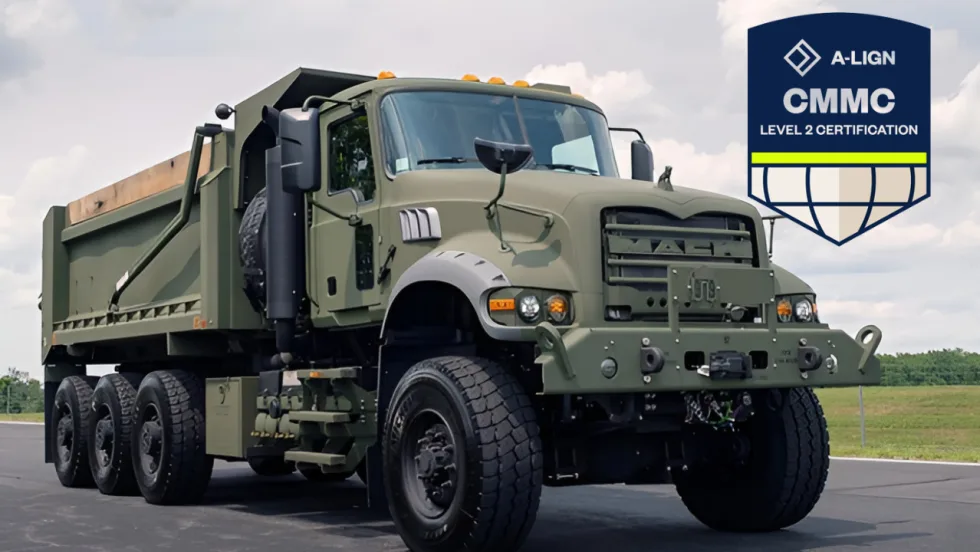
Mack Defense Achieves Cybersecurity Maturity Model Certification Level 2
After an assessment conducted by an authorized Certified Third-Party Assessment Organization (C3PAO), Mack Defense has achieved Cybersecurity Maturity Model Certification (CMMC) Level 2.
Read More →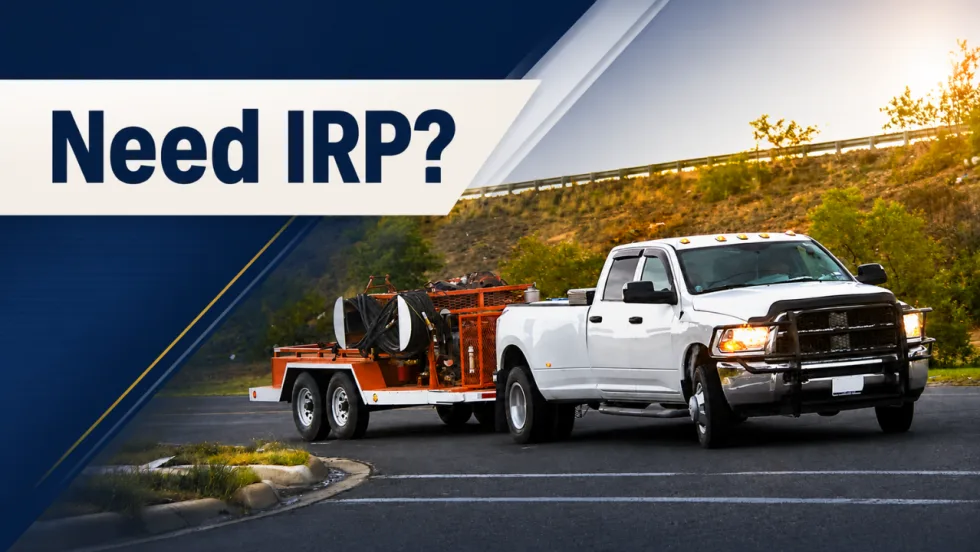
When Work Trucks Under 26,001 Pounds Need IRP Registration
Think trucks under 26,001 pounds are automatically in the clear when it comes to IRP? Not always. Learn where lighter vehicles can still run into trip permit, apportioned registration, and IFTA compliance requirements when crossing state or provincial lines.
Read More →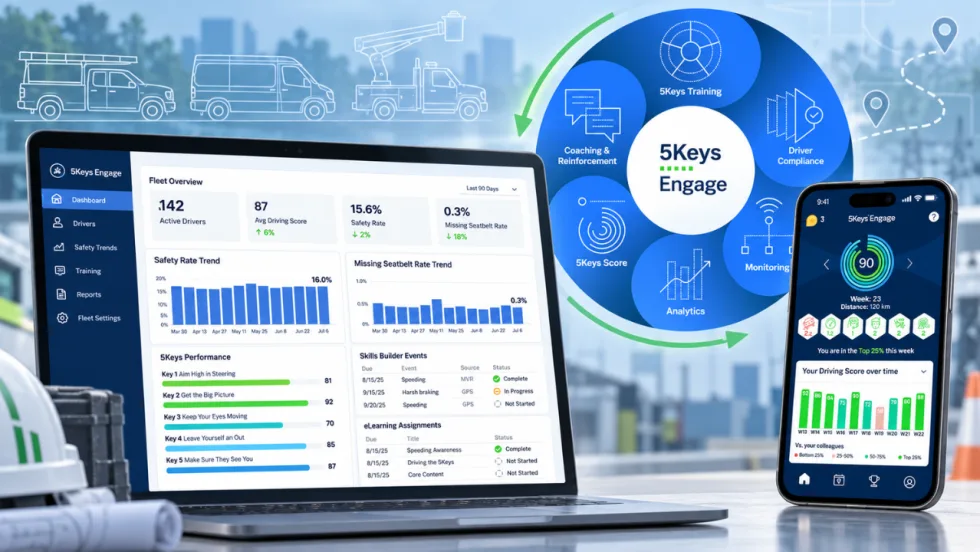
Smith System Wants Work Truck Fleets to Look Beyond the Driver Alert
Smith System’s new Driver Risk Management program is built to help mixed work truck fleets turn telematics alerts and observations into specific behaviors, coaching actions, and measurable follow-up.
Read More →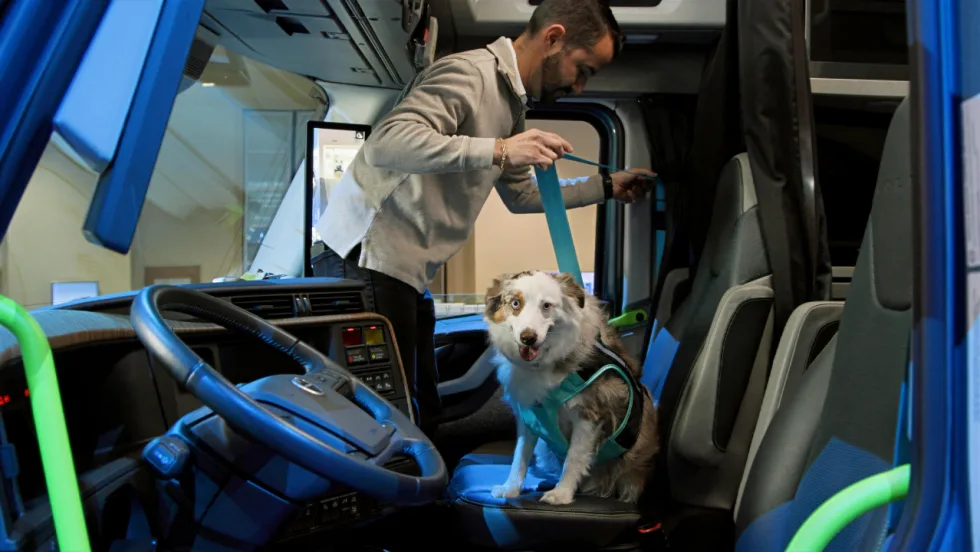
Volvo Trucks Releases New Safety Recommendations for Traveling with Pets
One of the most important recommendations for professional drivers traveling with pets is to ensure pets are properly restrained while the truck is moving. Other tips are available in the new guide from Volvo Trucks North America and Center for Pet Safety.
Read More →