




Fleet Safety Video Tip: Reverse Angle Parking
A growing number of cities, particularly bicycle-friendly cities, have added reverse angle parking spaces in recent years. Here's some advice you can pass along to fleet drivers so they won't be caught off-guard when encountering them.
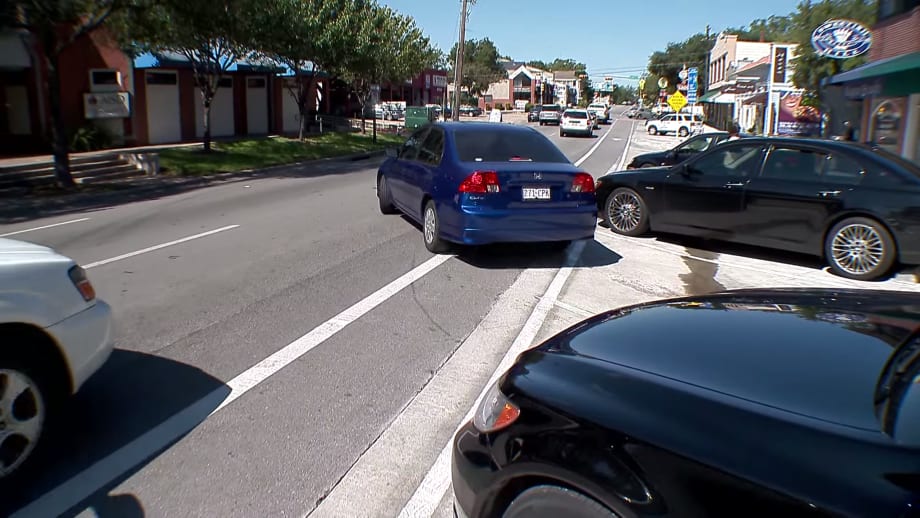
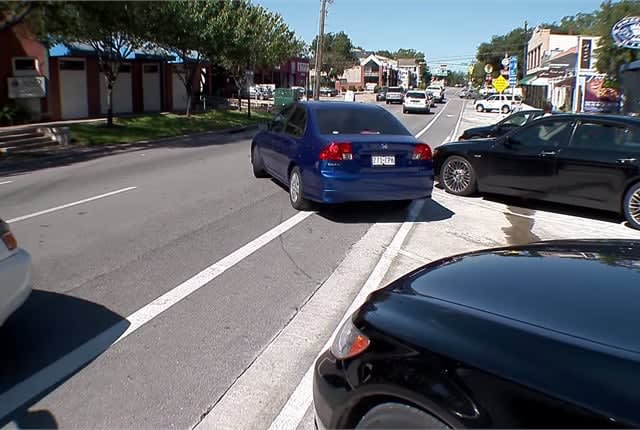
In recent years, a number of major cities, including Charlotte and Austin, have added reverse angle parking spaces on busy streets. Drivers unfamiliar with this type of parking space might find it initially confusing. But its advantages can quickly become evident after a few tries.
Reverse angle parking, also known as “back-in angle parking,” is just like diagonal parking except you enter the space by backing into it instead of pulling forward.
Engineering studies indicate that reverse angle parking can be safer than parallel parking and conventional diagonal parking, particularly in bicycle-friendly cities. The driver and passengers get out of the vehicle next to other parked cars or open spaces, away from passing traffic.
Here are three simple steps you can pass along to fleet drivers, so they won’t be caught off-guard if they ever need to park in such a space:
Signal right to park.
Pull forward and stop.
Reverse and back into the space. (Side mirrors and backup cameras can help you view the parking space lines.)
According to the City of Charlotte Transportation Department, these are some of the benefits that reverse angle parking offers:
Improved Driver Visibility
When leaving a parking space, drivers are facing forward. This allows a better view of traffic and cyclists.
Drivers don’t have to back out into traffic blindly when leaving. This makes departures safer, quicker and easier.
Easier Loading and Unloading
When vehicle doors are open, they block pedestrian access to the travel lane and guide them back to the sidewalk.
The vehicle’s trunk is accessed from the sidewalk, making it safer and more convenient to load and unload items.
Accessible Parking and Curb Ramps
Accessible parking spaces are provided with direct access to the sidewalk.
Wheelchair users can load and unload from the vehicle’s side or rear, away from the traffic lane.
To watch a video about Austin’s use of reverse angle parking, click on the photo or link above.
Originally posted on Automotive Fleet
More Safety & Compliance
Mack Defense Achieves Cybersecurity Maturity Model Certification Level 2
After an assessment conducted by an authorized Certified Third-Party Assessment Organization (C3PAO), Mack Defense has achieved Cybersecurity Maturity Model Certification (CMMC) Level 2.
Read More →
When Work Trucks Under 26,001 Pounds Need IRP Registration
Think trucks under 26,001 pounds are automatically in the clear when it comes to IRP? Not always. Learn where lighter vehicles can still run into trip permit, apportioned registration, and IFTA compliance requirements when crossing state or provincial lines.
Read More →
Smith System Wants Work Truck Fleets to Look Beyond the Driver Alert
Smith System’s new Driver Risk Management program is built to help mixed work truck fleets turn telematics alerts and observations into specific behaviors, coaching actions, and measurable follow-up.
Read More →From Our Partners




Volvo Trucks Releases New Safety Recommendations for Traveling with Pets
One of the most important recommendations for professional drivers traveling with pets is to ensure pets are properly restrained while the truck is moving. Other tips are available in the new guide from Volvo Trucks North America and Center for Pet Safety.
Read More →
Are Work Truck Drivers Warming Up to Dash Cams and GPS Tracking?
A new survey finds field-service drivers may be more comfortable with dash cams and GPS tracking than fleet managers think, especially when the technology helps protect them after a crash.
Read More →
Recalls You Need to Know About in August 2026
If you have Altec, Chrysler, Ford, Heil, General Motors, International, Mack Trucks, Paccar, Rivian, Royal Truck, Toyota, US Truck Body, or Volvo Trucks vehicles in your fleet, you should check these important recalls issued by the National Highway Safety Administration.
Read More →
API Issues Refueling Safety Guidelines
The American Petroleum Institute offers a list of safe vehicle refueling guidelines, including ways to avoid potential problems with static electricity discharges in fall, winter, and early spring.
Read More →
Winter Fleet Prep: Expert Tips to Keep Vehicles Running Smoothly
Cold weather can expose weak batteries, tires, fuel systems, and maintenance gaps fast. Use this winter fleet checklist to prepare trucks and drivers before temperatures drop.
Read More →
When a Work Truck Breaks Down, the Job Can Stop, Too
A work truck breakdown can stop more than the vehicle. Discover how payloads, jobsites, and specialty equipment change the roadside response.
Read More →
What Stronger Long-Term Fleet Service Partnerships Actually Require
Fleet service partnerships rarely fall apart all at once. Learn the three warning signs that trust is eroding and what fleets and providers can do before downtime, frustration, and lost revenue follow.
Read More →