




Fleet Safety Video Tip: Recognizing HOV Lane Hazards
High-occupancy lanes can improve commuter times and encourage car pooling. But they also can pose some unique safety issues.
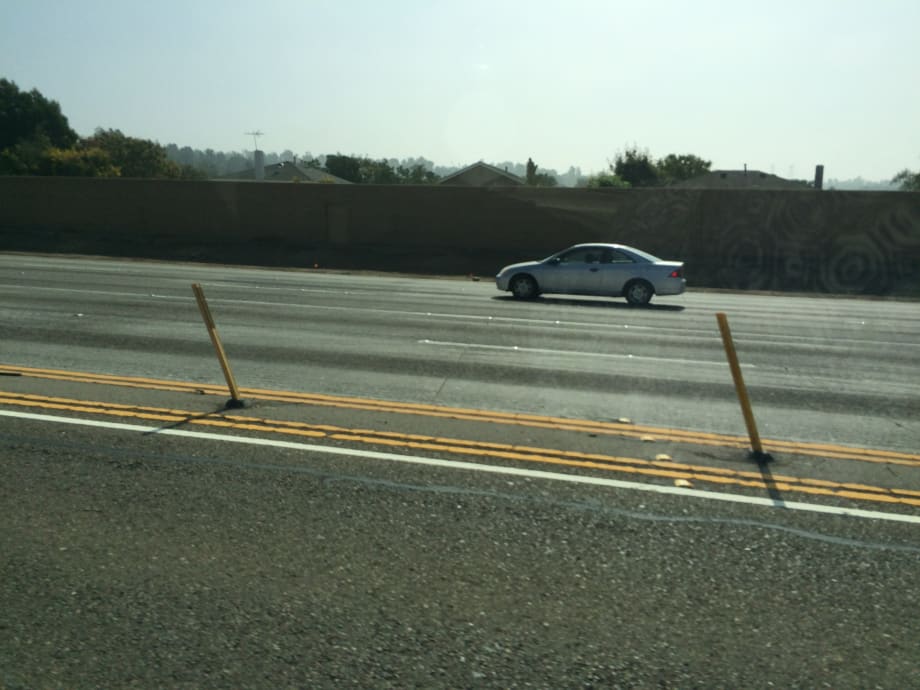
Some freeways have added physical barriers, such as poles, to discourage illegal lane changes into HOV/HOT lanes.
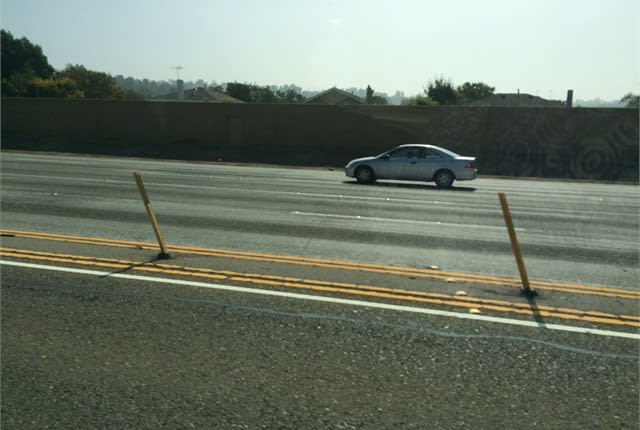
Some freeways have added physical barriers, such as poles, to discourage illegal lane changes into HOV/HOT lanes.
Some freeways have added physical barriers, such as poles, to discourage illegal lane changes into HOV/HOT lanes.
High-occupancy vehicle (HOV) and high-occupancy toll (HOT) lanes provide some attractive benefits, such as encouraging car pooling and easing traffic congestion for qualifying users. Because some low-emission/energy-efficient vehicles are exempt from single-occupancy restrictions – and in some cases tolls – these lanes also help spur sales and use of such vehicles. But HOV/HOT lanes can also pose a unique set of safety issues that fleet drivers need to understand so they can take necessary precautions.
Research indicates that after buffer-separated HOV/HOT lanes are installed, injury crash rates rise. Factors contributing to this increase are the speed differential between the HOV/HOT lanes and general-purpose lanes, vehicles illegally crossing the buffer (double solid white or yellow lines), ingress/egress difficulty, and the reduced inside shoulder width.
Back in 2005, a study from the Texas Transportation Institute at Texas A&M University examined these safety issues. To view an NBC News report on the study and the safety concerns it raised, click on the photo or link above.
Based on past studies and advice from law enforcement, here are some tips you might pass along to fleet drivers:
If your vehicle qualifies for travel in HOV/HOT lanes, always enter and exit at the designated areas, where the lines are broken. Never cross double white or yellow lines. Never use an HOV/HOT lane as a passing lane to weave in and out of traffic. It’s both dangerous and illegal.
Keep in mind how near your freeway exit is so you have plenty of time to merge over to the general-purpose lanes safely and legally.
Look ahead but also scan vehicles traveling in an adjacent general-purpose lane, even in areas with double white or yellow lines. HOV/HOT restrictions, like distracted driving laws, are ignored more frequently than most traffic laws.
At points where vehicles can exit the HOV/HOT lanes to merge into general-purpose lanes, be prepared to slow down – particularly if the general-purpose lanes are gridlocked. A car ahead of you might decelerate suddenly, looking for a gap to merge.
Whether you’re traveling in an adjacent general-purpose lane or an HOV/HOT lane, keep the speed differential in mind. It can lead to sudden lane changes, sudden braking or sudden acceleration as drivers attempt to adapt to the different pace of traffic after changing lanes.
If you have additional tips, please leave a comment.
Originally posted on Automotive Fleet
More Safety & Compliance

Streamlight’s High-Output Scene Light Recognized with Occupational Safety Award
Streamlight’s Portable Scene Light III (PSL III) won the 2026 Occupational Health & Safety (OH&S) New Product of the Year Award in the Lighting category.
Read More →
Fleetworthy Expands Expedited Inspection to 5 States
Following its industry-first launch in Nevada, Fleetworthy’s automated inspection technology is now live in California, Michigan, Vermont, and Maine.
Read More →
Crossing State Lines in a Light-Duty Work Truck? Check These Rules First
Crossing state lines in a lighter work truck? J.J. Keller's Kathy Close explains when IRP registration, trip permits, and towing rules come into play.
Read More →From Our Partners

GeoFencing Adds to Your Truck Security Arsenal
Geofencing is a familiar fleet tool today, but its early adoption marked a major shift in vehicle tracking, route monitoring, and the debate over employee privacy.
Read More →
Recalls You Need to Know About in October 2026
In October 2026, what recalls might impact your fleet? Work Truck has the answers in this comprehensive overview of recent NHTSA recalls.
Read More →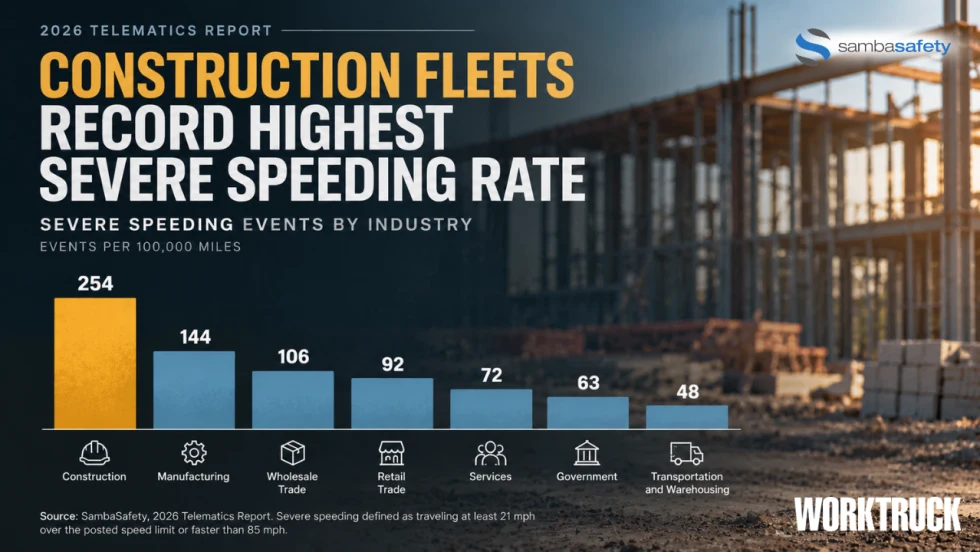
Construction Fleets Show Telematics Adoption Alone May Not Reduce Driving Risk
SambaSafety found construction fleets monitor roughly 92% of their vehicles but recorded the highest severe speeding rate among industries studied.
Read More →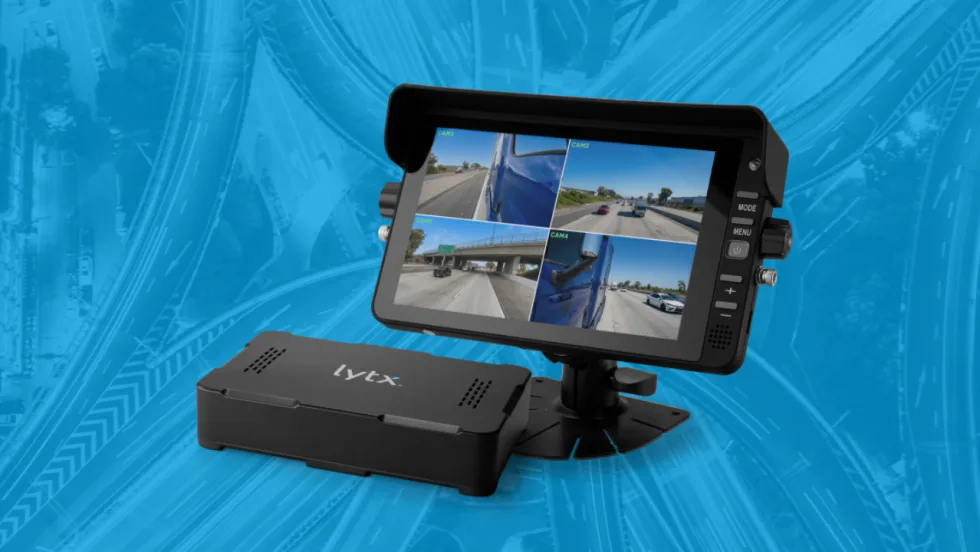
Lytx Launches 360 Hub Kit for Expanded Fleet Camera Visibility
Lytx’s new AI-ready gateway and HD auxiliary camera ecosystem, the Lytx 360 Hub Kit, extends visibility across side, rear, cargo, and blind-zone views to help fleets see more and respond faster.
Read More →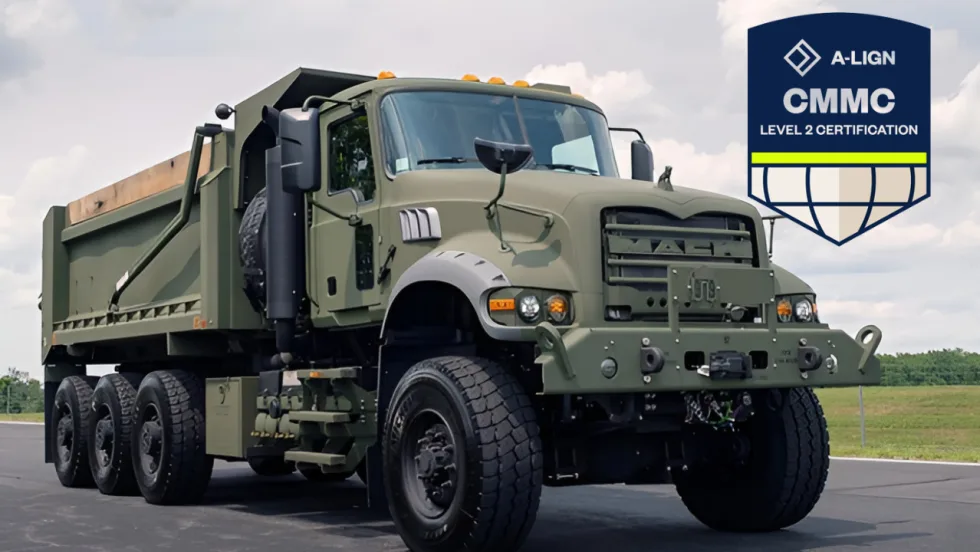
Mack Defense Achieves Cybersecurity Maturity Model Certification Level 2
After an assessment conducted by an authorized Certified Third-Party Assessment Organization (C3PAO), Mack Defense has achieved Cybersecurity Maturity Model Certification (CMMC) Level 2.
Read More →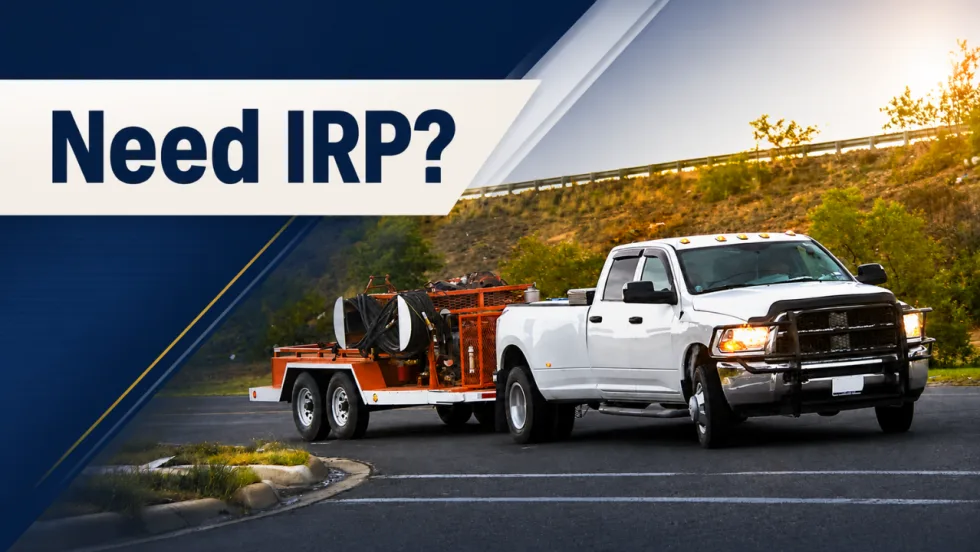
When Work Trucks Under 26,001 Pounds Need IRP Registration
Think trucks under 26,001 pounds are automatically in the clear when it comes to IRP? Not always. Learn where lighter vehicles can still run into trip permit, apportioned registration, and IFTA compliance requirements when crossing state or provincial lines.
Read More →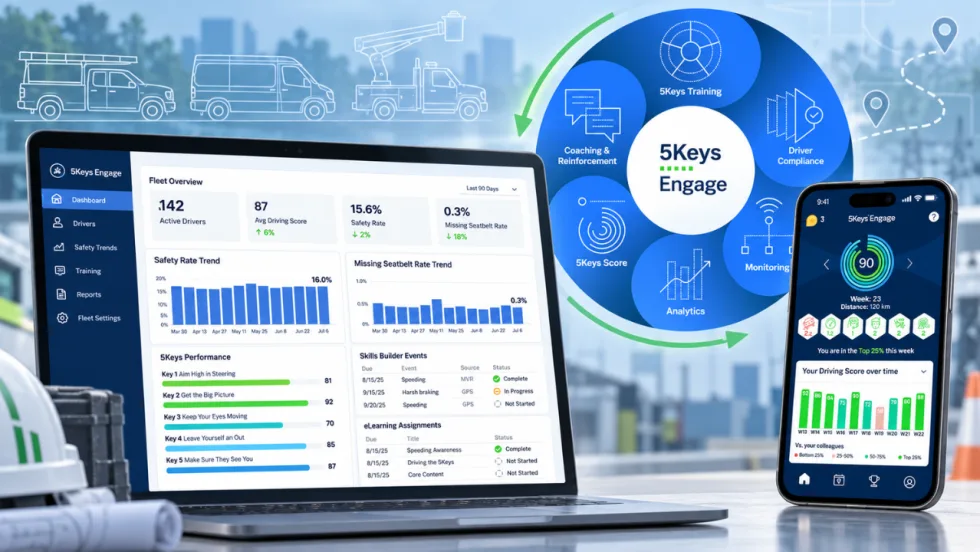
Smith System Wants Work Truck Fleets to Look Beyond the Driver Alert
Smith System’s new Driver Risk Management program is built to help mixed work truck fleets turn telematics alerts and observations into specific behaviors, coaching actions, and measurable follow-up.
Read More →