




Fleet Safety Video Tip: Fighting Drowsy Driving
Drowsy driving is the second leading cause of fatal crashes, behind drunken driving. But the scope and nature of this safety risk is often misunderstood.
Unfortunately, fleet drivers with the best intentions can sometimes place themselves at a higher risk for a drowsy-driving crash: The utility worker who pulls a double-shift after a storm leads to a massive power blackout. The vice president who willingly doubles his commute time to place his kids in a better-performing school district. The homicide detective who works 32 straight hours, intent on following leads before they grow cold. The account manager who squeezes in as many sales calls as possible during a multi-city road trip, even though that means lots of late-night driving.
But all of these drivers can dramatically decrease their chances of falling asleep behind the wheel by recognizing – and heeding – early signs of fatigue and knowing when to pull the car over and "shut it down." And like all other drivers, they need to make getting adequate sleep an ongoing personal priority. That means taking steps to prevent the accumulation of sleep debt whenever possible.
In the U.S. from 1999 to 2013, an estimated 13 percent of crashes that resulted in injuries requiring hospitalization – and 21 percent of fatal crashes – involved a drowsy driver, according to a AAA Foundation study released in November 2014.
Experts agree, however, that driver fatigue’s overall impact on road safety is routinely underestimated because sleepiness isn’t easily measured. Alcohol impairment can be roughly quantified by blood alcohol concentration (BAC); there is no equivalent for sleepiness. Also, fatigue exacerbates other forms of impairment and compromises reaction time and decision-making. Fatigue can be a major factor contributing to a crash without being the sole factor.
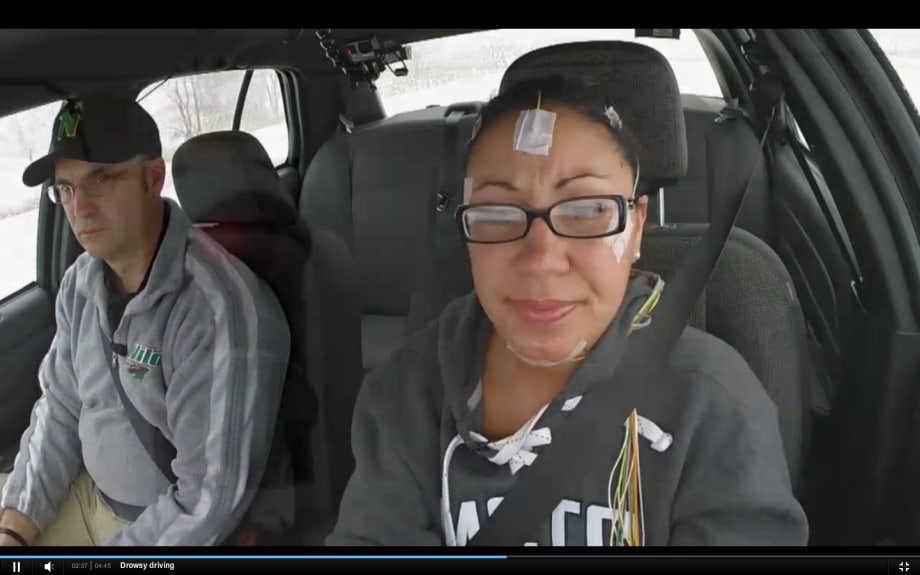
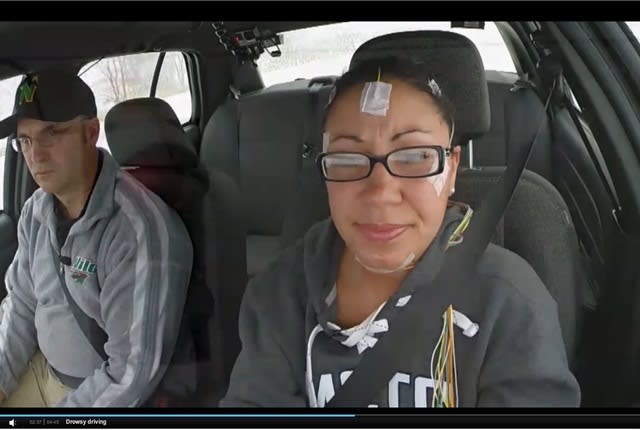
Many sleep-deprived drivers have experienced the sensation of nodding off or “microsleep” – the eyelids might close and head drop down for a few seconds. The brain is trying to transition from wakefulness to sleep. Drivers often respond to this by taking such measures as turning up the radio volume or rolling down the windows and vowing to push through the fatigue. What they may not realize is that they’ve likely experienced earlier microsleeps of which they weren’t consciously aware. At this point, they’re no longer fit to assess their own ability to drive safely. It’s time to pull off the road for a little shut-eye.
To view a video about drowsy driving and the impact of microsleep, click on the photo or link below the headline.
Here is some advice, provided by the National Sleep Foundation and other groups, on how to improve your sleep. You may want to pass these tips along to fleet drivers.
Avoid stimulants such as caffeine, nicotine and alcohol too close to bedtime. Though alcohol can initially speed the onset of sleep, it later disrupts sleep in the second half as the body begins to metabolize the alcohol. Also, remember that chocolate has caffeine.
Exercise in the morning or late afternoon. Later, a relaxing exercise, such as yoga, can help initiate a restful night’s sleep.
Avoid meals too close to bedtime. If you’re struggling with insomnia, avoid spicy foods altogether.
During the day, get adequate exposure to natural light. Light exposure helps you maintain a healthy sleep-awake cycle.
Establish a relaxing routine to help you wind down before bedtime. Read a book, listen to soft music or take a warm bath, for example.
Try to avoid emotionally upsetting conversations just before bedtime. Don’t dwell on your problems as you’re trying to fall asleep.If you’re having sleep problems, keep the TV, computer and mobile phone out of the bedroom.
Make sure your sleep environment is as comfortable and relaxing as possible – the right temperature, level of light and number of blankets.When possible, try to go to bed each night at the same time and arise the next day at the same time.
According to the National Sleep Foundation, the following warning signs indicate that it’s time for a driver to stop and find a safe place to pull over and address his or her condition:
Difficulty focusing, frequent blinking or heavy eyelids
Trouble keeping your head up
Drifting from your lane, swerving, tailgating or hitting rumble strips
Inability to clearly remember the last few miles driven
Missing exits or traffic signs
Yawning repeatedly
Feeling restless, irritable or aggressive.
Originally posted on Automotive Fleet
More Safety & Compliance
Fleetworthy Expands Expedited Inspection to 5 States
Following its industry-first launch in Nevada, Fleetworthy’s automated inspection technology is now live in California, Michigan, Vermont, and Maine.
Read More →
Crossing State Lines in a Light-Duty Work Truck? Check These Rules First
Crossing state lines in a lighter work truck? J.J. Keller's Kathy Close explains when IRP registration, trip permits, and towing rules come into play.
Read More →
GeoFencing Adds to Your Truck Security Arsenal
Geofencing is a familiar fleet tool today, but its early adoption marked a major shift in vehicle tracking, route monitoring, and the debate over employee privacy.
Read More →From Our Partners




Recalls You Need to Know About in October 2026
In October 2026, what recalls might impact your fleet? Work Truck has the answers in this comprehensive overview of recent NHTSA recalls.
Read More →
Construction Fleets Show Telematics Adoption Alone May Not Reduce Driving Risk
SambaSafety found construction fleets monitor roughly 92% of their vehicles but recorded the highest severe speeding rate among industries studied.
Read More →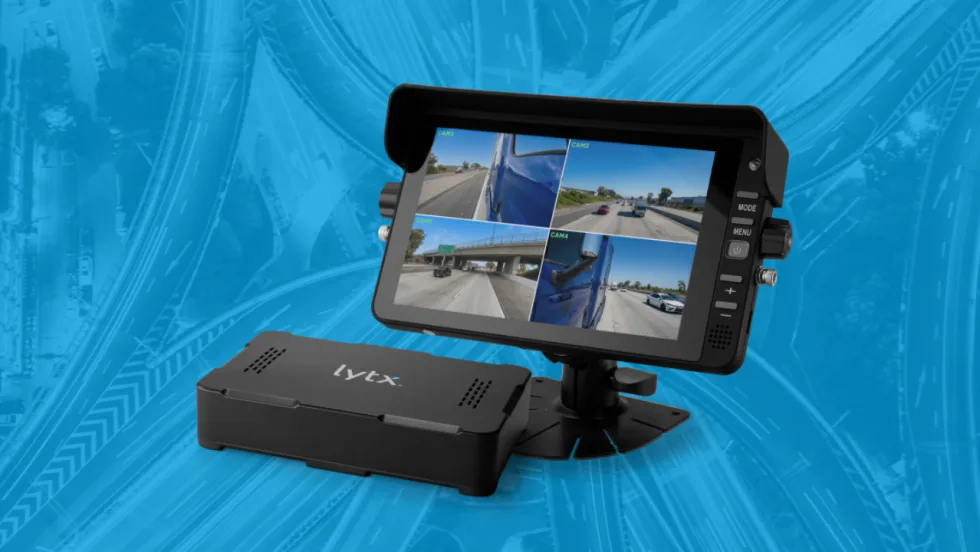
Lytx Launches 360 Hub Kit for Expanded Fleet Camera Visibility
Lytx’s new AI-ready gateway and HD auxiliary camera ecosystem, the Lytx 360 Hub Kit, extends visibility across side, rear, cargo, and blind-zone views to help fleets see more and respond faster.
Read More →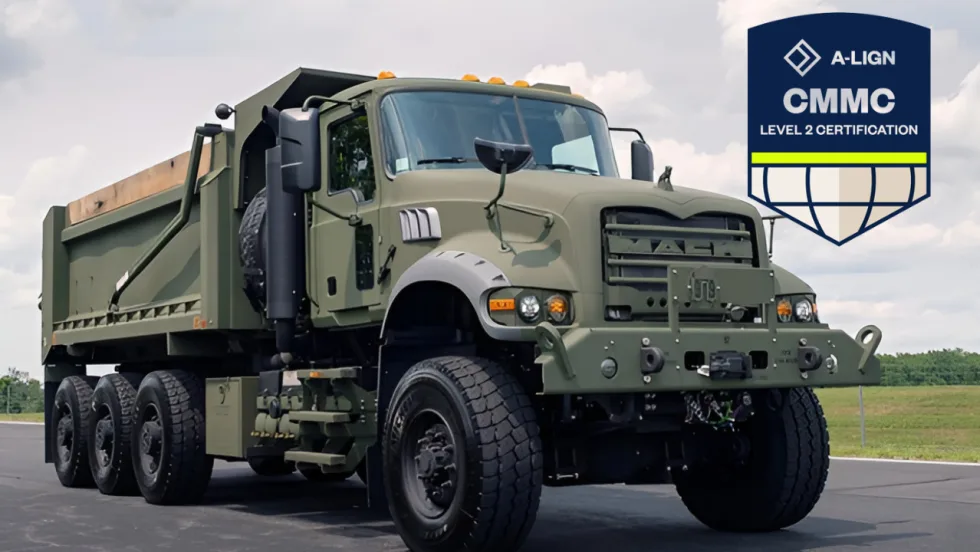
Mack Defense Achieves Cybersecurity Maturity Model Certification Level 2
After an assessment conducted by an authorized Certified Third-Party Assessment Organization (C3PAO), Mack Defense has achieved Cybersecurity Maturity Model Certification (CMMC) Level 2.
Read More →
When Work Trucks Under 26,001 Pounds Need IRP Registration
Think trucks under 26,001 pounds are automatically in the clear when it comes to IRP? Not always. Learn where lighter vehicles can still run into trip permit, apportioned registration, and IFTA compliance requirements when crossing state or provincial lines.
Read More →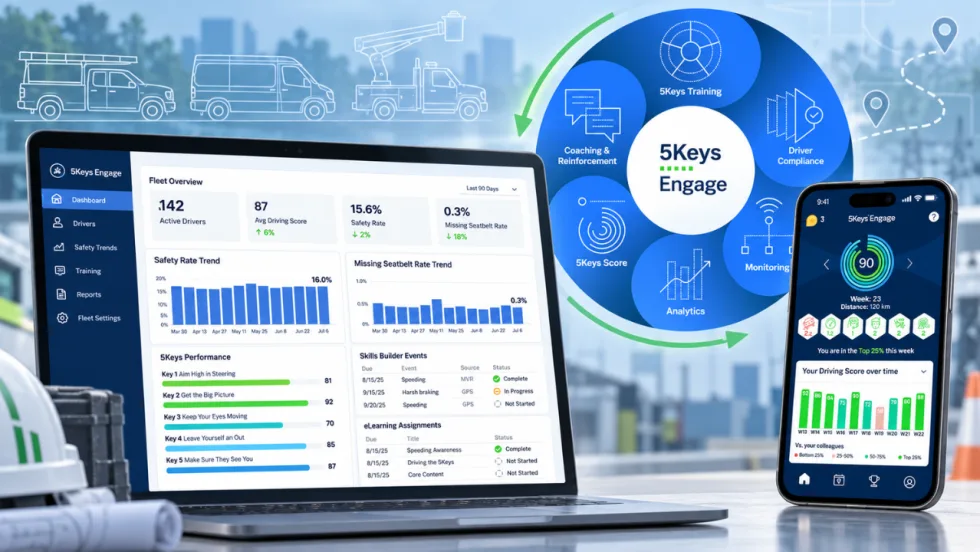
Smith System Wants Work Truck Fleets to Look Beyond the Driver Alert
Smith System’s new Driver Risk Management program is built to help mixed work truck fleets turn telematics alerts and observations into specific behaviors, coaching actions, and measurable follow-up.
Read More →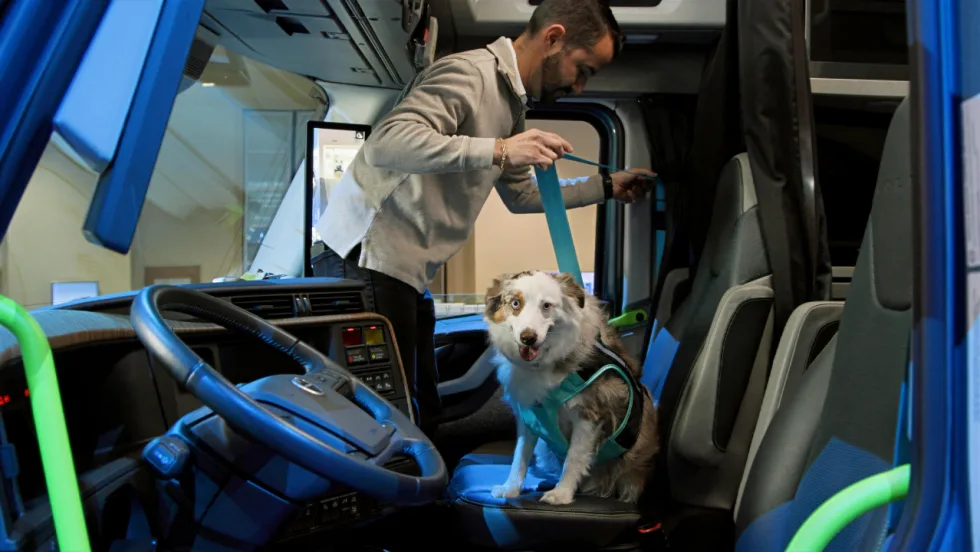
Volvo Trucks Releases New Safety Recommendations for Traveling with Pets
One of the most important recommendations for professional drivers traveling with pets is to ensure pets are properly restrained while the truck is moving. Other tips are available in the new guide from Volvo Trucks North America and Center for Pet Safety.
Read More →