




Fleet Safety Video Tip: Dealing With Downed Power Lines
Downed power lines pose unique road hazards. Here are safety tips from PG&E and Southern California Edison.

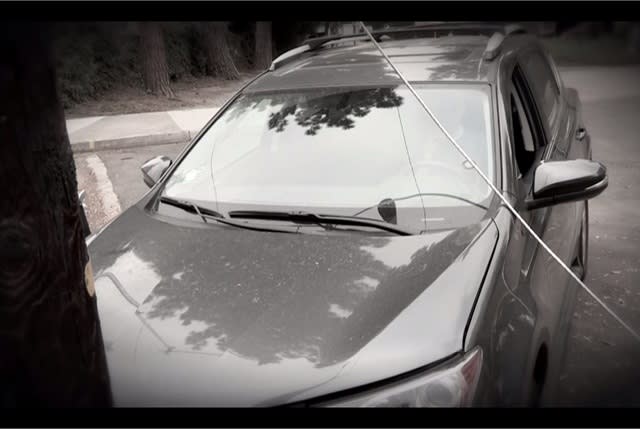
Downed power lines pose unique road hazards, regardless of whether they’ve fallen because of a weather event or a vehicle collision.
This month, rain storms in California have resulted in some major road closures tied to downed power lines. In the Pacific Palisades area of Los Angeles, for example, traffic was backed up for more than six hours Dec. 2 while crews dealt with energized power lines dangling dangerously close to traffic lanes.
Fallen power lines also made headlines in Texas this month. In Houston on Dec. 15, the driver of a big rig took out some power lines and telephone poles near the city’s Museum District, triggering power outages and road closures. Fortunately, the truck driver knew to stay inside the vehicle until help arrived.
What many motorists don’t understand is how life-threatening energized power lines can be when they come down.
This past July, a Los Angeles County judge sentenced a 21-year-old man from Glendale, Calif., to three years of probation and 70 days of community service because his actions behind the wheel led to the electrocution deaths of two women.
Back in August 2012, Arman Samsonian, then 19, was speeding in his SUV when he lost control of the vehicle and hit a light pole and fire hydrant. The water gushing out of the hydrant became energized after coming into contact with exposed electrical wires.
Several people rushed to Samsonian’s aid after the violent crash. Two women – Irma Zamora and Stacey Schreiber – died instantly when they stepped into the pool of water to offer help. Six other people suffered shocks but survived.
Here are some safety tips from Pacific Gas & Electric Co. (PG&E) you can pass along to fleet drivers as a friendly reminder:
Never, ever touch a downed power line or go near one. Power lines are not insulated like power cords. Always assume the power line is live.
Don't touch a fallen power line or anything touching the wire.
Don’t touch anything or anyone in contact with a fallen power line or other equipment.
Keep children and pets away from fallen electric wires.
Don’t drive over a fallen power line.
Call 911 immediately to report a fallen power line.
If your vehicle comes in contact with a downed power line:
Stay inside. The safest place is in your vehicle. The ground around the vehicle may be energized.
Honk the horn, roll down your window and yell for help.
Warn others to stay away. Anyone who touches the equipment or ground around the vehicle may be injured.
Use your mobile phone to call 911 and wait until emergency and utility workers tell you it’s safe to exit your vehicle.
If there’s a fire and you have to exit a vehicle that has come in contact with downed power lines:
Remove loose items of clothing.
Keep your hands at your sides and jump clear of the vehicle, so you aren’t touching it when your feet hit the ground.
Keep both feet close together and shuffle away from the vehicle without picking up your feet.
To watch an instructional video on the subject from Southern California Edison, click on the photo or link under the headline.
Originally posted on Automotive Fleet
More Safety & Compliance
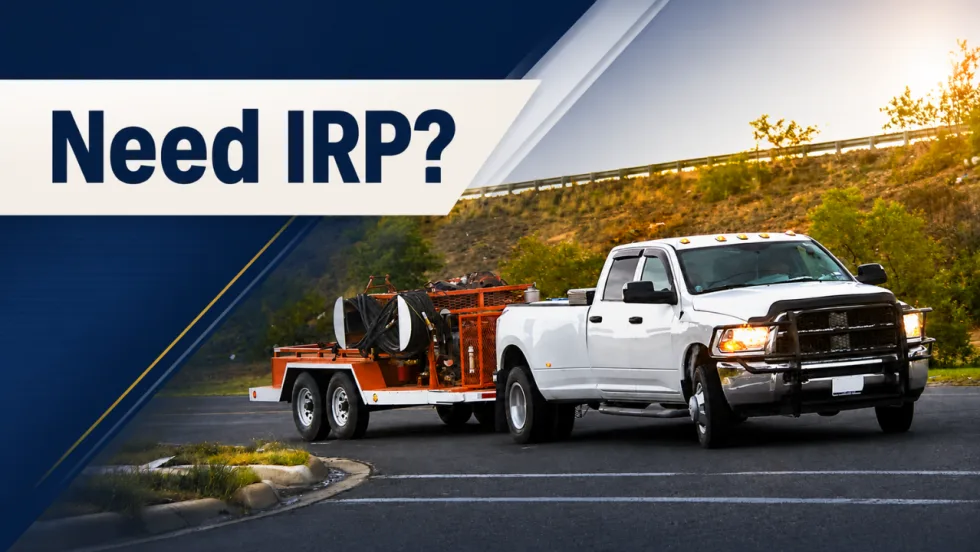
When Work Trucks Under 26,001 Pounds Need IRP Registration
Think trucks under 26,001 pounds are automatically in the clear when it comes to IRP? Not always. Learn where lighter vehicles can still run into trip permit, apportioned registration, and IFTA compliance requirements when crossing state or provincial lines.
Read More →
Volvo Trucks Releases New Safety Recommendations for Traveling with Pets
One of the most important recommendations for professional drivers traveling with pets is to ensure pets are properly restrained while the truck is moving. Other tips are available in the new guide from Volvo Trucks North America and Center for Pet Safety.
Read More →
API Issues Refueling Safety Guidelines
The American Petroleum Institute offers a list of safe vehicle refueling guidelines, including ways to avoid potential problems with static electricity discharges in fall, winter, and early spring.
Read More →


Winter Fleet Prep: Expert Tips to Keep Vehicles Running Smoothly
Cold weather can expose weak batteries, tires, fuel systems, and maintenance gaps fast. Use this winter fleet checklist to prepare trucks and drivers before temperatures drop.
Read More →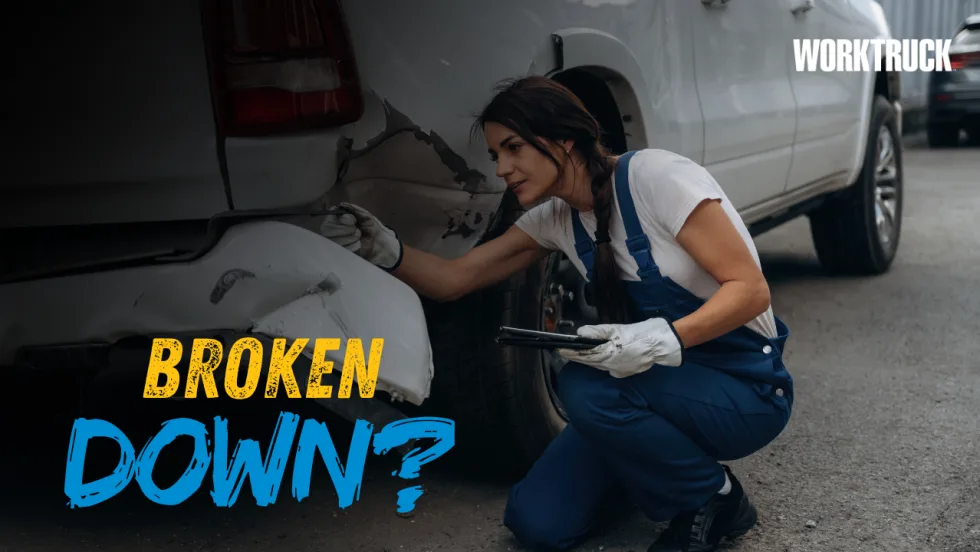
When a Work Truck Breaks Down, the Job Can Stop, Too
A work truck breakdown can stop more than the vehicle. Discover how payloads, jobsites, and specialty equipment change the roadside response.
Read More →
What Stronger Long-Term Fleet Service Partnerships Actually Require
Fleet service partnerships rarely fall apart all at once. Learn the three warning signs that trust is eroding and what fleets and providers can do before downtime, frustration, and lost revenue follow.
Read More →
Applause & TRUCE Software Partner to Improve Driver Safety Through AI-Powered Telematics & Employee Performance Management
Applause has integrated TRUCE driving metrics directly into its employee-first performance and safety platform that transforms mobile devices into AI-powered telematics.
Read More →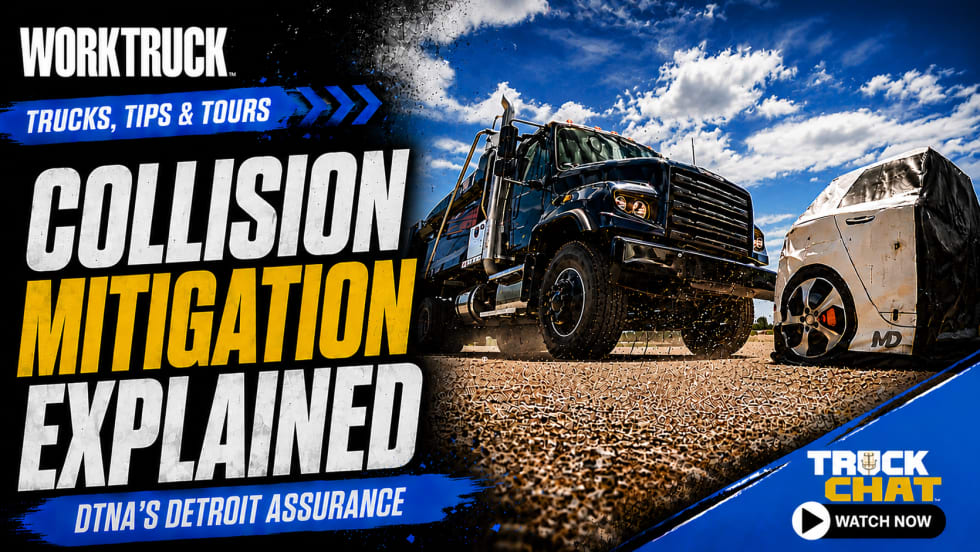
How Detroit Assurance with Active Brake Assist Works
Do you want to see what it is like to experience Detroit Assurance’s Active Brake Assist? In this video, Work Truck will put you in the cab to see how it all works and then hear more details from DTNA’s Mike Young.
Read More →
Get Left of Loss: A 5-Step Workplace Violence Prevention Framework for Fleet Operators
Violence risks do not stop at the driver’s door. Learn five practical steps fleets can take to spot threats early and protect workers before loss occurs.
Read More →
How Better Visibility Cut Speeding Violations by 48%
Fleet leaders don't need more data, they need clearer visibility into what the data is saying. This case study explores how one utility replaced speeding-event counts with a single metric — miles driven in violation — to strengthen safety and significantly reduce speeding violations.
Read More →