





Dig Deeper: Fleet Enable Spins Off to Serve Final-Mile Market
Final-Mile Fleets Need to Automate to Meed to Demand
Fleet Enable notes how technology can help carriers meet customer expectations while benefiting from unprecedented demand.
April 1, 2022
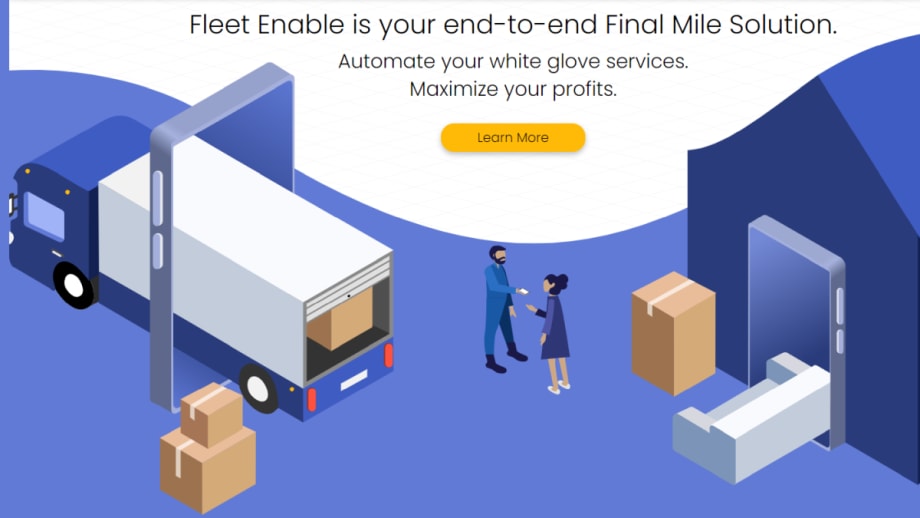
Fleet Enable said the final-mile sector would grow 14% to nearly $150 billion by 2025.
Photo: Fleet Enable
2 min to read
Last-mile carriers must automate to keep up with explosive growth in the final-mile delivery market,. That’s the guidance of logistics technology developer Fleet Enable in two research papers published this month. The software maker said carriers need automation to contain costs while capturing additional revenue.
Austin-based Fleet Enable posted the findings on its website as final-mile delivery firms face surging shipment volumes. Fleet Enable said the final-mile sector would grow 14% to nearly $150 billion by 2025.
It highlighted three growth challenges facing carriers that automation can address:
Bottlenecks delaying deliveries to customers;
Rising costs that eat into already thin profit margins; and
Missed revenue opportunity if increased volumes overwhelm operations.
“Demand for last mile shipping is not going to relent any time soon,” Fleet Enable stated in its research. “Carriers who want to take advantage of the current high demand for last mile delivery without re-inventing or restructuring their companies should turn to real-time, customizable final-mile technology.”
Fleet Enables recommendations are included in two research papers. The first: Building Your Final Mile Business Through Smart Technology, makes the case for automation. The second, Build vs. Buy, recommends working with technology developers steeped in the final-mile industry.
Both reports acknowledge a vested interest: Fleet Enable sells automation software to final-mile carriers. The research points out that several technology companies operate in the market. Fleet Enable says it’s the only company aimed at white glove carriers in the final-mile market. White glove carriers not only deliver but install shipments at homes or offices.
Fleet Enable’s research papers concluded that final-mile carriers should automate basic, recurring, labor-intensive tasks. The benefits would range from faster delivery to reduced operating expense, the research indicated.
“The most effective last mile carrier technology provides a single source of customer and order information, while automating appointment scheduling,” Fleet Enable said in its reports. “Companies can even use automated route optimizers to increase fleet utilization and save dispatchers’ time.”
Growth pressure weighs on final-mile carriers, Fleet Enable’s research found. Consumers recently converted to home delivery now want same-day delivery. Shippers fulfilling customer orders are balking at increased shipment costs. The conclusion from Fleet Enable’s research: technology can help carriers meet customer expectations while benefiting from unprecedented demand.
“Many final-mile carriers find rapid growth to be the greatest challenge of all,” Fleet Enable concluded. “Technology developed specifically for final-mile carriers can overcome the challenge, streamline driver communications, increase revenue, simplify dispatch and accounting tasks, and elevate customer service levels.”
More Delivery
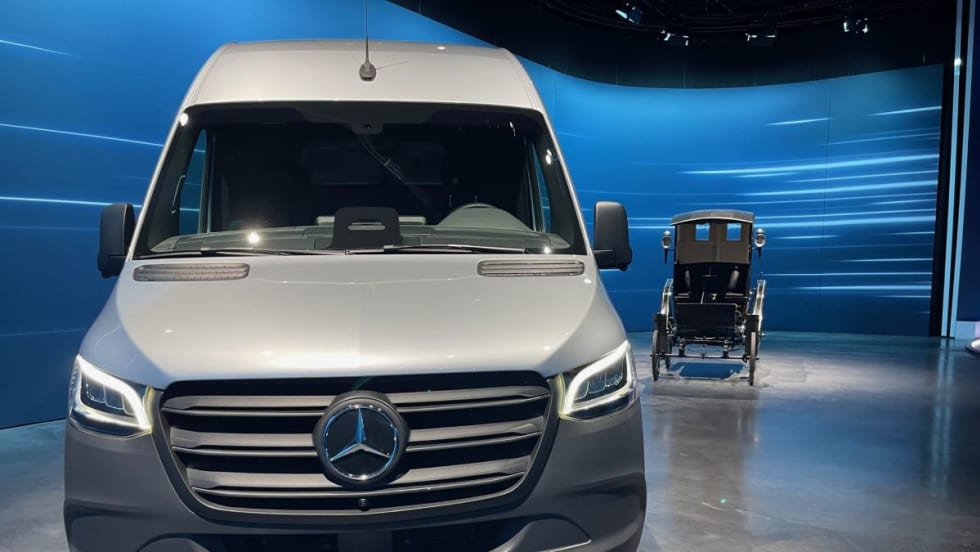
30 Years Ago Today The Sprinter Van Began to Play
The Mercedes-Benz Sprinter van is turning 30 years old – and is on track to surpass five million units sold by year’s end.
Read More →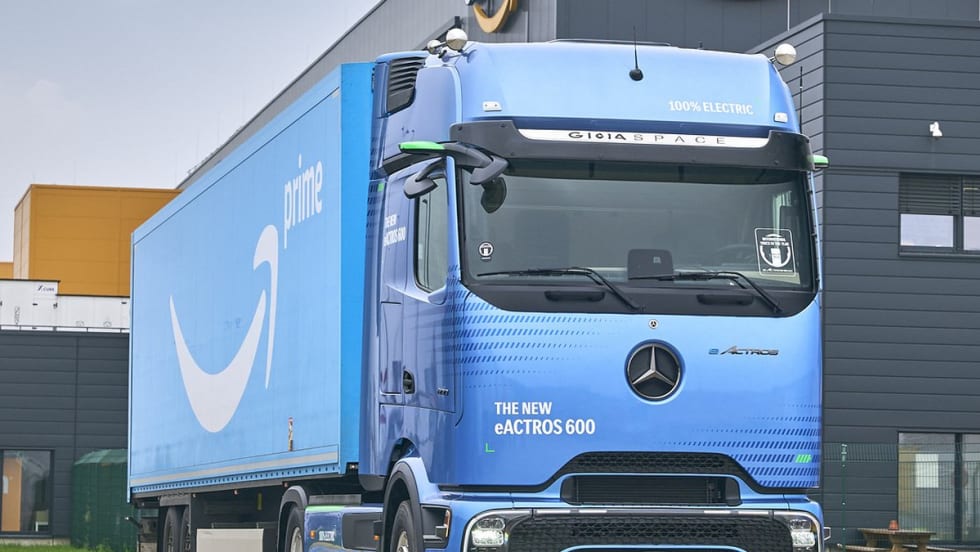
Amazon Places Places Largest eActros Truck Order
Amazon places its largest-ever electric truck order with over 200 eActros 600 vehicles to reduce emissions across its European logistics network.
Read More →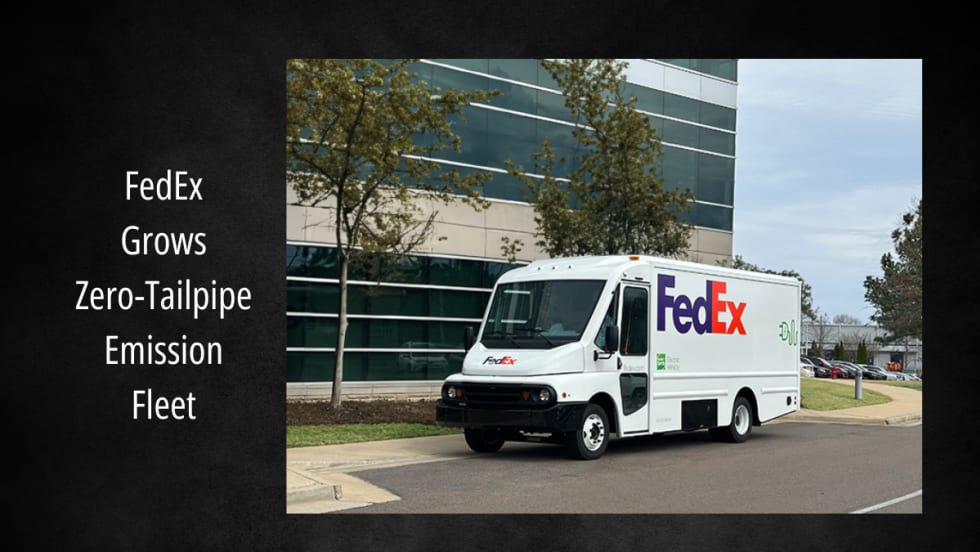
FedEx Orders 15 Workhorse W56 Step Vans
These 15 W56 step vans will support the FedEx goal to achieve carbon-neutral global operations by 2040.
Read More →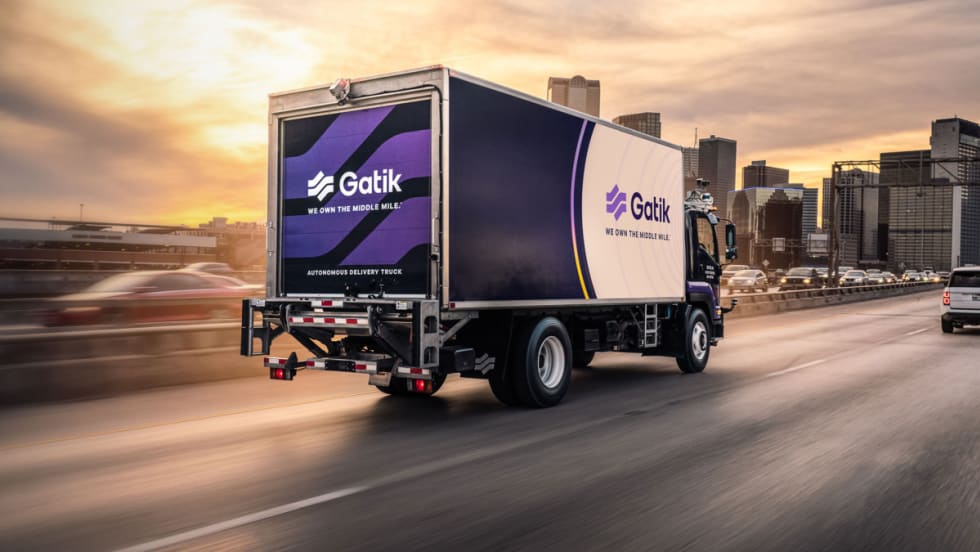
Gatik and ITOCHU Form Strategic Alliance for Middle-Mile Logistics
The collaboration with ITOCHU is part of Gatik's strategy to revolutionize the North American logistics landscape by deploying Freight-Only at scale.
Read More →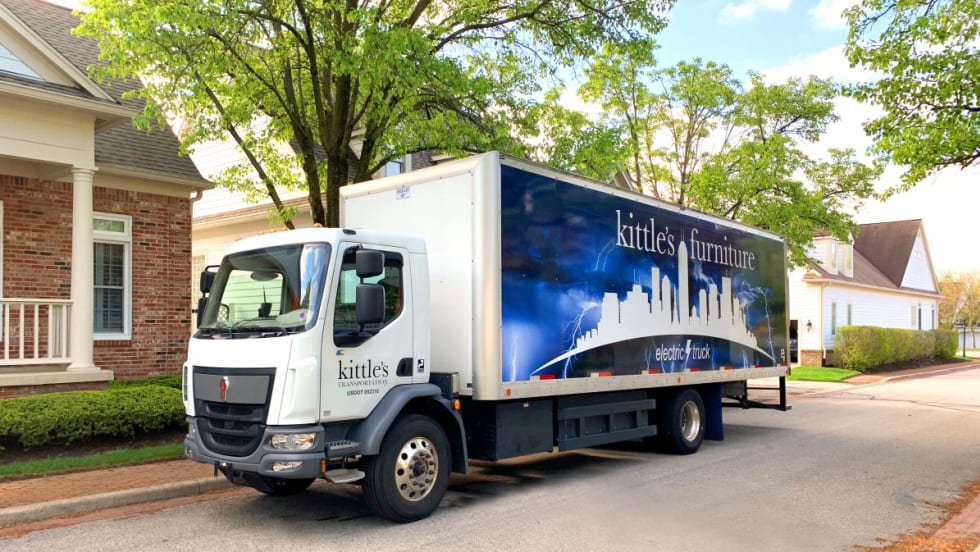
Kittle's Furniture Saves $10,000 a Year in Fuel Costs with Kenworth K270E
With six retail locations in Indiana, Kittle's Furniture uses a Kenworth K270E medium-duty electric truck to deliver furniture to customers in the Indianapolis metro area from its distribution center in Fishers.
Read More →
Bosch Launches RevX to Find the Best Load Every Time
The new cloud-based service from Bosch aggregates search results across multiple brokers and load boards based on a specific criterion, calculates profits, and helps with data-driven decision making to eliminate empty miles.
Read More →
Last-Mile Logistics: Optimizing Efficiency in Urban Deliveries
To make last-mile deliveries go smoothly, delivery companies can use strategies such as solving for demand fluctuations, using data and technology to plan better, and considering the technology offered to customers.
Read More →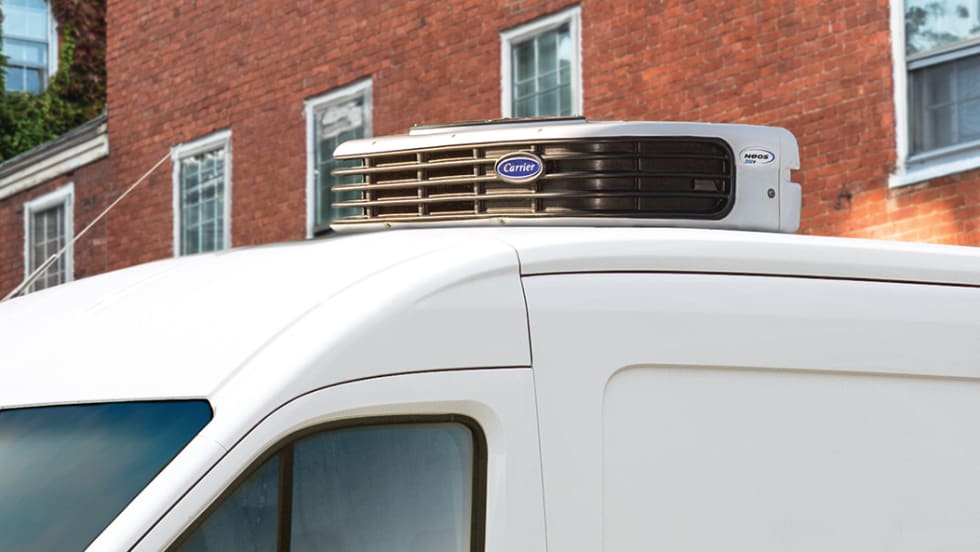
Carrier Transicold Offers Refrigeration for Small Delivery Vehicles
The engineless Neos 200e unit is part of Carrier Transicold’s growing family of eCool all-electric refrigeration systems.
Read More →
Canoo Set to Increase Vehicle Assembly Capacity
Canoo purchased manufacturing assets to reduce prices to scale production and made its first shipment to Oklahoma.
Read More →
Thermo King & Trane Technologies Advances Cold Chain Decarbonization
New digital solutions offer Thermo King customers insights into unit status, performance, maintenance needs and more.
Read More →