




EPA Grants Approval for ROUSH Propane-Fueled E-150 / E-250 / E-350
LIVONIA, MI - ROUSH Performance received positive news from the Environmental Protection Agency (EPA) that their 2010 E-150, E-250, and E-350 propane fuel conversion system has met the Federal emission regulatory requirements as established by the government agency.

ROUSH Propane-Powered E-250
LIVONIA, MI - ROUSH Performance received positive news from the Environmental Protection Agency (EPA) that their 2010 E-150, E-250, and E-350 propane fuel conversion system has met the Federal emission regulatory requirements as established by the government agency.
This means that the 2010 ROUSH E-150, E-250, and E-350 LPI system conforms to the Federal emissions standards in place for the control of air pollution from New Motor Vehicles. These ROUSH vehicles are now certified to be sold anywhere in the country, with the exception of California and those states which have adopted the California Air Resources Board (CARB) certification standards. CARB certification is currently pending, as is EPA approval for other additional model year vans. Production and shipment of conversion systems and of ROUSH-built vehicles can commence immediately.
The EPA certification covers the 2010 model-year Ford E-150, E-250, and E-350 cargo vans, wagons, and certain cutaway configurations with a GVWR of up to 10,000 pounds (the Heavy Duty Vehicle 1 classification), utilizing the Ford 5.4L, 2V V-8 engine. Vehicles can be ordered with the conversion performed at the ROUSH vehicle assembly facility in Livonia, Mich., or a conversion system can be ordered and installed by a qualified up fitter on an existing vehicle meeting the appropriate configuration standards.
The purchase of propane-powered vehicles is eligible for a variety of federal, state, and municipal tax credits or rebates. The Qualified Alternative Fuel Motor Vehicle (QAFMV) federal tax credit is available to be applied toward the purchase of vehicles that have been repowered to operate on an alternative fuel. The ROUSH propane powered E-150, E-250, and E-350 is unique as it was calibrated and certified to stricter emissions standards than the EPA mandated for vehicles of its class. That means the QAFMV tax credit can cover 80 percent of the incremental cost to convert certain models, up to an $8,000 cap for qualified buyers.
As an alternative fuel, propane offers a variety of advantages. It is available "right here, right now" with a national infrastructure already in place. Propane burns cleaner than gasoline or diesel, with up to 20 percent less nitrogen oxide, up to 60 percent less carbon monoxide, 24 percent fewer greenhouse gas emissions, and fewer particulate emissions when compared to gasoline. It is already the third most widely used fuel worldwide, following gasoline and diesel. Propane also plays a strong role in lowering our national dependence on foreign oil, as 90 percent of the propane used today comes from domestic sources of production.
Complete details on the ROUSH propane offerings can be found online at www.SwitchToPropane.com or by calling 800-59-ROUSH.
More Fuel

The Smart Way to Build a Mixed-Energy Fleet Isn’t About Picking a Side
Mixed-energy fleets aren’t about picking a winning fuel. Sarah Booth of WEX explains how vehicle data, duty cycles, charging strategy, and real-world costs can help fleets choose the right energy source for each job.
Read More →
Ignoring This Dashboard Warning Could Cost Your Fleet Thousands in Fuel
New research suggests neglected diesel aftertreatment systems could waste up to $30 in fuel per vehicle each day. Here's why vocational fleets should pay attention.
Read More →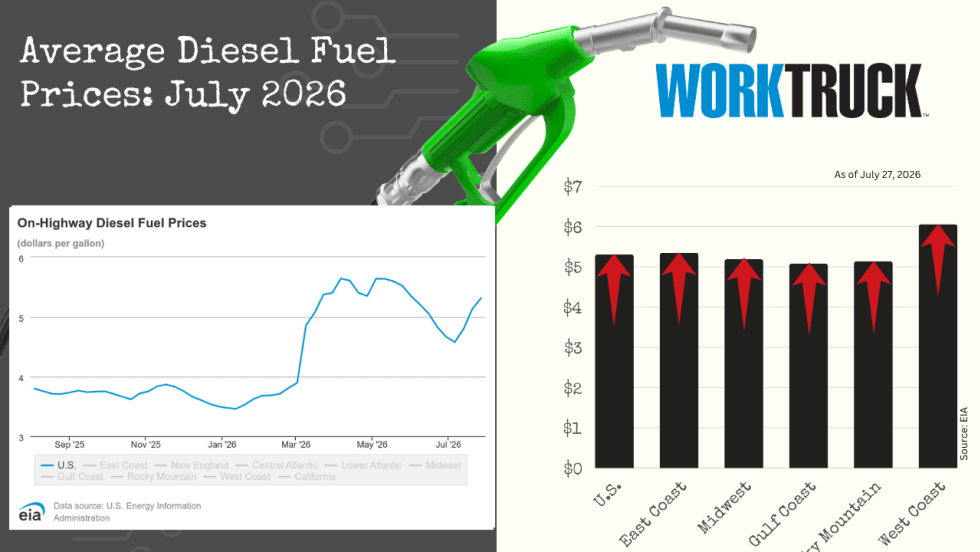
July Diesel Trends Update
The average price of a gallon of diesel increased again this week, and the EIA reported a new national average of $5.31 at the start of the week.
Read More →
WEX Brings Standard Fleet's Connected Vehicle Platform to Fleet Customers
This week’s product launch with Standard Fleet’s connected vehicle platform reflects WEX Venture Capital's strategy of turning startup innovation into customer solutions. Standard Fleet is now available to WEX fleet customers.
Read More →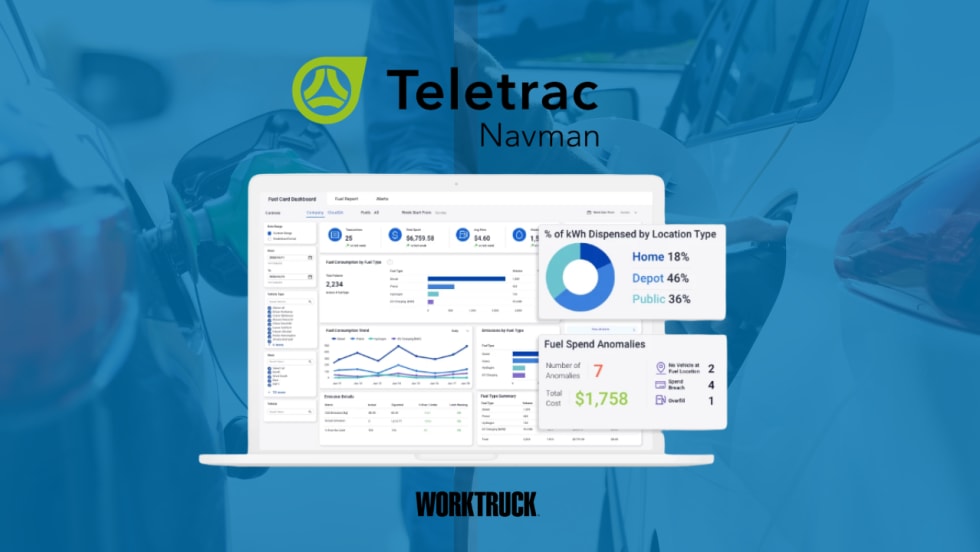
Teletrac Navman Adds Mixed-Energy Fleet Tools to TN360
The new Energy Hub combines fuel transactions, EV charging data, vehicle range, and energy costs in one dashboard for fleets operating multiple vehicle and energy types.
Read More →
WEX DriverDash adds CITGO, Expands Nationwide Access for Fleets
The DriverDash mobile payment app, by WEX, has been integrated into the CITGO merchant network, which means WEX has expanded its U.S. station footprint with the addition of approximately 4,000 CITGO locations.
Read More →
Mixed Energy Fleet Tips for Balancing EVs, Gas and Diesel Vehicles
Mixed energy fleets are becoming the new normal. Learn how fleet managers are balancing EVs, gas and diesel vehicles while controlling costs and planning for the future.
Read More →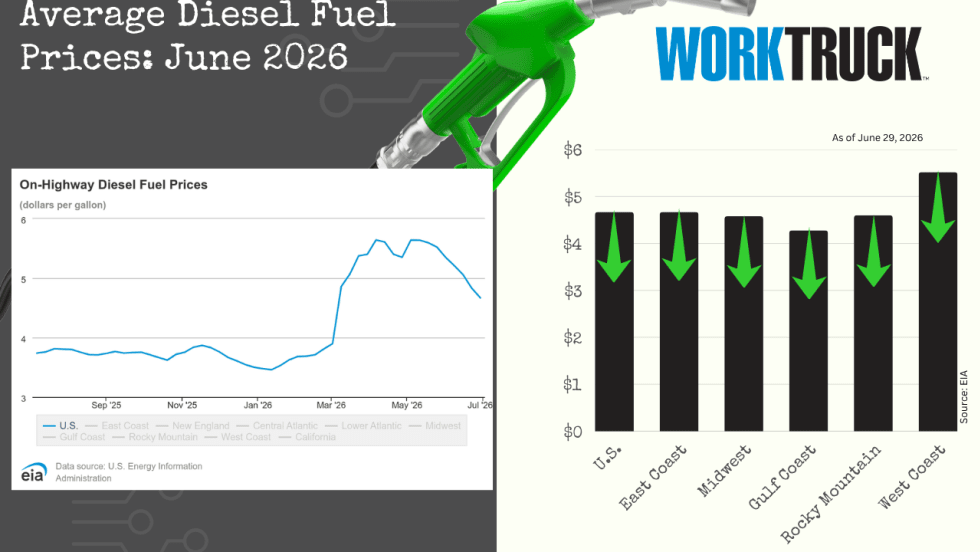
June Diesel Trends Update
The national average price of a gallon of diesel has dropped again, this week by more than 16 cents. All five regions reported lower average prices, ranging from almost 13 cents to more than 28 cents cheaper than a week ago.
Read More →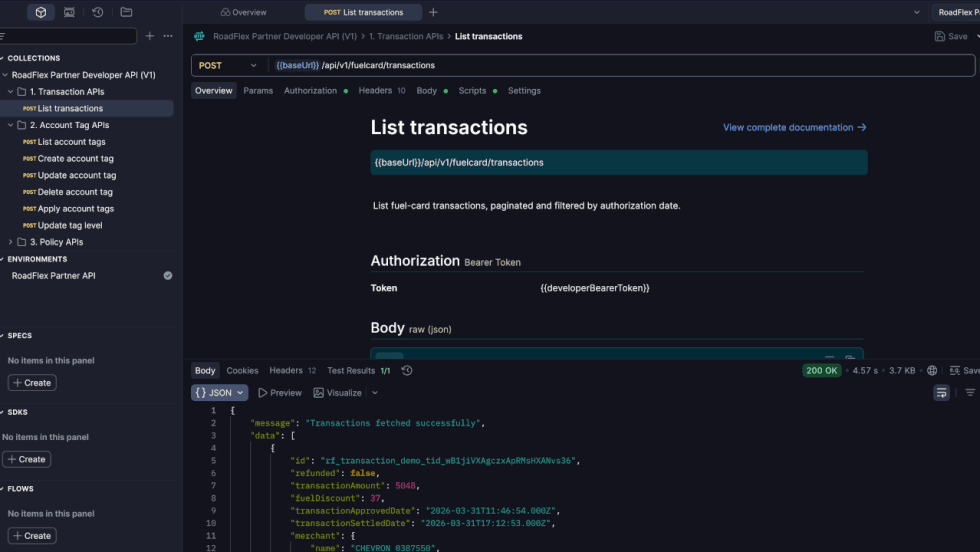
RoadFlex Launches RoadFlex Direct Open API Platform
RoadFlex Direct connects fuel cards, controls, and data to the telematics and fleet management systems fleets already run, from Geotab and Samsara to Fleetio and RTA, with no separate dashboard or double data entry.
Read More →
The Key to Fuel Efficiency Sits in the Cab
Learn how driver behavior, telematics, coaching, and fuel data can help fleets improve fuel efficiency, lower costs, and reduce emissions.
Read More →