




EPA: Automakers Exceeded Tailpipe Emissions Standards
Automakers mostly exceeded 2012 federal tailpipe emissions standards in the first year of the program with only Jaguar Range Rover falling short, according to an EPA report.

Photo via freefoto.com.

Photo via freefoto.com.
Automakers mostly exceeded 2012 federal tailpipe emissions standards in the first year of the program with only Jaguar Range Rover falling short, according to an EPA report.
Overall, 2012 model-year light-duty vehicles sold in the U.S. produced an average of 286 grams of greenhouse gas (GHG) per mile, or 9.8 grams better than the 2012 standards required.
On average, vehicles reduced GHG emissions by 22 grams per mile over 2011 model-year vehicles. Compared to five years ago, there are twice as many sport utility vehicles and small trucks that achieve more than 25 miles per gallon and seven times as many cars at 40 mpg or higher.
Jaguar Range Rover was the only automaker who fell short of having enough credits to transfer into 2013 from earlier model years. The company fell short by 424,032 credits; each credit equates to 1 ton of carbon dioxide.
The automakers who finished the 2012 model year with the most emissions credits to transfer to 2013 included Toyota, Honda, General Motors, Ford, and Nissan. Rounding out the top 10 were Chrysler, Subaru, Mazda, Volkswagen and Mitsubishi.
The emissions compliance period covers 2012 to 2016. Read the full report here.
Originally posted on Automotive Fleet
More Green Fleet

Fleet Forward Conference Introduces One-Day Passes for 2026
New one-day registration gives fleet professionals the flexibility to attend Tuesday, Wednesday, or Thursday, with passes available for $199 through Sept. 18.
Read More →
CALSTART Rebrands as Catalyst Mobility, Will Combine with Forth in 2027
CALSTART has rebranded as Catalyst Mobility and will combine with Forth at the start of 2027. The new organization said it is poised to become one of the world's largest, strongest, and most impactful clean transportation nonprofits.
Read More →
Electric Truck and Charging Programs to Boost Sustainability at NY & NJ Ports
Together, the Port Authority of New York and New Jersey and CALSTART will electrify drayage and terminal operations serving the East Coast’s busiest container port. A pair of incentive programs totaling $45 million has launched to accelerate adoption of zero-emission drayage trucks and terminal tractors.
Read More →
Xos Hub Surpasses One Gigawatt-Hour of Energy Delivered in the Field
A single Xos Hub has surpassed one gigawatt-hour of energy across more than 33,600 charging sessions in the field, demonstrating performance that supports Xos' expansion across new products and markets.
Read More →
Carrier Transicold Launches All-Electric Vector 8200 TRU for Diesel-Free On-Site Cold Storage
Carrier Transicold’s first engineless multi-temperature TRU helps fresh- and frozen-food fleets add supplemental cold storage capacity during seasonal peaks.
Read More →
Narro Trucks Introduces Electric Utility Vehicle
Narro Trucks officially launched its operations on Aug. 20 and hosted a ride and drive to showcase its electric truck, which will be produced in Virginia.
Read More →
Samsung SDI Takes Full Control of GM Battery JV as Indiana Plant Pivots to Energy Storage
Samsung SDI is taking full control of its Indiana battery plant with GM, marking a major shift from the EV-focused joint venture Charged Fleet first covered in 2023.
Read More →
NWSA Taps CALSTART to Administer Zero-Emission Drayage Assistance Program
CALSTART will provide free technical assistance services to drayage fleets serving the Ports of Seattle and Tacoma and looking to transition to cleaner technologies and help decarbonize freight hubs.
Read More →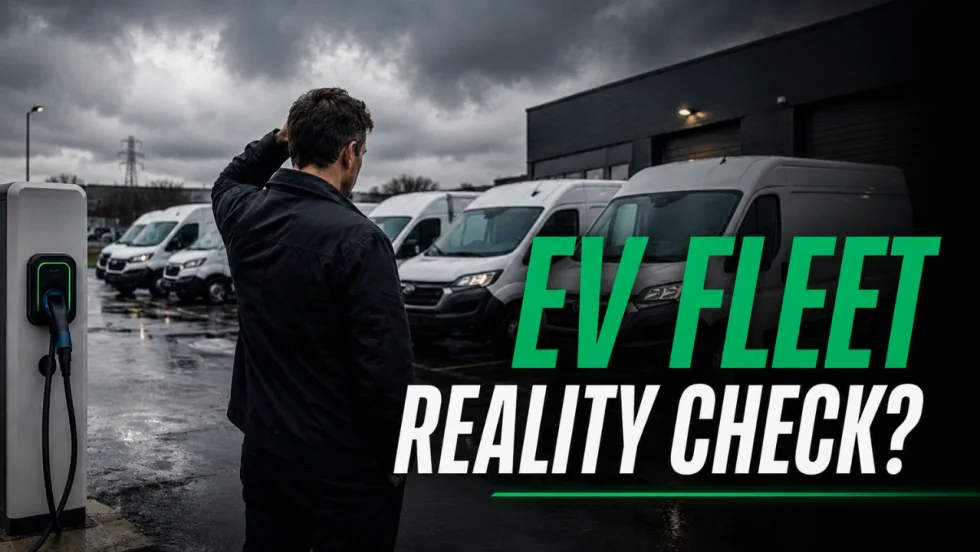
EV Fleet Reality Check: What Operators Wish They Knew Before Electrifying Their Work Vans
Electric work truck upfits bring new compatibility questions. Learn how parts availability, OEM guidance, power demands, and route planning can affect fleet performance.
Read More →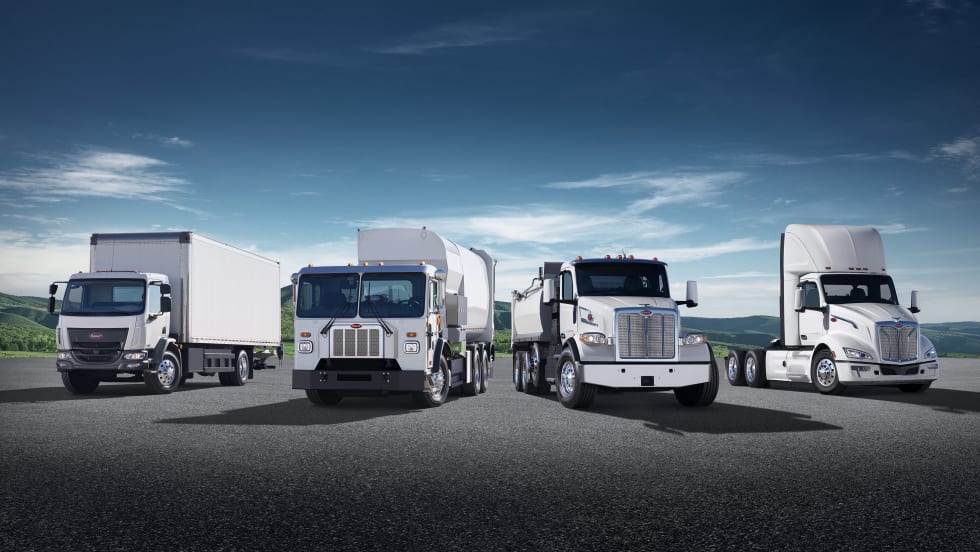
Peterbilt Expands Sourcewell Partnership with Electric Vehicle Lineup
Peterbilt Motors Company’s cooperative purchasing agreement with Sourcewell and its Canadian partner, Canoe Procurement Group, now includes including Peterbilt's battery-electric vehicle lineup.
Read More →