




Drowsy Driving Top Condition of People Who Shouldn't Drive
Drowsy driving ranked at the top of seven conditions listed in the survey that should have caused drivers not to get behind the wheel. Survey respondents also widely supported (60 percent) making drowsy driving against the law.

Photo via Loïc Dupasquier/Flickr.

Photo via Loïc Dupasquier/Flickr.
Almost seven of 10 people who acknowledged they shouldn't have driven said they were sleepy, according to a new survey from CarInsurance.com.
Drowsy driving ranked at the top of seven conditions listed in the survey that should have caused drivers not to get behind the wheel. Survey respondents also widely supported (60 percent) making drowsy driving against the law.
Of the people who drove when they shouldn't have, 68 percent said they were sleepy at the time. Other excuses included a headache (53 percent), sick enough to be in bed (35 percent), less drunk than a friend (23 percent), not wearing needed glasses or contact lenses (16 percent), taking narcotic pain medicine (15 percent), and one arm in a cast (8 percent).
Insurance carriers would still likely cover repair costs from a crash unless a person's doctor specifically asked them not to drive. In the 12 months preceding the survey, 46 percent of respondents said they drove once or twice against their better judgment.
The survey also identified 11 vehicle malfunctions drivers ignored while driving, including 61 percent who saw the "check engine" light on. Other vehicle problems included not being able to see through snow or ice on the windshield (32 percent), windshield wipers not working (26 percent), speedometer broken (21 percent), horn not working (19 percent), flat tire (17 percent), door that had to be held closed (10 percent), no required child seat for child (7 percent), car filled with exhaust fumes (6 percent), and no driver seat or a broken driver seat (5 percent).
Additionally, 79 percent of people said they didn't drive when others persuaded them to hand over the keys. The 21 percent who resisted that advice said they drove to go to work (21 percent), go home (13 percent), go to the doctor (4 percent), or pick up children (3 percent).
The survey polled 2,000 drivers in December.
Originally posted on Automotive Fleet
More Safety & Compliance
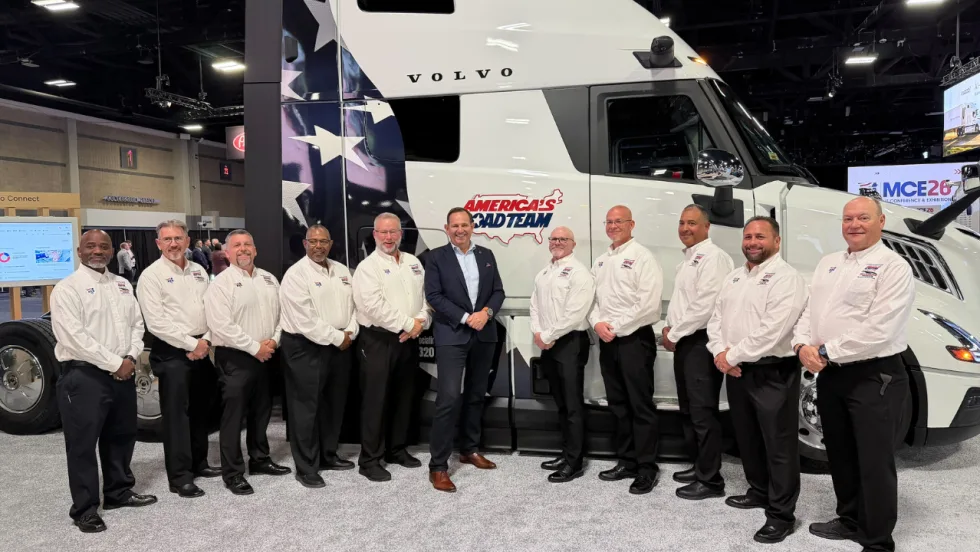
Volvo Trucks Marks 25 Years as Exclusive Sponsor of America's Road Team
Volvo Trucks North America will serve as the exclusive sponsor of the American Trucking Associations' America's Road Team, marking 25 years of Volvo sponsorship. The group of professional drivers promotes safety and the industry as they travel the country.
Read More →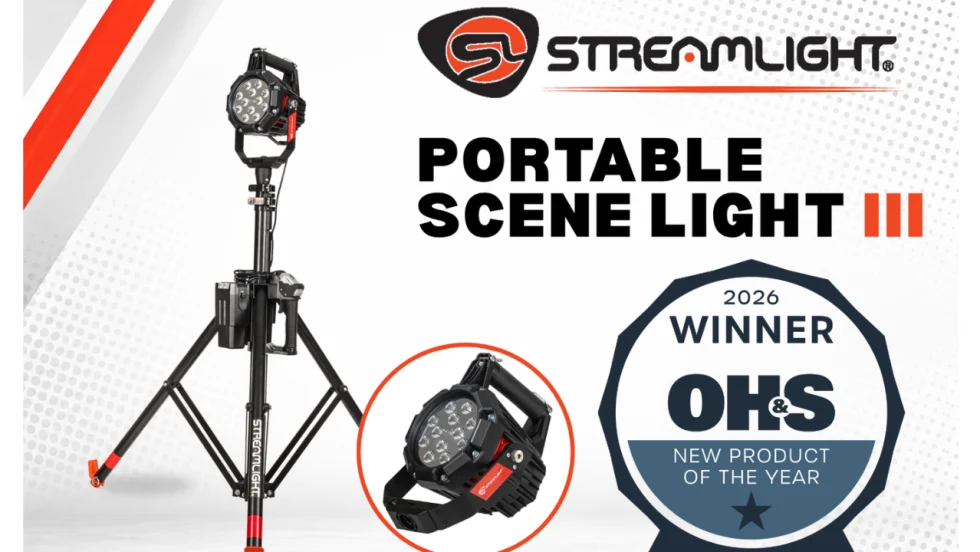
Streamlight’s High-Output Scene Light Recognized with Occupational Safety Award
Streamlight’s Portable Scene Light III (PSL III) won the 2026 Occupational Health & Safety (OH&S) New Product of the Year Award in the Lighting category.
Read More →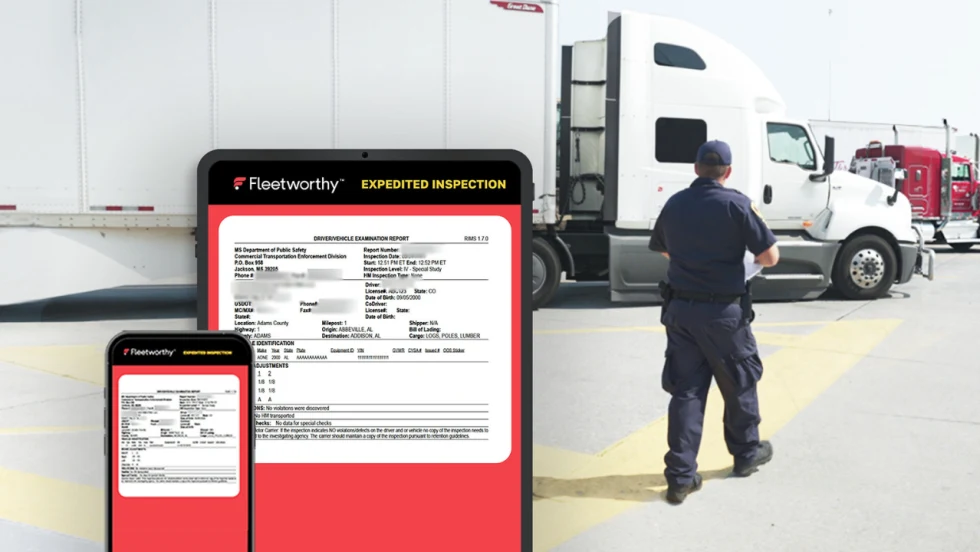
Fleetworthy Expands Expedited Inspection to 5 States
Following its industry-first launch in Nevada, Fleetworthy’s automated inspection technology is now live in California, Michigan, Vermont, and Maine.
Read More →From Our Partners

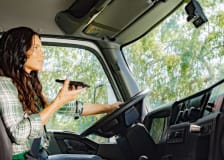

Crossing State Lines in a Light-Duty Work Truck? Check These Rules First
Crossing state lines in a lighter work truck? J.J. Keller's Kathy Close explains when IRP registration, trip permits, and towing rules come into play.
Read More →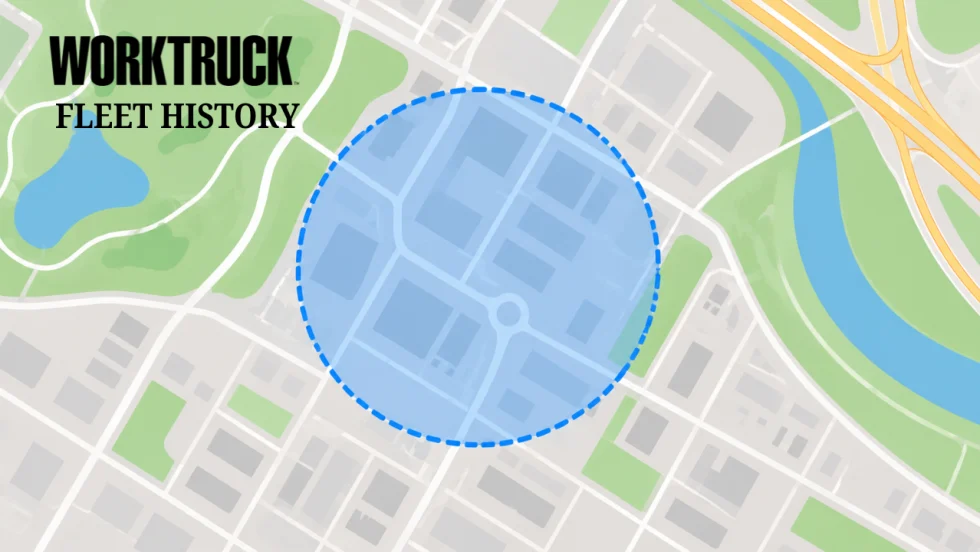
GeoFencing Adds to Your Truck Security Arsenal
Geofencing is a familiar fleet tool today, but its early adoption marked a major shift in vehicle tracking, route monitoring, and the debate over employee privacy.
Read More →
Recalls You Need to Know About in October 2026
In October 2026, what recalls might impact your fleet? Work Truck has the answers in this comprehensive overview of recent NHTSA recalls.
Read More →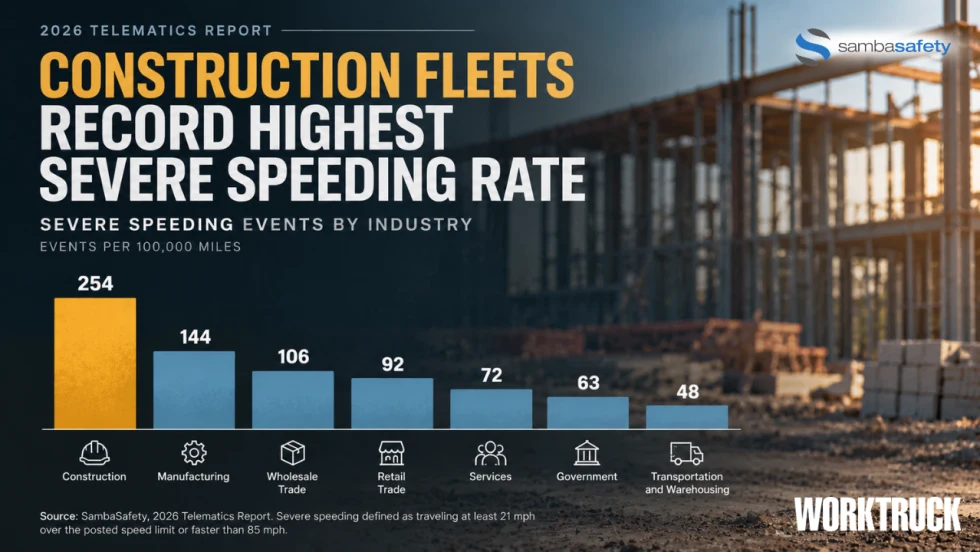
Construction Fleets Show Telematics Adoption Alone May Not Reduce Driving Risk
SambaSafety found construction fleets monitor roughly 92% of their vehicles but recorded the highest severe speeding rate among industries studied.
Read More →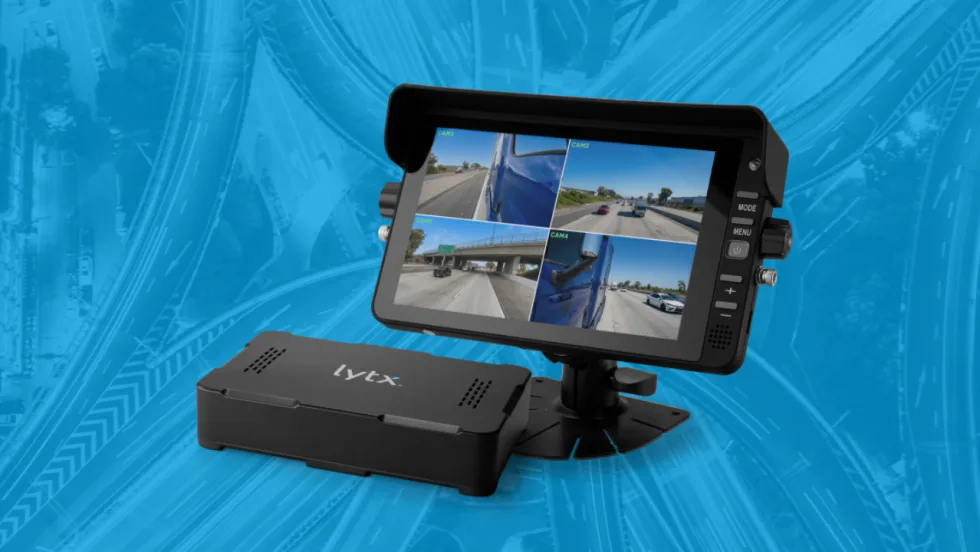
Lytx Launches 360 Hub Kit for Expanded Fleet Camera Visibility
Lytx’s new AI-ready gateway and HD auxiliary camera ecosystem, the Lytx 360 Hub Kit, extends visibility across side, rear, cargo, and blind-zone views to help fleets see more and respond faster.
Read More →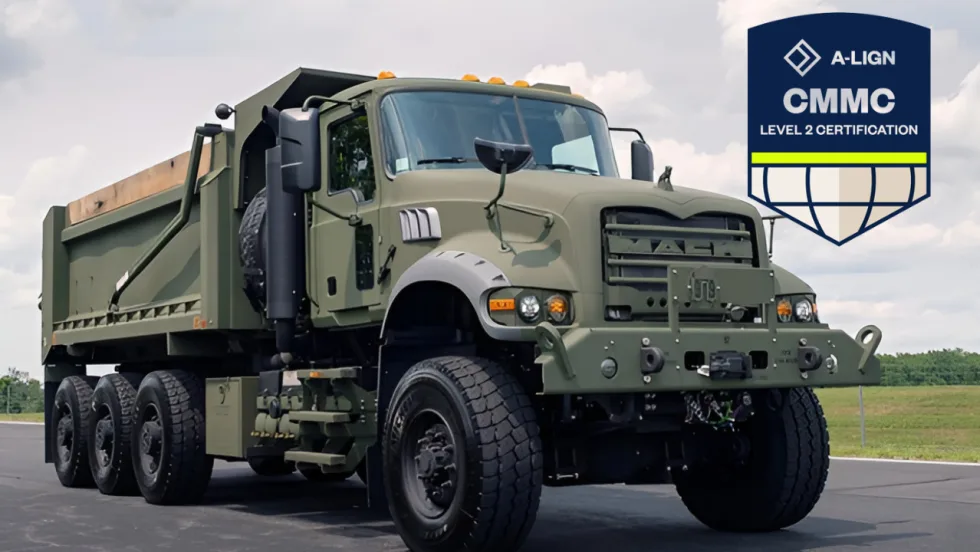
Mack Defense Achieves Cybersecurity Maturity Model Certification Level 2
After an assessment conducted by an authorized Certified Third-Party Assessment Organization (C3PAO), Mack Defense has achieved Cybersecurity Maturity Model Certification (CMMC) Level 2.
Read More →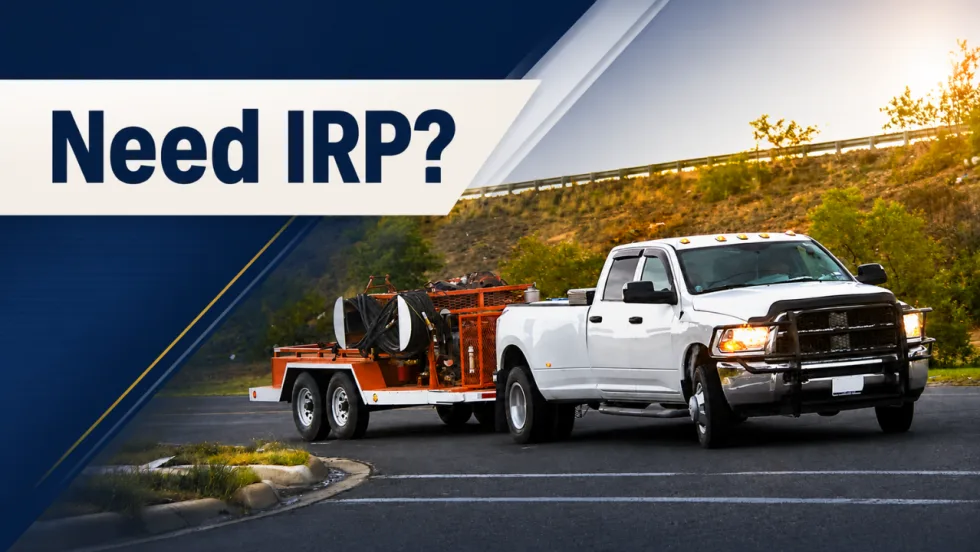
When Work Trucks Under 26,001 Pounds Need IRP Registration
Think trucks under 26,001 pounds are automatically in the clear when it comes to IRP? Not always. Learn where lighter vehicles can still run into trip permit, apportioned registration, and IFTA compliance requirements when crossing state or provincial lines.
Read More →