




DOT, EPA Propose the Nation's First Greenhouse Gas and Fuel Efficiency Standards for Trucks and Buses
WASHINGTON - The U.S. Environmental Protection Agency (EPA) and the U.S. Department of Transportation (DOT) announced the first national standards to reduce greenhouse gas (GHG) emissions and improve fuel efficiency of heavy-duty trucks and buses.
WASHINGTON - The U.S. Environmental Protection Agency (EPA) and the U.S. Department of Transportation (DOT) announced the first national standards to reduce greenhouse gas (GHG) emissions and improve fuel efficiency of heavy-duty trucks and buses. This comprehensive national program is projected to reduce GHG emissions by about 250 million metric tons and save 500 million barrels of oil over the lives of the vehicles produced within the program's first five years.
"These new standards are another step in our work to develop a new generation of clean, fuel-efficient American vehicles that will improve our environment and strengthen our economy," EPA Administrator Lisa P. Jackson said. "In addition to cutting greenhouse gas pollution, greater fuel economy will shrink fuel costs for small businesses that depend on pickups and heavy duty vehicles, shipping companies and cities and towns with fleets of these vehicles. Those savings can be invested in new jobs at home, rather than heading overseas and increasing our dependence on foreign oil."
"Through new fuel-efficiency standards for trucks and buses, we will not only reduce transportation's environmental impact, we'll reduce the cost of transporting freight," said U.S. Transportation Secretary Ray LaHood. "This is a win-win-win for the environment, businesses and the American consumer."
EPA and DOT's National Highway Traffic Safety Administration (NHTSA) are proposing new standards for three categories of heavy trucks: combination tractors, heavy-duty pickups and vans, and vocational vehicles. The categories were established to address specific challenges for manufacturers in each area. For combination tractors, the agencies are proposing engine and vehicle standards that begin in the 2014 model year and achieve up to a 20 percent reduction in carbon dioxide (CO2) emissions and fuel consumption by 2018 model year.
For heavy-duty pickup trucks and vans, the agencies are proposing separate gasoline and diesel truck standards, which phase in starting in the 2014 model year and achieve up to a 10 percent reduction for gasoline vehicles and 15 percent reduction for diesel vehicles by 2018 model year (12 and 17 percent respectively if accounting for air conditioning leakage). Lastly, for vocational vehicles, the agencies are proposing engine and vehicle standards starting in the 2014 model year which would achieve up to a 10 percent reduction in fuel consumption and CO2 emissions by 2018 model year.
Overall, NHTSA and EPA estimate that the heavy-duty national program would provide $41 billion in net benefits over the lifetime of model year 2014 to 2018 vehicles. With the potential for significant fuel efficiency gains, ranging from seven to 20 percent, drivers and operators could expect to net significant savings over the long-term. For example, it is estimated an operator of a semi truck could pay for the technology upgrades in under a year, and save as much as $74,000 over the truck's useful life. Vehicles with lower annual miles would typically experience longer payback periods, up to four or five years, but would still reap cost-savings.
The innovative technologies fostered by this program would also yield economic benefits, enhance energy security, and improve air quality. New technologies include widespread use of aerodynamic improvements and tire rolling resistance, as well as engine and transmission upgrades.
More Sustainability
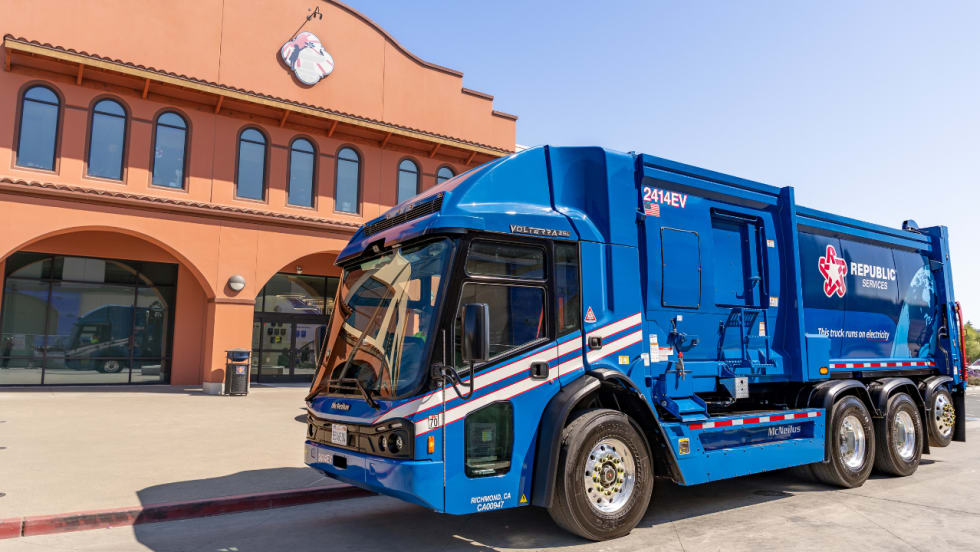
What Republic Services Learned Moving Electric Trucks Beyond the Pilot
With 250 electric refuse trucks now in service, Republic Services is learning that scaling a new powertrain depends as much on routes, drivers, technicians, and daily operations as it does on the truck itself.
Read More →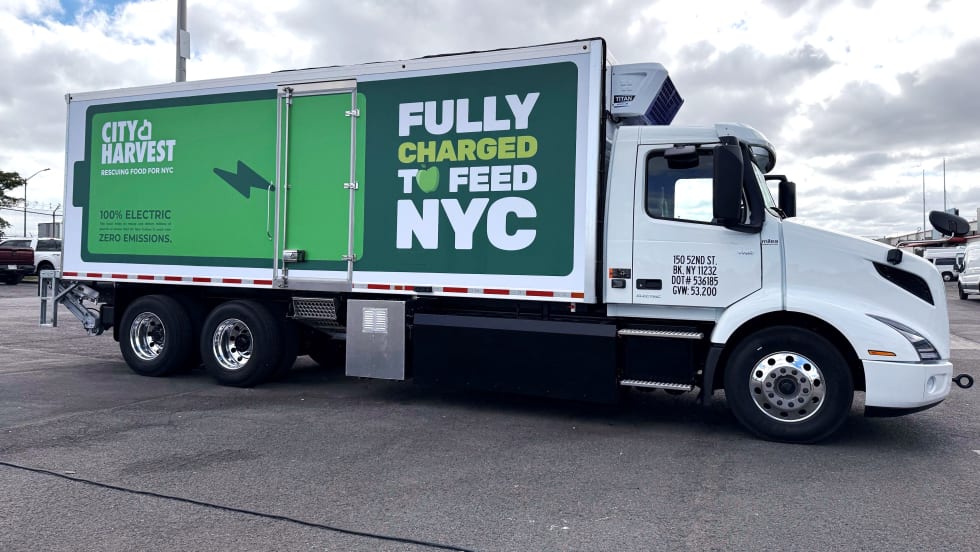
City Harvest Begins Using Volvo VNR Electric Trucks to Rescue Food Across New York City
Volvo Trucks North America and the Bronx Is Breathing project team handed over three new Volvo VNR Electric trucks to City Harvest, which will use the trucks to rescue and deliver food throughout the Bronx and across all five boroughs of New York.
Read More →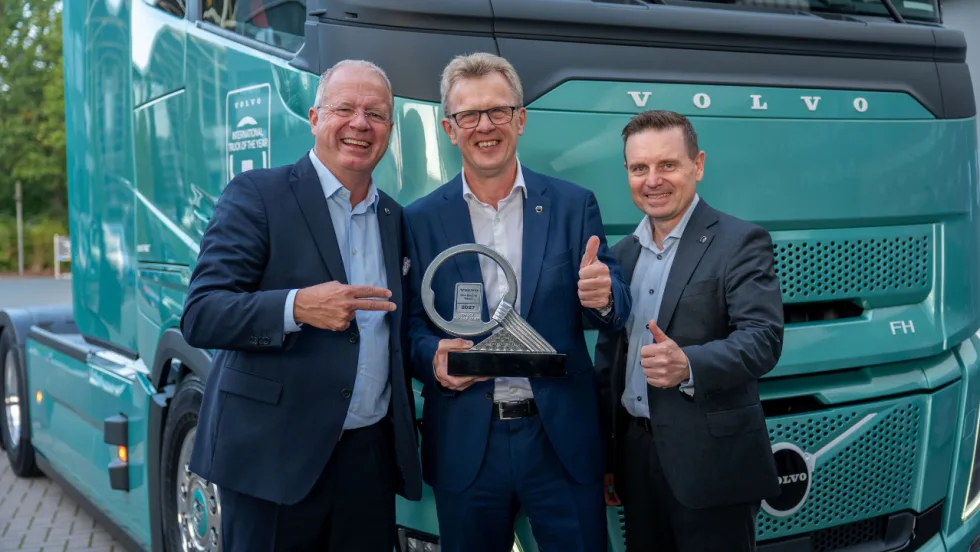
Volvo Trucks Wins International Truck of the Year 2027 for its Global Electric Range
Volvo Trucks' global heavy-duty electric range has been named International Truck of the Year 2027. Since 2019, more than 7,000 electric Volvo trucks have driven more than 310 million miles worldwide.
Read More →


Fleet Forward Conference Introduces One-Day Passes for 2026
New one-day registration gives fleet professionals the flexibility to attend Tuesday, Wednesday, or Thursday, with passes available for $199 through Sept. 18.
Read More →
CALSTART Rebrands as Catalyst Mobility, Will Combine with Forth in 2027
CALSTART has rebranded as Catalyst Mobility and will combine with Forth at the start of 2027. The new organization said it is poised to become one of the world's largest, strongest, and most impactful clean transportation nonprofits.
Read More →
Electric Truck and Charging Programs to Boost Sustainability at NY & NJ Ports
Together, the Port Authority of New York and New Jersey and CALSTART will electrify drayage and terminal operations serving the East Coast’s busiest container port. A pair of incentive programs totaling $45 million has launched to accelerate adoption of zero-emission drayage trucks and terminal tractors.
Read More →
The Smart Way to Build a Mixed-Energy Fleet Isn’t About Picking a Side
Mixed-energy fleets aren’t about picking a winning fuel. Sarah Booth of WEX explains how vehicle data, duty cycles, charging strategy, and real-world costs can help fleets choose the right energy source for each job.
Read More →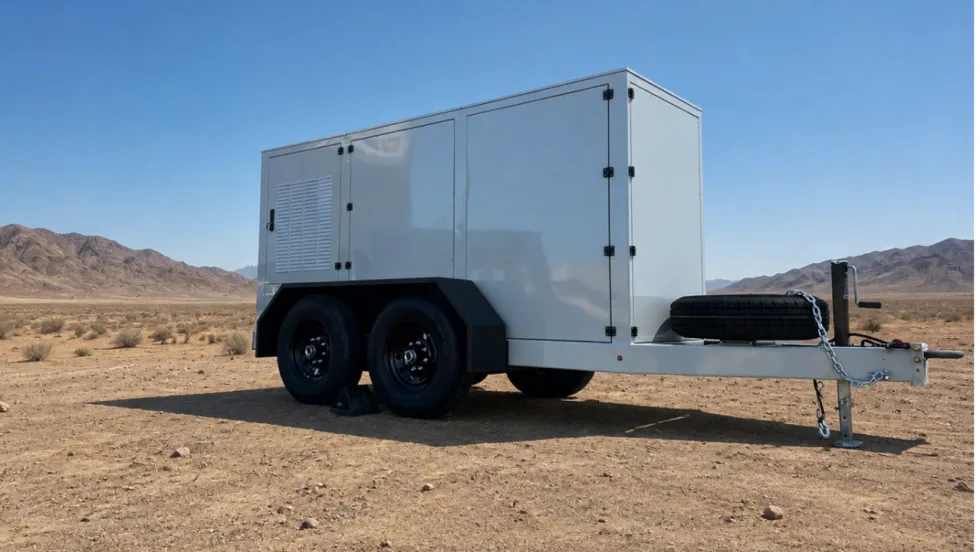
Xos Hub Surpasses One Gigawatt-Hour of Energy Delivered in the Field
A single Xos Hub has surpassed one gigawatt-hour of energy across more than 33,600 charging sessions in the field, demonstrating performance that supports Xos' expansion across new products and markets.
Read More →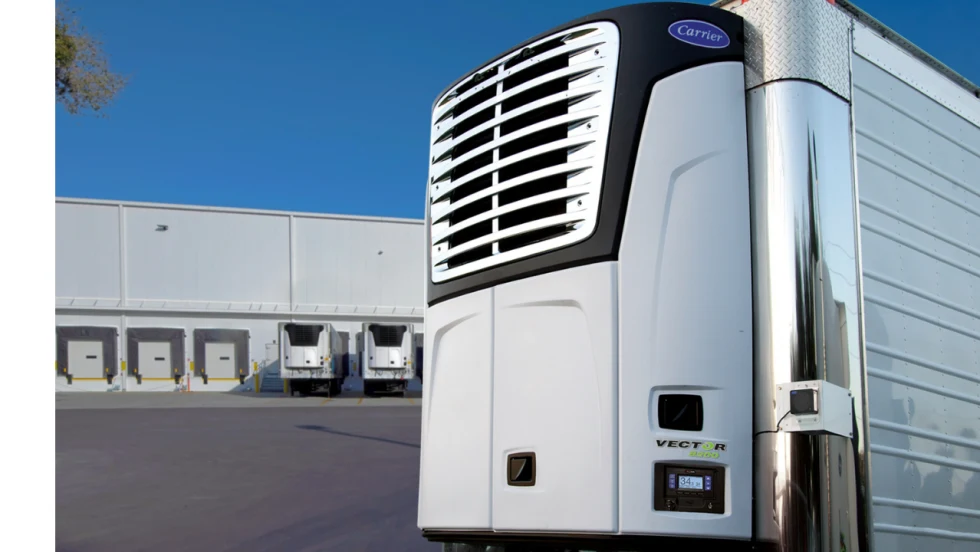
Carrier Transicold Launches All-Electric Vector 8200 TRU for Diesel-Free On-Site Cold Storage
Carrier Transicold’s first engineless multi-temperature TRU helps fresh- and frozen-food fleets add supplemental cold storage capacity during seasonal peaks.
Read More →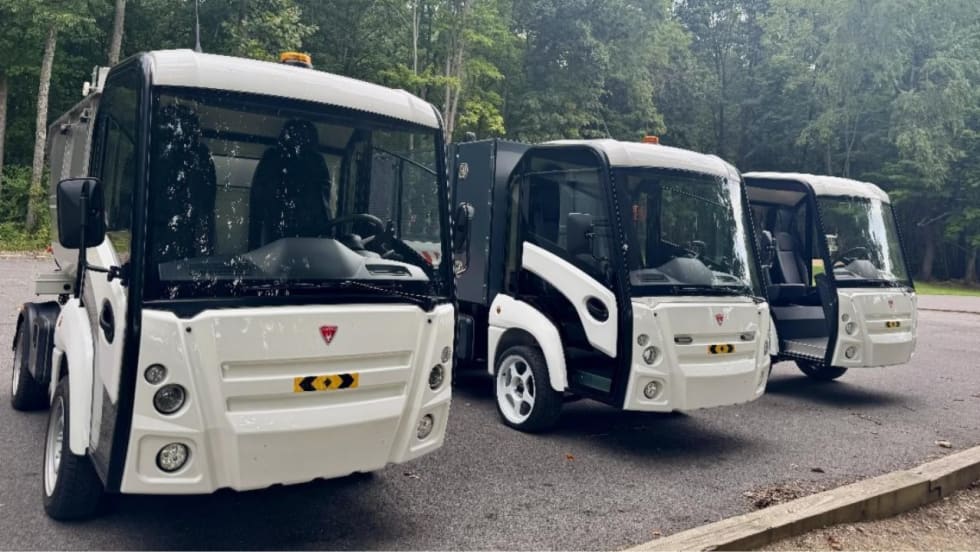
Narro Trucks Introduces Electric Utility Vehicle
Narro Trucks officially launched its operations on Aug. 20 and hosted a ride and drive to showcase its electric truck, which will be produced in Virginia.
Read More →