




Department of Transportation Contests Criticisms of Truck Safety Record
WASHINGTON, D.C. – The U.S. Department of Transportation (DOT) Office of Public Affairs has issued a statement in response to two recent articles in the New York Times (“Making the Highways Less Safe,” the New York Times, 12/10/06; and “Loosening the Rules,” New York Times, 12/3/06).
WASHINGTON, D.C. – The U.S. Department of Transportation (DOT) Office of Public Affairs has issued a statement in response to two recent articles in the New York Times (“Making the Highways Less Safe,” the New York Times, 12/10/06; and “Loosening the Rules,” New York Times, 12/3/06). The DOT said the New York Times has refused continued requests to correct their errors. “In their frenzy to find fault, the New York Times has cherry-picked data, rewritten history, and incorrectly reported the most basic facts. The New York Times needs to admit its errors and set the record straight,” said Brian Turmail, director of communications, U.S. Department of Transportation. The articles appearing in the Times criticize the trucking industry for close ties to the Bush administration, which has resulted in extensive deregulation and looser safety rules. In the statement, the DOT said the truck fatality rate has reached a record low, declining by 11 percent on the Bush administration’s watch. Since 1996, truck vehicle miles traveled increased 43.5 billion miles (more than 24-percent increase), but the number of fatalities from large truck crashes increased by less than 0.1 percent (5,142 in 1996 to 5,190 in 2004). With state enforcement partners, the Federal Motor Carrier Safety Administration (FMCSA) completed more than 36,000 safety audits and more than 3 million roadside inspections in 2005 alone. In addition, the new Hours-of-Service rule, updated for the first time since 1939, requires drivers to take a mandatory 10-hour break between shifts, up from eight in the previous rule. The rule is being challenged in court by the trucking industry for being too restrictive. Identical to the old rule, drivers may not drive after 60/70 hours on duty in 7-8 consecutive days, according to the statement. The statement also cites the FMCSA’s administrative leadership. For the past five years, President Bush’s FMCSA Administrators have been two former state police officers with long public safety careers. John Hill, the current FMCSA administrator, spent 30 years with the Indiana State Police and headed its commercial enforcement division before joining FMCSA. Preceding Hill, Annette Sandberg served as chief of the Washington State Patrol and was the deputy administrator of the National Highway Traffic Safety Administration before leading FMCSA from 2002 to 2005.
Originally posted on Automotive Fleet
More Safety & Compliance
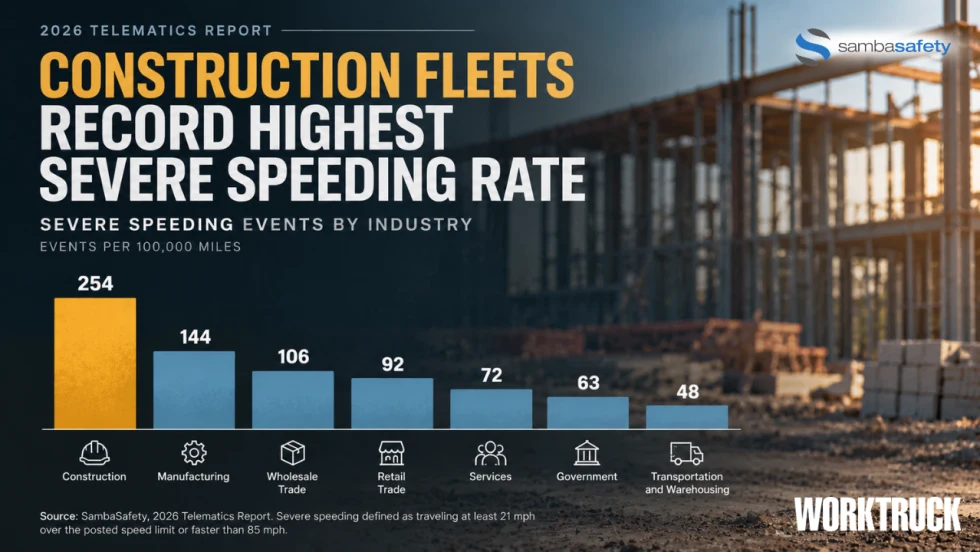
Construction Fleets Show Telematics Adoption Alone May Not Reduce Driving Risk
SambaSafety found construction fleets monitor roughly 92% of their vehicles but recorded the highest severe speeding rate among industries studied.
Read More →
Lytx Launches 360 Hub Kit for Expanded Fleet Camera Visibility
Lytx’s new AI-ready gateway and HD auxiliary camera ecosystem, the Lytx 360 Hub Kit, extends visibility across side, rear, cargo, and blind-zone views to help fleets see more and respond faster.
Read More →
Mack Defense Achieves Cybersecurity Maturity Model Certification Level 2
After an assessment conducted by an authorized Certified Third-Party Assessment Organization (C3PAO), Mack Defense has achieved Cybersecurity Maturity Model Certification (CMMC) Level 2.
Read More →From Our Partners



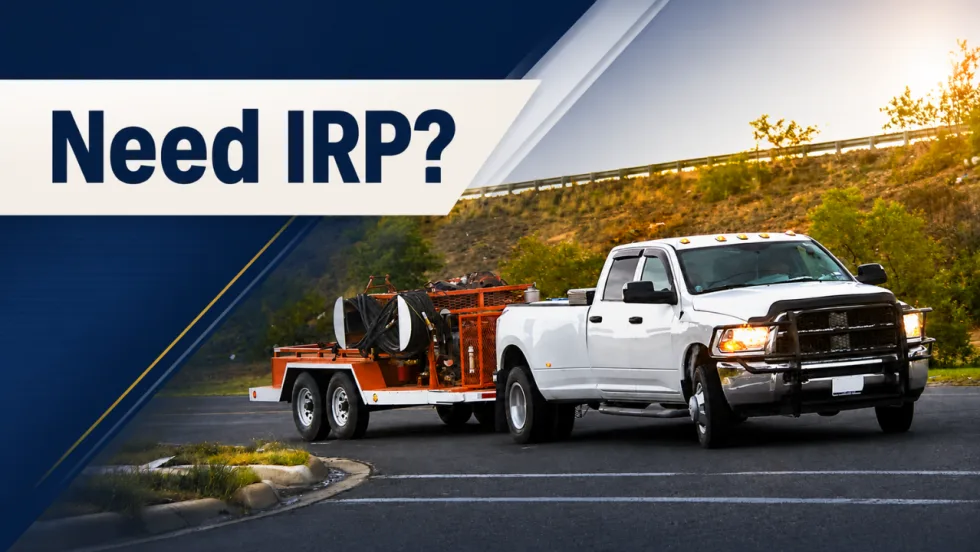
When Work Trucks Under 26,001 Pounds Need IRP Registration
Think trucks under 26,001 pounds are automatically in the clear when it comes to IRP? Not always. Learn where lighter vehicles can still run into trip permit, apportioned registration, and IFTA compliance requirements when crossing state or provincial lines.
Read More →
Smith System Wants Work Truck Fleets to Look Beyond the Driver Alert
Smith System’s new Driver Risk Management program is built to help mixed work truck fleets turn telematics alerts and observations into specific behaviors, coaching actions, and measurable follow-up.
Read More →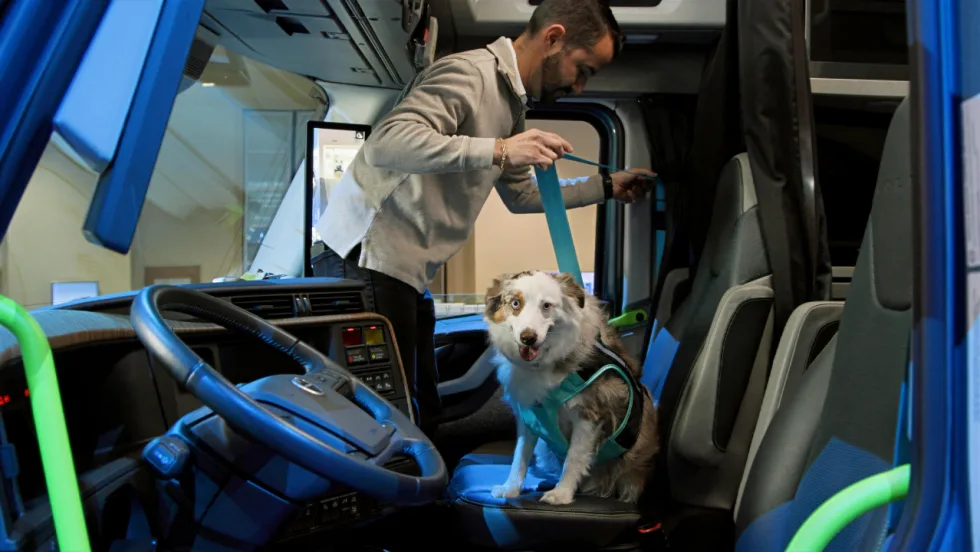
Volvo Trucks Releases New Safety Recommendations for Traveling with Pets
One of the most important recommendations for professional drivers traveling with pets is to ensure pets are properly restrained while the truck is moving. Other tips are available in the new guide from Volvo Trucks North America and Center for Pet Safety.
Read More →
Are Work Truck Drivers Warming Up to Dash Cams and GPS Tracking?
A new survey finds field-service drivers may be more comfortable with dash cams and GPS tracking than fleet managers think, especially when the technology helps protect them after a crash.
Read More →
Recalls You Need to Know About in August 2026
If you have Altec, Chrysler, Ford, Heil, General Motors, International, Mack Trucks, Paccar, Rivian, Royal Truck, Toyota, US Truck Body, or Volvo Trucks vehicles in your fleet, you should check these important recalls issued by the National Highway Safety Administration.
Read More →
API Issues Refueling Safety Guidelines
The American Petroleum Institute offers a list of safe vehicle refueling guidelines, including ways to avoid potential problems with static electricity discharges in fall, winter, and early spring.
Read More →
Winter Fleet Prep: Expert Tips to Keep Vehicles Running Smoothly
Cold weather can expose weak batteries, tires, fuel systems, and maintenance gaps fast. Use this winter fleet checklist to prepare trucks and drivers before temperatures drop.
Read More →