




DaimlerChrysler to Discontinue Jeep Cherokee
DaimlerChrysler AG has announced it will discontinue the Jeep Cherokee, which helped build the U.S. popularity of sport-utility vehicles in the 1980s.

Editor's note: After being discontinued in 2011 after a 17 year run, the Jeep Cherokee returned to the North American market in 2014. In addition, DaimlerChrysler split in 2007 to just Daimler.
DaimlerChrysler AG has announced it will discontinue the Jeep Cherokee, which helped build the U.S. popularity of sport-utility vehicles in the 1980s. The company said it will stop building the Cherokee by the middle of this year, shortly after it introduces the Liberty, a smaller but more luxurious SUV. DaimlerChrysler had planned to end production of the Cherokee model in November 2000, but continued production in order to meet marketplace demand. "The Jeep Cherokee has had one the longest and most successful rides in the history of the automotive industry," said Tom Sidlik, DCX executive vice president of procurement and supply and general manager of Jeep operations. "Jeep invented the compact SUV segment with the Cherokee 18 years ago, and with the launch of the all-new Jeep Liberty, we will further enhance and broaden the overall Jeep brand." The Liberty will be built at the company's new Toledo North assembly plant, just down the road from where the Cherokee and Jeep Wrangler are built. The 18-year-old Cherokee was one of the early SUVs that helped spur the popularity of the segment. Last year DaimlerChrysler sold 141,457 Cherokees, a decline of 14 percent from 1999.
More Vehicle Insights

Truckers’ Strike Rumors, Electric Fleet Lessons, and GM’s New Duramax Lead This Week’s News
Truckers’ strike rumors, Republic Services’ electric fleet lessons, GM’s new 8.3L Duramax, van upfitting, Ford Pro used trucks, and more headline this week’s Truck Chat Cheat Sheet.
Read More →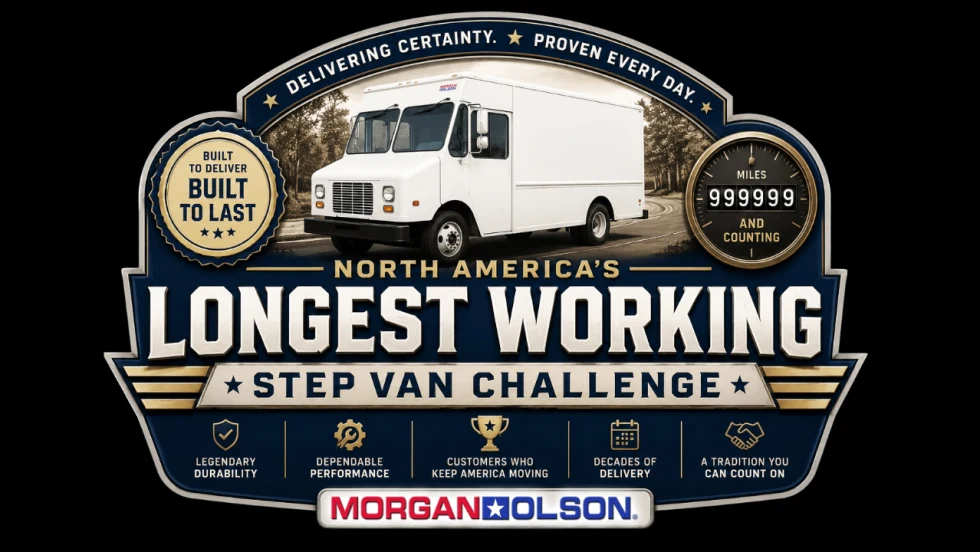
Morgan Olson Launches North America’s Longest Working Step Van Challenge
Morgan Olson has launched North America’s Longest Working Step Van Challenge, a new customer campaign to find the longest-working qualifying Morgan Olson or Grumman step van actively delivering packages for an independent service provider contracted by FedEx.
Read More →
Ford Transit Fleet Guide Specs Capability and 2027 Model-Year Updates
Explore 2027 Ford Transit fleet specs, engines, payload and towing capability, cargo configurations, work features, technology, and model-year updates.
Read More →
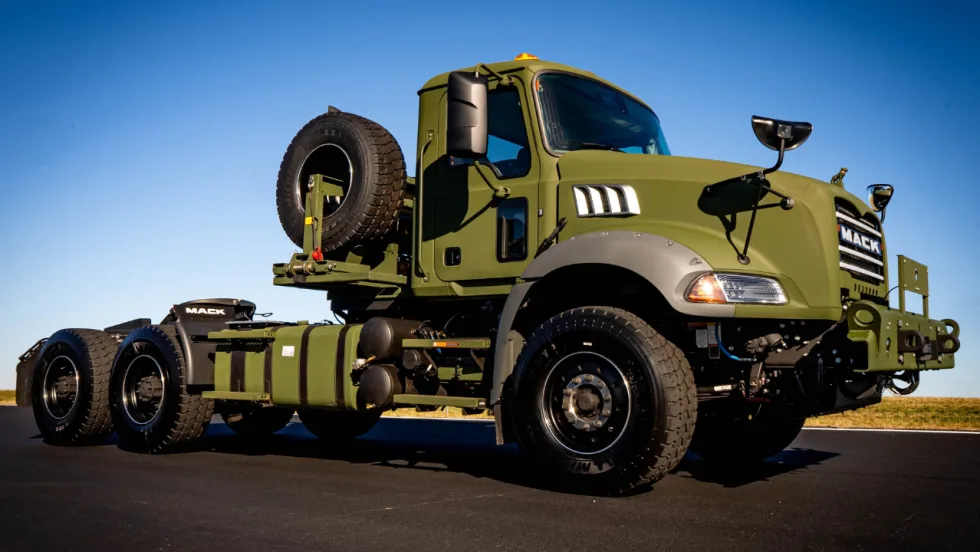
Mack Defense to Spotlight Common Tactical Truck Line Haul Hybrid Tractor During AUSA 2026
Mack Defense was awarded a contract to design, build, and deliver prototype vehicles for the U.S. Army’s Common Tactical Truck (CTT) program. It will show off its line-haul hybrid tractor prototype, based on the Mack Granite, at the 2026 United States Army (AUSA) Annual Meeting and Exposition.
Read More →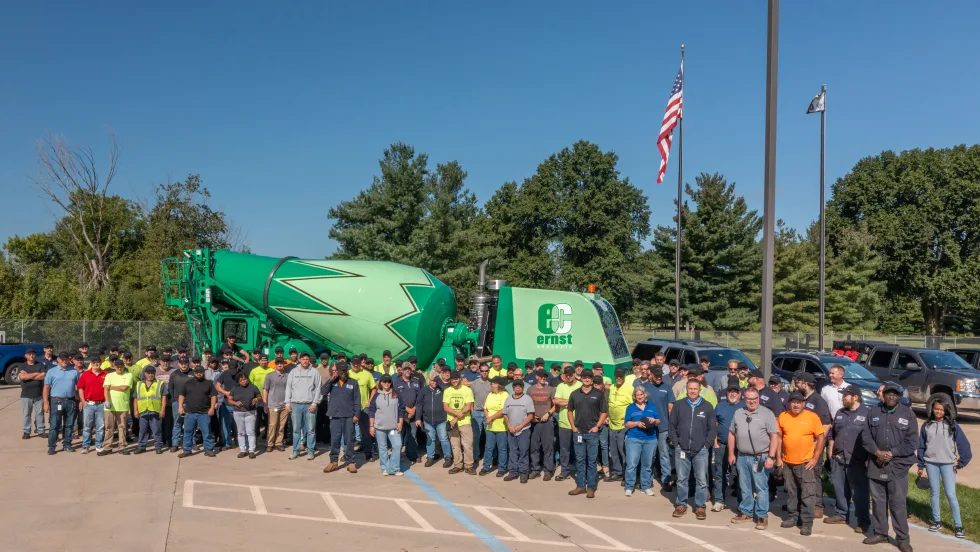
Advance Produces 20,000th Front-Discharge Mixer
Advance celebrated the production of its 20,000th front-discharge mixer, a Commander Series FD4000 mixer. Jack Willard first developed the original Rite-Way Truck in 1964, and then Advance was established in 1972.
Read More →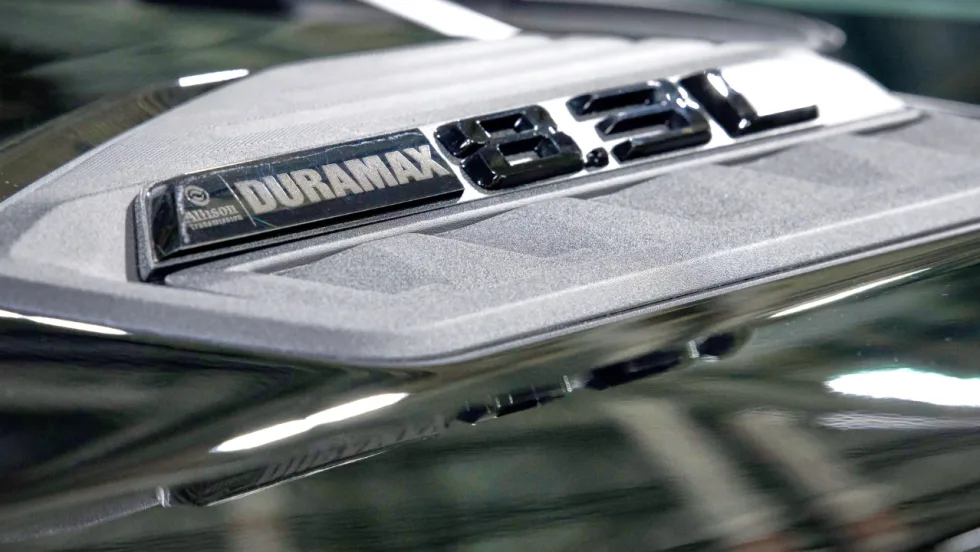
GM Launches Clean Sheet Duramax 8.3L Turbo-Diesel V8 for 2027 HD Pickups
General Motors previewed key updates for its 2027 HD pickup lineup, which will now include a new Duramax 8.3L Turbo-Diesel, electric power steering, and electronic brake boost.
Read More →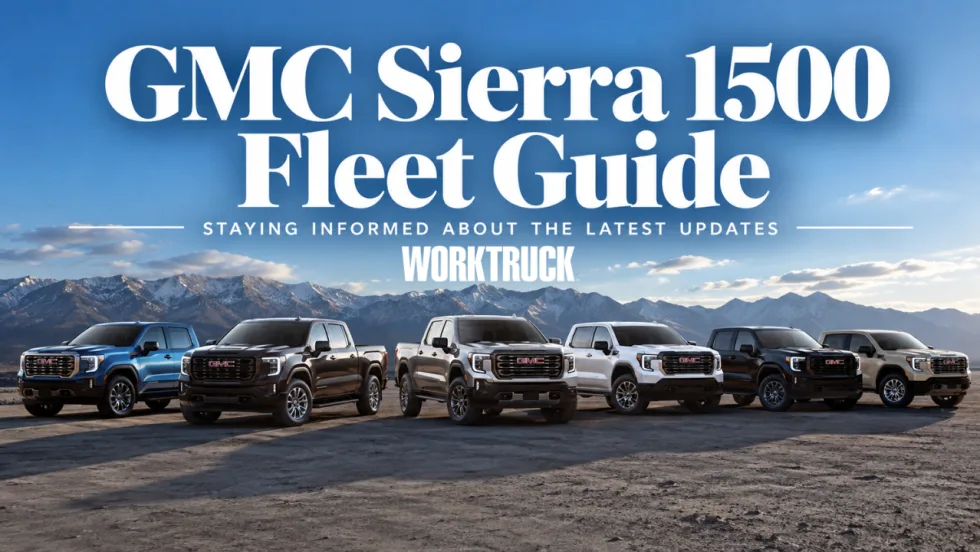
GMC Sierra 1500 Fleet Guide Specs Capability and 2027 Model-Year Updates
The next-generation 2027 GMC Sierra 1500 brings new V-8 engines, more standard safety technology, updated trailering tools, and a work-focused Pro trim. Here’s what fleets need to know.
Read More →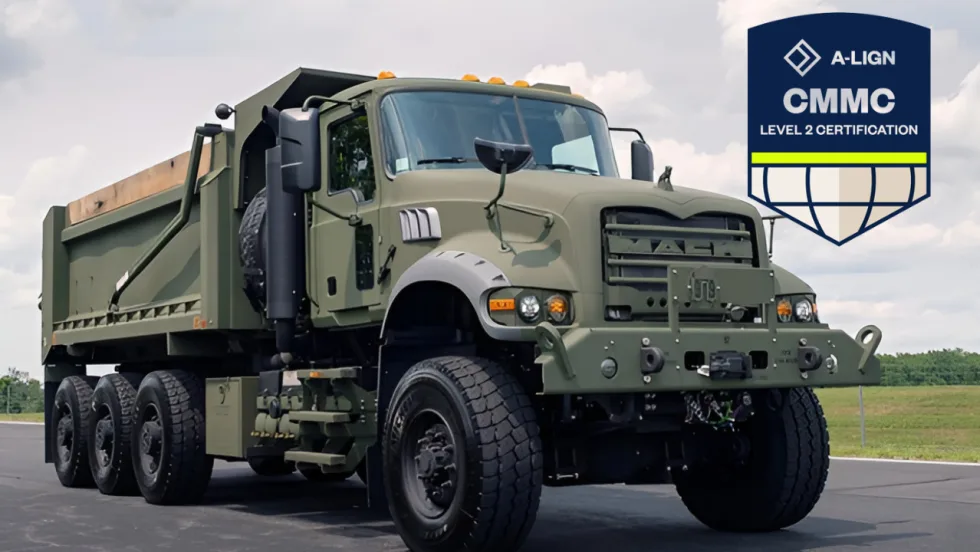
Mack Defense Achieves Cybersecurity Maturity Model Certification Level 2
After an assessment conducted by an authorized Certified Third-Party Assessment Organization (C3PAO), Mack Defense has achieved Cybersecurity Maturity Model Certification (CMMC) Level 2.
Read More →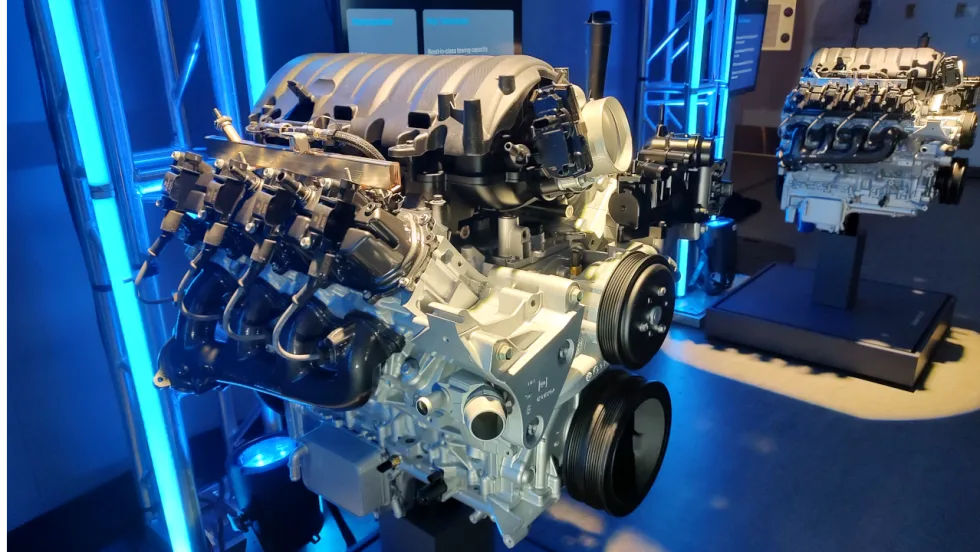
GM Unveils New Sixth-Generation Small Block Engines for 2027 Light-Duty Pickups
General Motors unveiled two new small-block engines, backed by extensive real-world validation and more than 70 years of small-block V8 manufacturing experience, as part of the engine portfolio for the 2027 Chevrolet Silverado 1500 and GMC Sierra 1500.
Read More →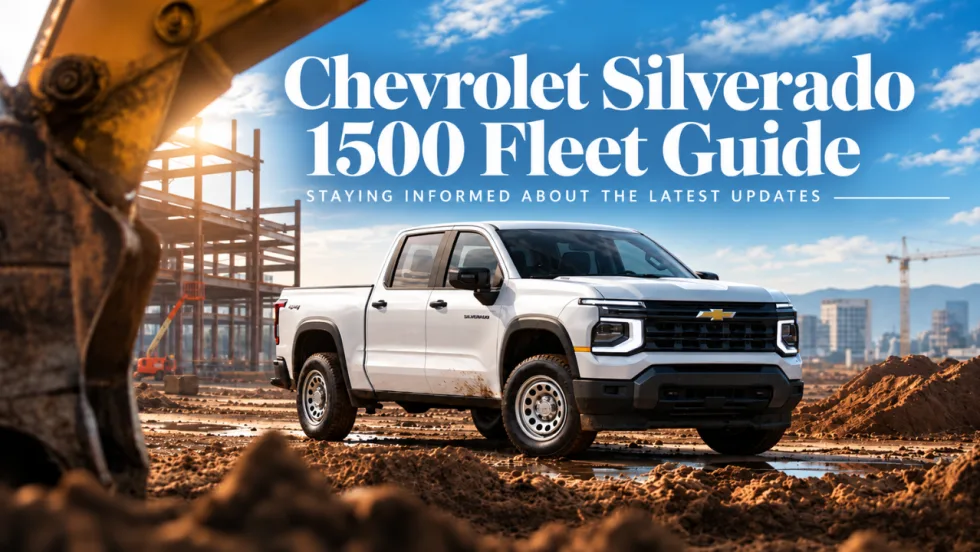
Chevrolet Silverado 1500 Fleet Guide Specs Capability and 2027 Model-Year Updates
The next-generation 2027 Chevrolet Silverado 1500 brings new V-8 engines, updated technology, expanded safety features, and a fleet-focused Work Truck. Here’s what commercial fleets need to know so far.
Read More →