




Crash Fatalities Per Mile Fall to Record Low
The National Safety Council’s estimated annual mileage death rate for 2014 sank to 1.18 deaths per 100 million miles traveled, matching the council’s lowest preliminary estimate on record.


Approximately 35,400 motor vehicle fatalities occurred in 2014, according to a preliminary estimate from the National Safety Council, and the year’s annual mileage death rate dropped to 1.18 deaths per 100 million miles traveled.
This estimated annual mileage death rate matches the lowest NSC preliminary estimate on record, the council said.
The 2014 estimate indicates an increase of fewer than 50 deaths compared to 2013. Crash injuries requiring medical attention are estimated at about 4.3 million, unchanged from 2013. The nearly stable number of motor vehicle deaths in the U.S. occurred during a period of economic expansion, with annual unemployment rates falling 16 percent and estimated mileage on national roads increasing 1.4 percent, NSC said.
“Every day, almost 100 people die in completely preventable crashes,” said Deborah A.P. Hersman, NSC president and CEO. “We all need to make safer choices when it comes to speeding, impairment and distraction behind the wheel – lives depend on it.”
NSC offers the following driver safety tips:
Buckle up every trip – even when traveling short distances.
Refrain from all electronic device use – including hands-free devices– behind the wheel.
Secure children in size-appropriate restraints.
Do not drink and drive; impairment begins with the first drink. If you drink, designate a sober driver or take alternate transportation.
Plan ahead and drive defensively, especially during bad weather.
Never drive when tired. Get plenty of sleep before your trip and plan regular stops.
In addition to devastating human loss, car crashes present a significant national cost in lost wages and productivity, medical expenses, administrative expenses, employer costs and property damage. The estimated cost of motor vehicle deaths, injuries and property damage in 2014 was $288.9 billion, less than a half a percent increase from 2013, NSC said.
To download the NSC research, click here.
Originally posted on Automotive Fleet
More Safety & Compliance
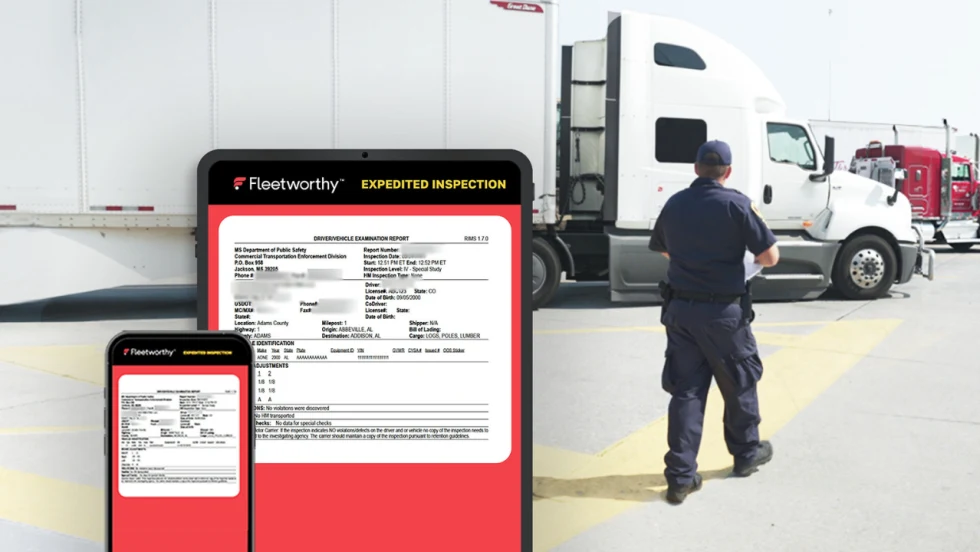
Fleetworthy Expands Expedited Inspection to 5 States
Following its industry-first launch in Nevada, Fleetworthy’s automated inspection technology is now live in California, Michigan, Vermont, and Maine.
Read More →
Crossing State Lines in a Light-Duty Work Truck? Check These Rules First
Crossing state lines in a lighter work truck? J.J. Keller's Kathy Close explains when IRP registration, trip permits, and towing rules come into play.
Read More →
GeoFencing Adds to Your Truck Security Arsenal
Geofencing is a familiar fleet tool today, but its early adoption marked a major shift in vehicle tracking, route monitoring, and the debate over employee privacy.
Read More →From Our Partners




Recalls You Need to Know About in October 2026
In October 2026, what recalls might impact your fleet? Work Truck has the answers in this comprehensive overview of recent NHTSA recalls.
Read More →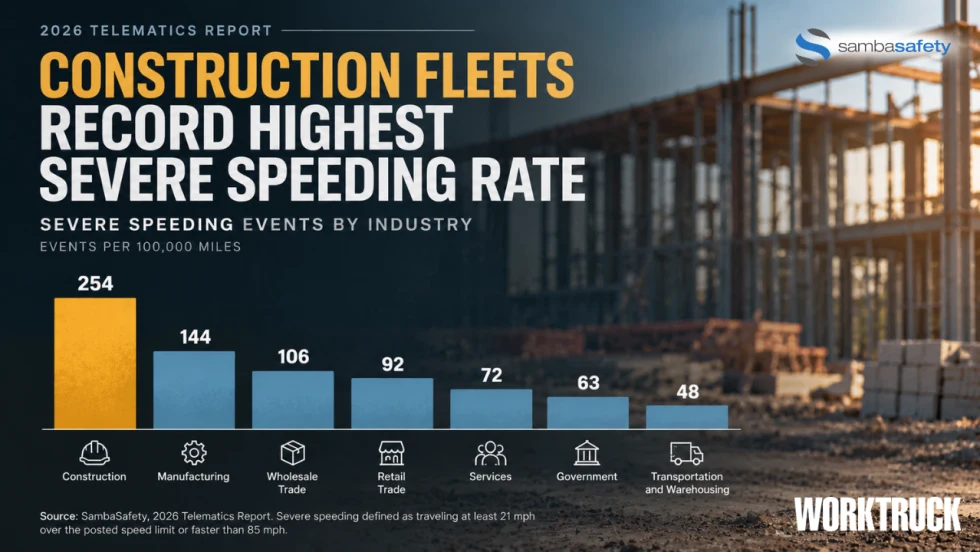
Construction Fleets Show Telematics Adoption Alone May Not Reduce Driving Risk
SambaSafety found construction fleets monitor roughly 92% of their vehicles but recorded the highest severe speeding rate among industries studied.
Read More →
Lytx Launches 360 Hub Kit for Expanded Fleet Camera Visibility
Lytx’s new AI-ready gateway and HD auxiliary camera ecosystem, the Lytx 360 Hub Kit, extends visibility across side, rear, cargo, and blind-zone views to help fleets see more and respond faster.
Read More →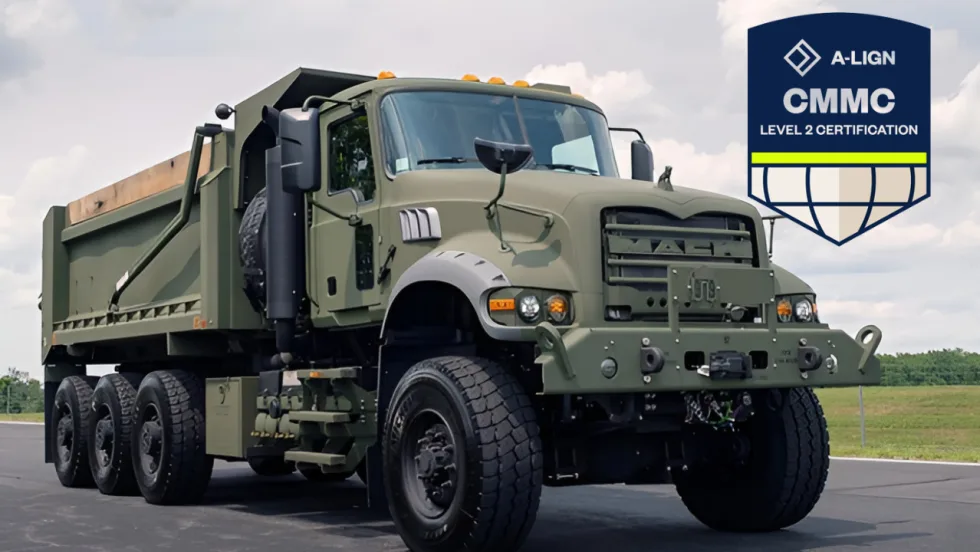
Mack Defense Achieves Cybersecurity Maturity Model Certification Level 2
After an assessment conducted by an authorized Certified Third-Party Assessment Organization (C3PAO), Mack Defense has achieved Cybersecurity Maturity Model Certification (CMMC) Level 2.
Read More →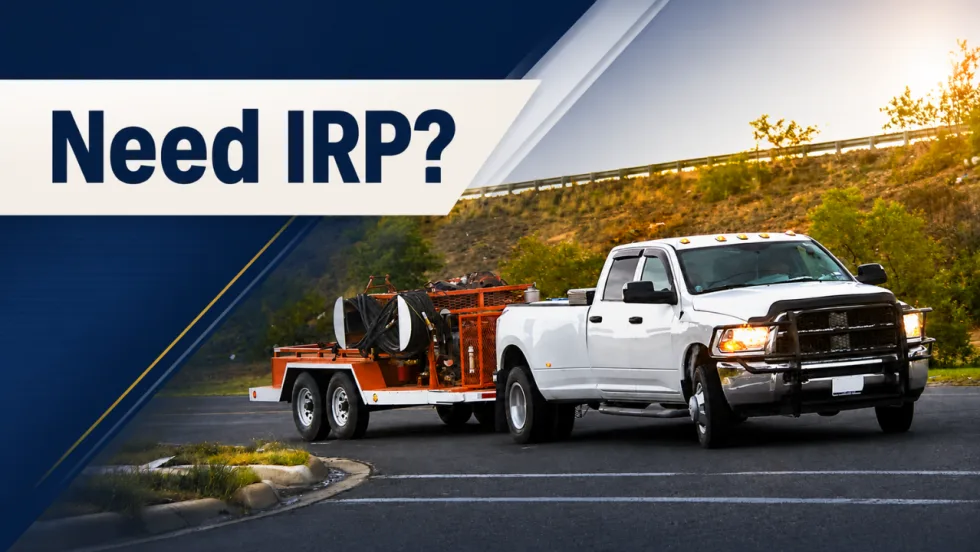
When Work Trucks Under 26,001 Pounds Need IRP Registration
Think trucks under 26,001 pounds are automatically in the clear when it comes to IRP? Not always. Learn where lighter vehicles can still run into trip permit, apportioned registration, and IFTA compliance requirements when crossing state or provincial lines.
Read More →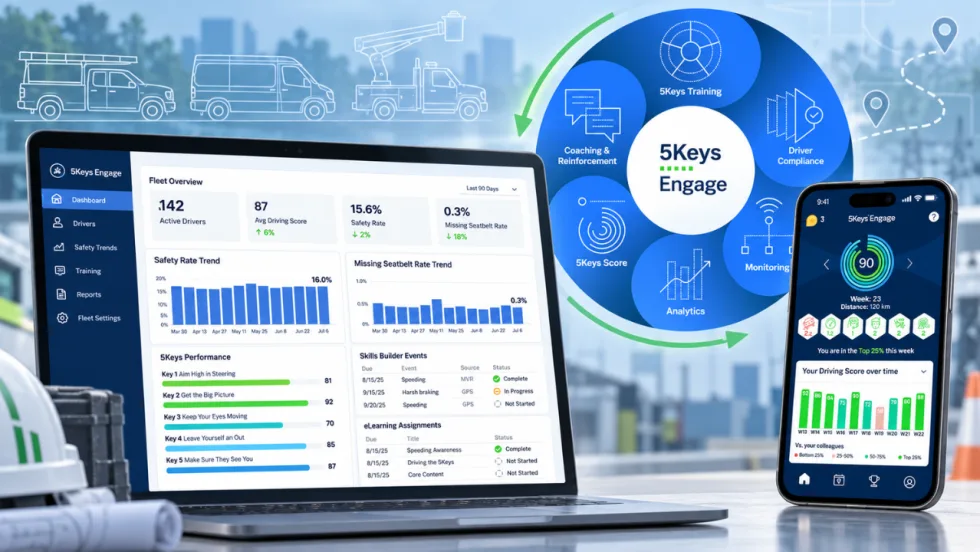
Smith System Wants Work Truck Fleets to Look Beyond the Driver Alert
Smith System’s new Driver Risk Management program is built to help mixed work truck fleets turn telematics alerts and observations into specific behaviors, coaching actions, and measurable follow-up.
Read More →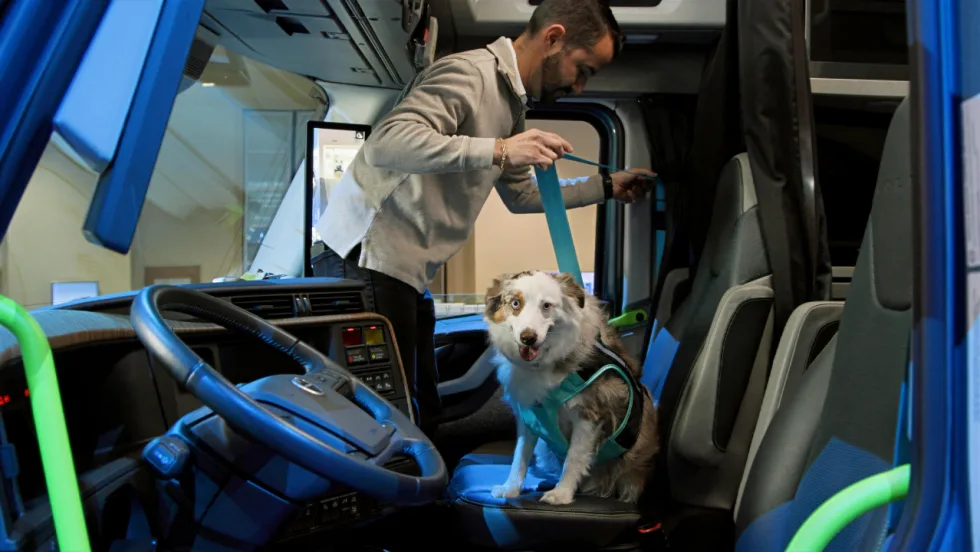
Volvo Trucks Releases New Safety Recommendations for Traveling with Pets
One of the most important recommendations for professional drivers traveling with pets is to ensure pets are properly restrained while the truck is moving. Other tips are available in the new guide from Volvo Trucks North America and Center for Pet Safety.
Read More →