




Related: How to Avoid Theft and Break-ins
California’s Bay Area Tops Vehicle Theft List
The National Insurance Crime Bureau recently released its list of vehicle theft hot spots, and the San Francisco-Oakland-Hayward metro area tops the list based on 2014 data.
by Staff
July 13, 2015
Photo of San Francisco by Vincent Bloch via Wikimedia Commons.
3 min to read

Photo of San Francisco by Vincent Bloch via Wikimedia Commons.
California’s San Francisco, Oakland and Hayward metropolitan area had the nation’s highest per-capita vehicle theft rate in 2014, according to the National Insurance Crime Bureau’s (NICB) latest Hot Spots report.
NICB’s Hot Spotsreport examines vehicle theft data obtained from the National Crime Information Center (NCIC) for each of the nation’s metropolitan statistical areas (MSAs). MSAs, designated by the Office of Management and Budget (OMB), often include areas much larger than the cities for which they’re named. For example, the Bakersfield, Calif., MSA includes all thefts within the entire county of Kern, not just the city of Bakersfield.
Moreover, as a population-based survey, an area with a much smaller population and a moderate number of thefts can – and often does – have a higher theft rate than an area with a much more significant vehicle theft problem and a larger population to absorb it.
For 2014, the 10 MSAs with the highest vehicle theft rates were:
2014 Ranking2013 Ranking
1 | San Francisco/Oakland/Hayward, Calif. (29,093) | 4 | (29,326) |
2 | Bakersfield, Calif. (5,211) | 1 | (6,267) |
3 | Stockton/Lodi, Calif. (4,245) | 5 | (4,245) |
4 | Odessa, Texas (886) | 12 | (764) |
5 | Modesto, Calif. (3,047) | 3 | (3,565) |
6 | Spokane/Spokane Valley, Wash. (3,032) | 7 | (3,205) |
7 | Vallejo/Fairfield, Calif. (2,414) | 8 | (2,540) |
8 | Seattle/Tacoma/Bellevue, Wash. (20,268) | 13 | (18,128) |
9 | Fresno, Calif. (5,260) | 2 | (6,750) |
10 | San Jose/Sunnyvale/Santa Clara, Calif. (10,531) | 9 | (10,925) |
Source: NICB
Although vehicle thefts are down dramatically across the nation, the reasons why vehicles are stolen remain the same, NICB said. Older vehicles are stolen primarily for their parts value while newer, high-end vehicles often are shipped overseas or, after some disguising, sold to an innocent buyer locally.
Others, meanwhile, are still taken for the oldest of motivations – a “joyride.” And when the thrill is gone, the car is abandoned.
The full Hot Spots report is available at www.nicb.org.
NICB recommends that vehicle owners and drivers follow four “layers of protection” to guard against vehicle theft:
Common Sense:
Remove your keys from the ignition.
Lock your doors and close your windows.
Park in a well-lit area.
Warning Device:
Audible alarms
Steering column collars
Steering wheel/brake pedal lock
Brake locks
Wheel locks
Theft deterrent decals
Identification markers in or on vehicle
VIN etching
Micro dot marking
Immobilizing Device:
Smart keys
Fuse cut-offs
Kill switches
Starter, ignition, and fuel pump disablers
Wireless ignition authentication
Tracking Device: The final layer of protection is a tracking device that emits a signal to police or a monitoring station when the vehicle is stolen.
To watch a National Highway Traffic Safety Administration video about vehicle theft prevention, you can click on the photo or link below the headline. You may want to pass this along to fleet drivers as a friendly reminder.
Originally posted on Automotive Fleet
More Safety & Compliance
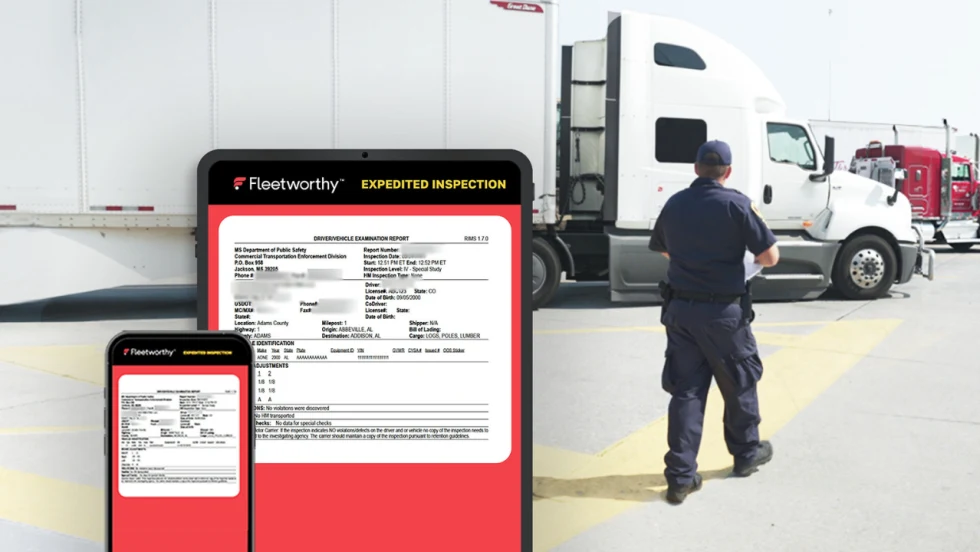
Fleetworthy Expands Expedited Inspection to 5 States
Following its industry-first launch in Nevada, Fleetworthy’s automated inspection technology is now live in California, Michigan, Vermont, and Maine.
Read More →
Crossing State Lines in a Light-Duty Work Truck? Check These Rules First
Crossing state lines in a lighter work truck? J.J. Keller's Kathy Close explains when IRP registration, trip permits, and towing rules come into play.
Read More →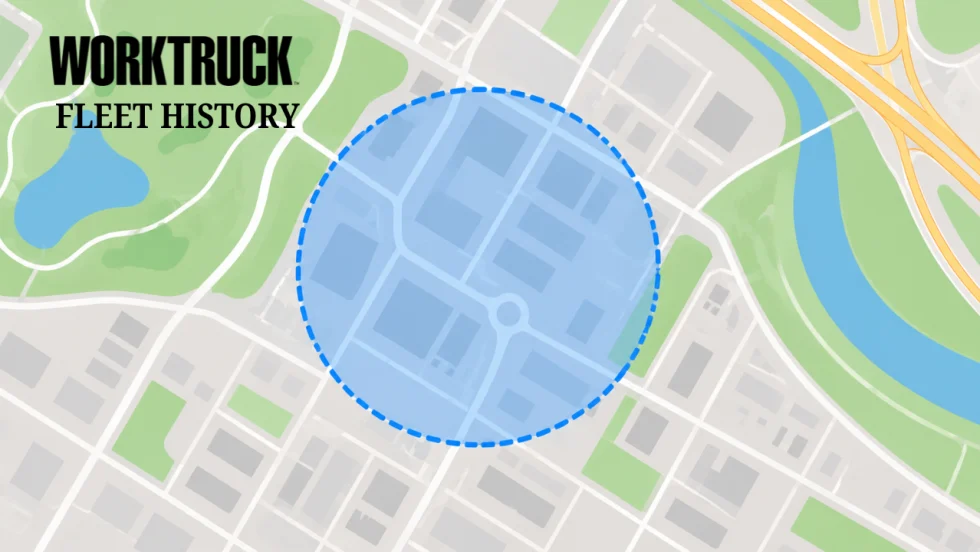
GeoFencing Adds to Your Truck Security Arsenal
Geofencing is a familiar fleet tool today, but its early adoption marked a major shift in vehicle tracking, route monitoring, and the debate over employee privacy.
Read More →From Our Partners

Recalls You Need to Know About in October 2026
In October 2026, what recalls might impact your fleet? Work Truck has the answers in this comprehensive overview of recent NHTSA recalls.
Read More →
Construction Fleets Show Telematics Adoption Alone May Not Reduce Driving Risk
SambaSafety found construction fleets monitor roughly 92% of their vehicles but recorded the highest severe speeding rate among industries studied.
Read More →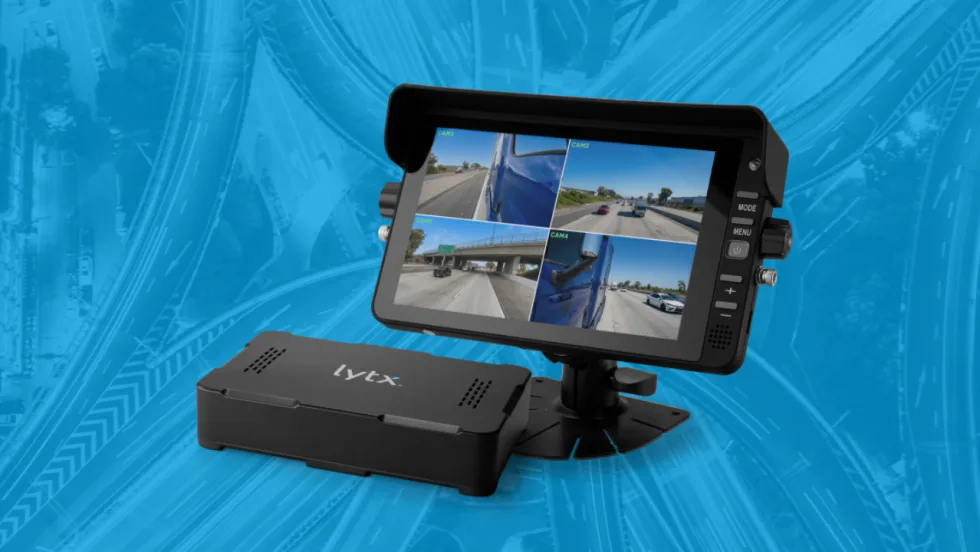
Lytx Launches 360 Hub Kit for Expanded Fleet Camera Visibility
Lytx’s new AI-ready gateway and HD auxiliary camera ecosystem, the Lytx 360 Hub Kit, extends visibility across side, rear, cargo, and blind-zone views to help fleets see more and respond faster.
Read More →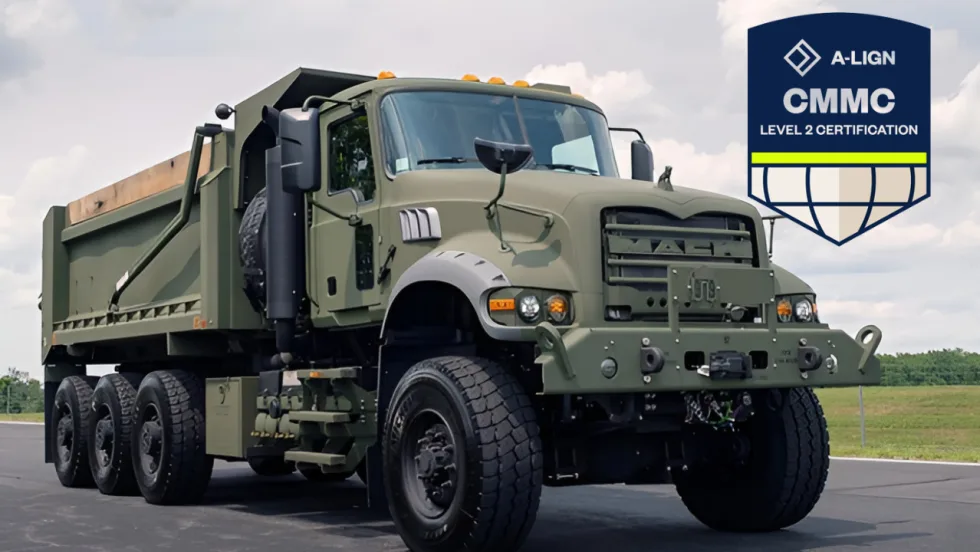
Mack Defense Achieves Cybersecurity Maturity Model Certification Level 2
After an assessment conducted by an authorized Certified Third-Party Assessment Organization (C3PAO), Mack Defense has achieved Cybersecurity Maturity Model Certification (CMMC) Level 2.
Read More →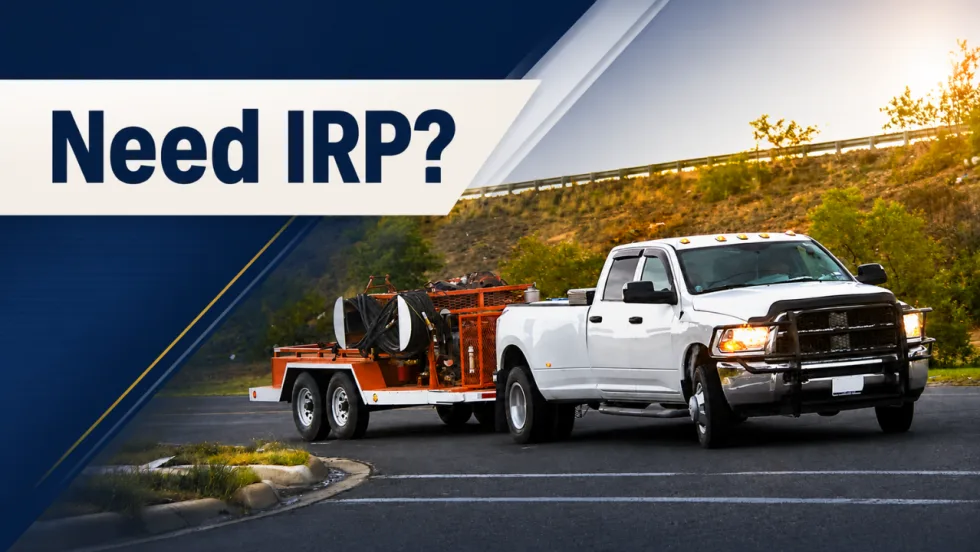
When Work Trucks Under 26,001 Pounds Need IRP Registration
Think trucks under 26,001 pounds are automatically in the clear when it comes to IRP? Not always. Learn where lighter vehicles can still run into trip permit, apportioned registration, and IFTA compliance requirements when crossing state or provincial lines.
Read More →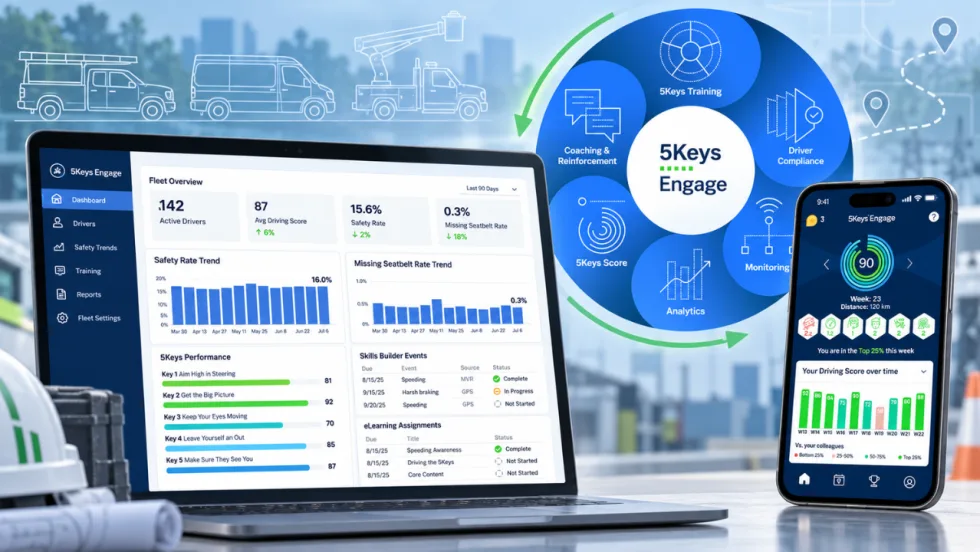
Smith System Wants Work Truck Fleets to Look Beyond the Driver Alert
Smith System’s new Driver Risk Management program is built to help mixed work truck fleets turn telematics alerts and observations into specific behaviors, coaching actions, and measurable follow-up.
Read More →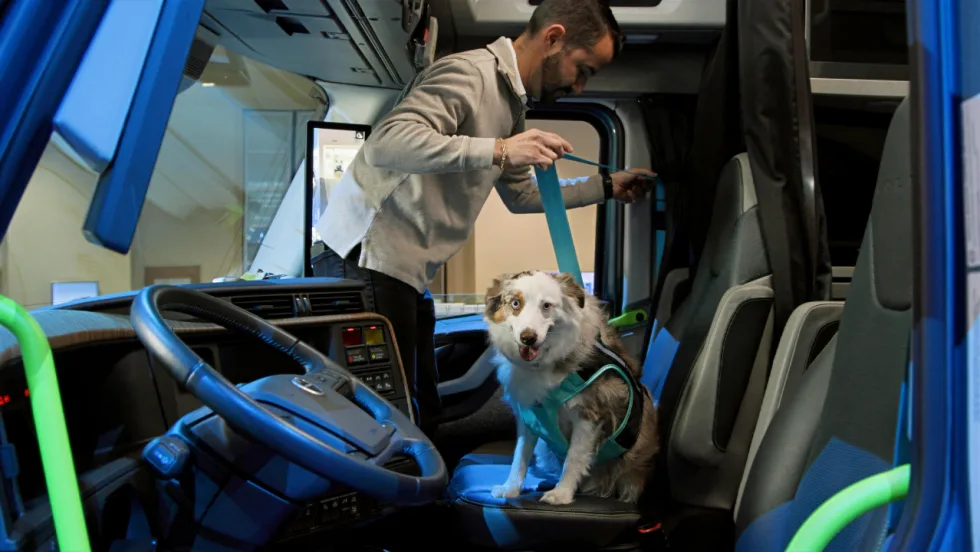
Volvo Trucks Releases New Safety Recommendations for Traveling with Pets
One of the most important recommendations for professional drivers traveling with pets is to ensure pets are properly restrained while the truck is moving. Other tips are available in the new guide from Volvo Trucks North America and Center for Pet Safety.
Read More →