




Related: Only Fuel Tax Hike Can Deliver on Infrastructure Promise, ATRI Says
California Looks into Per-Mile Tax to Replace Fuel Levy
The state of California commissioned a report by CalTrans to look into the viability of a mileage-based tax on all vehicles to eventually replace the tax on fossil fuels.
by Staff
December 11, 2017
The state of California uses fuel taxes to pay for infrastructure improvement and repair – but could change that. Photo via CalTrans
3 min to read

The state of California uses fuel taxes to pay for infrastructure improvement and repair – but could change that. Photo via CalTrans
The state of California commissioned a report by CalTrans to look into the viability of a mileage-based tax on all vehicles to eventually replace the tax on fossil fuels.
Earlier this year, the state passed its first fuel tax increase since 1994 to pay for the state's infrastructure costs. The measure added 12 cents in tax per gallon to gasoline and 20 cents on a gallon of diesel fuel.
Despite the increased revenue expected from updating the fuel tax, the state is already looking at a tax that is based on mileage instead of gallons, in order to counteract the drop in fuel taxes from increasingly efficient conventional and alternative-powered vehicles. While the new increase should be more than capable of funding the state’s infrastructure costs for now, a recently released report from CalTrans shows that a gas tax will not be able to keep up in the future.
“When initially instituted, the gas tax methodology was an equitable revenue system, generally due to vehicles having comparable fuel consumption rates,” the report states. “However, as more fuel-efficient vehicles are entering the California fleet, the gas tax limitations have become more apparent.”
The study looked at data over a nine-month period from more than 5,000 vehicles ranging from passenger through heavy-duty commercial vehicles. Using a variety of manual and automated methods for tracking miles, the participants simulated the tax at a 1.8-cent-per-mile rate. The rate was based on a five-year average of the gas tax and represented a revenue-neutral option.
Overall, the report determined that a per-mile tax was a viable alternative to a gas tax or other methods. However, it acknowledged that there were issues that needed to be worked out, such as reliable methods for tracking and exchanging data and then using that information for billing. One of the points in favor of the current per-gallon fuel tax is that it can be assessed and charged at the pump, requiring no information from the vehicle.
Some methods being studied would require installing a device that communicates with a vehicle at pumps and battery chargers to confirm mileage numbers and assess a charge. For commercial vehilces, on-board devices like electronic logging devices that plug into the diagnostic port could be used for the purpose.
Joe Rajkovacz, the director of governmental affairs and communications for the Western States Trucking Association, told HDT that he participated in the pilot program so he would be able to comment intelligently to members about it. He characterized participation in the pilot as simple enough, and said he used an ECM style plug-in to allow vehicle tracking.
He was still skeptical about whether the mileage tax would have resulted in more revenue to the state than a traditional collection method. However, Rajkovacz’s take was that a vehicle mileage tax was likely the only way to fairly tax fuel-efficient or alternative-fueled vehicles.
This was a sentiment shared by 73% of the participants in the pilot program, according to the report.
“Since this state is pushing for zero/near-zero emissions mandates (elimination of fossil fuels), the reality is the fuel tax isn’t going to work to collect highway use fees from those operating alt[ernative fuels],” Rajkovacz told HDT. “Many who operate these kinds of vehicles think they are something special, and ironically kick back at the notion of paying their fair share to use highways, thinking the fact they drive zero-emissions vehicles is so noble they shouldn’t have to pay at the same level all other motorist do.”
Topics:TaxationFuel TaxCaltransWestern States Trucking AssociationAlternative FuelsVMTInfrastructure FundingCaliforniaFuel
Originally posted on Automotive Fleet
More Fuel

The Smart Way to Build a Mixed-Energy Fleet Isn’t About Picking a Side
Mixed-energy fleets aren’t about picking a winning fuel. Sarah Booth of WEX explains how vehicle data, duty cycles, charging strategy, and real-world costs can help fleets choose the right energy source for each job.
Read More →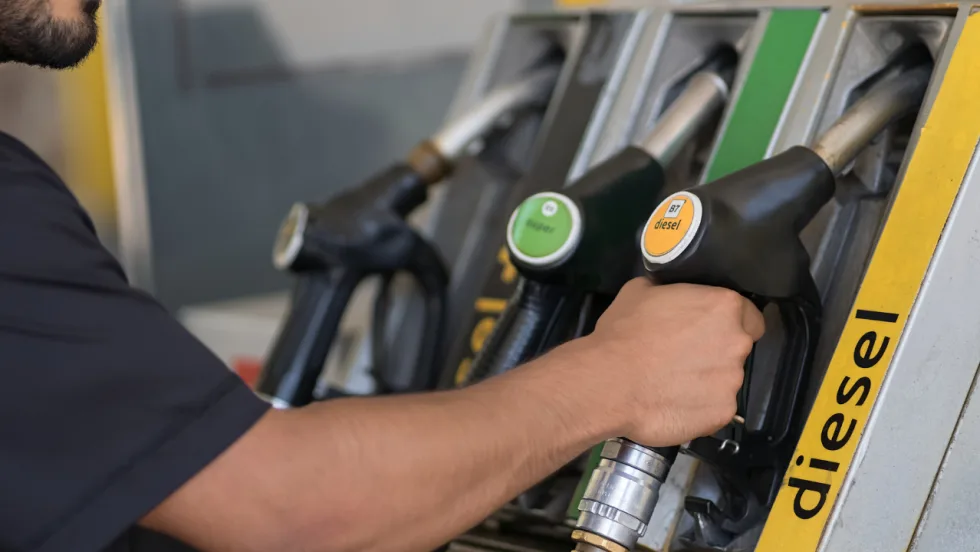
Ignoring This Dashboard Warning Could Cost Your Fleet Thousands in Fuel
New research suggests neglected diesel aftertreatment systems could waste up to $30 in fuel per vehicle each day. Here's why vocational fleets should pay attention.
Read More →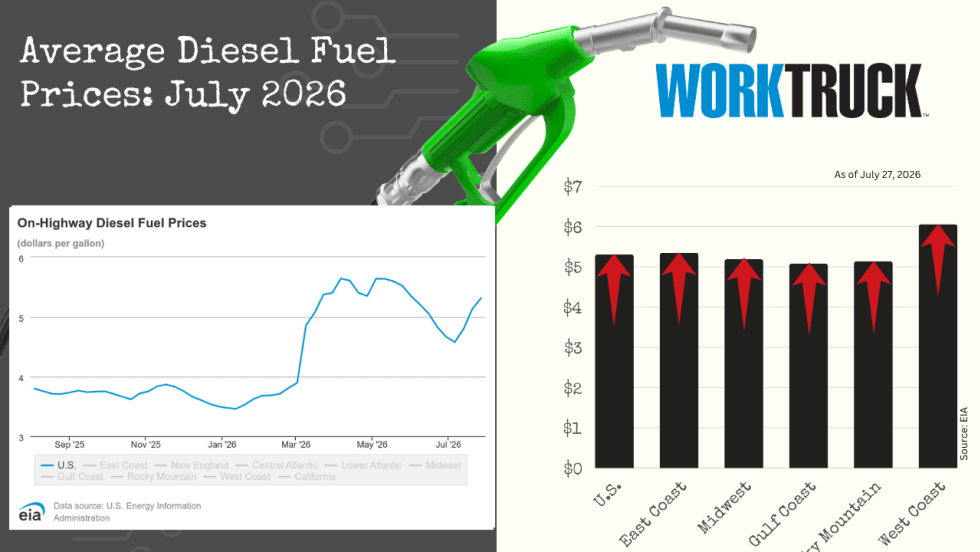
July Diesel Trends Update
The average price of a gallon of diesel increased again this week, and the EIA reported a new national average of $5.31 at the start of the week.
Read More →
WEX Brings Standard Fleet's Connected Vehicle Platform to Fleet Customers
This week’s product launch with Standard Fleet’s connected vehicle platform reflects WEX Venture Capital's strategy of turning startup innovation into customer solutions. Standard Fleet is now available to WEX fleet customers.
Read More →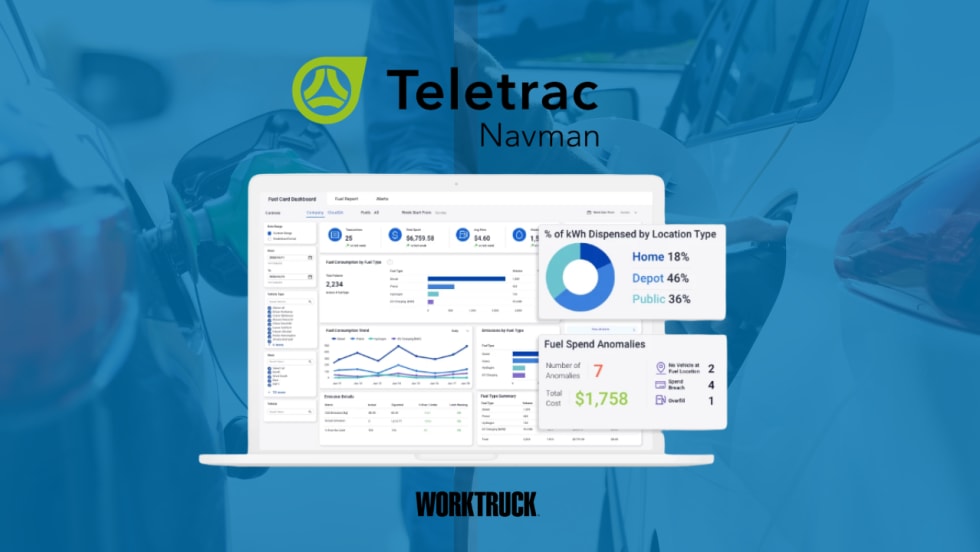
Teletrac Navman Adds Mixed-Energy Fleet Tools to TN360
The new Energy Hub combines fuel transactions, EV charging data, vehicle range, and energy costs in one dashboard for fleets operating multiple vehicle and energy types.
Read More →
WEX DriverDash adds CITGO, Expands Nationwide Access for Fleets
The DriverDash mobile payment app, by WEX, has been integrated into the CITGO merchant network, which means WEX has expanded its U.S. station footprint with the addition of approximately 4,000 CITGO locations.
Read More →
Mixed Energy Fleet Tips for Balancing EVs, Gas and Diesel Vehicles
Mixed energy fleets are becoming the new normal. Learn how fleet managers are balancing EVs, gas and diesel vehicles while controlling costs and planning for the future.
Read More →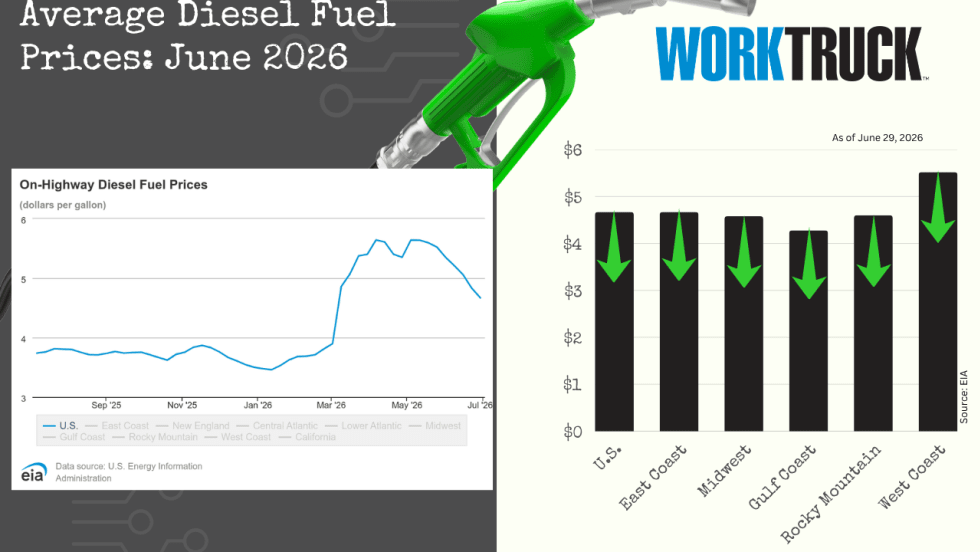
June Diesel Trends Update
The national average price of a gallon of diesel has dropped again, this week by more than 16 cents. All five regions reported lower average prices, ranging from almost 13 cents to more than 28 cents cheaper than a week ago.
Read More →
RoadFlex Launches RoadFlex Direct Open API Platform
RoadFlex Direct connects fuel cards, controls, and data to the telematics and fleet management systems fleets already run, from Geotab and Samsara to Fleetio and RTA, with no separate dashboard or double data entry.
Read More →
The Key to Fuel Efficiency Sits in the Cab
Learn how driver behavior, telematics, coaching, and fuel data can help fleets improve fuel efficiency, lower costs, and reduce emissions.
Read More →