




Related: North American Car, Truck of the Year Finalists Named
Bolt, Pacifica, Ridgeline Earn Vehicle of the Year Awards
The 2017 North American Car, Truck and Utility Vehicle of the Year were announced at the North American International Auto Show in Detroit.
by Staff
January 9, 2017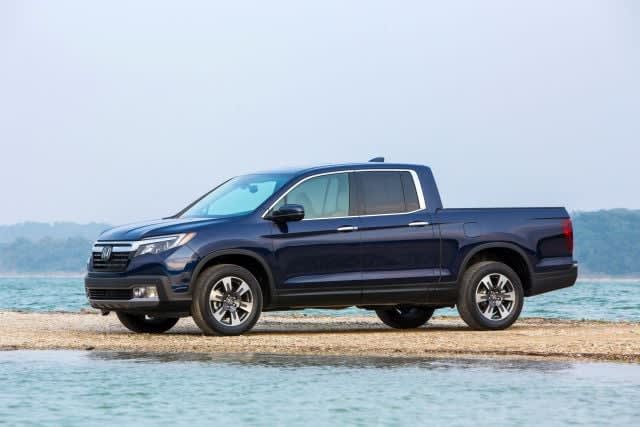
2017 Honda Ridgeline (photo courtesy of Honda)
3 min to read
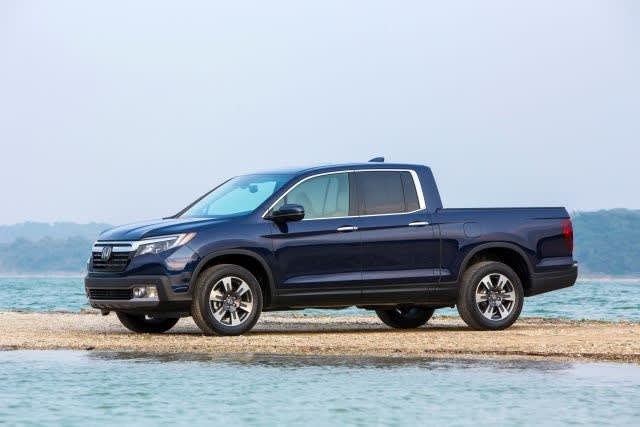
2017 Honda Ridgeline (photo courtesy of Honda)
The 2017 North American Car, Truck and Utility Vehicle of the Year were announced at the North American International Auto Show in Detroit.
This year, the 2017 Chevrolet Bolt battery-electric car, Honda Ridgeline pickup, and Chrysler Pacifica minivan were named 2017 North American Car, Truck and Utility Vehicle of the Year, respectively.
For Truck of the Year, the Honda Ridgeline midsize pickup received 364 points to beat the Ford F-series Super Duty, 193, and Nissan Titan, 72.
The Ridgeline was engineered to offer a pickup bed for cargo on a car-style chassis that delivers a smoother ride than most pickups. It offers unusual features like a "trunk" under its cargo bed's floor and a double-hinged tailgate that opens down or from the side.
For Car of the Year, the Bolt electric car received 364 points from the jury of automotive journalists across the United States and Canada. The Genesis G90 sedan from Hyundai's new luxury brand was second with 105, followed by the Volvo S90 sedan with 101.
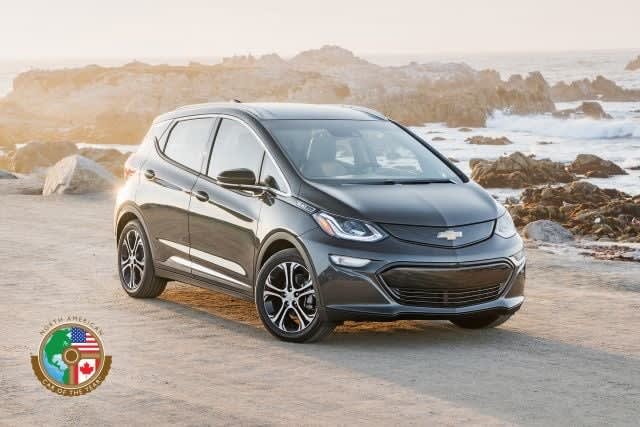
2017 Chevrolet Bolt (photo courtesy of General Motors)
The Bolt boasts an EPA-certified range of 238 miles on a charge and prices that start under $30,000 after applicable tax credits.
The award for Utility Vehicle of the Year is new for 2017, in recognition of the growing popularity of SUV-style vehicles. Passenger-oriented minivans are also eligible for Utility of the Year. Vehicles eligible for Truck of the Year include pickups of all sizes and light- and medium-duty commercial vans.
The Chrysler Pacifica minivan got 300 points to top the Mazda CX-9, 135, and Jaguar F-Pace, 125. The award for utility vehicle of the year is new for 2017. It includes sport utility vehicles and minivans. It was added due to surging consumer interest in SUVs, many of which compete with minivans as kid-friendly family transportation.
The Pacifica minivan replaces two models in Fiat Chrysler's lineup, the Chrysler Town & Country and Dodge Grand Caravan. Its innovative features include a plug-in hybrid model that can travel 35 miles on a charge, enough to cover daily driving for many minivans.
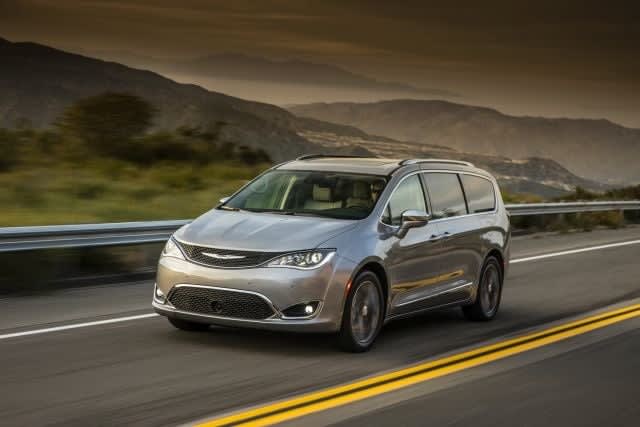
2017 Chrysler Pacific (photo couresty of FCA US)
The jury and designer Ed Welburn also presented a check for $5,000 to the Children's Hospital Foundation of Michigan Foundation as payment for Welburn's design of a new trophy for the awards. Welburn is a former design director of General Motors.
The North American Car and Truck and Utility Vehicle of the Year awards honor excellence in innovation, design, safety, performance, technology, driver satisfaction, and value. Initiated in 1994, they are judged by about 60 professional automotive journalists from the United States and Canada who work for magazines, television, radio, newspapers, and websites. They are the longest-running award not associated with a specific publication, a structure that produces a diverse base of jurors, according to the NAIAS.
Jurors evaluated dozens of new vehicles that went on sale this year to determine the finalists.
Topics:Chevrolet Bolt EVAwardsHonda RidgelineFCAHonda2017-MYChrysler PacificaDetroit Auto ShowNorth American Car of the YearNorth American Truck of the YearGeneral MotorsGreen FleetOperationsSmall Fleet
Originally posted on Automotive Fleet
More Green Fleet

Fleet Forward Conference Introduces One-Day Passes for 2026
New one-day registration gives fleet professionals the flexibility to attend Tuesday, Wednesday, or Thursday, with passes available for $199 through Sept. 18.
Read More →
CALSTART Rebrands as Catalyst Mobility, Will Combine with Forth in 2027
CALSTART has rebranded as Catalyst Mobility and will combine with Forth at the start of 2027. The new organization said it is poised to become one of the world's largest, strongest, and most impactful clean transportation nonprofits.
Read More →
Electric Truck and Charging Programs to Boost Sustainability at NY & NJ Ports
Together, the Port Authority of New York and New Jersey and CALSTART will electrify drayage and terminal operations serving the East Coast’s busiest container port. A pair of incentive programs totaling $45 million has launched to accelerate adoption of zero-emission drayage trucks and terminal tractors.
Read More →
Xos Hub Surpasses One Gigawatt-Hour of Energy Delivered in the Field
A single Xos Hub has surpassed one gigawatt-hour of energy across more than 33,600 charging sessions in the field, demonstrating performance that supports Xos' expansion across new products and markets.
Read More →
Carrier Transicold Launches All-Electric Vector 8200 TRU for Diesel-Free On-Site Cold Storage
Carrier Transicold’s first engineless multi-temperature TRU helps fresh- and frozen-food fleets add supplemental cold storage capacity during seasonal peaks.
Read More →
Narro Trucks Introduces Electric Utility Vehicle
Narro Trucks officially launched its operations on Aug. 20 and hosted a ride and drive to showcase its electric truck, which will be produced in Virginia.
Read More →
Samsung SDI Takes Full Control of GM Battery JV as Indiana Plant Pivots to Energy Storage
Samsung SDI is taking full control of its Indiana battery plant with GM, marking a major shift from the EV-focused joint venture Charged Fleet first covered in 2023.
Read More →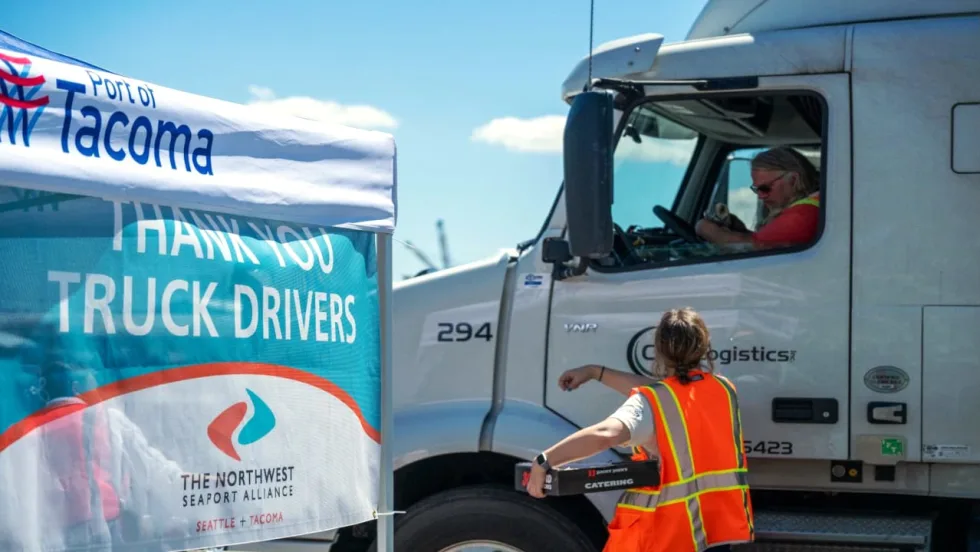
NWSA Taps CALSTART to Administer Zero-Emission Drayage Assistance Program
CALSTART will provide free technical assistance services to drayage fleets serving the Ports of Seattle and Tacoma and looking to transition to cleaner technologies and help decarbonize freight hubs.
Read More →
EV Fleet Reality Check: What Operators Wish They Knew Before Electrifying Their Work Vans
Electric work truck upfits bring new compatibility questions. Learn how parts availability, OEM guidance, power demands, and route planning can affect fleet performance.
Read More →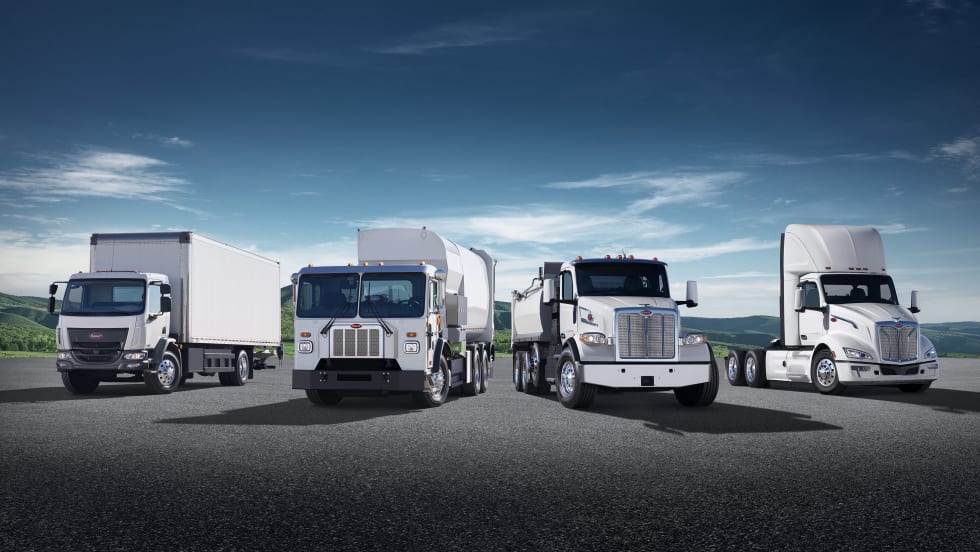
Peterbilt Expands Sourcewell Partnership with Electric Vehicle Lineup
Peterbilt Motors Company’s cooperative purchasing agreement with Sourcewell and its Canadian partner, Canoe Procurement Group, now includes including Peterbilt's battery-electric vehicle lineup.
Read More →